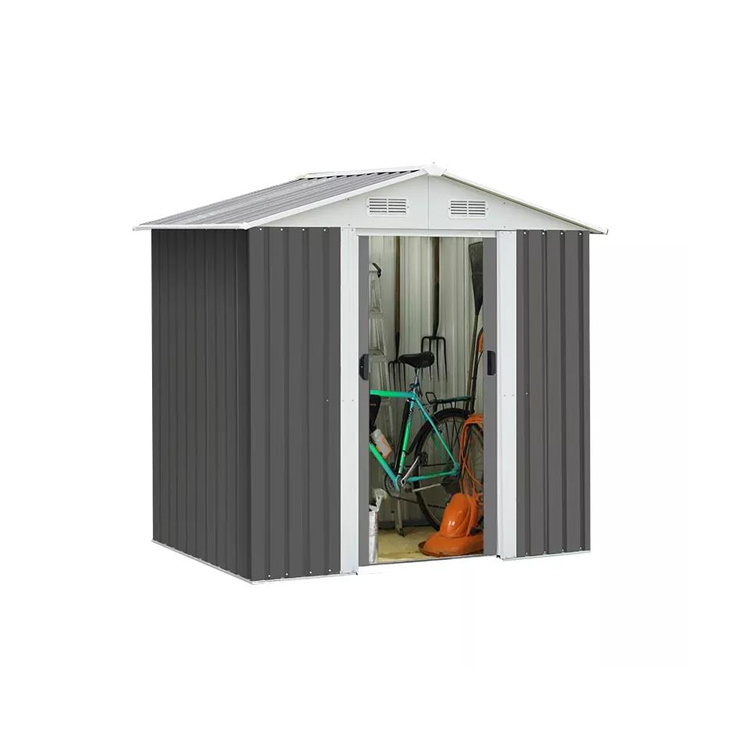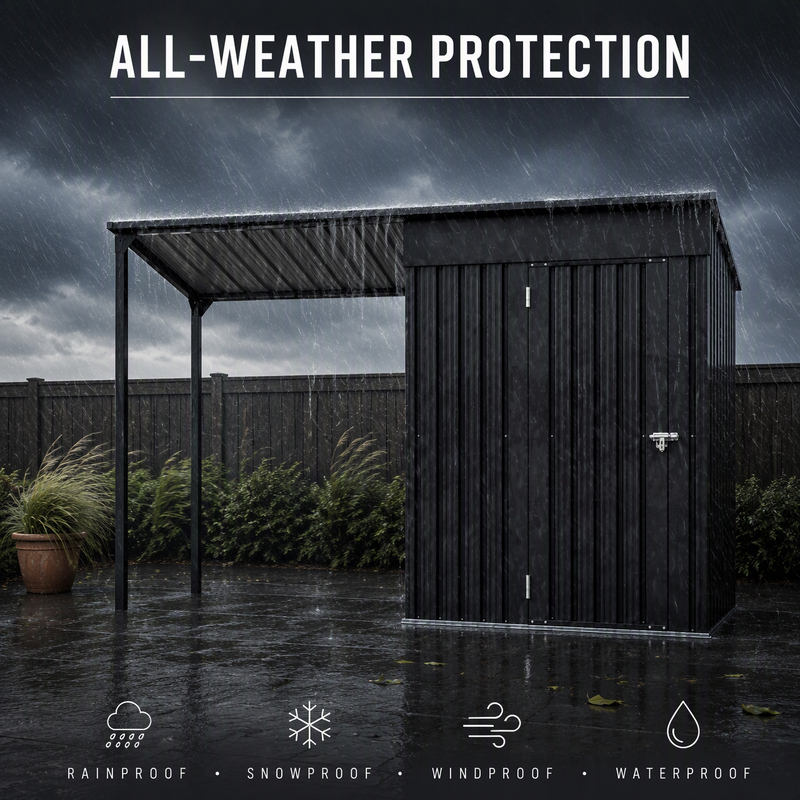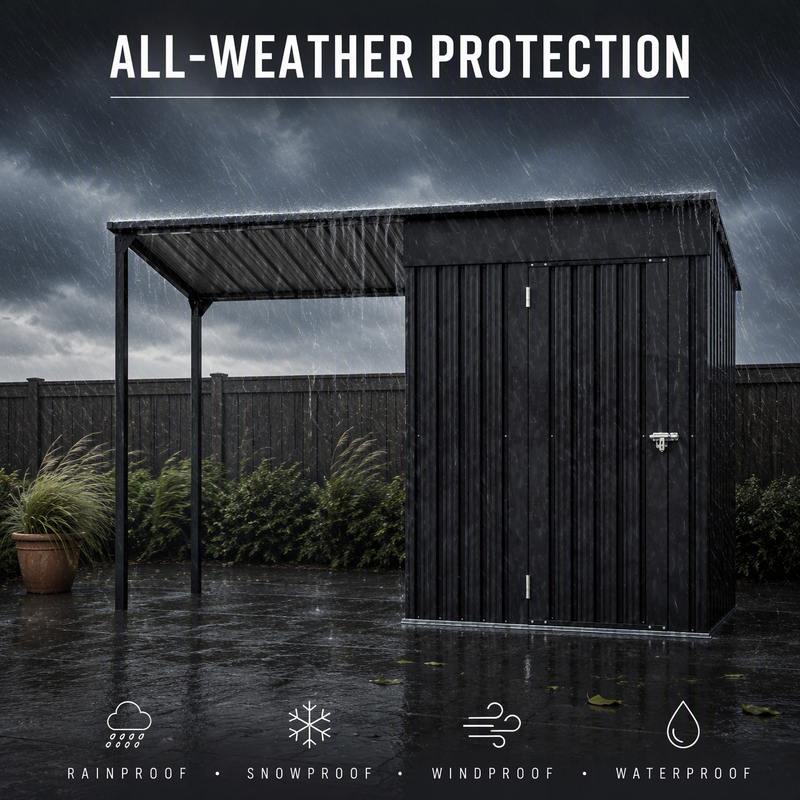
OEM/ODM Pent Roof Metal Sheds

Home / Products / Garden Storage Shed / Pent Roof Metal Sheds

Pent Roof Metal Sheds Manufacturers

Taizhou Sunshine Garden Products Co.,Ltd is a leading home garden and hydroponic grow equipments manufacturer and supplier from China with 12 years OEM & ODM experience. Specialized Pent Roof Metal Sheds Manufacturers, Our main products can be divided into two series, including Hydroponic Grow Equipmentslike Full completed grow tents and kits, Grow tables and trays, Grow bags, Seeding propagation, another series is Home Garden Products like Mini Greenhouses, Hanging planters, Garden waste bags and so on. We wholesale Pent Roof Metal Sheds, We could also make customized products according to your needs. We helped a lot of clients creating their own brand with our strict quality raw material select, higher quality production technology and professional services. Warmly welcome to visit our Pent Roof Metal Sheds factory.

Our Service

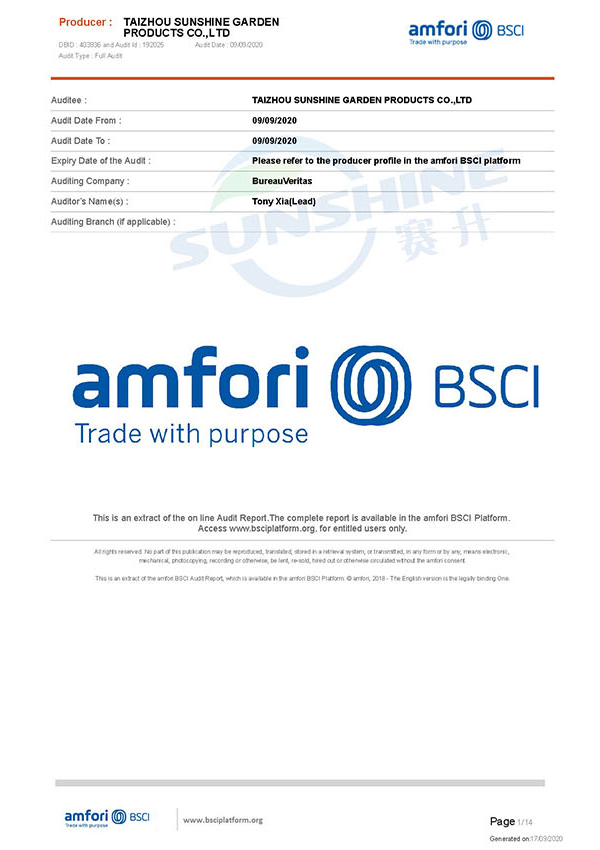
Our factories are supervised carefully, we have strict quality assurance test and lab test and multiple inspections. This means we find glitches before they become problems, thus preventing you from disastrous quality problems. We guarantee your satisfaction from start to finish.

We helped a lot of clients creating their own brand with our strict quality raw material select, higher quality production technology and professional services.

We could also make customized products according to your needs. you can talk to our customer service center about your sourcing requirements, whether selecting a current product from our catalog or seeking assistance for your application.

News
How Surface Treatment Extends Rolling Bench Durability
Jan 02.2026
Why Surface Treatment Matters for Rolling Bench Longevity The surface finish of a Rolling Bench is a critical factor in determining its lifespan, particularly in environments with high humidity, chemical exposure, or frequent cleaning. Proper surface treatment not only protects against corrosion but also maintains structural integrity over the years of use. Corrosion Resistance: Untreated metal is prone to rust when exposed to moisture, fertilizers, or acidic residues, which can weaken the bench structure. Wear and Abrasion Protection: Surface coatings reduce the effect of scratches, friction, and heavy loads, extending the functional lifespan. Aesthetic Preservation: A well-treated surface retains its appearance over time, which is important in commercial or visible growing environments. Galvanization: A Proven Method for Longevity Galvanization, typically hot-dip or electro-galvanized, is one of the widely used treatments for metal benches. Thick Zinc Layer Protection: Zinc acts as a sacrificial layer, corroding before the steel beneath is affected. Durability in Humid Environments: Galvanized surfaces perform exceptionally well in greenhouses or outdoor conditions, resisting rust for many years. Maintenance Reduction: Galvanized benches require minimal upkeep, reducing labor and replacement costs. Limitations: Over time, scratches or deep abrasions can expose the steel, necessitating spot treatments to maintain protection. Powder Coating: Enhanced Protection and Visual Appeal Powder coating is another common treatment that offers both protective and aesthetic benefits. Uniform Coverage: Unlike liquid paints, powder coatings provide a thicker, more uniform layer that adheres tightly to the metal surface. Chemical Resistance: This finish resists many fertilizers, cleaning agents, and moisture, making it suitable for intensive agricultural applications. Customizable Colors and Textures: Powder coating allows rolling benches to match specific color schemes or branding needs. Potential Drawbacks: While resistant to corrosion, powder coatings can chip or scratch, particularly in high-traffic or heavy-load applications, which may require periodic touch-ups. Comparing Surface Treatments: Galvanization vs. Powder Coating Choosing between galvanization and powder coating depends on the intended use and environmental conditions. Galvanization Strengths: Offers long-term corrosion resistance and minimal maintenance in wet or humid settings. Powder Coating Strengths: Provides enhanced chemical resistance, aesthetic flexibility, and an extra protective layer over galvanized steel. Combined Approaches: Some rolling benches employ galvanization followed by powder coating for protection, extending service life in harsh environments. Impact of Surface Treatment on Overall Rolling Bench Performance Proper surface finishing not only improves durability but also enhances operational performance. Load Capacity Retention: Treated surfaces maintain structural integrity, ensuring that the bench can safely carry its rated load without weakening over time. Smooth Operation: Corrosion-free surfaces prevent roughness that can interfere with sliding rails or rolling mechanisms. Reduced Replacement Frequency: By extending lifespan, surface treatments reduce the frequency of repairs or replacements, saving cost and downtime. Safety Considerations: Rust or flaking surfaces can create sharp edges or weak points, so treatment also improves operator safety. Selecting the Right Surface Treatment The surface treatment of a Rolling Bench significantly affects its durability, maintenance requirements, and overall performance. Galvanization provides robust protection against moisture and corrosion, while powder coating adds chemical resistance and visual appeal. For environments with heavy use, high humidity, or exposure to fertilizers, combining these treatments can optimize lifespan. Choosing the right finish ensures that the rolling bench remains reliable, safe, and efficient over many years of service.
Reflective Liner Variation Shapes Indoor Plant Growth
Dec 26.2025
How Do Grow Tent Kit Accessories Influence Light Utilization? Within the range of Grow Tent Kit Accessories, the reflective liner plays a central role in determining how efficiently plants receive usable light. Improving Light Reflection: Reflective liners redirect photons that would otherwise be lost on the tent walls, improving overall illumination. Reducing Illumination Gaps: By bouncing light back toward the canopy, these liners help reduce dark zones and create a more uniform light field. Supporting Energy Efficiency: Higher reflectivity means growers can achieve stronger light exposure without increasing lamp wattage. Why Is Reflectivity Critical for Enhancing Photosynthetic Performance? Reflectivity directly impacts photosynthetic activity because indoor plants rely solely on artificial light sources. Increasing PAR Availability: High-reflection surfaces ensure that plants receive more photons in the photosynthetically active radiation (PAR) range, strengthening metabolic processes. Boosting Chlorophyll Activation: Uniform light distribution prevents light-starvation on lower leaves, enabling consistent chlorophyll activity across the canopy. Improving Light Penetration: The more photons that bounce around the tent, the more deeply light penetrates dense foliage layers. How Much Growth Difference Can Reflective Liners Create? Variations in liner reflectivity can produce significant differences in growth speed and overall plant development. High-Reflective Liners (90–98%): Tents with premium Mylar or diamond-textured liners often support 10–25% faster vegetative growth due to higher light recycling. Mid-Level Reflective Liners (70–85%): These offer noticeable but moderate improvements; growth tends to be steady but may show uneven canopy development. Low-Reflective Materials (<70%): Plants may suffer from slower development, elongated stems, and shading issues as large portions of light are lost to absorption. How Does Reflectivity Affect Canopy Uniformity and Plant Structure? The consistency of light within the growing environment shapes how evenly plants develop. Promoting Balanced Canopy Height: With better light distribution, all plants grow at similar rates, reducing the risk of one side of the tent becoming taller than the other. Enhancing Lateral Growth: High-reflectivity surfaces encourage plants to produce broader, fuller structures rather than stretching toward the light source. Improving Density and Branch Strength: Uniform illumination strengthens secondary branches and leaves throughout the plant, not just at the top. How Do Reflective Liners Influence Temperature and Microclimate Stability? Reflective liners affect more than just light—they also shape the growing microenvironment. Reducing Heat Absorption: High-reflective materials absorb less heat, helping stabilize temperature and preventing hotspots beneath strong grow lights. Maintaining Predictable Humidity Levels: Balanced temperatures reduce sudden humidity spikes, lowering risks such as mold growth. Improving Ventilation Efficiency: Less heat accumulation decreases the workload on ventilation fans and filtration systems. Do Higher Reflectivity Liners Always Provide the Results? While high-reflectivity liners generally improve growth conditions, the level of benefit depends on tent size and growing goals. Small Grow Tents Benefit Significantly: Since space is limited, every photon counts; reflectivity improvements show immediate results. Large Tents See Cumulative Gains: Although individual improvements may seem small, the combined effect across a larger area can cause substantial yield increases. Cost-to-Value Consideration: Upgrading reflectivity is often cost-effective, as better light utilization can reduce energy consumption over time. To What Extent Does Reflectivity Change Growth Speed? When comparing low- and high-reflective liners, measurable growth differences consistently appear. Faster Vegetative Development: Plants typically grow 10–25% faster in highly reflective tents due to increased photon exposure. Stronger Flowering Response: Greater reflected light enhances flower density, sugar production, and overall yield. Long-Term Growth Stability: Higher reflectivity helps maintain consistent growth cycles across multiple harvests.
Choosing the Ideal Tray Edge Height for Efficient Rolling Tasks
Dec 19.2025
Why Edge Height Matters in a Rolling Tray The edge height of a Rolling Tray plays a surprisingly important role in how easily and efficiently users can organize materials such as loose tobacco, herbs, or rolling papers. A well-designed edge prevents materials from spilling over the sides, reducing waste and keeping the workspace clean. The height also affects hand movement: shallower edges support quick scooping and spreading, while deeper edges can restrict motion but increase containment. Users who frequently multitask during preparation tend to prefer trays that keep materials securely inside without constant attention. Because rolling habits vary widely, understanding how different edge heights influence workflow helps users select a tray that matches their usage style. Benefits and Limitations of Low-Edge Trays Low-edge trays are typically designed with an edge height of only a few millimeters to a centimeter. These trays are ideal for fast, fluid rolling motions because the fingers can move across the surface without obstruction. They excel in controlled indoor environments where airflow is stable, and the risk of materials blowing away is minimal. Their minimal walls make them good for users who prioritize speed and tactile control over containment. However, low edges may not provide adequate protection for beginners or for users working with finely ground materials that tend to scatter easily. Advantages of Medium-Edge Trays for Everyday Use Medium-edge trays strike a balance between mobility and containment, making them the versatile option for general rolling tasks. Typically 1–2 centimeters in height, the edges prevent accidental loss of material while still allowing comfortable hand motions. These trays work well in living rooms, lounges, or shared spaces where slight movements or airflow may disturb the materials. The moderate walls also help users funnel leftover tobacco or herbs back into a storage container without spilling. This edge height is preferred by users who want reliability without sacrificing the simplicity and speed of rolling. High-Edge Trays for Containment High-edge trays are designed with taller walls that provide good protection and organization during preparation. They reduce the risk of spillage, especially for beginners or those working with fluffy blends that scatter easily. These trays are ideal for outdoor use, including parks, patios, and windy environments where loose material can easily be lost. The deeper edges help keep tools—such as filters, small containers, or rolling papers—in one place rather than sliding off the tray. The trade-off is reduced hand freedom, making them slower to work with if speed is a priority. Matching Edge Height to Specific Scenarios Different situations require trays with different levels of containment, mobility, and accessibility. Indoor, calm environments benefit from low to medium edges, as the preparation process is controlled and efficient. Outdoor or mobile settings require medium to high edges to prevent scattering or loss. Users with limited workspace may also prefer higher edges to keep all components compactly contained. Those who value aesthetics or minimalist design may gravitate toward low-edge trays, while practicality-focused users often choose medium or high designs. The edge height of a rolling surface has a direct influence on efficiency, movement, material retention, and overall ease of use. By understanding the strengths and limitations of each height category—low, medium, and high—users can select a tray that enhances their rolling experience in any environment.
Power Stability and Reliable Dimming for CMH Lighting Systems
Dec 12.2025
How Does Power Compatibility Influence CMH Sodium Light Performance? Ensuring proper power compatibility is essential for the stable and safe performance of CMH Sodium Light systems. These lighting technologies rely on precise electrical conditions to maintain spectral accuracy and consistent intensity. • The one key factor is matching the rated input voltage. CMH fixtures and ballasts are designed for specific voltage ranges, and deviations can result in ignition failure, flickering, or shortened ballast lifespan. Facilities with unstable electrical grids must use voltage regulators or stabilizers to prevent performance fluctuations. • Frequency compatibility plays an equally important role. Ballasts designed for low-frequency operation behave differently from high-frequency digital ballasts. Using an incompatible ballast may cause acoustic resonance, overheating, or spectrum shifts that affect the uniformity of illumination. • Power factor is another component of compatibility. High-power-factor ballasts reduce energy loss and reduce strain on the electrical distribution system. In setups involving dozens or hundreds of fixtures, improving the power factor enhances system efficiency and reduces heat buildup in wiring. • Surge protection is crucial, especially in industrial or greenhouse environments where heavy machinery may introduce voltage spikes. High-quality ballasts incorporate surge suppression circuits that safeguard both the ballast and lamp. What Role Does Ballast Design Play in Electrical Stability? Ballasts are central to ensuring electrical stability in CMH lighting systems. • Modern electronic ballasts provide controlled ignition pulses, ensuring reliable lamp startup even in varying temperature or humidity conditions. Poor-quality ballasts often fail to ignite the lamp consistently, causing downtime and maintenance issues. • They regulate current flow throughout the operating cycle, preventing overcurrent conditions that can cause premature electrode degradation. Consistent current regulation also improves color stability and light output. • Thermal management within the ballast is essential. Overheating can cause efficiency loss or complete failure. Well-designed ballasts include thermal cutoffs, temperature sensors, and heat-dissipating structures to maintain safe operating ranges. • Some advanced ballasts feature active monitoring via microprocessors. These systems detect changes in voltage, current, and temperature, automatically adjusting output to maintain stable performance. How Can Dimming Be Safely Implemented in CMH Systems? Although dimming is beneficial for reducing energy consumption and optimizing light cycles, it must be handled carefully with CMH lamps. • Not all CMH lamps are designed for dimming, so compatibility between the lamp and ballast must be confirmed. Using a dimmable ballast with a non-dimmable lamp can cause unstable arcs and reduced lifespan. • Dimming range limits must be respected. Operating below a lamp’s wattage threshold prevents the salts inside the arc tube from fully vaporizing, causing flickering or color inconsistency. • Smooth digital dimming is preferred. Abrupt changes in power input stress the lamp’s internal components. Advanced dimming ballasts adjust output gradually, ensuring stable transitions without damaging the arc tube. • Temperature shifts related to dimming must be managed. Lower output levels decrease internal operating temperature, affecting vaporization rates. Intelligent ballasts compensate for these changes by adjusting current flow. • Soft-start technology enhances dimming reliability. By gradually ramping up voltage during ignition, soft-start systems protect the electrodes and improve lamp longevity. What Additional Design Measures Improve Reliability? Optimizing system reliability requires addressing environmental and structural factors. • Adequate fixture ventilation prevents overheating of both lamp and ballast. CMH systems generate significant heat, and insufficient airflow may compromise long-term stability. • Electromagnetic interference shielding reduces the risk of disturbance from external devices. High-frequency ballasts may otherwise interfere with sensitive electronics. • High-quality wiring and connectors ensure safe electrical transfer. Using heat-resistant cables reduces the risk of insulation degradation from prolonged operation. • Routine maintenance—including cleaning dust from vents, checking connectors, and inspecting ballasts—helps preserve stable performance over time.
What are the advantages of the resin tool shed?
Dec 05.2025
The resin tool shed is an outdoor storage structure made of high-strength resin materials (usually polyethylene or polypropylene), mainly used for storing gardening tools, power tools, outdoor equipment, etc. Here are its advantages: Key Advantages 1. Extremely Low Maintenance: No Rotting, Rusting, or Corroding: Unlike wood or metal, resin is impervious to water, insects, and rust. No Painting or Staining Required: The color is molded throughout the material, so it won't peel or fade significantly. 2. Durability & Weather Resistance: Waterproof: Seamless design and tight fittings keep rain and snow out effectively. UV-Resistant: High-quality resins are treated to withstand sun exposure without significant brittleness or color loss. Won't Dent: Unlike metal, it resists dents from impacts. 3. Lightweight & Easy Assembly: Panels are much lighter than wood or metal, making them easier to handle. They feature a modular, interlocking design (like a large puzzle) that typically requires only basic tools (screwdriver, mallet) for assembly. 4. Security & Stability: Most models include a sturdy floor and anchor points to secure the shed to a base (like a concrete slab or wooden platform) for wind resistance. Pre-drilled holes for padlocks on doors provide basic security for valuable tools. 5. Aesthetic and Practical Design: Clean Look: Often designed to resemble wood paneling but without the upkeep. Available in various colors (green, grey, beige) to blend into garden settings. Integrated Features: Many include built-in ventilation, skylights, sturdy shelving brackets, and wide double doors for easy access. Important Considerations (Potential Drawbacks) Weight Capacity/Limit: Not designed for extremely heavy industrial machinery. Check the manufacturer's weight specifications. Extreme Heat: In very hot climates, poorly ventilated resin sheds can get quite warm inside. Aesthetic: While neat, some prefer the natural look of a wooden shed over plastic. Foundation is Crucial: This is the very critical step. A resin shed must be installed on a perfectly level, solid, and raised base (e.g., gravel, paving slabs, or a wooden frame) to prevent warping and ensure structural integrity.
Uniformity and Intensity Effects of CMH Sodium Light
Dec 05.2025
How Does CMH Sodium Light Influence Overall Illumination Uniformity? The use of CMH Sodium Light in horticulture and commercial lighting systems has become increasingly common due to its ability to deliver a balanced spectrum and strong radiant output. One of the relevant performance aspects is illumination uniformity—how evenly the light spreads over a designated area. Uniformity plays a major role in plant growth, visual comfort, and energy efficiency. • CMH-based sources typically produce a wider and more consistent beam pattern compared with traditional sodium lamps. Their arc tube design and optimized reflector compatibility help reduce hot spots and shadowed regions. • The broad-spectrum output improves the perceived and functional uniformity of light because wavelengths are more evenly distributed across the target surface. This makes them particularly favorable for grow rooms, retail areas, or warehouse settings that require predictable coverage. • Fixture geometry also contributes significantly. When paired with deep reflectors, these lights can distribute photons more evenly at medium-to-high mounting heights. However, shallow reflectors may create higher peak intensities in the center, reducing uniformity at the edges. • Spacing between fixtures further influences distribution. CMH systems tend to tolerate wider spacing due to their effective diffusion, but improper layout can still cause overlit centers and dim outer zones. Designers need to evaluate spacing-to-mounting height ratios carefully to maintain even illumination. How Much Does CMH Sodium Light Affect Intensity Levels Across a Growing or Working Area? Light intensity is critical for photosynthesis, visual tasks, and thermal management. The intensity delivered by CMH Sodium Light is influenced by wattage, spectrum, and bulb and ballast performance. • CMH lamps generally deliver higher PAR (Photosynthetically Active Radiation) per watt than traditional metal halide lamps. This higher photon efficiency translates into stronger plant growth or brighter illumination at the same power level. • The high CRI (Color Rendering Index) also gives the impression of greater brightness, even when intensity measurements (in lux or μmol/m²/s) are similar to competing technologies. This visual effect makes CMH systems popular in environments where color differentiation matters. • Over short distances, CMH fixtures can produce strong peak intensities due to their compact source. This can be beneficial for applications requiring directed, high-density light. However, it can also increase the risk of hotspots if the fixture is mounted too low or aimed improperly. • Intensity stability over time is another advantage. CMH lamps degrade more slowly than conventional sodium lamps, keeping intensity levels consistent and predictable. This reduces the need for frequent light planning adjustments or bulb replacements. What Design Factors Determine Whether Uniformity and Intensity Remain Suitable? Achieving both uniformity and sufficient intensity requires thoughtful system design. • Reflector Selection: Deep parabolic reflectors increase downward intensity but reduce side diffusion, affecting uniformity. Wide-angle reflectors distribute light broadly but may reduce center intensity. The ideal choice depends on mounting height and coverage requirements. • Mounting Height: Higher mounting heights improve uniformity by blending overlapping beams. However, they reduce intensity and may require higher wattage fixtures to meet PAR or lux targets. • Lamp Orientation: Vertical vs. horizontal lamp placements influence how energy is distributed. Vertical lamps often give more symmetrical spreads, while horizontal lamps generate stronger directional beams. • Ballast Quality: Poor-quality ballasts can cause flicker or inconsistent arc stability, affecting both uniformity and effective intensity. High-frequency digital ballasts typically enhance both parameters. • Environmental Surfaces: Reflective walls and ceilings can improve uniformity by redistributing stray photons. Conversely, dark surfaces absorb light, increasing intensity requirements. • Application Type: Horticulture applications benefit from high uniformity to avoid uneven canopy development, while industrial lighting may prioritize intensity for specific task areas.