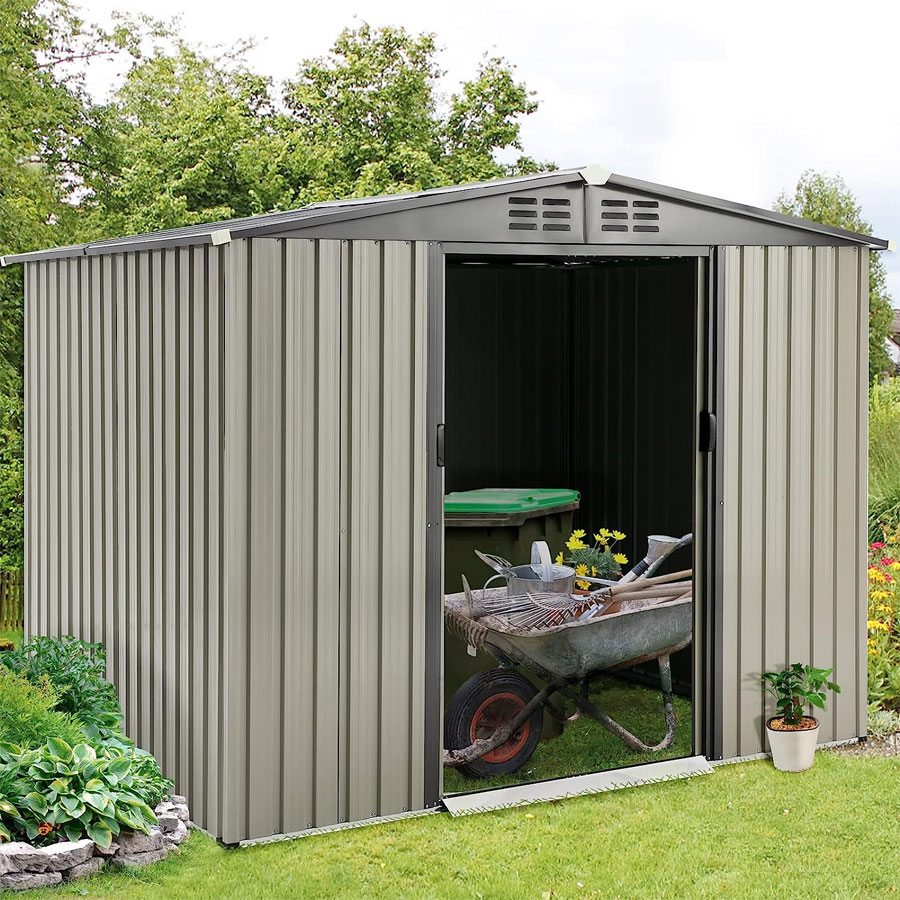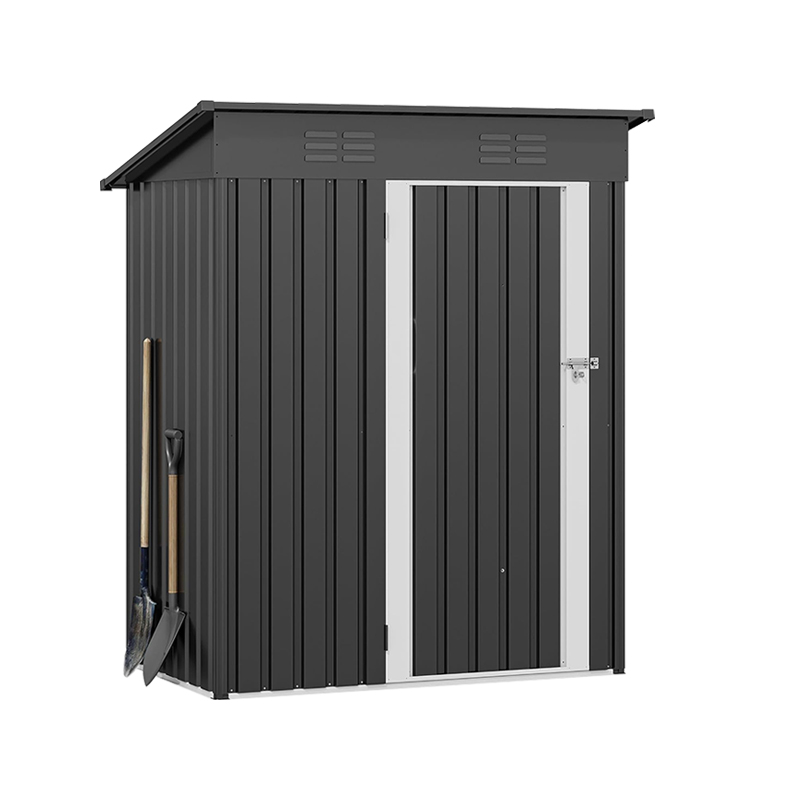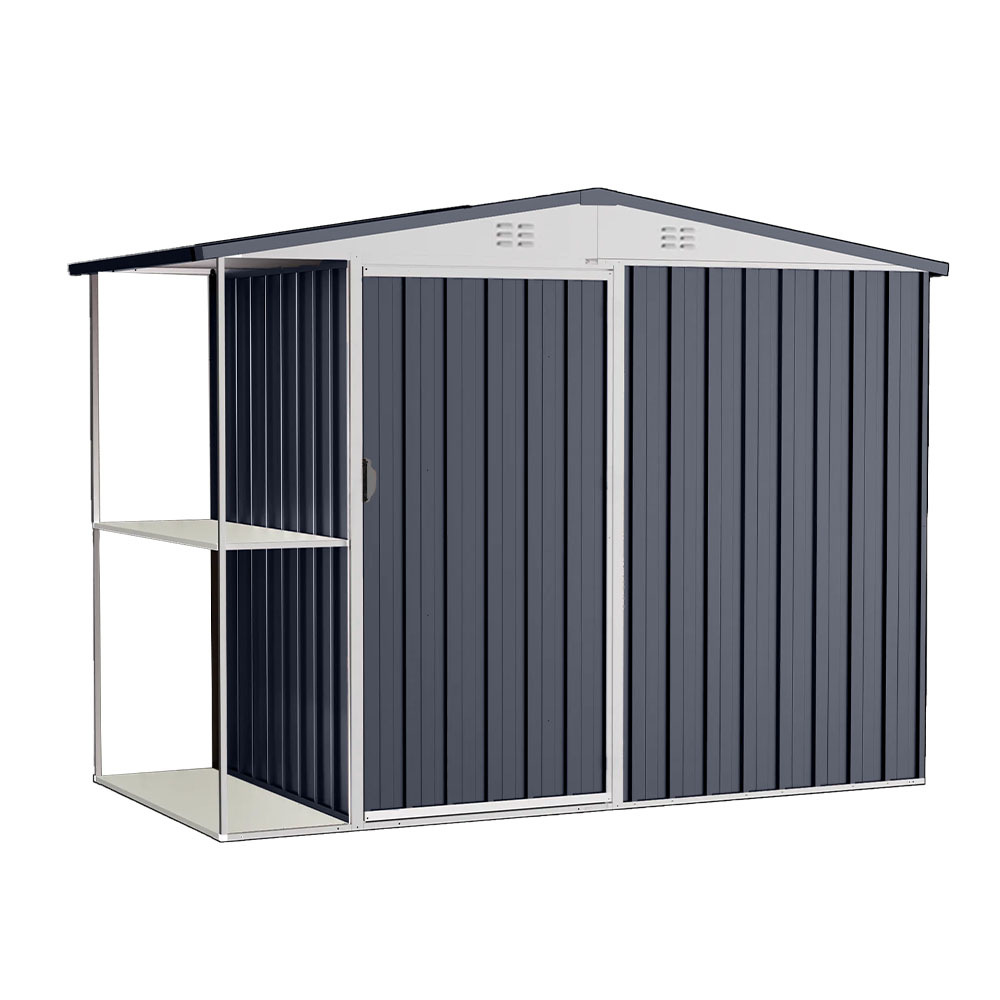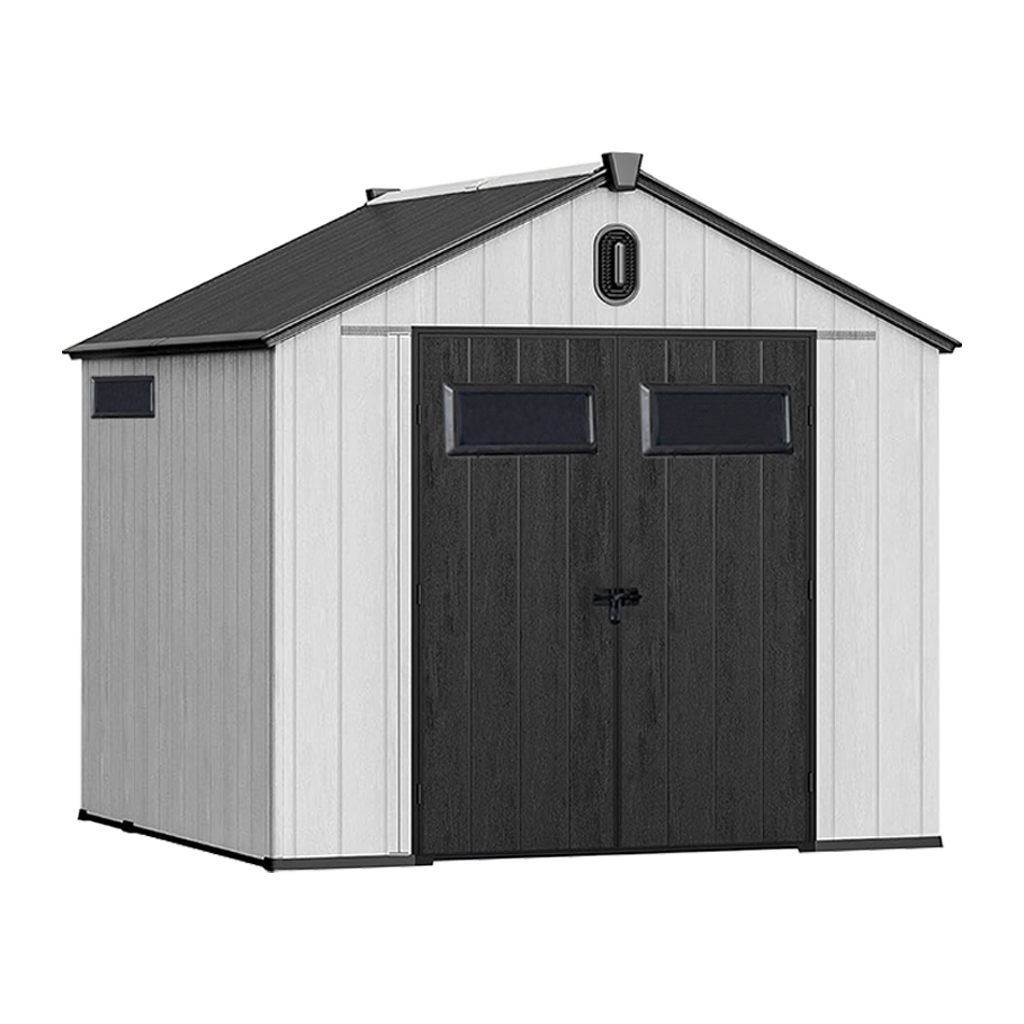
Garden Shed Metal Outdoor Shed Storage House Custom

Home / Products / Garden Storage Shed / Garden Shed Metal Outdoor Shed Storage House
  • str_replace('
  • str_replace('
  • str_replace('
  • str_replace('
  • str_replace('
Garden Shed Metal Outdoor Shed Storage House

Garden Shed Metal Outdoor Shed Storage House

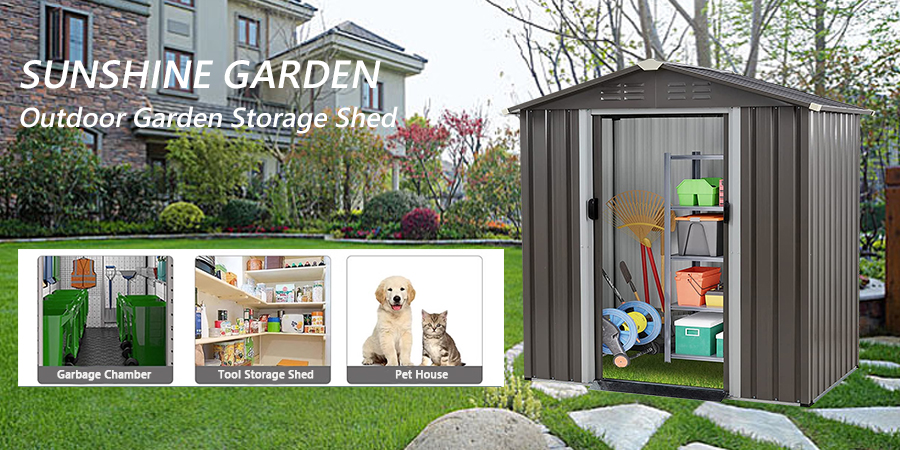
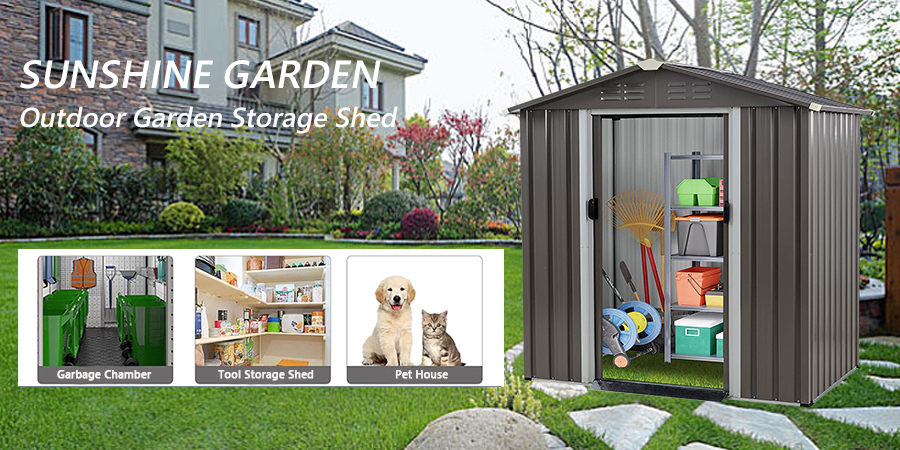
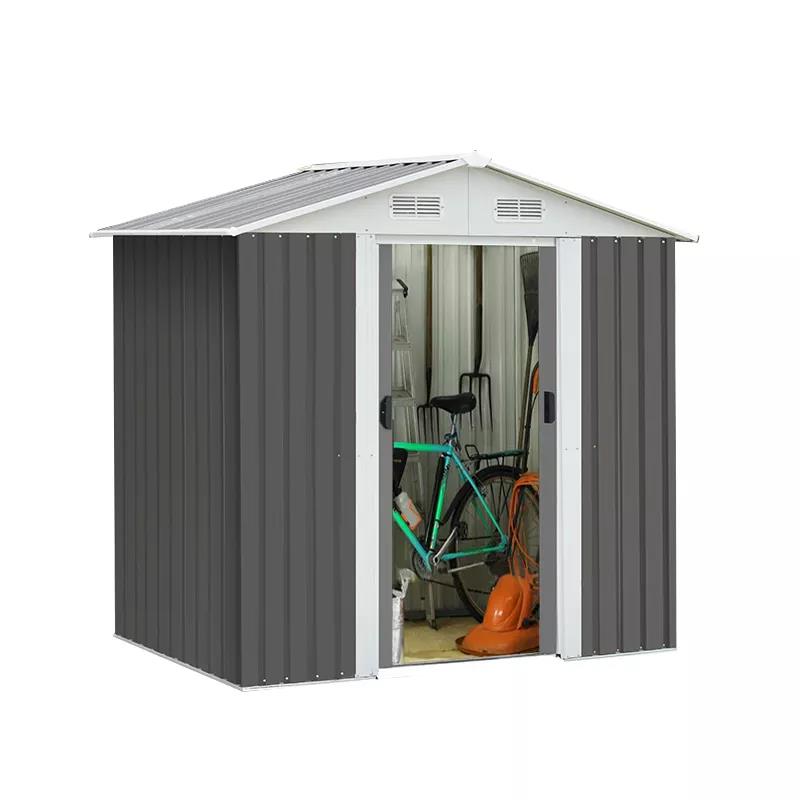
Sunshine Garden offers great, durable steel sheds to small footprint patio storage, we have a solution for your backyard storage needs.

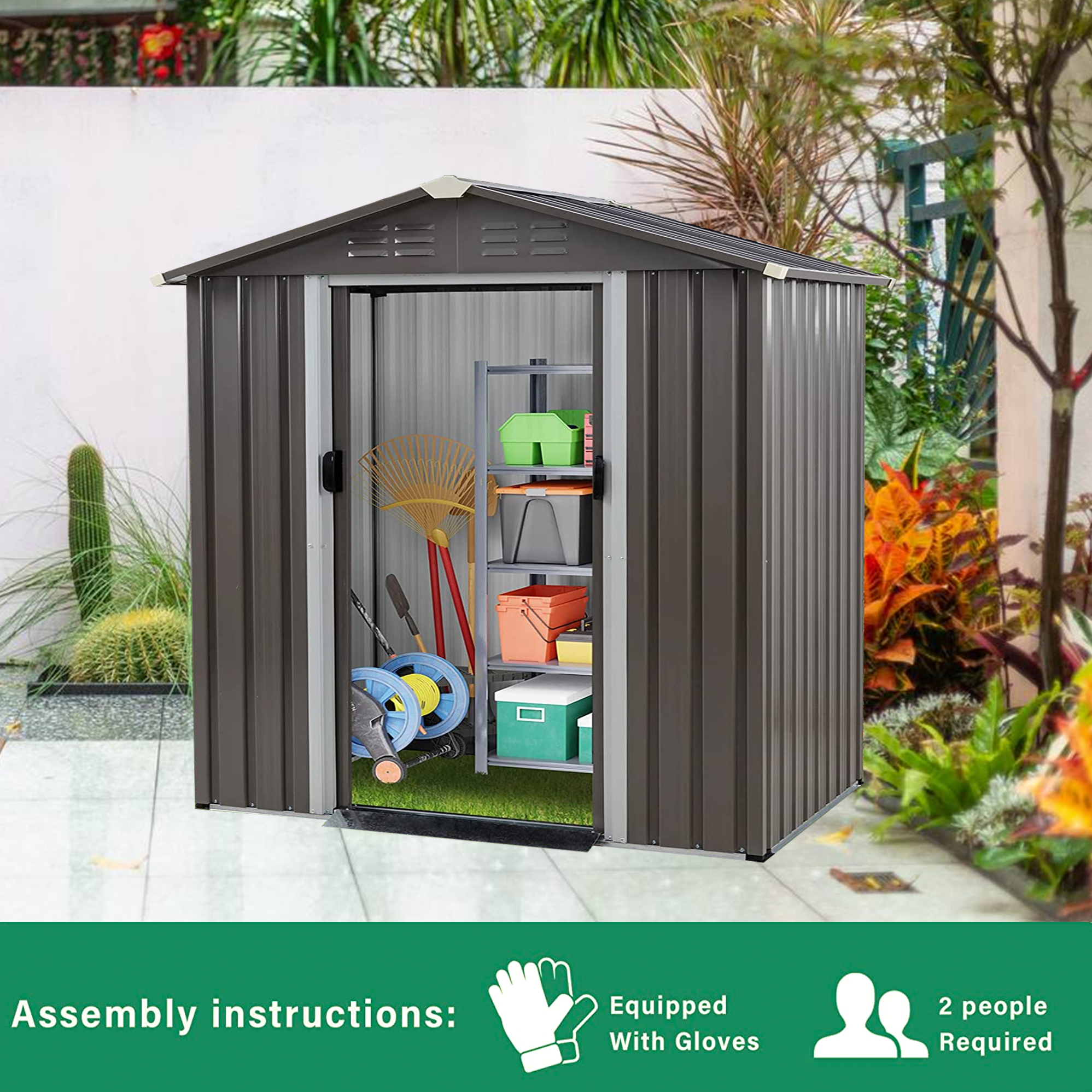
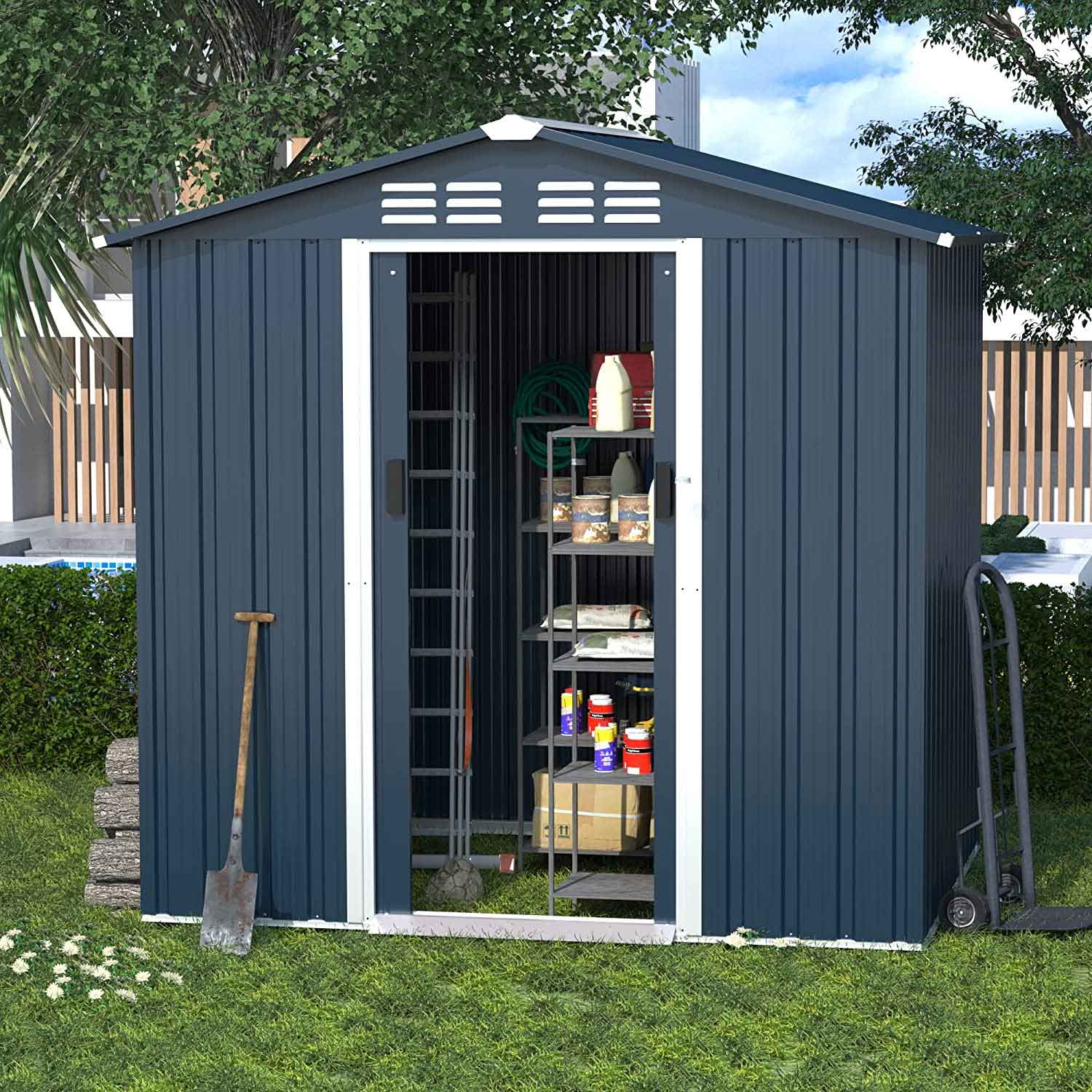
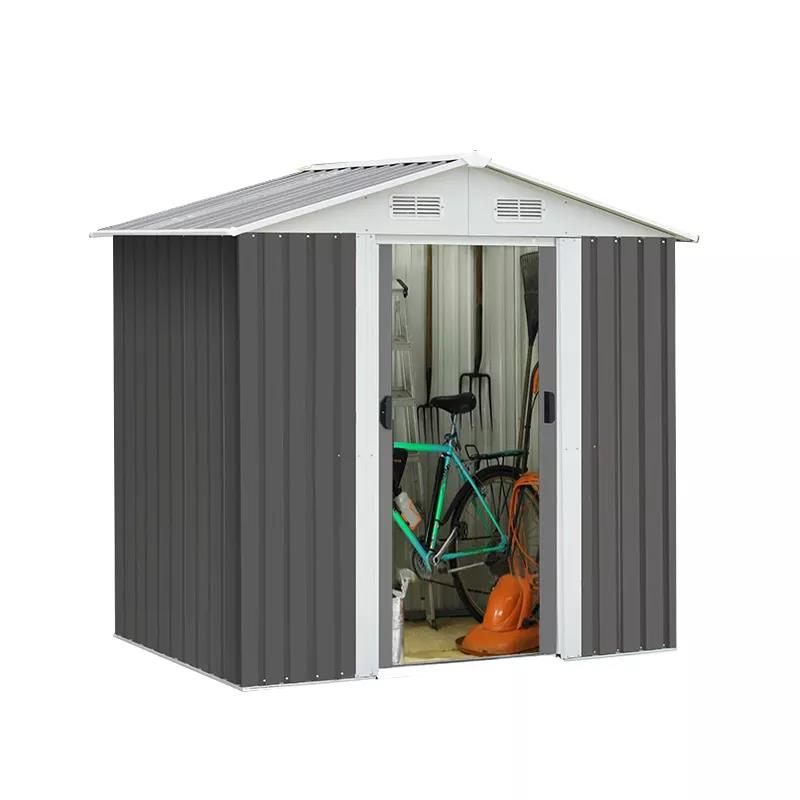
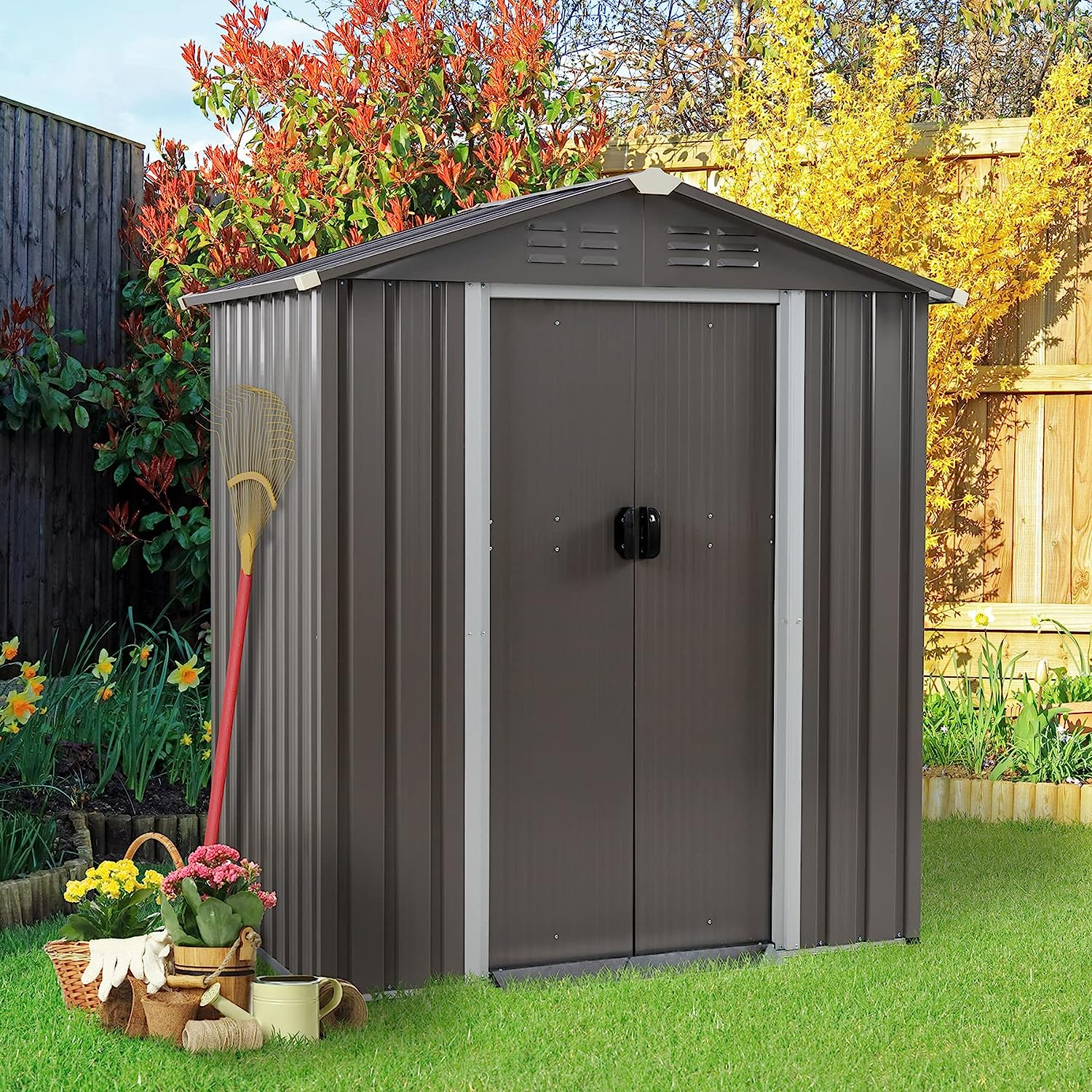
Our sturdy shed is 20% thicker than a traditional steel shed. Tall shed wall allows for easy storage of large items. Increased wall heights and entryways provide more room for easy entry and exit. And, 50% less hardware than the standard shed for 50% faster assembly. Simply snap panels in place and use the steel channels to bond the panels and walls of your shed together.

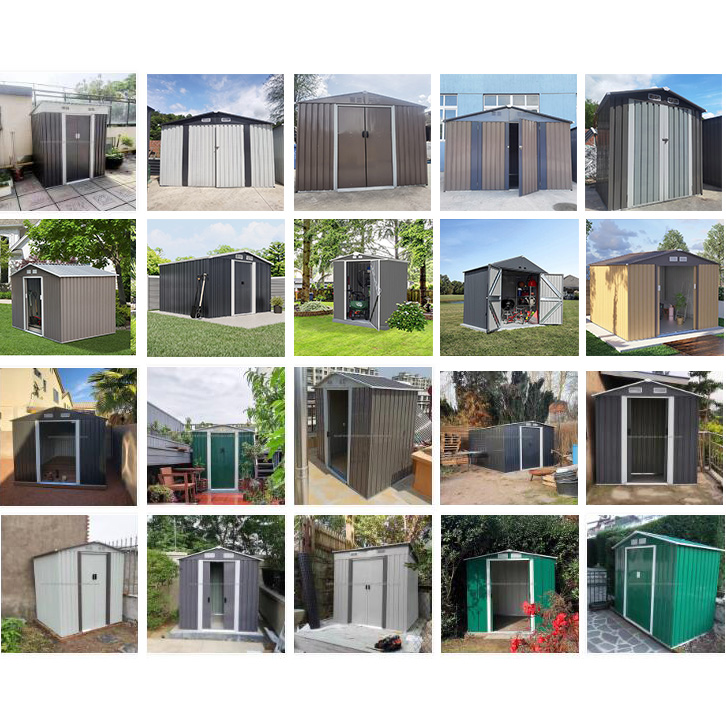
Size, color, style, logo can be customized.

Contact us

  • Details
  • leave a message

  • Galvanized Steel Sturdy Garden Metal Tool Sheds

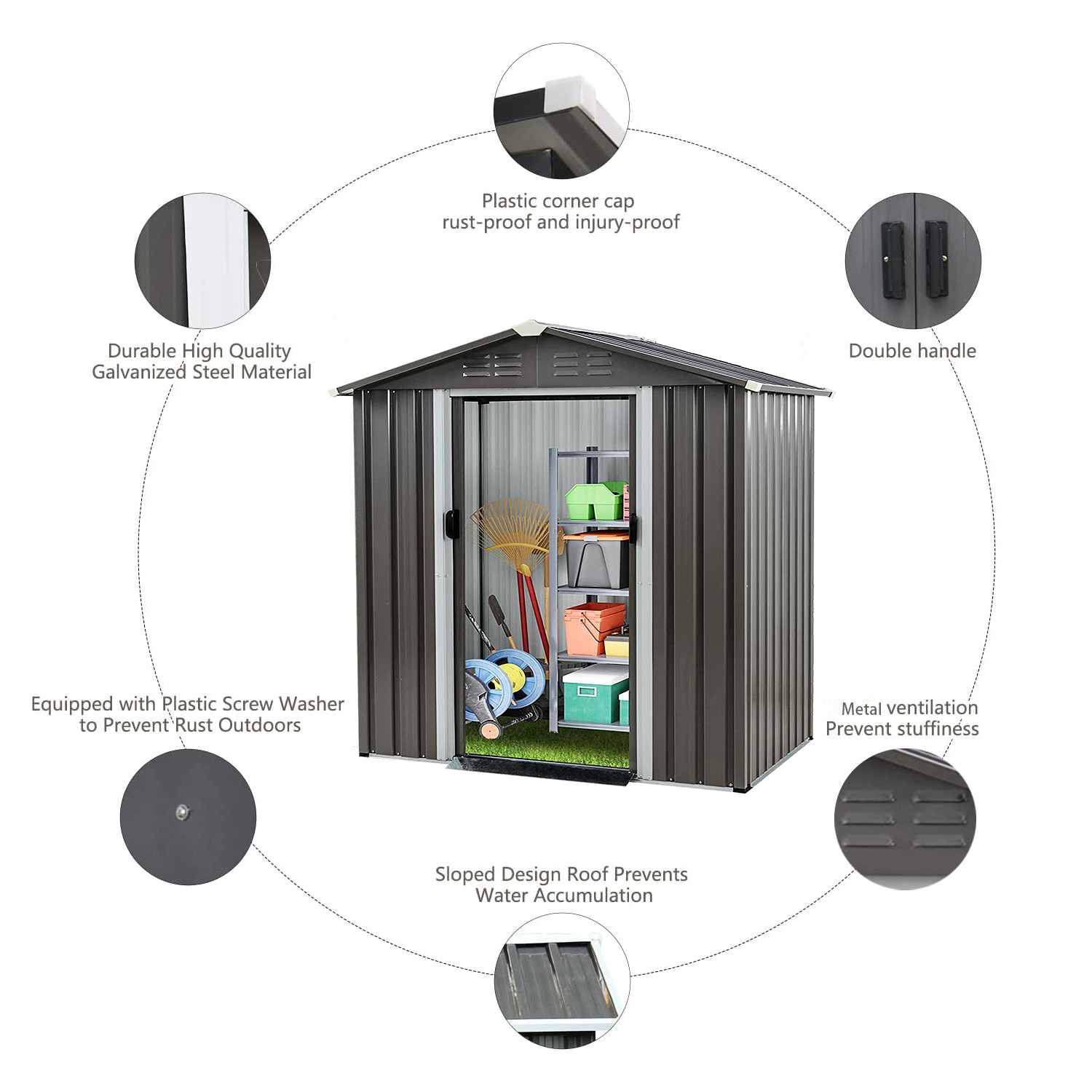
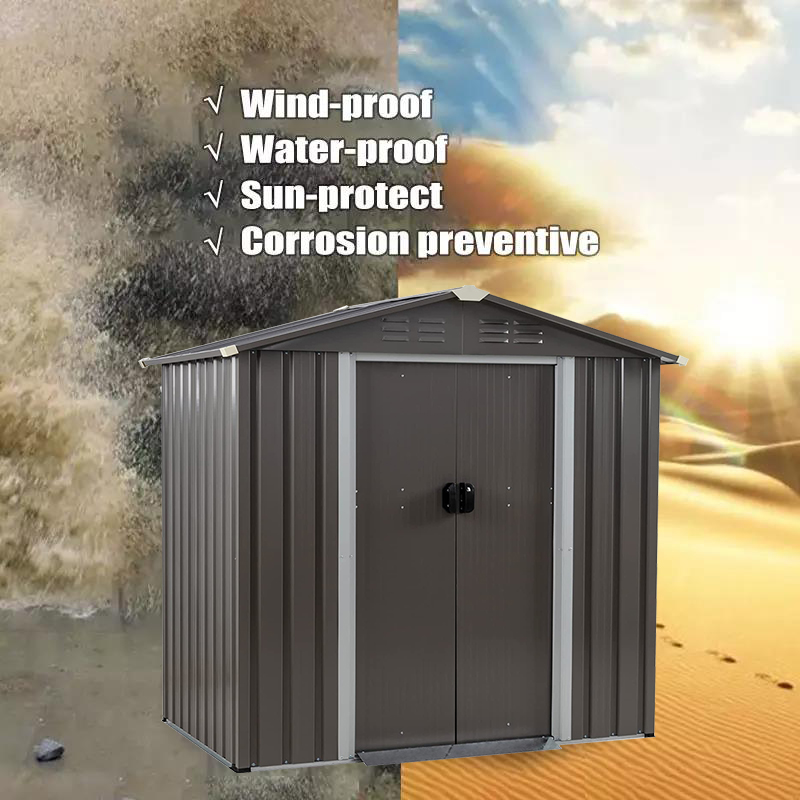
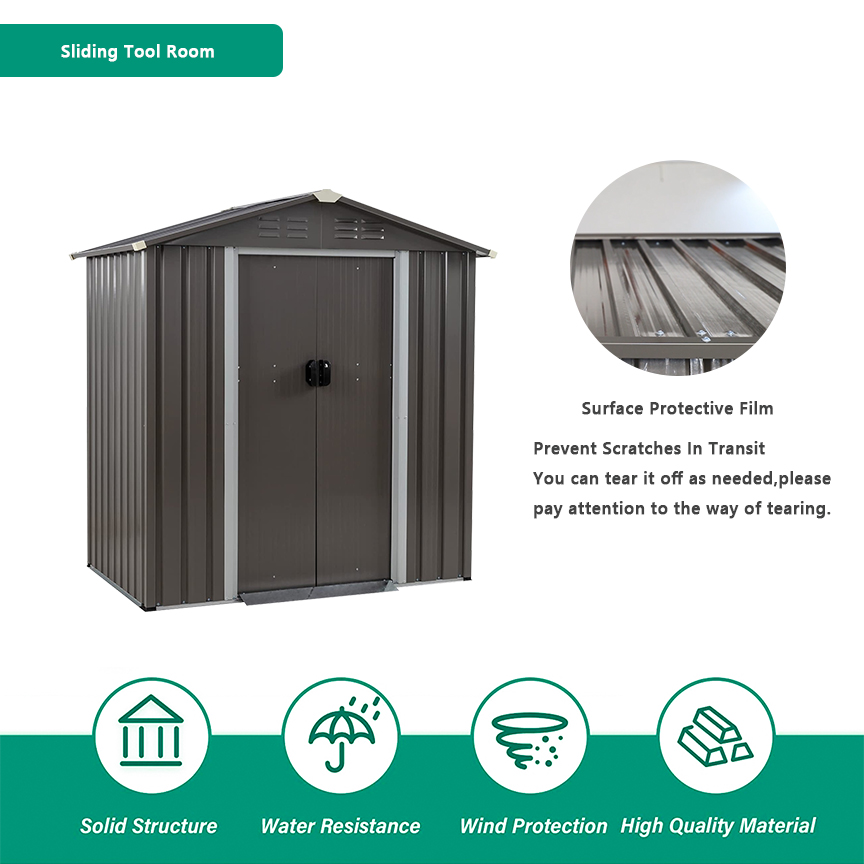
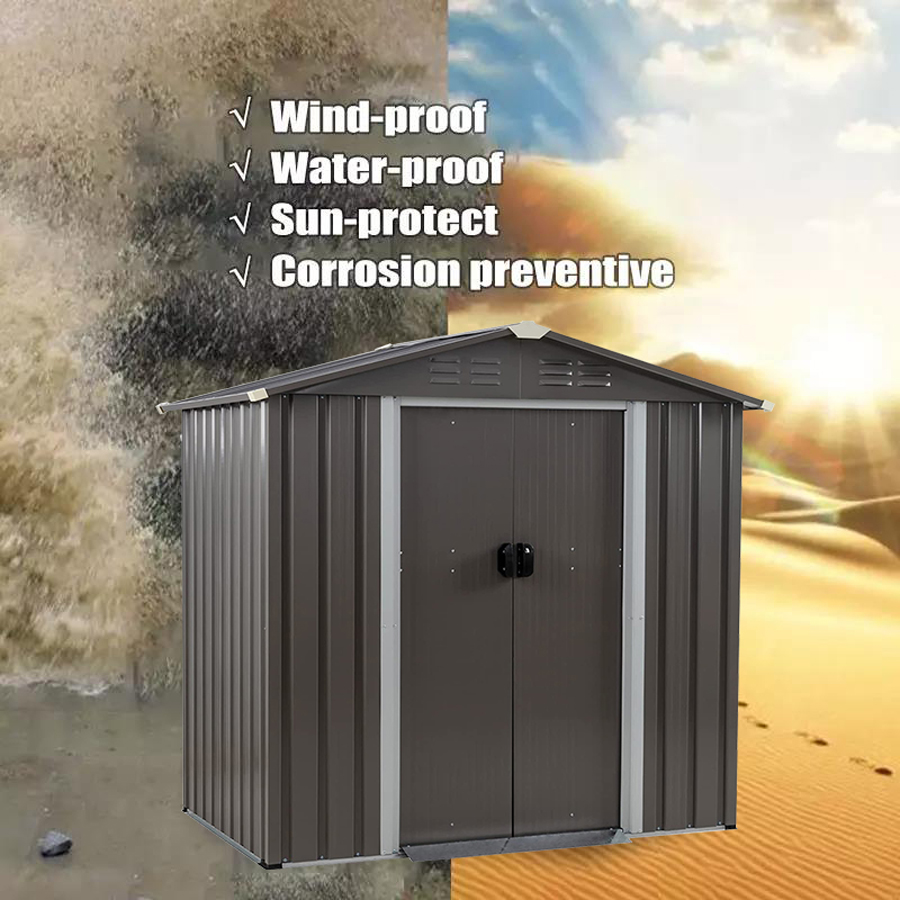
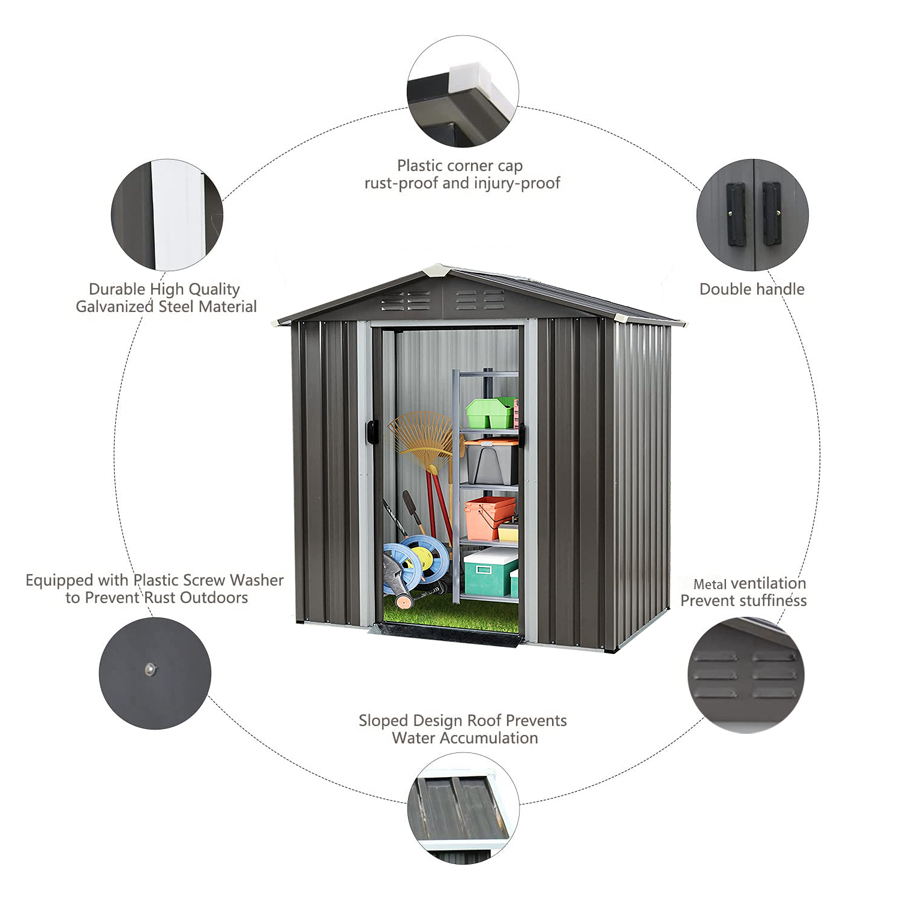
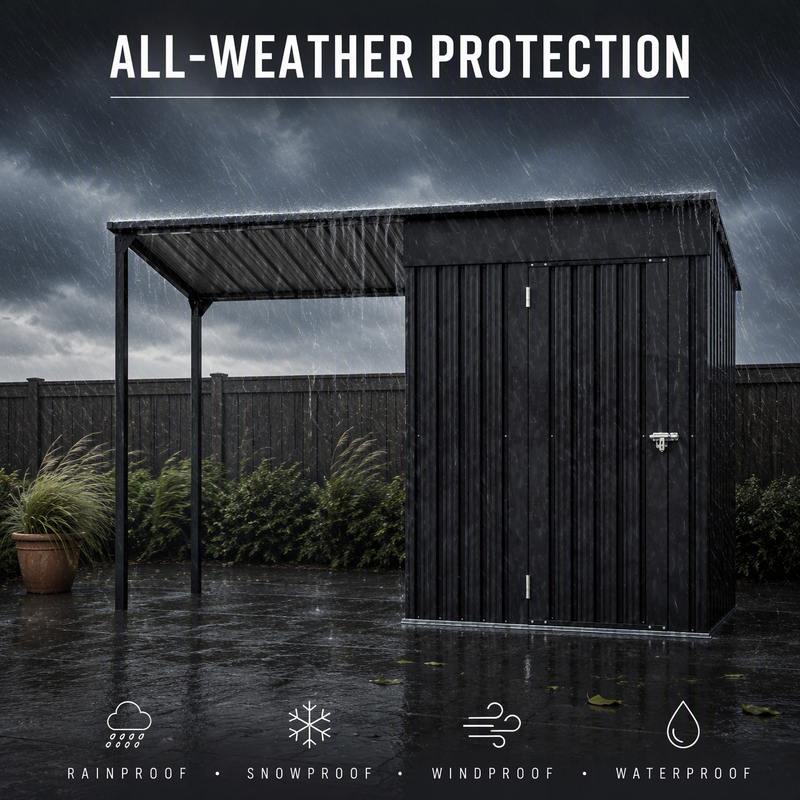
    Our sturdy tool sheds are made of galvanized steel to prevent moisture and resist bad weather for long-lasting use. Unlike wooden sheds, metal sheds are fire, insect, rot, and weather-resistant, making them a zero-maintenance shed option.

    Item Name
    Metal Garden shed, Backyard Tool Shed, Steel Storage Shed
    Roof Dimension
    196x142x184cm,Custom
    Bottom size
    182x130X184cm,Custom
    Door height
    157cm,Custom
    Total height
    184cm,Custom
    Color steel plate thickness
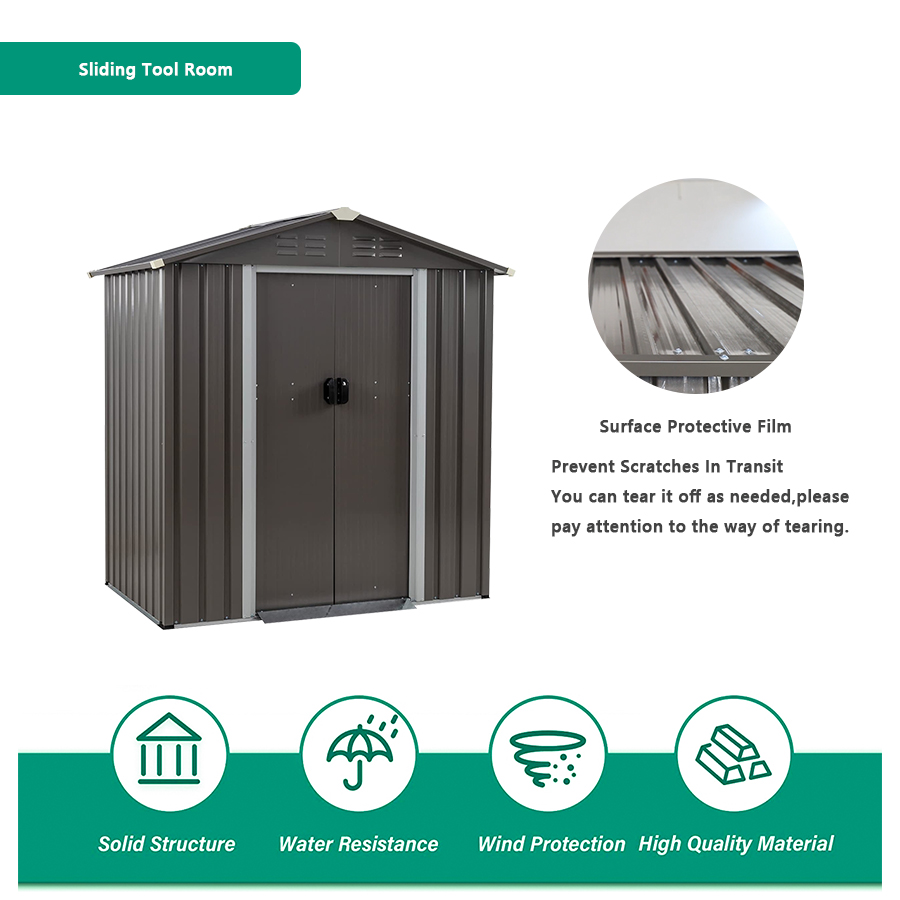
    0.25mm,surface with protective film
    Galvanized Iron plate thick fram
    0.5mm
    Plastic parts
    polypropylene
    Door
    2 sliding doors,Custom
    Ventilation Window
    4 windows,Custom

    Galvanized Steel Sturdy Garden Metal Tool Sheds

    Our sturdy tool sheds are made of galvanized steel to prevent moisture and resist bad weather for long-lasting use. Unlike wooden sheds, metal sheds are fire, insect, rot, and weather-resistant, making them a zero-maintenance shed option.


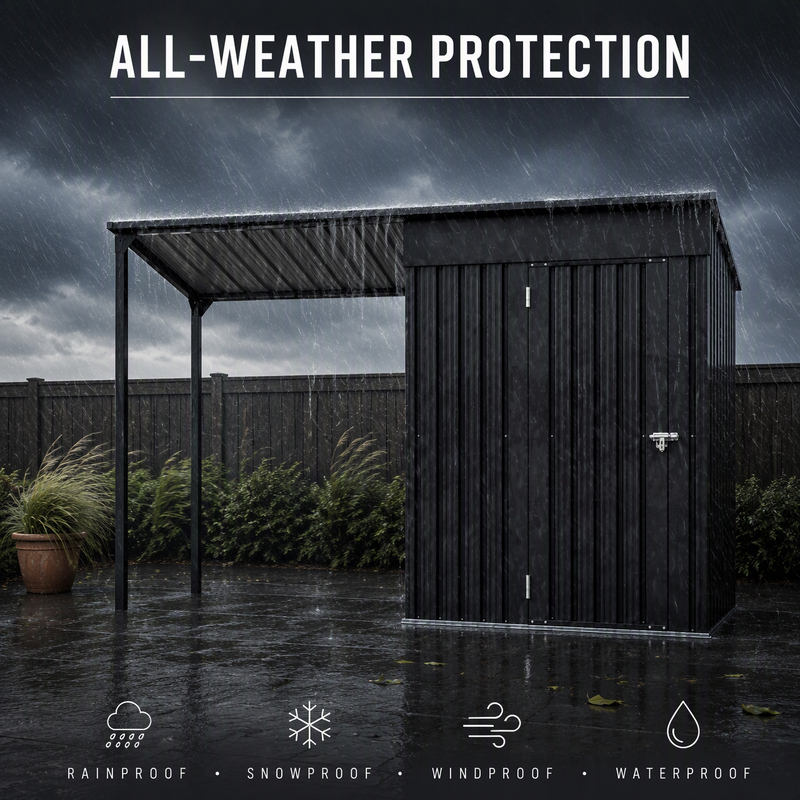
    UV-resistant, Water-resistant Modern Outdoor Storage Shed

    Painted surface that is rust and weather-resistant, and also it has UV-resistant function. The superimposed wall will prevent the penetration of rainwater better.


    Excellent designed to be more reliable

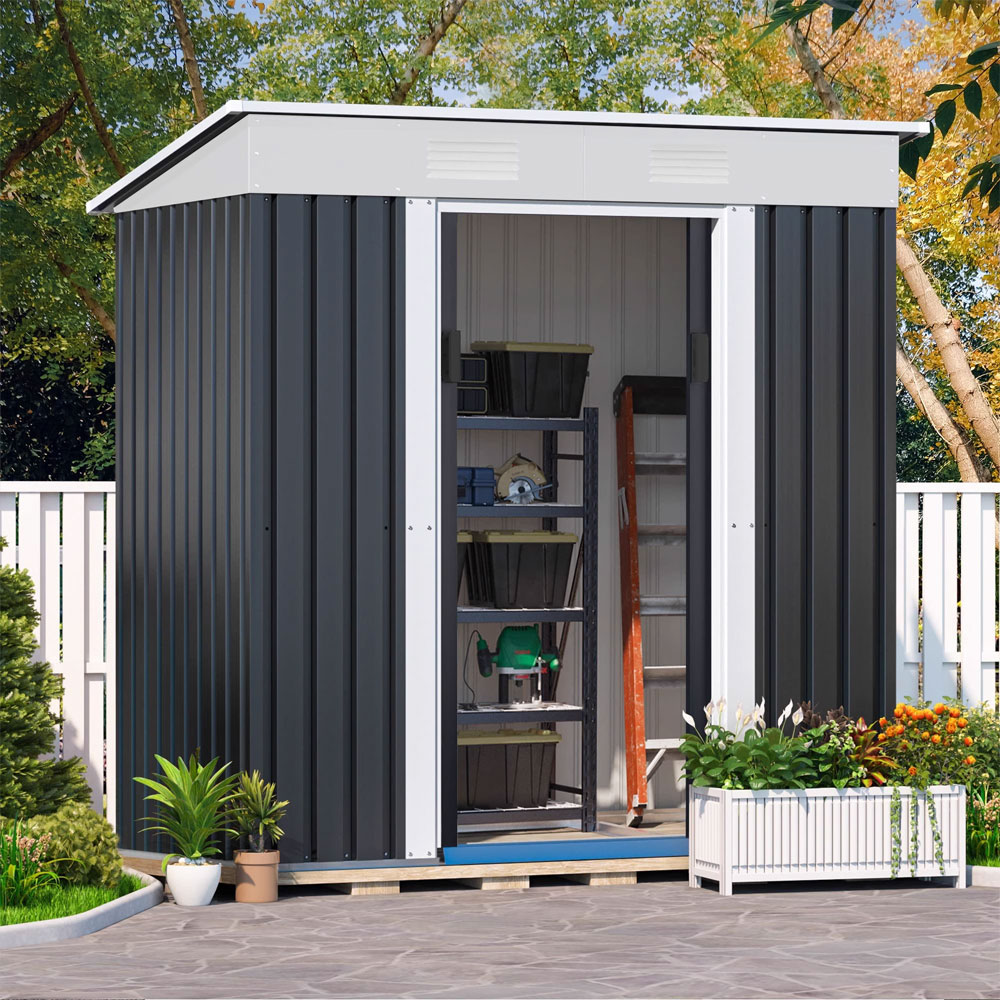
    We carefully designed a new tool shed house, including lockable door and sloped roof.The sloped roof can prevent water accumulation and greatly increase the drainage function of rainwater. The storage shed with a padlock design can better protect your items from loss.


    The Structure of Outdoor Storage Garden Metal Shed

    Simply snap panels in place and use the steel channels to bond the panels and walls of your shed together. This Garden Metal Shed will be a eye-catching accent decor in your beautiful garden or backyard.


    Assembly
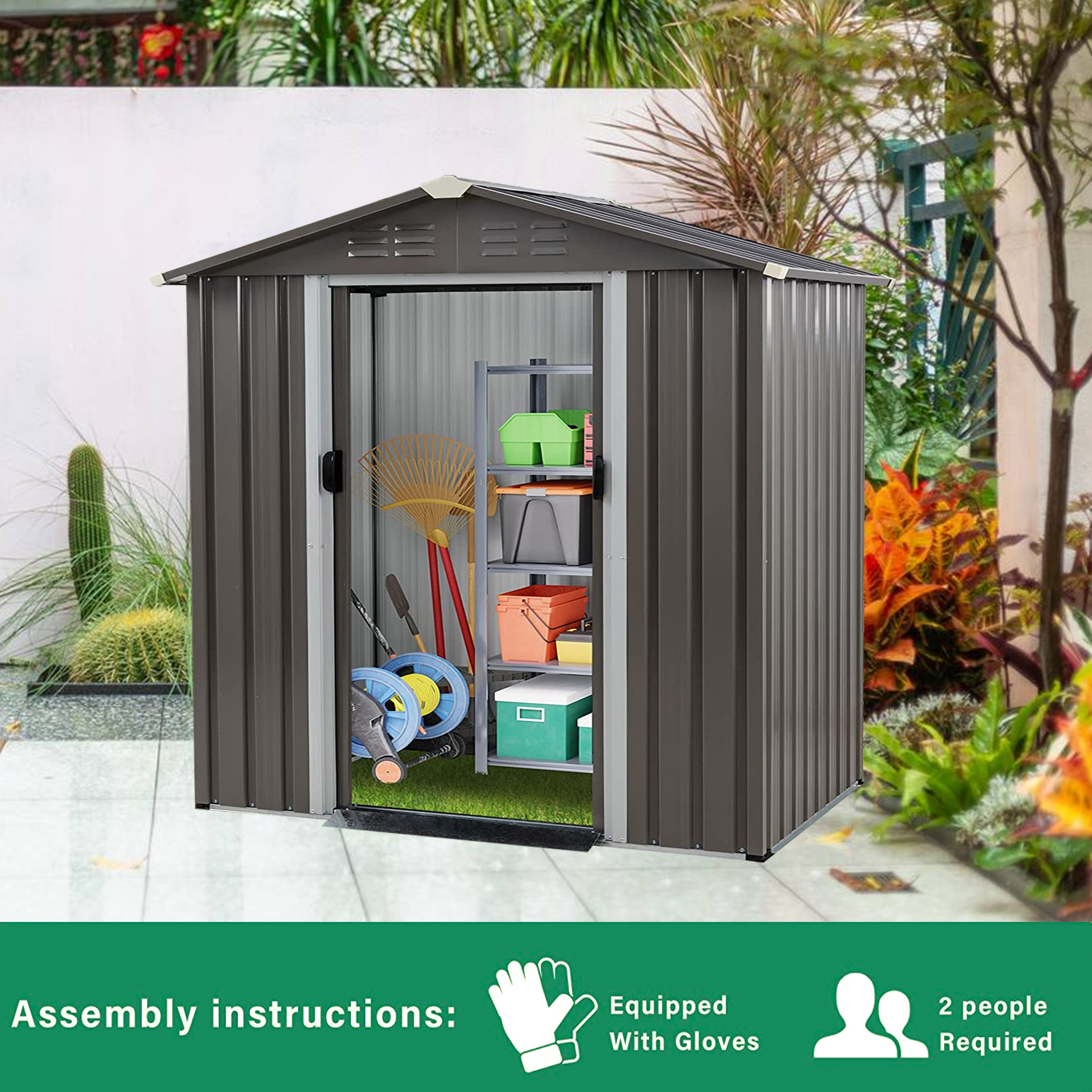
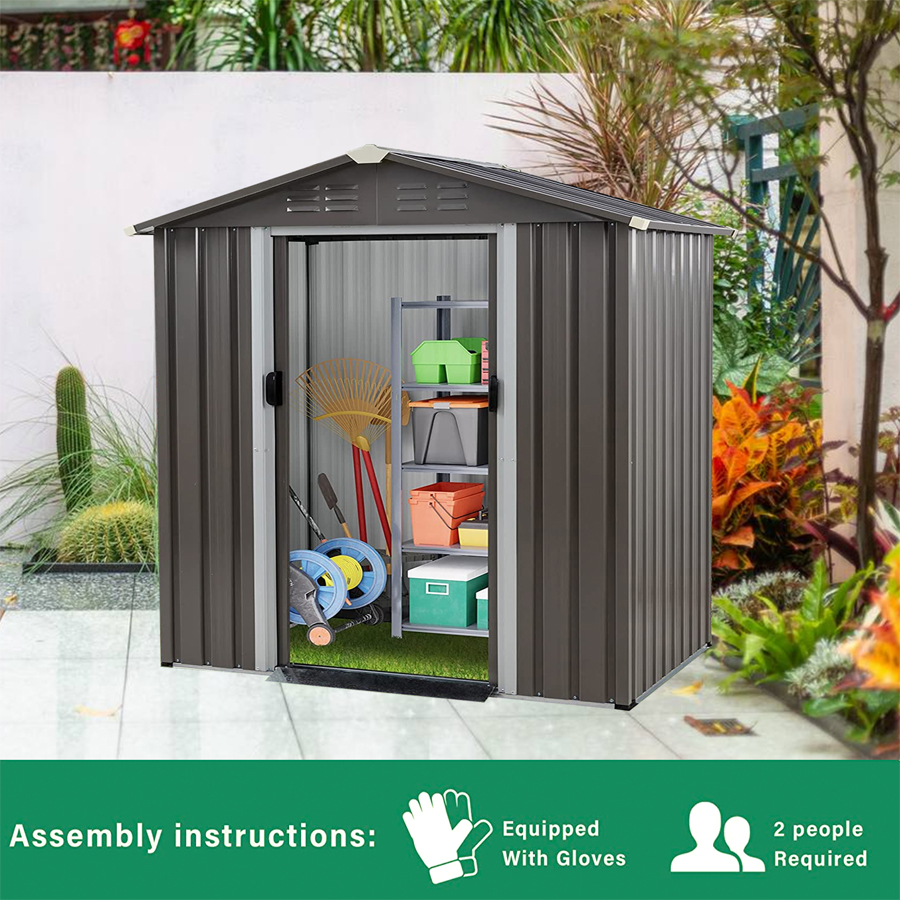
    Each part is labeled in detail, so you can follow the instructions to guide the installation steps. If you have any questions,please feel free to contact us. Sunshine Garden's professional team is always online.
     
    Hot Sizes of Garden Shed, Suitable for Various Needs

    Sunshine Garden provides a full range of metal shed standard sizes, and we accept customization. With over 12 years of experience in gardening industry, Sunshine Garden is very willing to provide you the garden metal shed products with planning and advice.


    SUNSHINE GARDEN
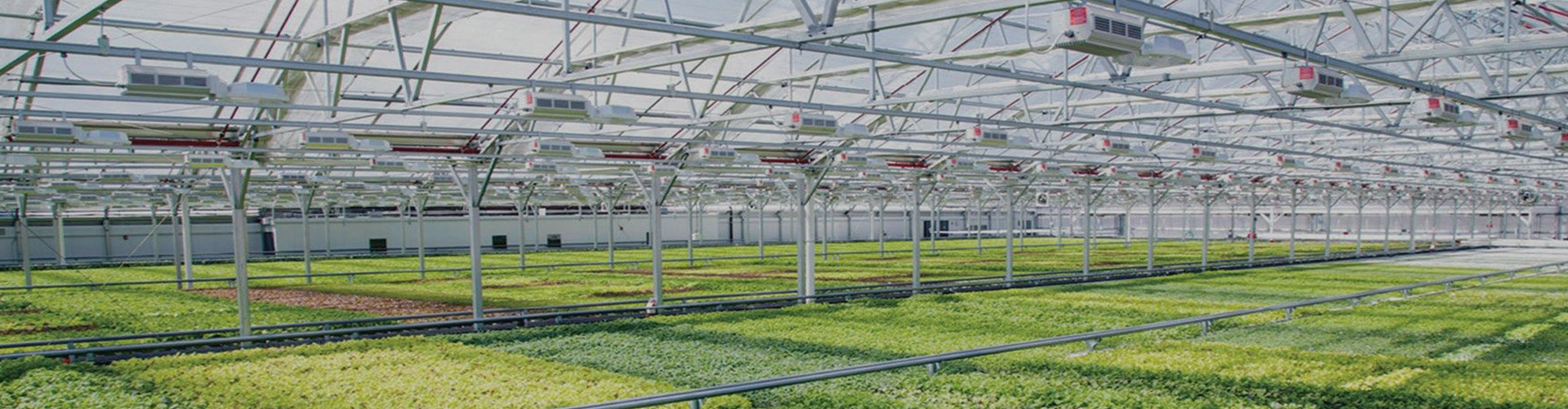
    is a One-stop Commercial Growing & Home Garden products and equipments manufacturer and supplier from China with 12 years experience.

    Please feel free to contact us if any questions.


    email contact us now
  • If you want to know us, please contact us!

    We always adheres to the quality policy of "Innovation is infinity, to keep improving",adhering to the enterprise tenet of "Veracity,Customer regarded supreme".

    • Company.
    • E-mail*.
    • Name*.
    • Phone.
    • Message*.
About Sunshine
Since 2011
SUNSHINE GARDEN is leading in manufacturing home garden and hydroponic grow equipment in China with 12 years OEM & ODM experience. We are famous Garden Shed Metal Outdoor Shed Storage House supplier and manufacturer in China. Our main products can be divided into two series, including Hydroponic Grow Equipmentslike Full completed grow tents and kits, Grow tables and trays, Grow bags, Seeding propagation, another series is Home Garden Products like Mini Greenhouses, Hanging planters, Garden waste bags and so on. Custom made Garden Shed Metal Outdoor Shed Storage House to help build your perfect garden and hydroponic grow system.
View More

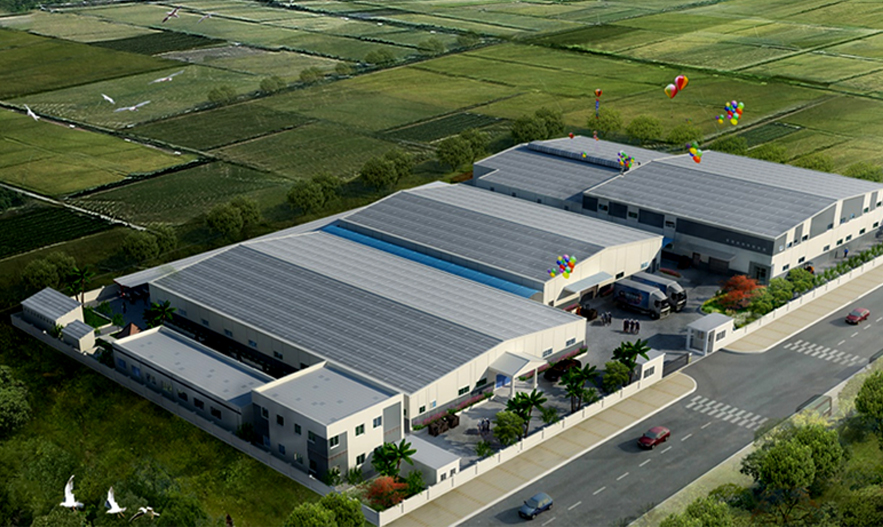
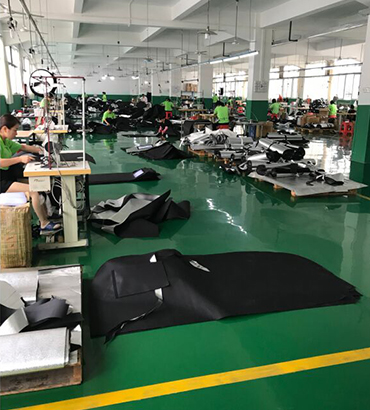
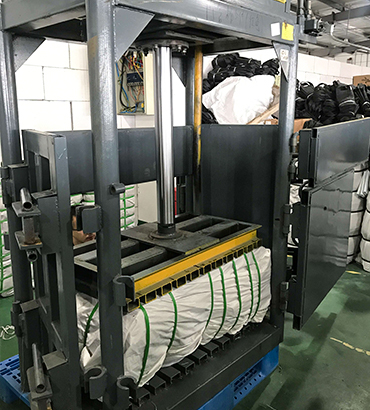
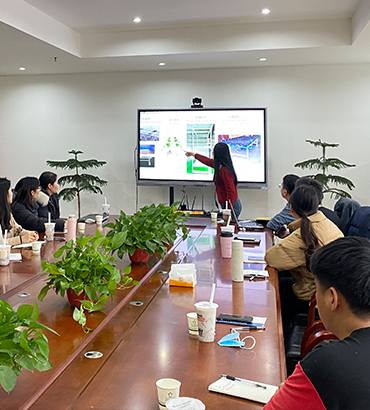
Factory Tour

Offers everything you need to build complete gardening and hydroponic systems.

News
Plastic Bench Tray vs Metal Bench Tray Comparison Guide
May 29.2026
Upgrading a greenhouse or nursery operation sounds straightforward until you get to the details. Tray selection alone can quietly affect how efficiently your growing space functions — drainage performance, load capacity, maintenance frequency, and long-term cost all hinge on a decision that often gets made without enough information. Whether you are fitting out a new facility or replacing aging equipment, the choice between plastic and metal matters more than it might appear. A Bench Tray is not just a surface to hold plants; it is a functional component of how your growing system performs day to day, season after season. What Is a Bench Tray and Why Does Material Matter? At its core, a Bench Tray is a flat or lipped surface that sits on greenhouse benching structures to support plant containers, propagation trays, or growing media. It manages drainage, contains irrigation runoff, and provides a stable platform for whatever is growing above it. Material determines nearly everything about how it performs in practice: How it handles constant moisture and fertilizer exposure How much weight it can support without warping or deforming How easy it is to clean between crop cycles How long it holds up before needing replacement Plastic and metal each have genuine strengths — and real limitations. The comparison below works through both, honestly. How Does Plastic Hold Up in a Greenhouse Environment? Plastic Bench Trays are produced from UV-stabilized polypropylene or similar polymer materials. That matters in greenhouse settings where sunlight, irrigation water, and chemical inputs are constant features of the environment. Corrosion is simply not a concern with plastic. Fertilizer salts, fungicides, water pH variation — none of these degrade plastic the way they affect uncoated metal over time. For growers operating in humid, chemically active growing environments, that resistance removes a maintenance variable that can otherwise become a recurring cost. Handling is another practical advantage. Plastic trays are light enough to reposition without extra labor, which suits operations that reconfigure bench layouts seasonally or move trays between growing zones. In mobile bench systems, weight reduction across hundreds of trays adds up to a meaningful difference in effort and equipment wear. Where plastic does have limitations: Structural load capacity is lower than metal — heavy container plants or dense growing media can cause flexing over time UV degradation is slowed but not eliminated; cheaper plastic formulations degrade faster under intense light Rigidity varies by thickness and design, so structural performance differs considerably between product grades What Gives Metal Bench Trays Their Durability Advantage? Metal trays — typically galvanized steel or aluminum — offer structural strength that plastic cannot match at equivalent thickness. For commercial greenhouse operations carrying heavy loads across wide bench spans, that structural rigidity is a genuine operational requirement, not a preference. Galvanized steel resists corrosion through a zinc coating, and hot-dip galvanizing provides more durable protection than simple painted or electro-galvanized finishes. Aluminum takes a different approach: it does not rust at all, making it well-suited for continuously wet environments without the coating maintenance that steel requires. Metal trays also hold their shape under sustained load. Where a plastic tray might develop a slight bow under heavy planters over months of use, a properly specified metal tray holds flat. In commercial settings where uniform bench height affects irrigation uniformity and worker ergonomics, that dimensional stability carries operational weight. The practical trade-offs: Heavier per unit, which affects handling logistics and bench frame load requirements Higher upfront cost compared to standard plastic options Damaged galvanizing creates rust points — cut edges or scratches need treatment in wet environments Less flexible in terms of custom configurations for unusual bench dimensions Does Greenhouse Humidity Affect the Two Materials Differently? This is one of the questions worth thinking through carefully, because the answer shifts depending on the specific materials and finishes involved. Plastic is entirely indifferent to humidity. No coating is required, no maintenance treatment extends its moisture resistance — the material itself is stable. Over years of wet-dry cycling, plastic trays do not corrode, pit, or delaminate. Cleaning involves little more than a pressure rinse between crop cycles. Metal requires more attention in persistently humid conditions. Even well-galvanized trays eventually experience coating wear, particularly at joints, cut edges, and areas where trays contact bench frames. Once the zinc layer is compromised, corrosion progresses. Regular inspection and spot treatment extend service life meaningfully — but they represent an ongoing maintenance commitment that plastic does not require. For operations in tropical climates, high-humidity growing facilities, or year-round irrigated environments, this difference in maintenance burden is worth factoring into total cost of ownership, not just purchase price. How Do Drainage Characteristics Compare? Drainage design is largely a product function rather than a strict material property — but material does influence what drainage configurations are practical to manufacture. Plastic trays are typically injection-molded or thermoformed, which allows for integrated drainage channels, sloped floor profiles, and precisely placed drainage holes without secondary operations. The flexibility of plastic forming means drainage geometry can be optimized into the tray design at relatively low production cost. Metal trays achieve drainage through perforated bases, open-mesh designs, or fabricated channel profiles. These work well, but the forming process is less flexible than plastic molding for complex drainage geometries. On the other hand, expanded metal or mesh metal trays provide essentially unrestricted drainage and airflow beneath plants — an advantage in applications where root zone air circulation matters. Neither material is inherently better at drainage. It depends on: Tray design and whether drainage is integrated into the profile Whether standing water is a concern or whether free drainage is the priority Irrigation method and how much runoff volume the tray needs to handle Side-by-Side Comparison: Plastic vs Metal Feature Plastic Bench Tray Metal Bench Tray Weight Light, easy to handle Heavier, requires more handling effort Corrosion resistance Inherent, no coating needed Depends on galvanizing or alloy type Load capacity Moderate, varies by grade High, suitable for heavy containers Maintenance requirement Low — rinse clean between cycles Moderate — inspect and treat coating wear Lifespan in wet conditions Long with UV-stabilized materials Long with quality galvanizing and care Drainage flexibility High — complex profiles possible Good — mesh and perforated options available Upfront cost Generally lower Generally higher Long-term cost Low maintenance offsets initial price Durability offsets higher starting cost Mobility and reconfiguration Easy More labor-intensive Structural rigidity Moderate High Reading across that comparison, neither option is categorically stronger. Each performs better in specific conditions — and the conditions that matter are defined by your operation, not by generic rankings. Which Growing Operations Suit Plastic Trays Better? Plastic trays fit naturally into operations that prioritize handling ease, corrosion resistance, and flexibility. Specific scenarios where they tend to perform well: Propagation and seedling nurseries where trays are moved frequently and loads are light Mobile bench systems where tray weight contributes to system mobility Hydroponics and high-irrigation environments where constant moisture makes corrosion-free materials preferable Smaller or seasonal operations where lower upfront cost and easy replacement make sense Operations with varied or irregular bench layouts where tray dimensions change between growing seasons When Does Metal Make More Sense? Metal trays suit operations where structural load, long bench spans, and heavy-use commercial environments are the operating reality. Situations that favor metal: Commercial cut flower or potted plant production where containers are heavy and bench loading is continuous Large-scale greenhouse facilities with fixed bench configurations and professional maintenance programs Operations in temperate climates where humidity levels are more moderate and coating longevity is extended Long-term infrastructure investment where initial cost is weighed against service life over many years Facilities with existing metal bench frame systems where tray compatibility and structural matching matter Is Long-Term Cost the Right Way to Frame the Decision? It often is — though the calculation is more nuanced than comparing sticker prices. Plastic trays cost less upfront. Replacement cycles vary by UV exposure and load conditions, but plastic does not require the ongoing inspection and maintenance that metal needs to preserve coating integrity. Over time, in humid or chemically active growing environments, those maintenance savings can offset the lower structural performance. Metal trays cost more upfront. In operations that load trays heavily and run continuous year-round production, the structural durability means fewer replacements and more predictable performance over the facility's lifespan. Maintenance is real but manageable, and quality galvanized metal in well-maintained facilities lasts considerably longer than standard plastic in comparable service. The honest answer is that long-term cost depends on how hard the trays are worked and how well they are maintained — not just what material they are made from. What Should You Actually Consider Before Buying? Before finalizing a tray specification, it is worth running through a few practical questions: What is the average load per tray in your growing setup? How humid is the environment, and how much direct irrigation do trays receive? How frequently are trays moved, reconfigured, or removed for cleaning? What is the expected service life of your bench system overall? What is the realistic maintenance budget and labor availability? Are you purchasing for a single facility or across multiple sites? Those answers will point more reliably toward the right material than any generalized comparison. Making the Choice That Fits Your Operation There is no single answer to which tray material is better — only answers that fit specific operations better than others. Plastic performs well where handling ease, moisture resistance, and lower upfront investment matter. Metal earns its place where structural load, long bench spans, and heavy-duty commercial use are the daily reality. The growing environment, the load demands, the maintenance program, and the long-term facility plan all feed into a decision that has real operational consequences either way. For growers who want guidance matched to their specific greenhouse or nursery setup, Taizhou Sunshine Garden Products Co., Ltd. offers Bench Tray solutions across both material types, with the product knowledge and application experience to help procurement teams make selections that hold up over time. If you are evaluating options for a new facility or an upgrade to existing infrastructure, reaching out with your project details is a practical starting point.
How to Regulate Temperature in a Large Plastic Shed During Summer?
May 25.2026
Large plastic sheds are a fantastic investment for workshops, garden centers, or inventory storage. They are durable, waterproof, and insect-resistant. But when summer hits, those same plastic walls that protect against rain can turn your shed into a solar oven. If you are a retailer or distributor, your customers will inevitably ask: “How do I keep this from getting unbearably hot?” The good news is that temperature regulation is not only possible—it’s easy when the shed is designed correctly. Below is the definitive guide to cooling a large plastic shed, followed by the wholesale advantages our factory offers to make “hot shed” complaints a thing of the past. 5 Proven Ways to Cool a Large Plastic Shed 1. Maximize Passive Ventilation Hot air rises. If that air has nowhere to go, it stays trapped. The DIY Fix: Install roof turbines or solar-powered vents. The Smarter Approach: Look for sheds with high-eave louvers and ridge vents. Even better: floor-level intake vents combined with roof-level exhaust vents create a natural “chimney effect” that pulls cool air through constantly. 2. Use Reflective Coatings or Radiant Barriers Dark plastic absorbs heat. White or light-colored plastic reflects it. The DIY Fix: Paint the roof with white elastomeric roof coating (reduces surface temperature by 20–30°F). The Better Fix: Choose a shed made with UV-reflective resin that has built-in heat deflection properties. No painting. No maintenance. 3. Create Shade from the Outside Pro Tip: Install a simple shade sail or lattice 12 inches above the shed roof. The air gap stops radiant heat from transferring into the plastic. Factory Advantage: Some premium sheds include universal awning tracks pre-molded into the roof ridge. 4. Manage the Floor and Thermal Mass A dark, thin plastic floor heats up fast. A raised floor with thermal break stays cooler. The Fix: Place concrete pavers or water barrels inside. They absorb heat during the day and release it at night, stabilizing swings. The Better Fix: A shed floor designed with raised ribs and a double-wall air gap—insulation built right into the plastic. 5. Install Battery-Operated Circulation Fans Quick Win: Two small USB fans (one blowing in, one blowing out) can exchange air rapidly. Wholesale Note: For serious storage (e.g., inventory or electronics), recommend a solar-powered intake/exhaust kit. A large plastic shed doesn’t have to be a sweatbox. With proper ventilation, reflective materials, and smart floor design, it can be comfortable enough for a workshop or safe enough for temperature-sensitive inventory. Don’t sell your customers an oven with a door. Sell them a cool, breathable storage solution. Our factory is ready to supply you with summer-ready plastic sheds in wholesale quantities—any container size, any port.
How Bench Trays Help Manage Greenhouse Water Flow
May 22.2026
Greenhouse operators run into watering that ends up patchy and throws plant development off balance in bigger spaces. Some spots stay too wet while others dry out faster than expected. Drainage headaches build up and quietly eat away at the daily schedule. Bench Tray setups step forward as a solid way to bring order to water on those raised surfaces. Structured Surfaces Guide Water Movement Surfaces laid out with paths help liquid travel with some direction rather than wandering everywhere. Moisture hits the containers in ways that feel steadier overall. You pick up the ability to track things without standing over the area constantly. The change becomes clear when you switch from plain flat areas where water gathers in surprise spots. Channeled approaches reshape how the space deals with moisture round after round. Sometimes a small tilt adjustment makes the whole pattern feel more natural during damp stretches. How Do Water Collection Features Work in Practice? Trays hold what the plants do not take in after each watering pass. Grooves near the sides draw the extra away from the pots. That keeps buildup from hanging around and causing extra headaches. Then the flow heads to outlets and loops back into the system when it makes sense. Operators often say they like not chasing loose drops manually anymore. It brings a quiet reliability to busy stretches. On the flip side, every layout has its own personality. A slight angle tweak can ease drainage when humidity climbs. Understanding Ebb and Flow Mechanisms Solution rises from below in planned windows to spread across the base. Containers take what they need through that upward draw. After the set time, levels drop and leave room for roots to get air. Timers hold the rhythm steady for groups of benches. One grower told me how this eased the constant guessing in seedling zones. Cycles run with less back and forth than hand watering ever delivered. Yet matching the timing to growth stages still needs watching. Younger plants react differently than older ones sitting nearby. What Benefits Come From Recirculation Systems? Sending the solution around the loop means fewer fresh additions through the weeks. Nutrients stick around longer instead of heading out. Tweaks follow what shows in checks or plant signals. Crew shifts attention toward watching health instead of pouring time into watering. The routine falls into a dependable groove with other tasks. You catch yourself adjusting pump times as seasons move along. Key Design Elements That Support Efficiency Profiles stay fairly low so they fit various container shapes without hassle. Surfaces wipe clean fast between groups. Gentle slopes push for full emptying each time. Links join return routes that head to holding areas. Materials cope with usual greenhouse conditions without much fuss. Sections connect up to cover benches of different lengths. Irrigation Distribution Patterns Moisture often travels upward from the base in these arrangements. Roots tend to reach deeper because of it. Levels hold fairly even from one side to the next. Imagine how overhead spraying can miss corners or drench some areas heavy. The switch shows up later in more even leaf growth. Can These Systems Adapt to Different Crop Types? Seedlings handle lighter flooding without much disturbance to tender roots. Bigger pots take the volume without spilling over. Hydroponic lines fit right into the tray layout. Nursery rows manage mixed varieties placed close together. Commercial areas stretch the pattern to match daily needs. Layouts shift naturally as demands change through the year. Steps for Setting Up a Basic Water Management Cycle Position containers with space between them. Link supply lines to entry points. Program fill intervals. Route drainage to storage tanks. Check slopes for complete release. Watch solution behavior as plants develop. Going through these steps builds a feel for the system. Notes from each round help shape the next one. Comparing Tray Features Side by Side Feature Function in Water Management Typical Application Drainage Channels Direct excess liquid toward outlets Prevents standing water Inlet Connections Allow solution entry during flood phase Supports uniform coverage Sloped Base Ensures complete draining Reduces residue buildup Edge Containment Holds solution during cycles Controls water within defined area Modular Sections Enable custom bench lengths Fits various greenhouse layouts Each part works together into a bigger picture. Nutrient Consistency Across Plants Even delivery gives plants similar shares during the cycles. Growth gaps shrink when supply stays level. Patterns start to feel more predictable week by week. In mixed plantings the effect stands out especially. Varieties side by side advance without one pulling ahead suddenly. What Role Does Automation Play? Sensors catch fill levels and kick pumps into action on schedule. Lines carry solution through cleaning before return. Alerts point out anything off track. Daily checks lighten up. Teams handle only the exceptions. Flow continues even during longer quiet periods. Maintenance Considerations for Long-Term Use Path inspections keep movement open. Rinses clear particles now and then. Surface cleaning stops layers from slowing things. Components replace when wear shows up. Attention here keeps action steady across crop turns. Routines blend in after a while. Scaling for Larger Operations Trays connect through shared pipes for several zones. Central tanks feed groups with separate controls. Adjustments target chosen areas. Output grows without equal labor jumps. Water stays inside the boundaries. Zone handling manages different batches. Addressing Common Water Management Challenges Older benches collect in low spots and leave dry patches. Open floors let liquid escape. Manual watering creates timing gaps between rows. Trays pull everything onto one managed level. Flow follows set courses more than luck. Conditions gain steadiness across the space. Integration With Existing Greenhouse Layouts Units sit on frames already there. Rolling styles open access from narrow aisles. Fixed forms fill steady structures. Pipes follow current supports. Tanks position near circulation points. Elements work for new builds or updates. Monitoring and Adjustment Practices Return volumes get periodic looks. Cycle lengths shift with plant needs. Concentrations adjust from visible signs. Records form background for later choices. Small changes add up. The setup grows with the schedule. Why Controlled Flow Matters for Production Liquid on planned routes reaches targets more directly. Remainders return instead of disappearing. Plants face fewer swings between dry and wet. Exploring Tray Depth Variations Lower profiles suit compact containers and quicker rounds. Greater depths handle bigger fills. Selection lines up with crop needs. How Drainage Timing Affects Results Shorter drains keep moisture nearby longer. Extended ones open air space. Growers weigh them against plant habits. System Expansion Options Extra units attach as needs grow. Pumps and tanks match the reach. Controls add viewing options. Connected style supports gradual buildup. Full replacement stays off during growth. Plant Health Observations Steady moisture keeps root activity even. Foliage fills with less difference. Crop quality gains from fewer swings. Practical Considerations for Daily Operation Connections get quick views before cycles. Checks confirm drainage. Pattern shifts prompt fixes. Tasks weave into greenhouse habits. Familiarity grows. Action stays familiar. Water Resource Management in Controlled Environments Closed loops limit unused loss. Recovered liquid passes treatment. Methods fit careful production. Adapting Cycles to Seasonal Changes Shorter rounds fit active growth. Longer gaps suit cooler times. Adjustments follow natural shifts. Component Compatibility Trays pair with pump varieties. Sensors place at points. Links reach surrounding controls. Bench trays lay down support for water patterns touching many greenhouse sides. They shape flow in irrigation, gather leftovers, and open practical reuse. Growers fold them into wider setups weighing handling against plant demands in changing conditions. Guiding liquid along set ways brings steadier rounds and meets real daily pressures. Collection during use and enabling return respond to actual management needs. Taizhou Sunshine Garden Products Co., Ltd. supplies options suited for different scales of operation and welcomes inquiries about tailoring solutions to specific greenhouse layouts.

Recommended Products

Galvanized Steel Backyard Tool Shed

Galvanized Steel Backyard Tool Shed

Sunshine Garden offers great, durable steel sheds to small footprint patio storage, we have a soluti...

Back Yard Metal Storage Shed

Back Yard Metal Storage Shed

Sunshine Garden offers great, durable steel sheds to small footprint patio storage, we have a soluti...

Metal Garden Shed

Metal Garden Shed

Sunshine Garden offers great, durable steel sheds to small footprint patio storage, we have a soluti...

Garden Shed Metal Outdoor Shed Storage House

Garden Shed Metal Outdoor Shed Storage House

Sunshine Garden offers great, durable steel sheds to small footprint patio storage, we have a soluti...

Tool Shed Metal Sheds Storage Outdoor House

Tool Shed Metal Sheds Storage Outdoor House

【6' x 4' large storage shed】72" L x 51"W x 73"H for outdoor shed, with a door size of 32"L x 60"H. T...

Backyard Storage Metal Garden Shed

Backyard Storage Metal Garden Shed

Heavy Duty Tool Sheds Storage House   Sunshine Garden offers great, durable steel sheds to small foo...

6X4FT Metal Garden Shed

6X4FT Metal Garden Shed

The metal shed can be used as storage for your garden and backyard, which can better store your tool...

8x6Ft Outdoor Storage Tool Shed

8x6Ft Outdoor Storage Tool Shed

Metal Garden Shed for Yard Roof Dimension 247x183x185cm Bottom size 235x170x185cm Door heig...

Multifunctional Storage Shed

Multifunctional Storage Shed

Special Features: This water-resistant garden shed integrates functional designs for easy use; Slope...

Fireplace Logs Holder

Fireplace Logs Holder

Firewood Rack A firewood rack is a specialized storage structure designed to organize and store f...

Garden Storage Shed with Rack

Garden Storage Shed with Rack

Garden Storage with Rack A garden storage shed with a rack is a fantastic way to organize your to...

Waterproof Plastic Resin Garden Sheds

Waterproof Plastic Resin Garden Sheds

Factory Wholesale Heavy Duty Waterproof Plastic Resin Small Outdoor Garden Storage Shed SUNSHINE GAR...