
Indoor growing takes more than a good space and the right lighting. Plants also need air that moves, heat that can escape and moisture that can be managed. Inside an enclosed growing area, these conditions can shift fast. Without enough airflow, the space can turn hot, damp or stuffy.
A custom grow tent gives plants an enclosed place to grow indoors. Its structure, fabric, openings and internal layout all shape how air travels through it. Ventilation is therefore a core part of grow tent design. It affects the internal environment and decides how easily users can control growing conditions.
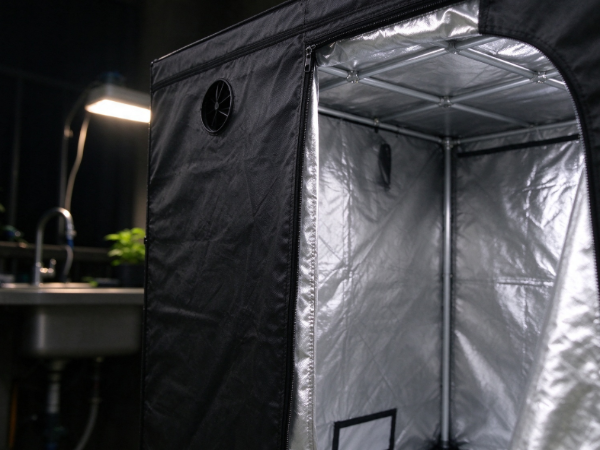
For manufacturers, ventilation isn't just a matter of cutting a few holes in the fabric. The positions of air inlets, exhaust ports, fan openings and other accessories have to fit the overall structure. A well-planned design also has to consider installation, maintenance and compatibility with different ventilation equipment.
Indoor growing needs are getting more varied, and custom tents are expected to suit different room layouts, plant arrangements and environmental control methods. Understanding what ventilation does helps manufacturers build products that are practical, adaptable and right for their intended use.
Ventilation keeps air moving inside an enclosed growing space. When air sits still for long periods, heat and moisture build up. That makes conditions uncomfortable for plants and harder for users to manage.
Plants interact with the surrounding air throughout their growth. They take in carbon dioxide and give off moisture through natural processes. In an enclosed space, the air has to be refreshed so these processes can happen in a suitable environment.
Heat management is another reason. Lighting, electrical devices and other accessories generate heat while running. If warm air can't escape, the internal temperature climbs. That can affect plant development and make the space harder to manage.
Moisture control depends on good airflow too. Watering, plant growth and evaporation raise humidity inside a tent. When moist air stays trapped, condensation can form on internal surfaces, and excess moisture can encourage unwanted mold.
Ventilation swaps internal air with air from the surrounding room. It helps clear out built-up heat and moisture and supports a more consistent growing environment.
So a custom grow tent should account for ventilation from the very start. Adding openings after the main structure is done can limit placement, size or equipment compatibility. Early planning makes it easier to fit airflow needs into the fabric panels, frame and internal layout.
A grow tent ventilation system generally does two jobs: bringing fresh air in and pushing used or warm air out. The two have to work together to keep air moving continuously.
Air inlets are the entry points for fresh air. They're often placed low on the tent, since cooler air tends to come in from the surrounding room. The exact position depends on the tent design, nearby equipment and the intended airflow arrangement.
Exhaust openings let warm or humid air leave. They usually sit higher, because warm air rises. That arrangement helps air travel through the growing space.
The relationship between the two matters. If inlet and exhaust positions are poorly planned, air may run straight from one opening to the other without reaching the whole interior. Some sections then get little airflow.
A practical design looks at how air moves around plants, shelves, lights and other equipment. The goal is circulation across the whole growing area, not airflow in just one corner.
Manufacturers also need to consider whether users will rely on natural air movement or install mechanical ventilation. A simple tent may use basic openings, while a more customized product may include several ports for fans, ducts or air filters.
Openings should be easy to reach and compatible with the equipment they serve. Their placement should also stay clear of doors, viewing panels and other functional areas.
In an indoor growing environment, temperature and humidity are closely linked. A change in one can influence the other. Ventilation lets users manage both by letting internal air move and exchange with the surroundings.
Heat builds up when equipment runs inside an enclosed tent. Lighting is a common source, but other electrical devices contribute too. With limited airflow, warm air can stay trapped in the upper section or around equipment.
An exhaust system helps remove some of that heat. Fresh air entering through the inlet replaces what's been removed. This exchange reduces heat buildup and keeps the internal environment more manageable.
Humidity is a different challenge. Watering and plant activity release moisture into the air. When it can't escape, humidity rises, and condensation can form on tent walls, accessories or other cool surfaces.
Ventilation carries moist air out of the enclosure. Airflow alone doesn't guarantee suitable humidity, though. The surrounding room, watering habits, plant density and other factors also play a part.
Grow tent design should make it possible to connect suitable ventilation equipment without leaving needless gaps. Poorly fitted openings can allow uncontrolled air movement and weaken the user's control over the environment.
Manufacturers should also consider how the tent fabric responds to internal and external conditions. The material has to stand up to regular use while keeping its shape. A suitable structure holds ventilation openings in their planned positions and prevents trouble during equipment installation.
Port placement affects how easily users can install equipment and manage airflow. It should follow the complete tent layout, not just the look of the outer structure.
Lighting location is one factor. Lights often occupy the upper part of a grow tent, so exhaust ports should let warm air leave without getting in the way of the equipment. The design should also leave room for connecting ducts and other accessories.
Inlet position matters as well. Inlets should let fresh air in without being blocked by plant containers, shelves or other objects. Put an inlet too close to an obstruction and it can't do its job.
Manufacturers should think about how users will route ventilation accessories. A port that's hard to reach makes installation and adjustment a nuisance, especially when the tent sits in a narrow room or against a wall.
Several design details deserve attention:
A well-planned port layout makes a grow tent easier to use. It also helps manufacturers offer a product that handles different equipment setups without major changes to the main structure.
The fabric and structural materials in a grow tent affect how well the enclosure supports ventilation. The ventilation system moves the air, but the tent itself has to hold a suitable shape and give reliable connections for the equipment.
Grow tent fabrics are often chosen for how well they enclose the space and manage internal light. Surface characteristics, flexibility and construction all affect performance in regular use.
The fabric should handle repeated opening, closing and equipment installation. Ventilation ports may get used often, so the surrounding material must resist handling damage. Reinforced edges and secure stitching help preserve the structure around these openings.
The frame plays a role too. It supports the fabric and keeps the enclosure in its intended shape. If the frame becomes unstable, the fabric may sag or pull around the ports, making it harder to connect equipment or keep openings where they were planned.
Port covers and closures matter as well. They let users control openings that aren't in use. A practical closure should be easy to operate and fit snugly against the surrounding fabric.
Some designs also include internal reflective surfaces. They help manage light inside the enclosure, but they shouldn't block ventilation openings or interfere with equipment placement.
Material selection should consider the whole operating environment. Manufacturers need to balance flexibility, durability, light control and ease of assembly. A material that works well in one area may need extra reinforcement or design changes in another.
Indoor growing spaces differ in their ventilation needs. A small tent for a few plants may need only a simple setup. A larger enclosure with several pieces of equipment may need a more developed airflow system.
That's one reason grow tents are useful. Openings, internal layout and structural details can be adjusted to match different equipment requirements. Instead of making users work around a fixed design, customization can supply suitable connection points for the intended ventilation setup.
Some users prefer a basic exhaust fan connected to an external duct. Others need room for extra circulation fans or filtration equipment. The tent should be designed so these accessories can be installed without blocking access or putting needless strain on the fabric.
Air filters may also be part of the arrangement. When filtration is needed, the design should account for where the filter goes and how it connects to the exhaust system. The frame and fabric must support the equipment without excessive sagging.
The table below outlines common ventilation components and their roles:
| Ventilation Component | Main Function | Design Consideration |
|---|---|---|
| Air inlet | Allows fresh air to enter | Position and opening access |
| Exhaust fan | Removes internal air | Suitable port placement and equipment support |
| Circulation fan | Moves air within the tent | Internal clearance and mounting options |
| Duct connection | Directs air between equipment and openings | Port compatibility and secure fitting |
| Air filter | Helps treat air passing through the system | Installation space and connection access |
| Port cover | Closes unused openings | Easy operation and suitable fit |
Not every grow tent needs all of these components. The right arrangement depends on the growing environment, equipment choices and user preferences.
Manufacturers should discuss these requirements with customers before developing a custom product. Knowing the intended ventilation equipment helps decide the number and location of openings, the reinforcement needed and the internal space available.
Ventilation problems can come from equipment choices, poor layout or limits in the tent structure. Some only show up after the tent is installed and in use. Thinking about them at the design stage saves customers trouble.
One common issue is insufficient air exchange. Without suitable inlet and exhaust openings, warm or humid air stays inside. The ventilation system may also struggle if nearby objects block the openings.
Poor airflow distribution is another. Air may rush through one area while other sections stay nearly still. That can happen when inlet and exhaust ports sit too close together or when internal equipment blocks the airflow route.
Loose connections hurt ventilation too. If a duct doesn't fit securely into a port, air leaks around the joint. That weakens control over airflow and causes unwanted air movement around the tent.
Weak port reinforcement is a further concern. Repeated installation and removal of equipment stresses the surrounding fabric. Without proper support, the opening can stretch or tear over time.
Noise and vibration can appear when ventilation equipment isn't mounted securely. A fan hanging loose from the frame may move while running. The design should provide suitable support wherever equipment mounting is part of the intended use.
Common problems and their possible design responses include:
Evaluate a grow tent as a complete enclosure. Ventilation components, fabric panels, frame connections and access points all influence how the product performs in use.
Better ventilation design starts with understanding the customer's real application. Manufacturers shouldn't assume every tent needs the same airflow arrangement. The growing space, equipment, plant layout and surrounding room all affect design decisions.
Customer communication is therefore a key part of product development. Manufacturers can ask about the intended tent location, ventilation equipment, number of openings required and any limits on installation space. These details point toward a practical design.
Product drawings and sample reviews also help catch problems. Before production, designers can check whether ventilation ports conflict with frame connections, doors, lighting positions or internal accessories. That review can head off later modifications.
The link between fabric and port components needs particular care. Reinforcement, stitching, closures and connection details must hold up to regular handling. Ventilation openings are working parts of the tent, not decoration.
Manufacturers should also think about assembly and maintenance. A product with a good ventilation layout is still inconvenient if users can't reach the ports or connect accessories easily. Clear assembly instructions and accessible openings improve the user experience.
Quality inspection should cover the ventilation-related parts of the finished tent. Manufacturers can check opening positions, stitching quality, closure operation and compatibility with the intended accessories. They should also confirm that the frame supports the enclosure without pulling or distorting the fabric.
Customization may involve different tent shapes, door arrangements, internal partitions or equipment access points. Each change can affect airflow planning, so ventilation should stay part of the design discussion throughout development instead of being bolted on near the end.
Custom grow tent applications keep varying, so manufacturers need to think about how the enclosure will work with the user's complete indoor growing setup. A practical ventilation layout ties the tent structure to the equipment and the surrounding environment, letting users manage airflow without needless installation difficulty.

 英语
 俄语
 德语
 西班牙语
 法语