A garden is more than a place for plants and weekend projects. It also needs somewhere to keep the shovels, mowers, folding chairs and spare supplies. Without that space, the clutter ends up in the hallway or out in the rain.
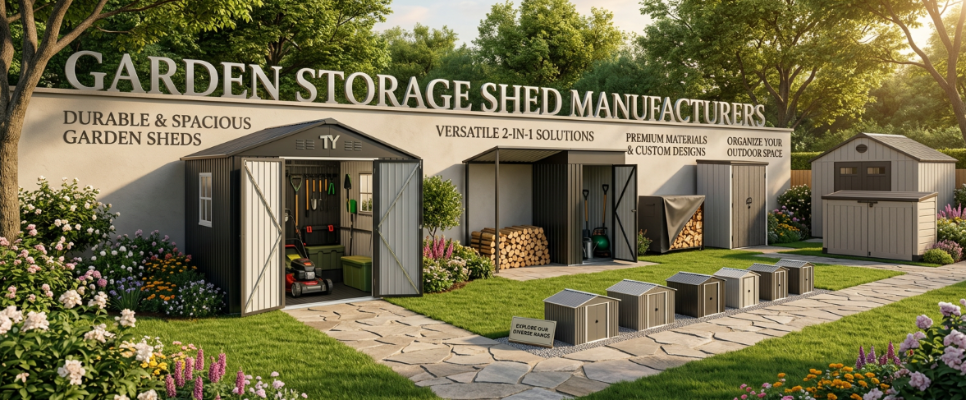
A garden storage shed gives those items an enclosed home. You can put one in a backyard, a garden corner or on a patio. Depending on its size, it can hold hand tools, bicycles, a lawn mower, seasonal decorations and household odds and ends.
Sheds come in metal, plastic and wood. Roofs, doors, capacity and installation needs differ too. Knowing those differences makes it easier to pick one that fits your outdoor space.
What Is a Garden Storage Shed?
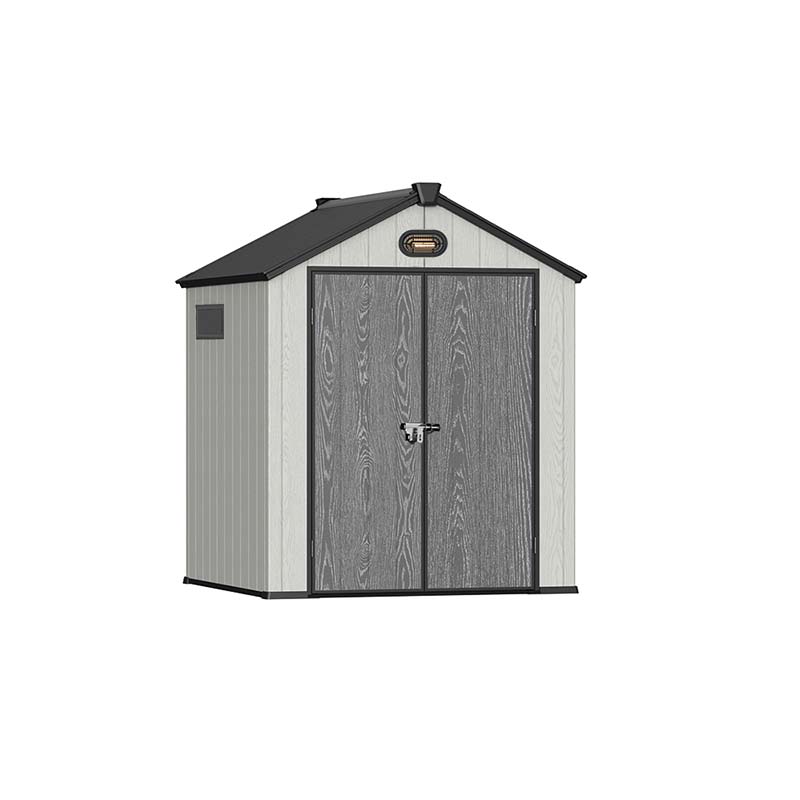
A garden storage shed is an outdoor structure for storing gardening equipment, household tools and other items used outside. It usually has a roof, wall panels, a supporting frame, doors and a floor or base.
An indoor cabinet never meets rain. A shed does, so its materials and construction have to cope with rain, sunlight, humidity and temperature swings.
Common things people store in one:
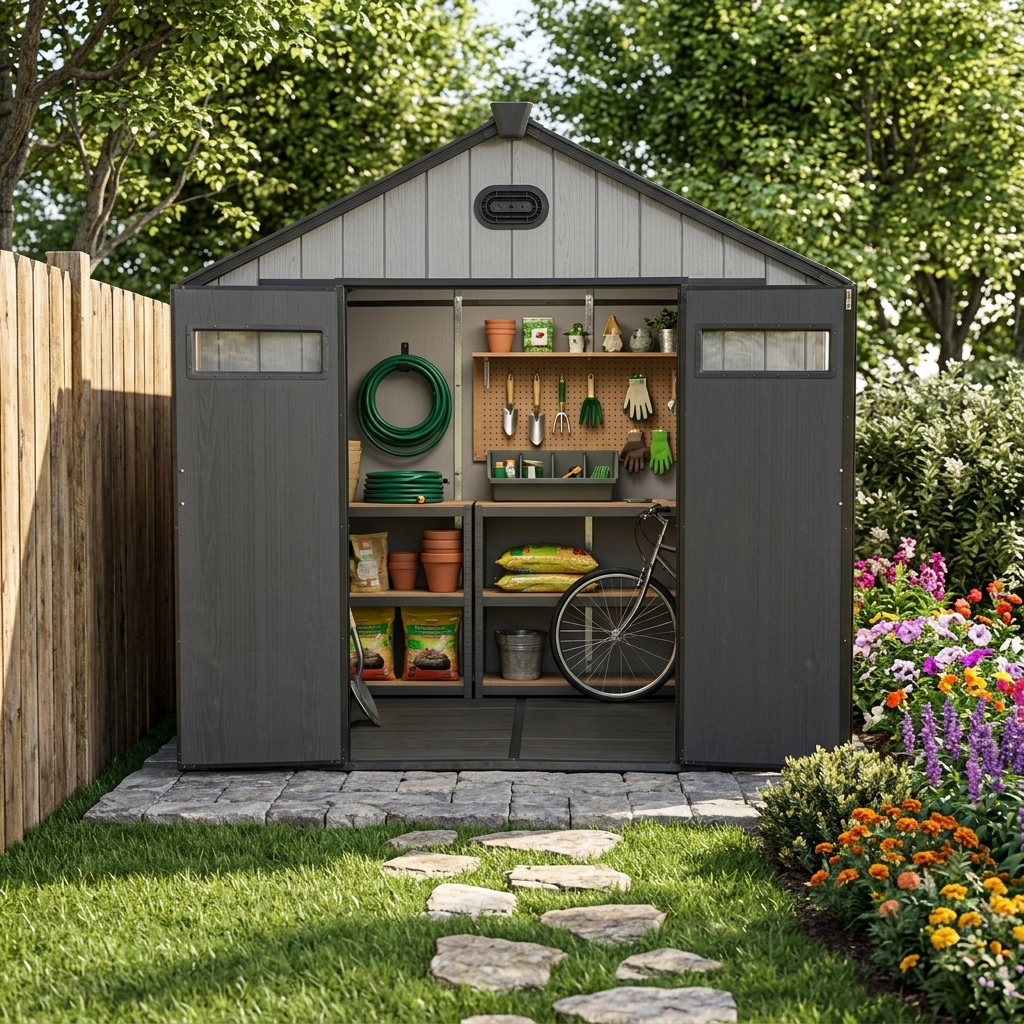
- Gardening tools such as shovels, rakes, pruning shears and watering cans.
- Lawn care equipment, including mowers and grass trimmers.
- Outdoor furniture, folding chairs and patio cushions.
- Bicycles, sports gear and recreational accessories.
- Seasonal decorations and household maintenance supplies.
The interior layout depends on size and purpose. Some models leave one open space for large equipment. Others add shelves, hooks or separate compartments for smaller items.
Different Types of Garden Storage Sheds
Sheds are usually sorted by material and by shape. Each type differs in looks, upkeep and good use.
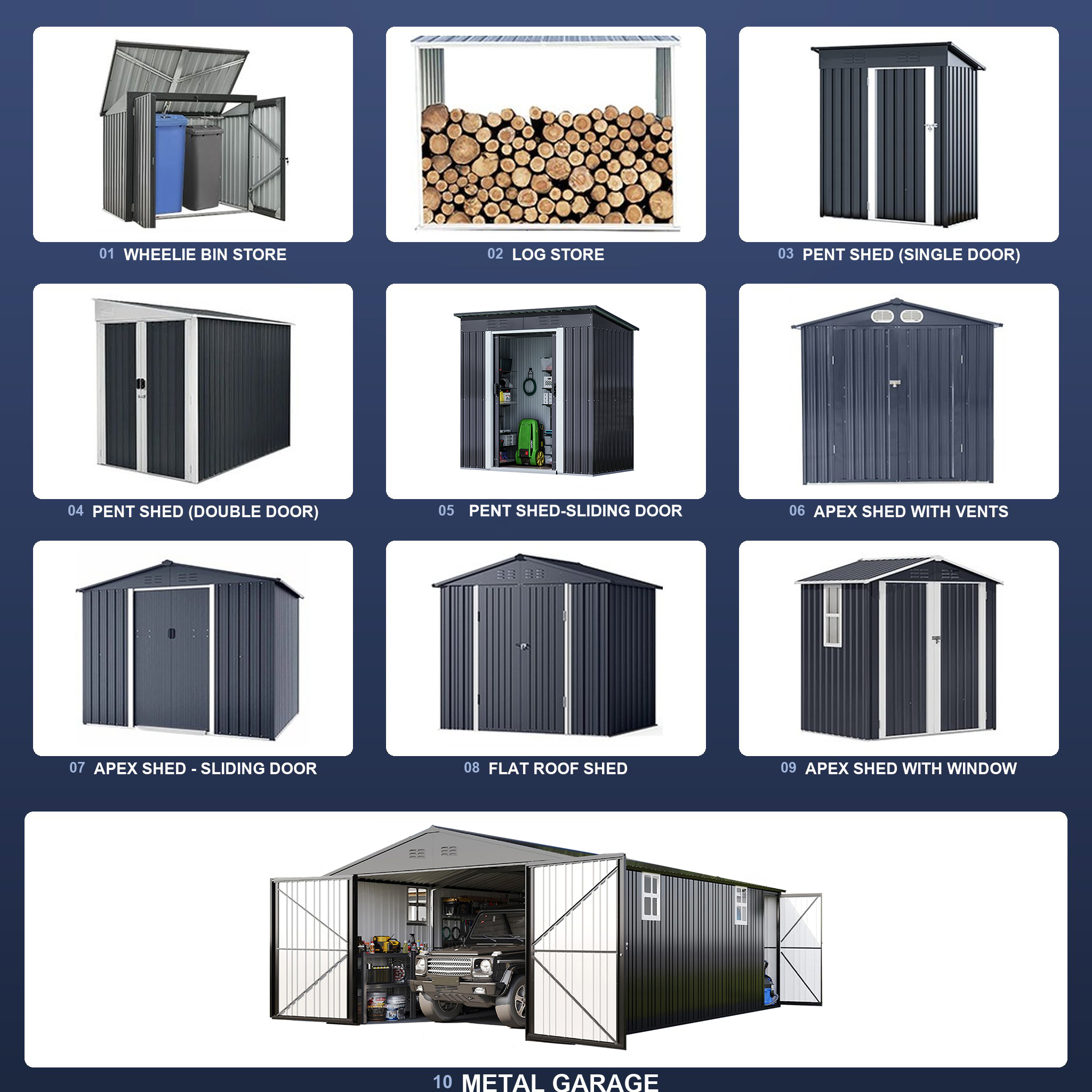
Metal Garden Storage Shed
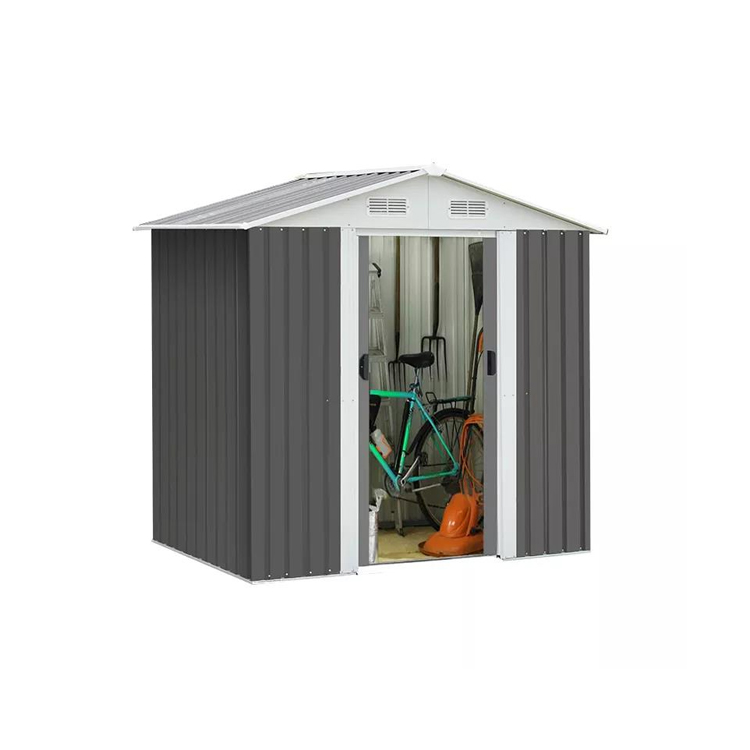
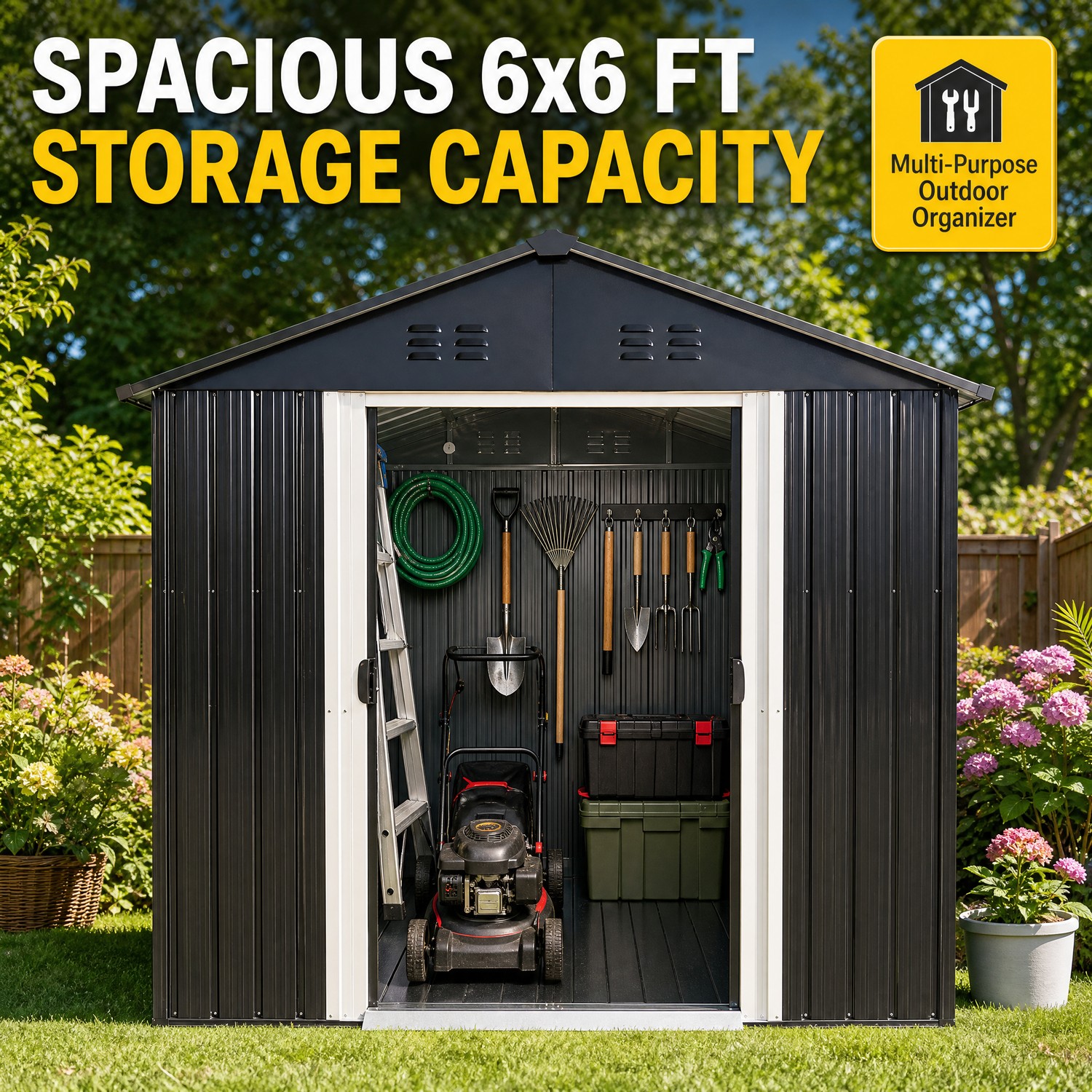
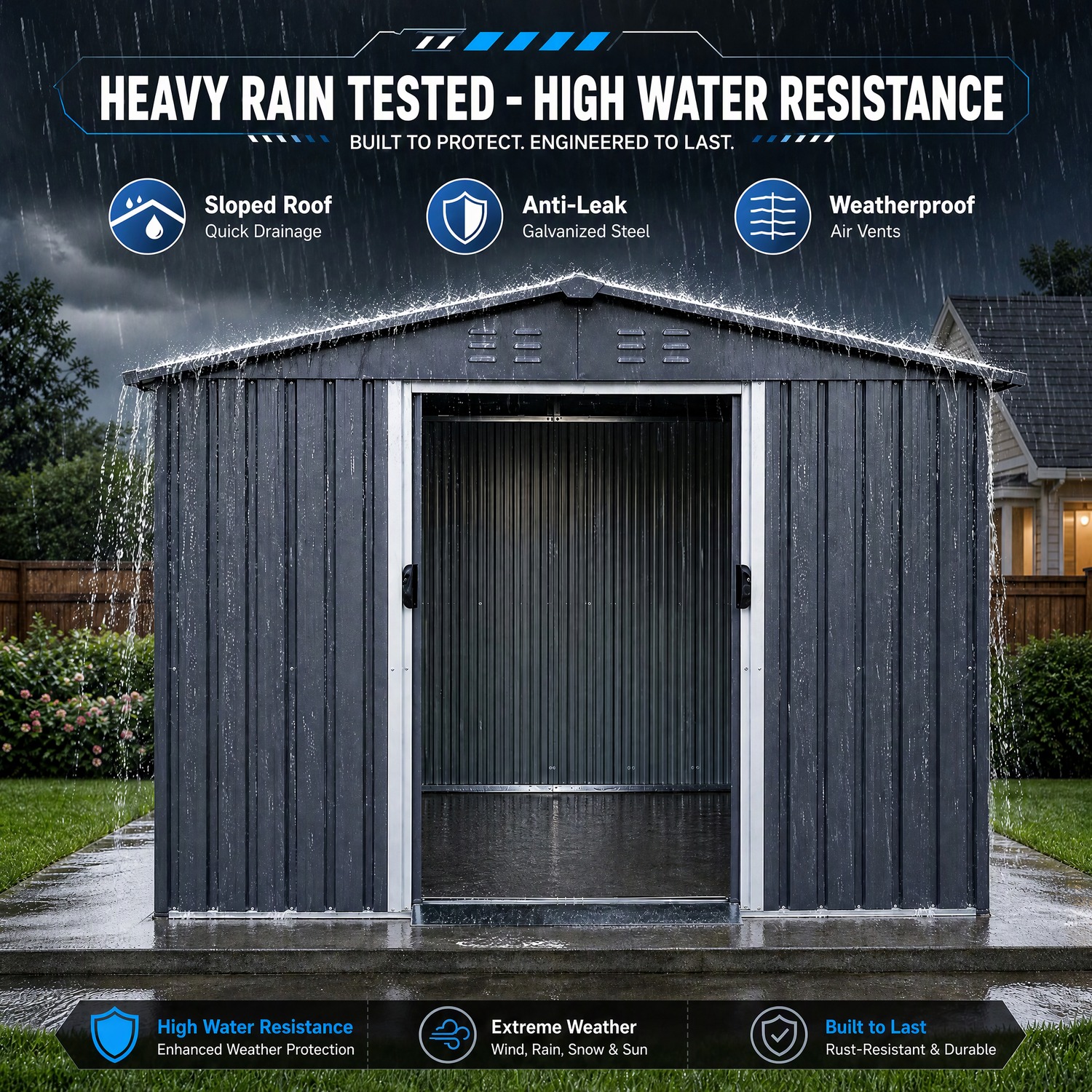
Metal sheds are generally built from steel panels and metal supports. Galvanized and coated steel are the usual choices.
Galvanized steel carries a zinc coating that helps resist corrosion. Some designs add further coatings on top.
People use metal sheds for garden tools, bicycles, lawn equipment and maintenance supplies. The rigid panels form a solid enclosure, and different door setups suit different equipment sizes.
Key design points include panel connections, surface protection, roof drainage, ventilation and ground anchoring. Condensation can form inside enclosed metal structures, so ventilation and moisture control matter in daily use.
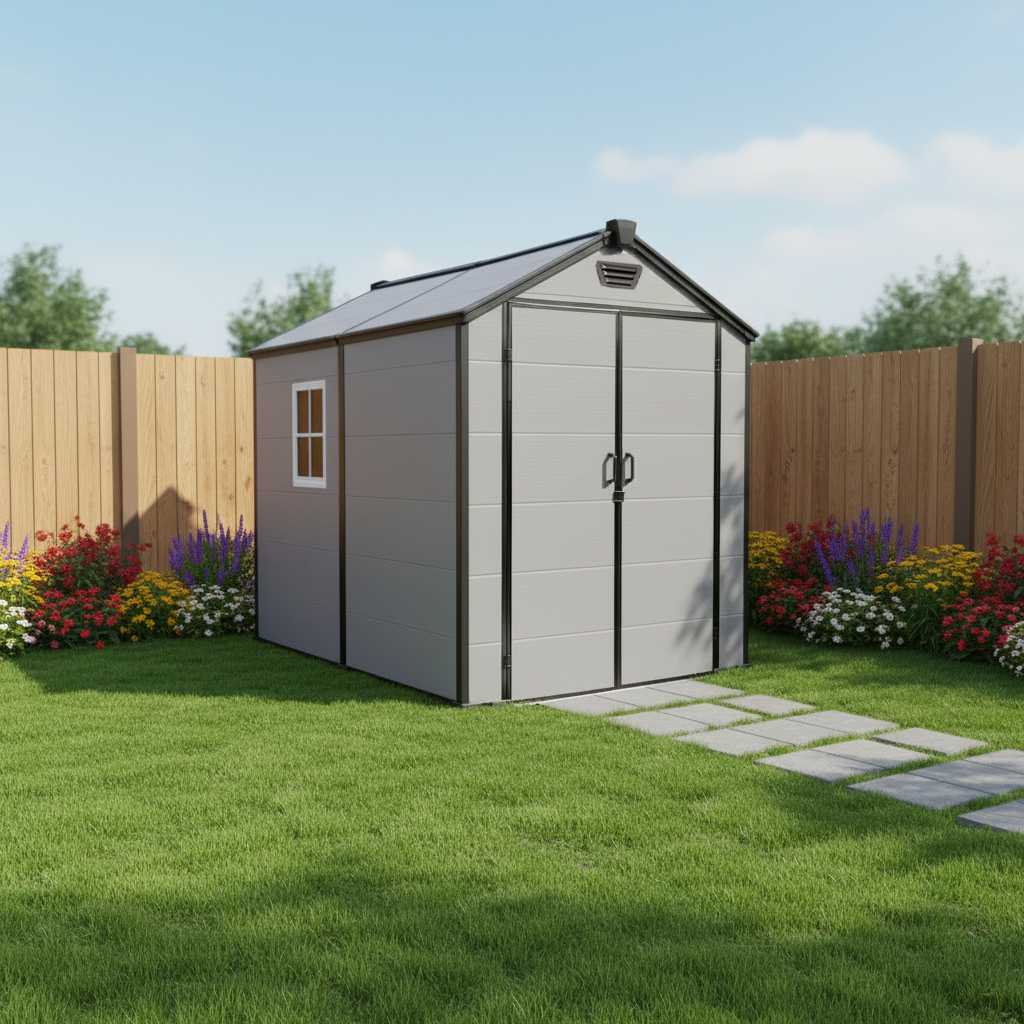
Plastic sheds are typically made from resin or another outdoor-grade plastic. The panels lock together into an enclosed structure for home storage.
They suit gardening accessories, outdoor toys, watering gear, cushions and household supplies. The surfaces wipe clean easily and won't rust like untreated metal.
Depending on the model, you may get an integrated floor, double doors, windows, vents and shelving.
For long-term outdoor use, look at the material formulation, UV exposure, panel connections and structural support.
Wooden Garden Storage Shed
Wooden sheds are built from timber boards and wooden supports. Their natural look blends into a garden setting.
They store tools, outdoor furniture and household supplies. Some designs add windows, workbenches, shelves or extra storage sections.
Wood needs regular care. Long exposure to moisture can cause swelling, rot or surface damage, so protective treatment, good drainage and ventilation are important.
Vertical and Horizontal Garden Storage Sheds
Shape also decides how a shed uses your space.
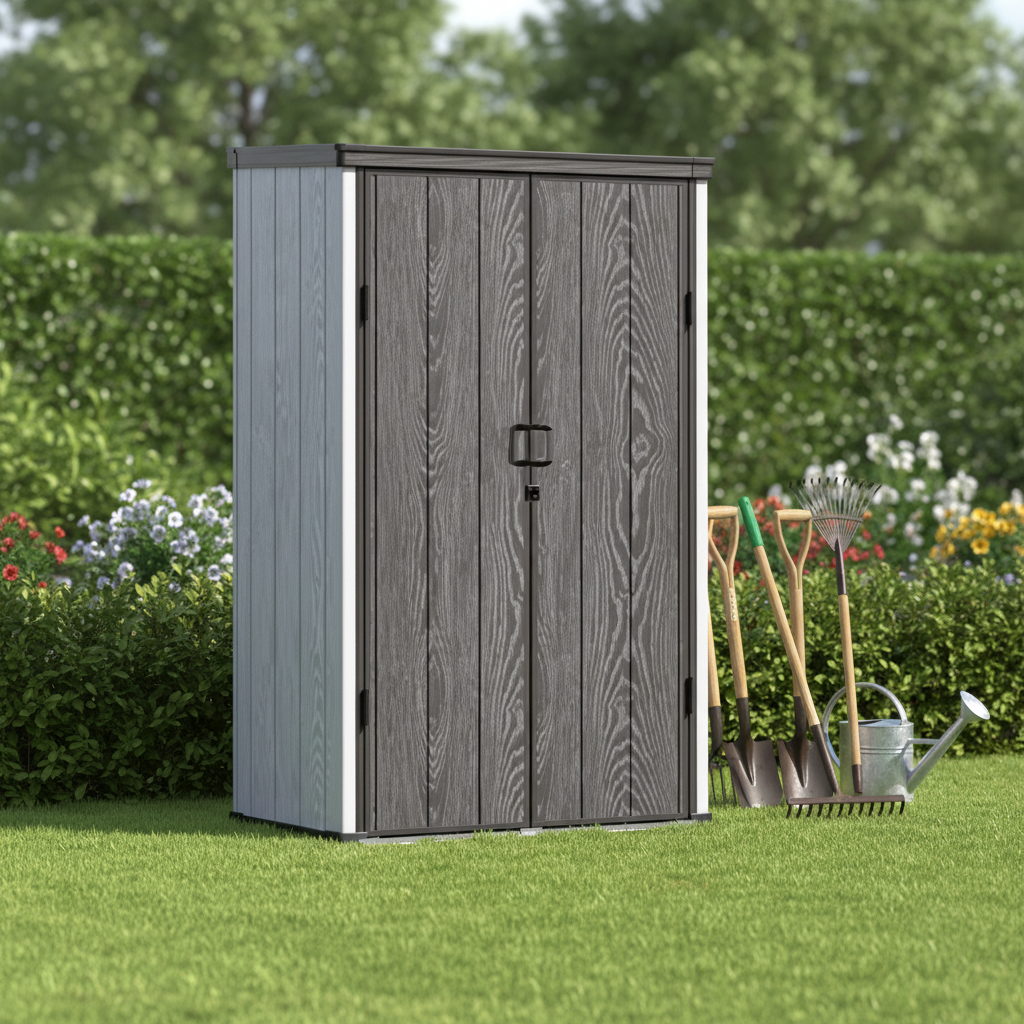
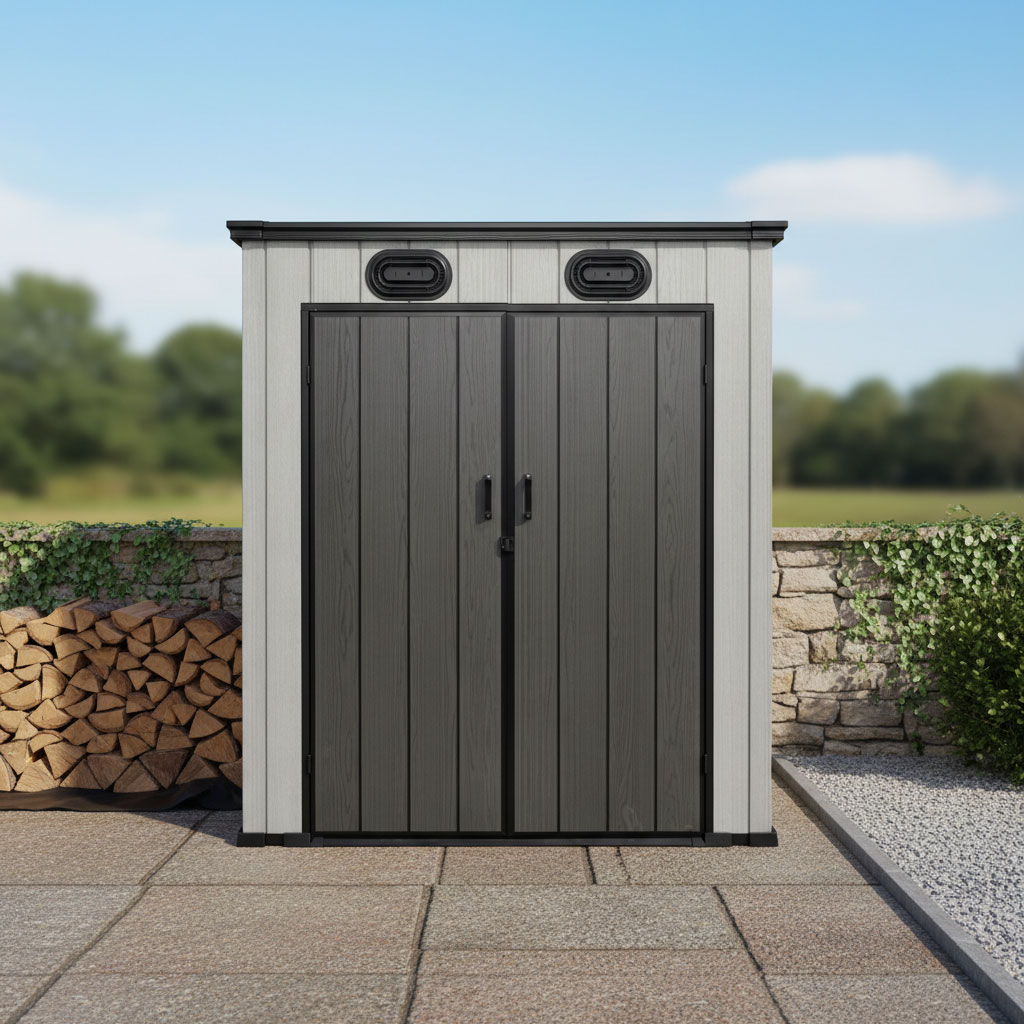
Vertical sheds are tall and narrow. They suit long-handled tools, cleaning equipment and hoses that stand upright. The small footprint works well beside buildings or fences.
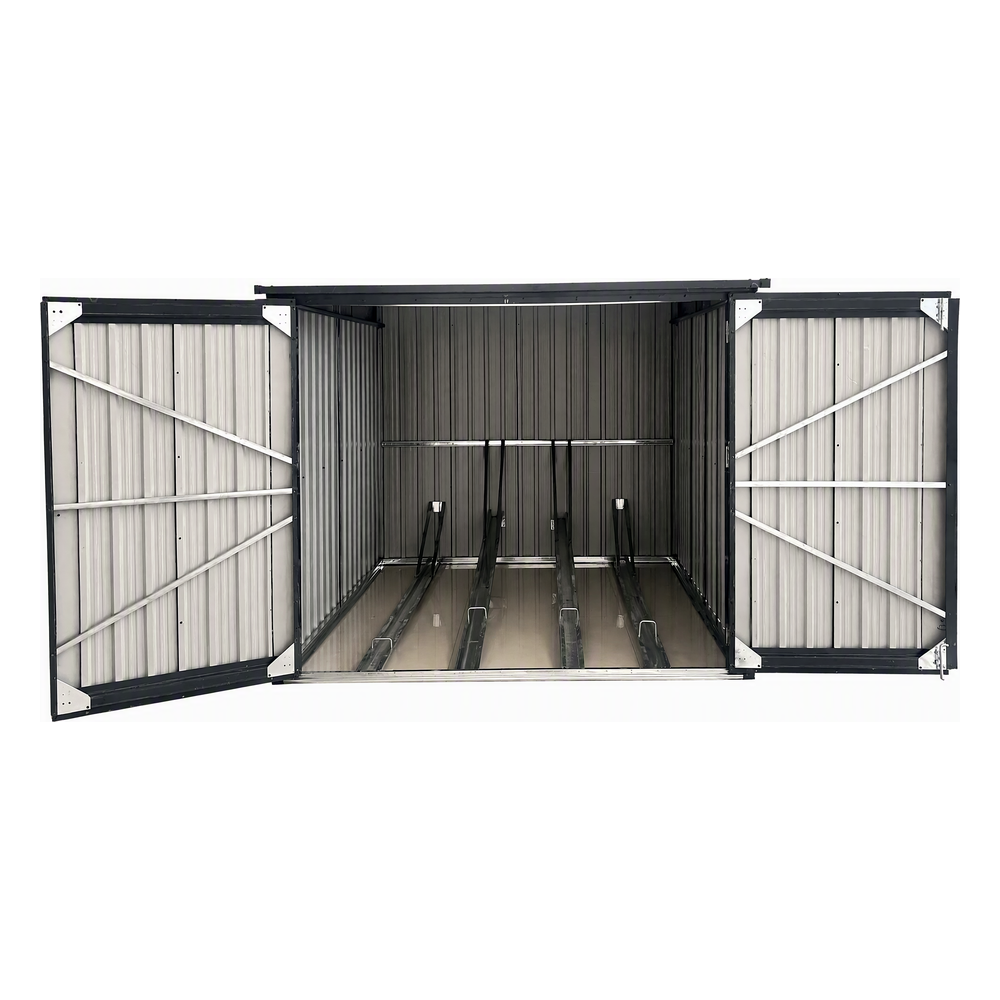
Horizontal sheds are wider and lower. They often hold outdoor cushions, small garden equipment, pool accessories and household supplies. Some have front doors, top-opening lids, or both.
Choose based on the area you have and the size of what you're storing.
Materials Used in Garden Storage Shed Construction
Material affects strength, appearance, upkeep and how well a shed copes with different climates.
| Material |
Main Characteristics |
Common Applications |
| Galvanized Steel |
Steel with a protective zinc coating |
Garden tools and outdoor equipment |
| Coated Steel |
Metal panels with an additional surface coating |
General outdoor storage |
| Resin Plastic |
Molded or assembled plastic panels |
Household supplies and garden accessories |
| Polypropylene |
Lightweight plastic material |
Compact storage structures |
| Wood |
Natural appearance and adaptable construction |
Garden workspaces and equipment storage |
| Aluminum |
Lightweight metal with corrosion resistance |
Selected outdoor storage applications |
Match the material to your local climate and what you plan to store.
Metal often suits people who want rigid panels. Plastic appeals if you like easy-clean surfaces. Wood fits gardens with a natural landscape.
Material type isn't the whole story. Judge the panel connections, supporting parts and surface treatments as well.
Common Roof Designs for Outdoor Storage Sheds
The roof affects drainage, headroom and looks. Designs vary with the shed's size and setting.
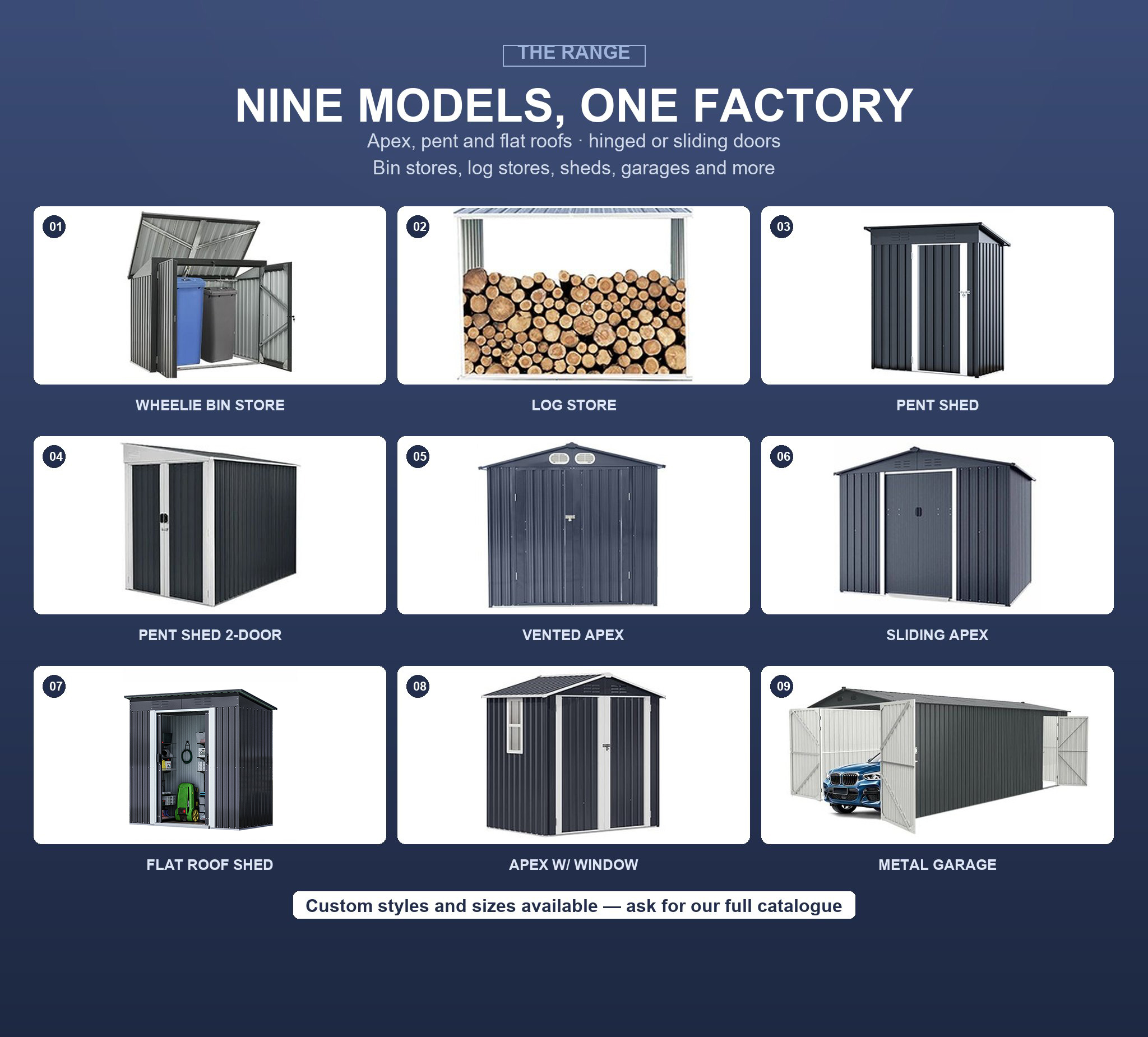
Gable Roof
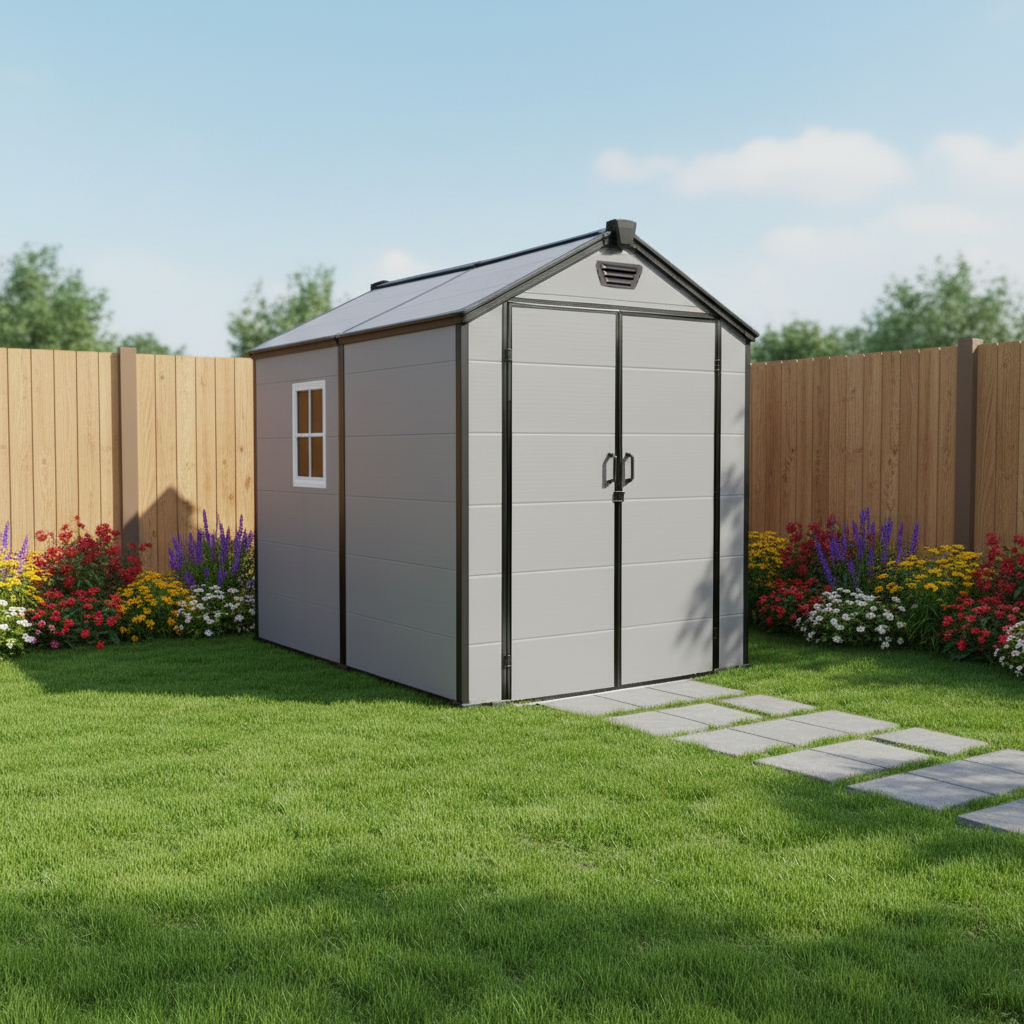
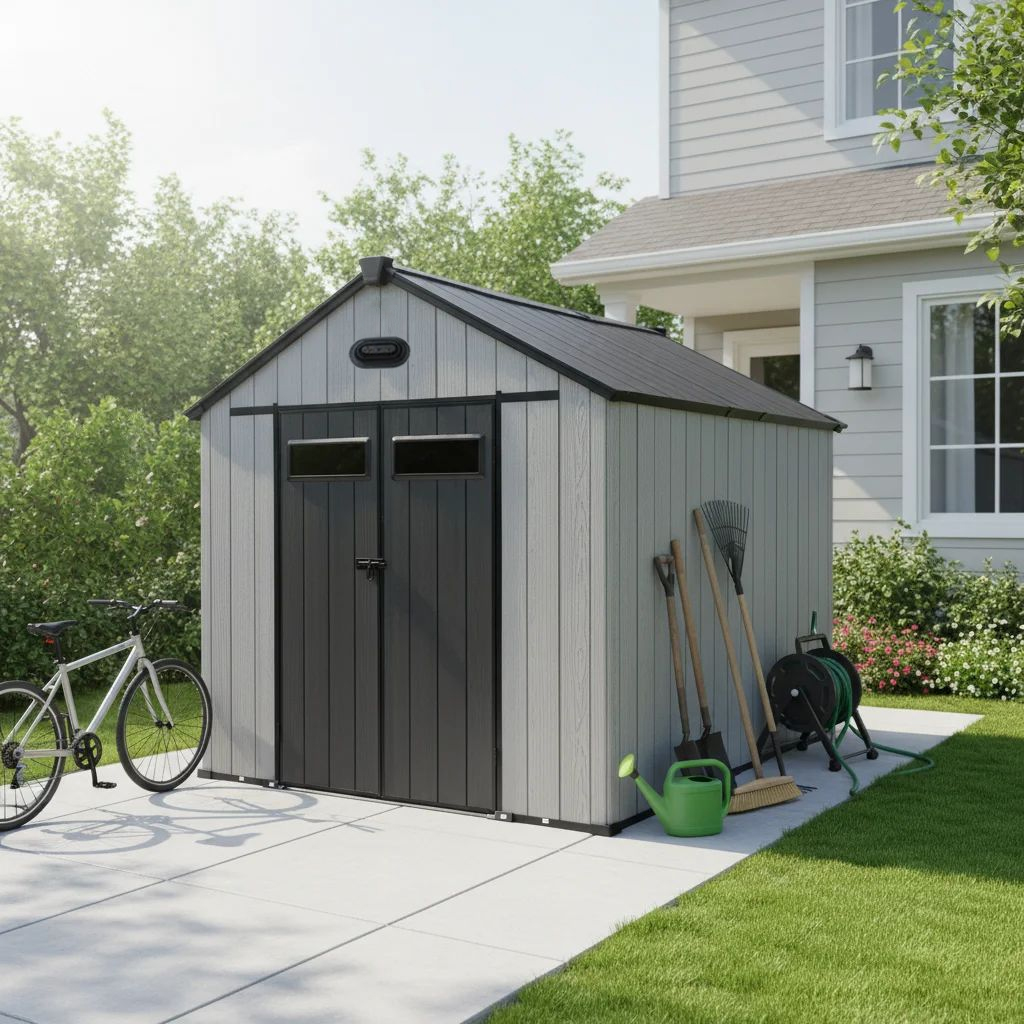
A gable roof has two sloping sides that meet at a central ridge. You get extra headroom in the middle and a classic pitched look.
Rain runs off to the sides. Gable roofs appear on metal, plastic and wooden sheds.
Pent Roof
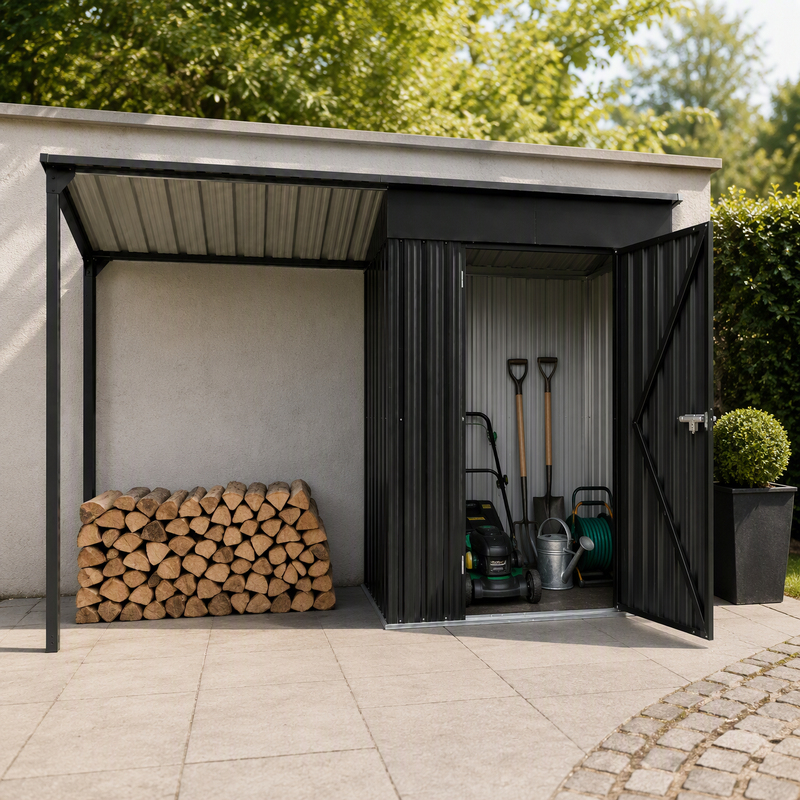
A pent roof has a single slope. It's common on compact sheds placed against walls or fences.
The simple form fits many layouts, and the slope sends water in one clear direction.
Flat Roof
A flat roof has a low, modern profile and shows up in contemporary designs.
It looks level, but a practical one usually has a slight slope or drainage setup so water doesn't pool.
When choosing, think about local rainfall, possible snow, nearby structures and the maker's installation requirements.
Where Are Garden Storage Sheds Commonly Used?
Sheds serve homes and shared outdoor spaces. Pick the size and layout to match the space and the equipment.
| Application |
Typical Storage Items |
Relevant Design Requirements |
| Residential Backyard |
Household tools and garden supplies |
General storage capacity |
| Vegetable Garden |
Watering cans, hoses, and hand tools |
Convenient access |
| Lawn Area |
Lawn mowers and maintenance equipment |
Wide doors and sufficient clearance |
| Patio |
Outdoor cushions and furniture accessories |
Compact dimensions |
| Poolside |
Cleaning tools and pool accessories |
Material suitability for humid conditions |
| Community Garden |
Shared gardening equipment |
Organized storage sections |
| Outdoor Workshop |
Hand tools and maintenance supplies |
Shelves and internal organization |
At home, a shed frees up indoor storage. In a community garden, it becomes a shared place for common tools.
In tight spaces, check the footprint and door arrangement carefully. Place the shed where you can reach it easily without getting in the way of garden activities.
A few structural details decide how easy a shed is to use, organize and maintain.
Door Configuration
Doors control how gear goes in and out. Single doors suit compact sheds. Double doors open wider for bicycles, mowers and bigger equipment.
Sliding doors work where there's little room to swing. Hinged doors need clear space in front.
Ventilation System
Vents let air move through the enclosed space. They matter most if you store wet tools, hoses or anything that brings in moisture.
They often sit in the upper walls. Consider airflow, rain exposure and insect entry when placing them.
Flooring and Base
The floor holds your belongings and keeps the interior off the ground. Some sheds include one. Others need a separate foundation.
Concrete, paving slabs or compacted gravel can serve, depending on the design. The surface must be level and stable.
Internal Organization
Shelves, hooks and tool holders keep things sorted by size and how often you use them.
Put small accessories on shelves and hang long-handled tools on wall holders. Place heavy equipment on surfaces built to carry its weight.
Locking Arrangements
Sheds may have handles, lock points and compatible locks. Overall security also depends on the door structure, hinges, fasteners and ground anchoring.
Factors to Consider When Choosing a Garden Storage Shed
Pick a shed by weighing storage needs, available space, material, and installation conditions.
Storage capacity
Decide what you'll store before choosing dimensions. Hand tools need far less room than bikes, mowers or furniture. Check both usable interior space and door clearance.
Available outdoor space
Measure the site and leave room for doors to operate. Fences, trees, walls and paths can limit where it goes.
Material suitability
Think about rainfall, humidity, sun and temperature changes where you live. The material and surface treatment should suit the environment.
Roof and drainage
Look at the roof slope and where water will run. Position the shed so water drains away instead of collecting around the base.
Door dimensions
Compare the doorway width and height to your largest item. A roomy interior doesn't help if big things can't get through a narrow door.
Installation requirements
Review the foundation type, assembly instructions, fasteners and anchoring before you start. They shape the prep work and the stability of the finished shed.
Maintenance needs
Each material needs its own cleaning and inspection routine. Consider the upkeep before you buy.
Garden Storage Shed Installation and Site Preparation
Good site prep keeps a shed stable and usable. Assembly varies by product, but the process follows a few key stages.
Site Selection and Ground Preparation
Choose a spot with easy access and enough clearance around it. Avoid places where rainwater gathers or where the shed would block regular activities.
Prepare the ground to match the foundation requirements of your product.
Foundation Construction
A level, stable foundation supports the shed and keeps its parts aligned.
Depending on the design, use concrete, paving slabs, compacted gravel or another suitable surface.
Component Inspection and Assembly
Before assembling, sort the wall panels, roof parts, frame, fasteners, doors and accessories. Check them against the instructions.
Build the base and frame first, then attach the wall and roof panels. Good alignment helps panel connections and door operation.
Final Fixing and Inspection
Fit the doors, handles, vents and other accessories as instructed.
Anchor the structure with the recommended method. Afterward, inspect the connections and make sure the doors and moving parts work properly.
Maintenance Methods for Different Garden Shed Materials
Outdoor sheds face dust, moisture, sun and temperature swings. Regular checks catch problems early.
| Component or Material |
Maintenance Focus |
| Roof |
Remove leaves and inspect for visible damage |
| Wall Panels |
Clean dirt and check surface conditions |
| Doors and Hinges |
Inspect alignment and loose fittings |
| Ventilation Openings |
Remove dust and obstructions |
| Foundation |
Check stability and drainage |
| Metal Components |
Inspect coatings and signs of corrosion |
| Plastic Panels |
Check for cracks and weather-related deterioration |
| Wooden Panels |
Inspect for moisture damage and surface wear |
Metal needs attention when its protective coating gets scratched. Plastic panels should be checked for cracks and loose connections. Wood may need protective treatment now and then, depending on exposure.
Keep the interior clean and let wet equipment dry before putting it away. That cuts down on moisture trouble.
Common Problems With Garden Storage Sheds
Even outdoor-ready structures can run into trouble from weather, installation or daily use.
Moisture and Condensation
Humid air hitting cooler surfaces inside a closed shed can form condensation. Poor ventilation and wet equipment make it worse.
Good vents and sensible storage habits help.
Water Leakage
Water can get in through roof joints, overlapping panels, door gaps or damaged parts. Correct assembly and regular inspection help you find entry points.
Structural Instability
An uneven foundation, loose connections or weak anchoring can make a shed unstable. Follow the product's instructions for the surface and fixing method.
Limited Storage Accessibility
Poor organization or narrow doors make gear hard to store and retrieve. Check door sizes and the interior layout against your intended use.
Material Deterioration
Sun, rain and temperature changes wear on outdoor materials over time. Match your maintenance routine to the material and its surface treatment.
Design Developments in the Garden Storage Shed Industry
Sheds are increasingly treated as part of home outdoor planning. Capacity still counts, but so do appearance, easy installation and how well the shed fits the landscape.
Several design trends stand out.
Space-efficient structures
Small gardens call for sheds that use ground space well. Vertical layouts, narrow footprints and practical interiors are common.
Flexible internal storage
Shelves, hooks, tool holders and modular accessories let users arrange equipment their own way.
Material combinations
Some sheds mix materials to meet structural and style needs. A metal frame with plastic panels is one example.
Landscape compatibility
Roof shape, panel finish, color and proportions affect how a shed sits in a garden. Looks matter in residential design.
Assembly and maintenance considerations
Panel connections, part layout and access to structural components affect installation and upkeep. They matter in both product development and manufacturing.
FAQs About Garden Storage Sheds
What Is the Main Purpose of a Garden Storage Shed?
It gives you an enclosed outdoor area for gardening tools, lawn equipment, bicycles, outdoor furniture and household supplies. It keeps things organized and frees up indoor storage.
What Is the Difference Between a Metal and Plastic Garden Storage Shed?
Metal sheds typically use steel panels and supports to form a rigid structure. Plastic sheds use resin or similar materials and usually have easy-to-clean surfaces. Which is better depends on your use, the construction and your outdoor conditions.
Which Material Is Commonly Used for Garden Storage Sheds?
Steel, resin plastic, polypropylene, wood and aluminum are all used. They differ in weight, surface protection, upkeep and structure.
Do Garden Storage Sheds Need a Foundation?
Most need a suitable supporting surface. A foundation keeps the shed stable and carries the base. Concrete, paving slabs or compacted gravel may be used, depending on the product.
How Do You Prevent Moisture Inside a Garden Storage Shed?
Good ventilation lets air circulate. Dry wet equipment before storing it, keep vents clear and check for leaks.
Can a Garden Storage Shed Be Used for Lawn Mowers and Bicycles?
Yes. Larger sheds can hold mowers, bicycles and other outdoor equipment. Check the interior size, entrance width and door height before choosing.
What Roof Design Is Suitable for a Garden Storage Shed?
Gable, pent and flat roofs are common. The better one depends on the shed's size, location, drainage needs and the surrounding layout.
How Often Should a Garden Storage Shed Be Maintained?
It depends on the material, local climate and exposure. Check the roof, panels, doors, foundation and connections regularly. Wooden sheds may also need periodic protective treatment.
Can a Garden Storage Shed Be Installed on Grass?
Many designs aren't suited to sitting directly on grass, since the ground can be uneven or hold moisture. A prepared, level foundation is usually recommended. Follow the product instructions for base requirements.
What Size Garden Storage Shed Should I Choose?
It depends on how many items you have, how big they are and how much outdoor space is available. Compare interior capacity and door clearance, and leave room for future storage needs.

 英语
 俄语
 德语
 西班牙语
 法语