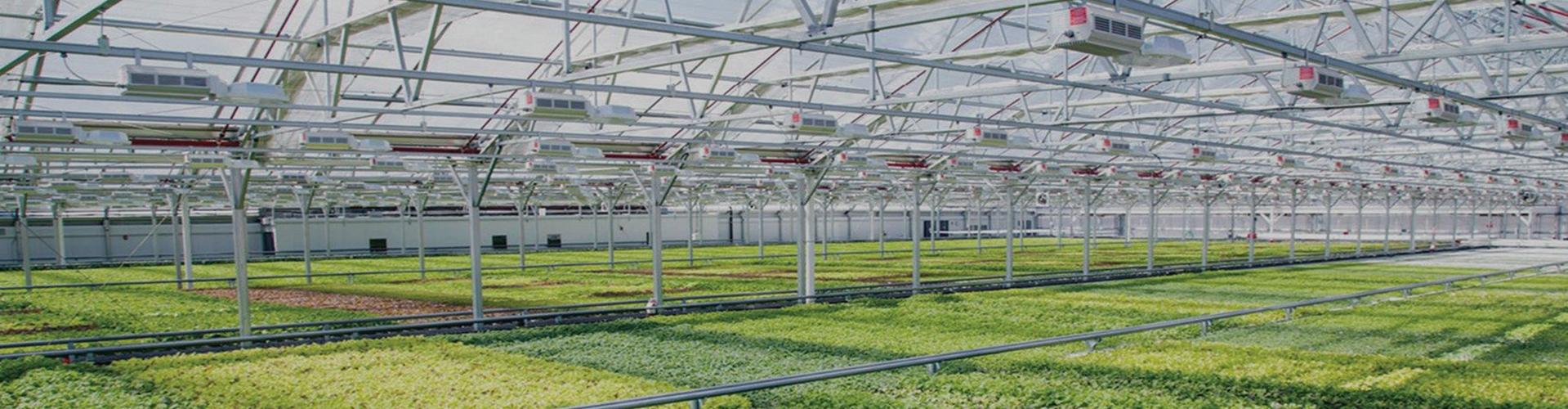
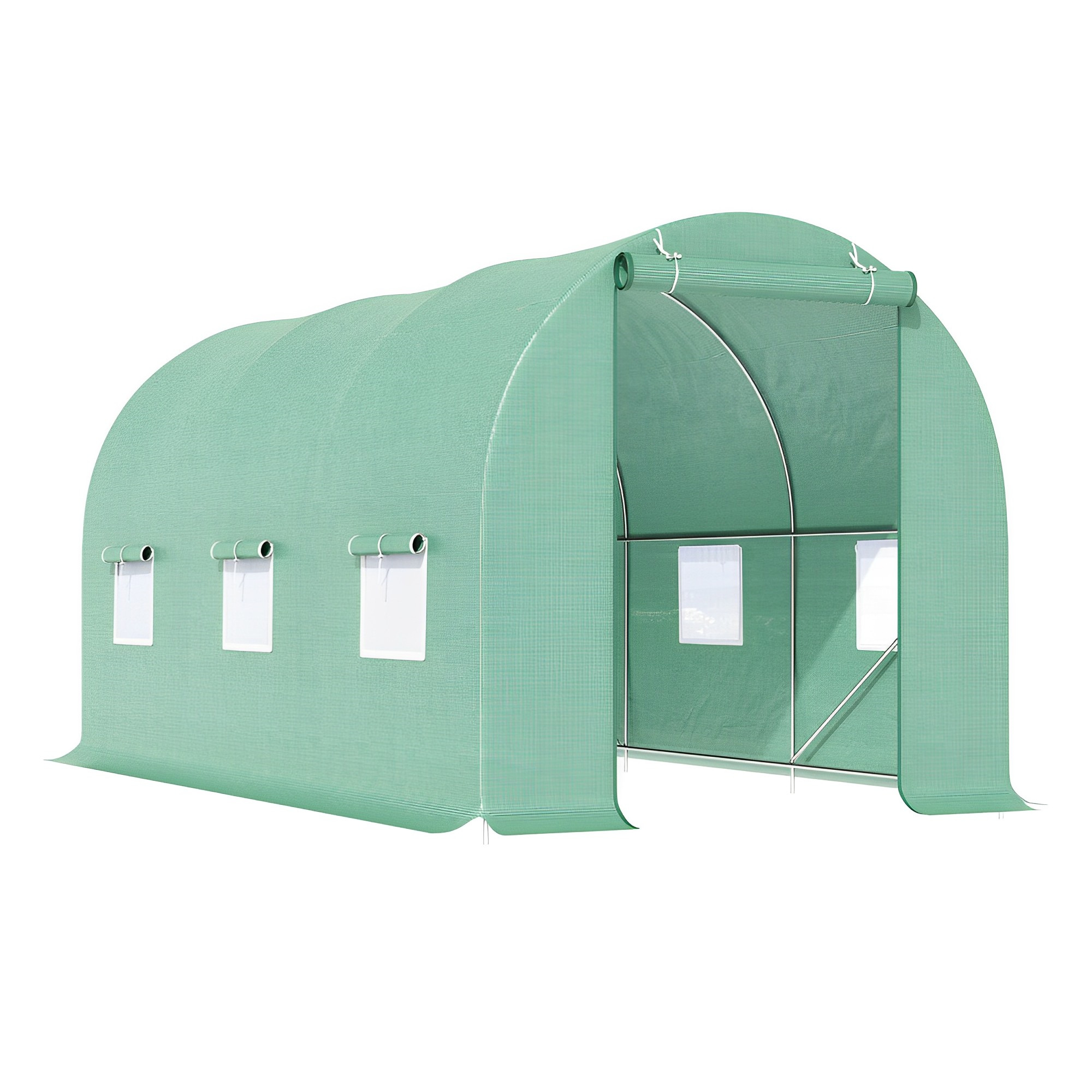
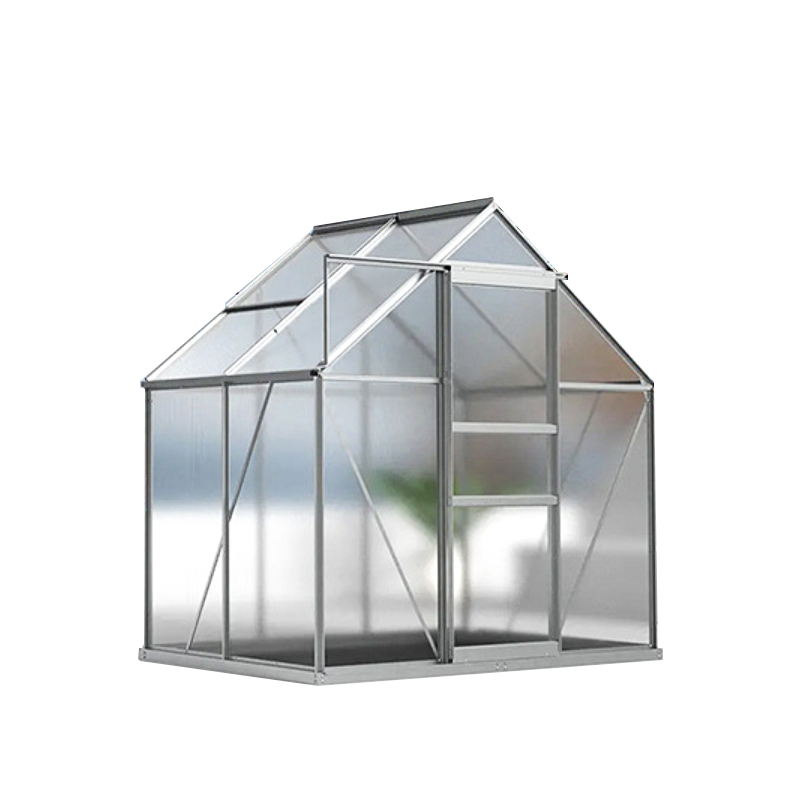
A garden greenhouse gives plants a protected space through the changing seasons. Among the options, a polycarbonate garden aluminum greenhouse pairs an aluminum frame with polycarbonate panels. The result is a practical structure for home gardening and small-scale cultivation.
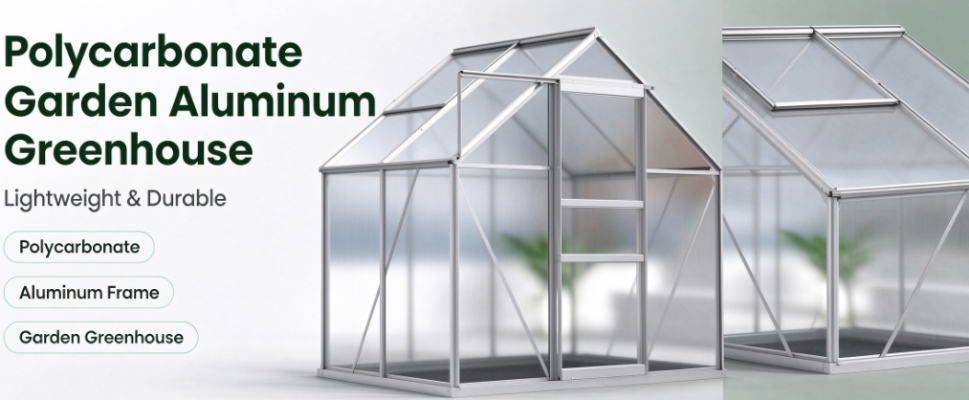
People often choose this type for gardens, backyards, patios and other outdoor spaces. The rigid panels make a stable covering, and the aluminum frame carries the structure. Next to flexible film-covered greenhouses, it looks more solid and calls for a different installation and maintenance routine.
Knowing how it's built, how the materials behave and where it fits helps gardeners decide whether this design matches their planting needs.
Understanding the Combination of Aluminum and Polycarbonate
A polycarbonate garden aluminum greenhouse uses aluminum profiles as its supporting frame and polycarbonate sheets as its main covering.
The aluminum frame ties together the roof, walls and supporting sections. It gives the structure its shape and holds the panels in place. Polycarbonate sheets cover the main surfaces and let natural light into the growing area.
The two materials complement each other. Aluminum is light and naturally resists corrosion. Polycarbonate is a thermoplastic known for impact resistance and light transmission.
The greenhouse may also include doors, roof vents, windows, panel connectors and foundation components. Together they form an enclosed space for flowers, vegetables, herbs and other garden plants.
Structural Components and Their Functions
Each part of the greenhouse plays a role in its structure and daily use.
| Component |
Main Function |
Design Consideration |
| Aluminum Frame |
Supports the roof and wall panels |
Frame strength and connection stability |
| Polycarbonate Panels |
Allow natural light to enter and protect plants |
Panel structure, thickness and light transmission |
| Roof Structure |
Supports the upper covering and helps manage rainwater |
Roof shape and local weather conditions |
| Doors |
Provide access for planting and maintenance |
Opening direction and access space |
| Ventilation Windows |
Allow air circulation and heat release |
Vent location and opening method |
| Base and Foundation |
Connect the greenhouse to the installation surface |
Ground conditions and anchoring method |
Frame and panels must fit together well. The connection affects stability and helps close gaps that let in rain or too much air movement.
Pay attention to the roof and ventilation too. A greenhouse needs good airflow to manage temperature and humidity, especially in warm weather.
Why Are Aluminum Frames Used in Garden Greenhouses?
Aluminum is popular in garden greenhouses because its properties suit frame construction.
Lightweight and Corrosion Resistant
Aluminum weighs less than many other structural metals. That suits greenhouse frames, which must carry panels without becoming needlessly heavy.
It also forms a natural oxide layer that resists corrosion. Outdoor structures face moisture and shifting weather, so this helps.
Practical Frame Assembly
Aluminum profiles can include connecting channels and fittings that hold panels in place. Shape and connection methods vary with the greenhouse design.
A properly assembled frame spreads loads across the structure and keeps the covering secure.
Appearance and Maintenance
Aluminum frames usually look clean and simple, which suits many garden settings. Surfaces can be treated or finished to match the product design.
Routine inspection still matters. Check connections, fasteners and frame sections for looseness, damage or wear.
Polycarbonate Panels: Types and Characteristics
Polycarbonate is central to this design. Panel structure affects insulation, light transmission, weight and overall performance.
Two common options are twin-wall polycarbonate and solid polycarbonate.
| Panel Type |
Structure |
Main Characteristics |
Common Considerations |
| Twin-Wall Polycarbonate |
Two layers connected by internal ribs |
Lightweight structure with air spaces that can help reduce heat transfer |
Suitable panel thickness and installation direction |
| Multi-Wall Polycarbonate |
Multiple layers with internal air channels |
Designed to provide insulation characteristics through its layered structure |
Panel support and connection requirements |
| Solid Polycarbonate |
Single solid sheet |
Clear appearance and impact resistance |
Weight, heat management and panel support |
Twin-wall and multi-wall panels come up often when insulation matters. Their internal air spaces can cut heat transfer compared with a single solid sheet of similar material.
Solid polycarbonate has a different look and panel structure. The right option depends on the light transmission you want, insulation needs, local climate and budget.
What Makes Polycarbonate Suitable for Garden Use?
Polycarbonate offers several traits that suit outdoor greenhouse coverings:
- Light Transmission: Lets natural light reach the plants inside.
- Impact Resistance: Handles impacts better than some other transparent coverings.
- Lightweight Structure: Works with aluminum frames without adding excessive weight.
- Panel Variety: Comes in different structures and thicknesses for different designs.
- Outdoor Use: Certain grades carry UV-protective treatments for sun exposure.
Real performance depends on panel grade, structure, surface treatment and installation quality. Check product specifications before choosing a covering.
Growing Benefits of a Polycarbonate Garden Aluminum Greenhouse
Aluminum and polycarbonate together offer several practical benefits for home gardening and small-scale cultivation.
| Benefit |
How It Supports Gardening |
| Stable Structure |
The aluminum frame supports the roof and wall panels |
| Light Access |
Polycarbonate panels allow natural light into the growing space |
| Impact Resistance |
The covering material can withstand certain external impacts |
| Insulation Options |
Multi-wall panels can help reduce heat transfer |
| Outdoor Suitability |
Aluminum frames and suitable polycarbonate panels can be used in outdoor environments |
| Organized Growing Space |
The enclosed structure provides room for pots, shelves and planting beds |
A rigid frame with a solid panel covering is a key advantage. Gardeners who want a more permanent outdoor structure, not a temporary film enclosure, will find it appealing.
Panel structure also gives you choices for managing light and heat. Even so, a polycarbonate greenhouse needs proper ventilation. Without enough airflow, indoor temperatures can climb fast in direct sun.
Suitable Plants and Garden Applications
These greenhouses support many kinds of home and garden planting. The enclosed design especially helps plants that need protection from certain outdoor conditions.
| Plant Category |
Examples |
Typical Growing Needs |
| Vegetables |
Tomatoes, peppers, cucumbers and lettuce |
Sunlight, airflow and suitable watering |
| Herbs |
Basil, mint, parsley and rosemary |
Light exposure and moisture management |
| Flowers |
Petunias, geraniums and other ornamental flowers |
Suitable temperature and ventilation |
| Seedlings |
Vegetable and flower seedlings |
Stable moisture and protected growing conditions |
| Potted Plants |
Decorative foliage and seasonal plants |
Appropriate light and space for growth |
Home gardeners get a dedicated spot for potted plants and seasonal vegetables. It also works for starting seeds and sheltering young plants when the weather turns.
In a backyard, the structure can act as a small growing room with shelves, benches and containers. The rigid covering and frame also suit gardeners who want a greenhouse that stays put.
Installation and Maintenance Considerations
This greenhouse needs a suitable site and regular upkeep. Good preparation keeps the structure stable and supports long-term use.
Selecting the Installation Location
Pick a spot with good sunlight and enough surrounding space for access and ventilation. The ground should be level and stable so the frame goes up correctly.
Consider nearby trees, fences and buildings. They can affect sunlight, airflow and how much debris lands on the greenhouse.
Correct Panel Installation
Install polycarbonate panels following the manufacturer's instructions. With multi-wall panels, the internal channels usually need to run in the recommended direction to aid drainage and limit moisture buildup.
Use suitable connectors, sealing materials and fastening methods. Poor installation can leave panels loose, leaking or damaged in bad weather.
Regular Cleaning and Inspection
Inspect the greenhouse periodically for loose connections, damaged panels and blocked vents.
Cleaning keeps light transmission up. Use methods recommended for the panel material, and avoid abrasive tools or chemicals that could damage the surface.
| Maintenance Task |
Purpose |
| Clean Polycarbonate Panels |
Remove dust, dirt and other surface buildup |
| Check Frame Connections |
Identify loose fasteners or fittings |
| Inspect Panel Edges |
Find cracks, gaps or displaced sections |
| Check Doors and Windows |
Keep access and ventilation functions working |
| Inspect the Foundation |
Confirm that the structure remains properly secured |
Choosing the Right Polycarbonate Garden Aluminum Greenhouse
Before buying, compare structure, panel material and features instead of judging by looks alone.
Several factors can guide the choice:
- Greenhouse Size: Match the dimensions to your garden space and the number of plants.
- Frame Construction: Check the aluminum profile design, connection points and overall structure.
- Panel Type: Compare twin-wall, multi-wall and solid polycarbonate against your light and insulation needs.
- Ventilation Design: Look at roof vents, side openings and doors.
- Foundation Requirements: Make sure the installation surface and anchoring suit the structure.
- Maintenance Access: Check that panels, doors and vents are easy to inspect and maintain.
Local weather matters as well. Areas with strong winds, heavy rain or snow may need specific structural designs and installation methods. Confirm that the greenhouse suits your local conditions.
Sunshine Garden offers greenhouse products for different garden and agricultural applications. Buyers exploring polycarbonate garden greenhouses can review the range and discuss suitable structures, materials and configurations for their planting needs.
FAQs About Polycarbonate Garden Aluminum Greenhouses
1. What is the main advantage of an aluminum frame?
It's light and naturally resists corrosion. It supports the panels and makes a practical structure for outdoor garden use.
2. Is polycarbonate better suited to greenhouses than glass?
They serve different purposes. Polycarbonate is generally lighter and more impact resistant than glass, while glass offers a clear, traditional look and high light transmission. The choice depends on the design, local weather and growing needs.
3. Which polycarbonate panel is suitable for a garden greenhouse?
Twin-wall and multi-wall panels are common when insulation matters. Solid panels may suit projects that prefer a clear, single-layer covering. Also weigh light transmission, thickness and UV protection.
4. Can a polycarbonate greenhouse be used in winter?
It gives plants a sheltered space in colder seasons. Multi-wall panels may reduce heat transfer, but the greenhouse won't keep a suitable growing temperature by itself. Depending on climate and plant type, you may need extra heating or insulation.
5. Does a polycarbonate greenhouse need ventilation?
Yes. Ventilation releases excess heat and moisture and keeps air circulating. Roof vents, side openings and doors are the usual features.
6. How do I clean polycarbonate greenhouse panels?
Use water and a mild cleaning solution recommended for polycarbonate. A soft cloth or sponge removes dirt. Avoid abrasive brushes and unsuitable solvents, which can scratch or damage the panels.
7. Can I grow vegetables in a polycarbonate garden greenhouse?
Yes. Tomatoes, cucumbers, peppers, lettuce and other vegetables all work. Results depend on sunlight, ventilation, watering, temperature and crop management.
8. Does an aluminum greenhouse need a foundation?
A suitable base or anchoring system matters for stability. Exact requirements depend on the design, ground conditions and local weather. Follow the manufacturer's installation instructions when preparing the site.

 英语
 俄语
 德语
 西班牙语
 法语