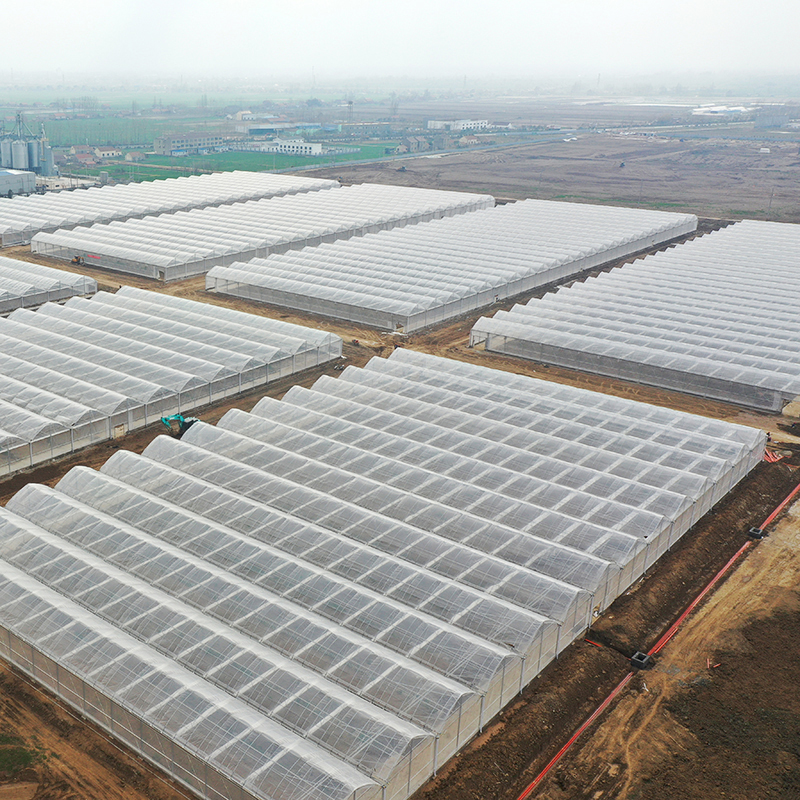

Indoor gardening doesn't always need a spare room, a big greenhouse or a dedicated growing area. People in apartments, compact homes or places with little outdoor access can still grow plants all year with a small indoor setup. A grow tent starter kit bundles several pieces of equipment into one system, so users can organize a growing space without building a separate room.
Limited space changes the planning, though. The tent has to fit the area, but it also needs room for ventilation, lighting, plant care and routine upkeep. A setup that looks compact in a product listing can feel crowded once every piece of equipment is installed.
Whether a kit suits a small space depends on the plants, the room layout, the equipment included and how much upkeep the user is ready to do. Knowing these factors helps beginners choose sensibly instead of looking only at the tent's outer dimensions.
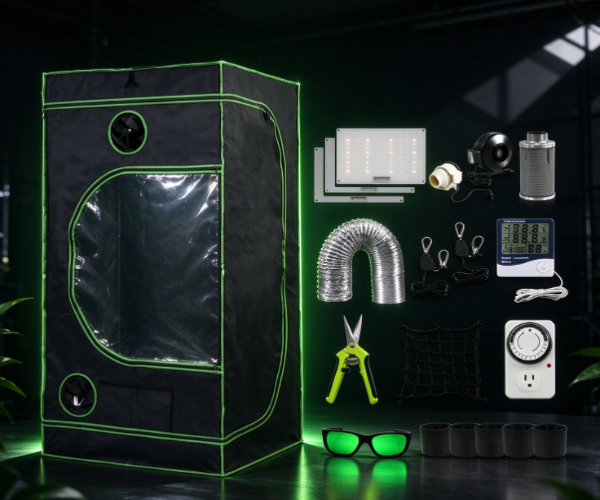
A starter kit usually pairs a tent with selected equipment for indoor growing. Depending on the package, you might get grow lights, ventilation gear, circulation fans and other accessories. Buying them together simplifies planning, because you can see how the main parts fit into one setup.
For small homes, the big plus is organization. A tent marks out a defined area for plants, so equipment doesn't spread across the room. Reflective inner walls send light back toward the plants, and the enclosed structure makes light exposure and airflow easier to manage.
A tent also separates the plants from nearby household activity. That helps when the space does double duty, like a spare corner of a home office or part of a utility room.
Even so, a tent doesn't turn every space into a good garden. The area around it needs power, enough clearance for installation and a reasonable way to move air. Users also need to reach the plants without shifting furniture each time.
The kit should match what you plan to grow. A package whose equipment is awkward to arrange in a small room causes more trouble than it solves. A simple setup with compatible parts is often easier to manage than one loaded with accessories you don't need.
Before buying, picture the whole arrangement, not just the tent. Where will it stand? Where will the cables run? How will ventilation work? How will you reach the plants for watering and inspection?
The space a tent needs goes beyond its footprint on the floor. The equipment around it needs room to work. Ducts, electrical connections, access openings and nearby walls all shape the final layout.
Height counts too. A tent may fit on the floor and still leave too little room above for lights, hanging accessories or safe installation. Think about plant height as they grow as well. A layout that suits young plants can become hard to manage later.
Access is easy to forget. Push the tent into a narrow corner and you may have to move the whole setup just to reach the back. Watering, pruning, cleaning and health checks all become a chore.
A simple planning table helps compare possible locations.
| Space consideration | What to check |
|---|---|
| Floor area | Whether the tent fits without blocking walkways |
| Vertical clearance | Whether the tent and installed equipment fit comfortably |
| Access | Whether doors or openings can be used without obstruction |
| Ventilation | Whether air can move through the planned arrangement |
| Power access | Whether cables can be connected and managed safely |
| Maintenance | Whether plants and equipment remain easy to reach |
Measure the full setup, including gear that sits outside the tent. Leave enough room to open the tent and do routine tasks.
A small room can look fine until these details come up. Planning the layout first prevents awkward installation and makes the area easier to use later.
Plant choice has a direct effect on how well a tent works in a small space. Some plants stay compact. Others spread outward, grow tall or build up heavy foliage. The room you have should guide what you grow.
Herbs and small leafy plants are common picks for compact indoor gardens. Many fit a modest growing area and sit in containers that are easy to move. Small ornamental plants can work too.
Larger plants need more room for leaves, roots and containers. They may need stronger support or a different arrangement of lights and airflow. Pack several big plants into a small tent and the foliage crowds together, which makes inspection and care harder.
Mature size matters more than size at purchase. A young plant can look small enough, then outgrow the space as it develops. Check the expected growth habit and spacing needs before you choose.
Containers affect the layout as well. Wide pots eat floor area, and tall ones make it harder to arrange plants at different heights. Trays and movable containers help with organization, but they shouldn't block airflow or access to the lower part of the tent.
A good approach is to start with a few plants and watch how they use the space. Beginners then learn about watering, light placement and plant growth without managing a crowded setup from day one.
Lighting and ventilation matter in any indoor growing setup. In a compact tent, placement matters even more, because the equipment and the plants share a tight area.
Grow lights give plants the light they need. Which one suits you depends on the plant species, the growth stage, the distance from the foliage and the design of the growing area. The wrong light gives too little illumination or adds unwanted heat.
Think about how the light is mounted. Hanging equipment uses vertical space, so the tent needs clearance for installation and adjustment. As plants grow, their distance from the light changes. A setup that is easy to adjust makes ongoing care simpler.
Ventilation does a different job. Plants release moisture into the air and equipment adds heat. Without proper air exchange, temperature and humidity get harder to control. Circulation inside the tent also reduces stagnant pockets around the foliage.
Small spaces make ventilation planning trickier. The tent may sit neatly beside a wall, yet furniture or curtains can limit airflow. Exhaust air also needs somewhere to go. Pushing air out of the tent doesn't remove the need to think about conditions in the room itself.
A starter kit may include ventilation parts, so check how they are meant to be installed. A fan in the box doesn't mean the whole arrangement will suit every room or plant type.
Noise deserves a look. Fans and other equipment can be noticeable in a bedroom, study or shared living area. If you're sensitive to sound, read the equipment descriptions and operating requirements before you pick a spot.
A compact tent creates a defined environment, but conditions can shift fast when plants, lights and ventilation run together. Treat heat and moisture as part of the whole room arrangement.
Temperature climbs when lights give off heat or when the room itself gets warm. How much depends on the equipment, the tent's construction, the room and the amount of air moving through the growing area.
Humidity rises as plants release moisture. If the air can't leave the tent effectively, damp conditions linger around leaves and surfaces. Some plant health problems like that environment, especially when foliage is crowded and air barely moves.
Good airflow takes more than dropping a fan into the tent. Air needs a route through the growing area, and the exhaust setup has to suit the room. Don't block air inlets, and keep curtains and stored items away from the equipment.
A small room affects performance too. If warm air from the tent stays in the room, the surrounding temperature goes up. That makes it harder for the ventilation system to hold suitable conditions inside.
Regular observation catches changes early. Check whether leaves look stressed, whether moisture collects on surfaces and whether the tent feels unusually warm or damp. Monitoring tools give you extra information.
Base any adjustment on the plants' needs and the equipment instructions. Turning up the fan or moving a light without finding the cause may fix nothing. A balanced setup depends on how the tent, plants, equipment and room work together.
A starter kit can work well for apartment gardening, but installation has to respect the limits of a shared home. You may need to work around furniture, household routines, building rules and noise restrictions.
Assembly goes more smoothly if you prepare the spot before the kit arrives. The floor should suit the tent, and the area should let you put up the frame and fabric without blocking doors or walkways. Make sure you can still reach the finished setup for cleaning and plant care.
Electrical safety needs particular care. Indoor gardening puts lights, fans and other powered gear near containers of water. Arrange cables to avoid trip hazards and keep them away from water where you can. Follow the manufacturer's instructions and local safety requirements for connections.
Water is another concern. Watering leaves spills around containers, and drainage is tough in a carpeted room. A suitable tray or other protection helps, as long as it fits the containers and doesn't get in the plants' way.
Think about other people too. Fan noise, warm exhaust air and odors from plants or growing materials can be noticeable outside the tent. How much depends on the equipment and the plants.
Building or rental rules may limit equipment, alterations or activities in the property. Check the requirements before installation, especially if the setup involves changes to windows, walls or ventilation openings.
A compact kit is easier to live with when it fits the household routine. You should be able to inspect plants, clean up and maintain equipment without disrupting daily life.
Starter kits differ in what they contain. Some focus on the tent and basic lighting. Others add ventilation gear, timers, filters or accessories for managing the environment. Compare what is actually in the box, not just the name on the listing.
Compatibility is vital in a small space. Parts must work together and fit the planned layout. Equipment that needs extra room, separate supports or heavy modification is hard to accommodate.
Look at the tent's construction, access points, openings for cables and ventilation, and how the frame goes together. These details affect installation and daily use. A tent that is hard to open or inspect gets annoying once regular plant care begins.
The plants you intend to grow should guide the equipment choice. A kit designed for one kind of indoor growing may not suit another. Before buying, confirm that the included light and ventilation fit your plant selection and expected growth.
Check what is missing, too. Some kits need separate containers, growing medium, monitoring tools or other supplies. Knowing this ahead of time lets you plan the full setup instead of finding gaps during installation.
This checklist supports a practical comparison:
Product descriptions and seller guidance can answer many of these questions. When something important is unclear, ask for clarification before you decide.
A compact setup needs regular attention, because the space changes as plants develop. Leaves spread toward their neighbors, containers get harder to reach and equipment needs adjusting. Good organization keeps these shifts from becoming daily obstacles.
Give each plant enough room for its expected growth. Crowding cuts airflow and makes it harder to inspect leaves, stems and the growing medium. Moving containers helps, but keep the arrangement stable and don't block ventilation openings.
Where you keep tools and supplies matters. Watering equipment, pruning tools and other essentials close by make routine care easier. Storing extra items inside the tent, however, cuts growing space and can block airflow. Keep anything you don't need in the enclosure somewhere else.
Check cables and ducts now and then. Adjusting equipment can move wires into walkways, and nearby objects can block ventilation paths. Keeping these areas clear makes operation safer and maintenance simpler.
Cleaning belongs to organization too. Deal with fallen leaves, spilled growing medium and standing water as your setup requires. Regular cleaning keeps the growing area manageable and helps you spot leaks, damaged parts or other changes.
Be ready to rearrange when plants outgrow their first positions. A compact tent works better when the number and size of plants stay right for the space. Adding more containers just because there's room at the start leads to crowding later.
For people with limited indoor space, a grow tent starter kit offers a structured way to organize plant growing. How practical it is depends on matching the tent and equipment to the room, choosing plants with suitable growth habits and leaving enough space for ventilation and regular care.

 英语
 俄语
 德语
 西班牙语
 法语