OEM/ODM Plastic Pot & Tray

Home / Products / Garden Pots & Planters / Plastic Pot & Tray

Plastic Pot & Tray Manufacturers

    Information to be updated

Taizhou Sunshine Garden Products Co.,Ltd is a leading home garden and hydroponic grow equipments manufacturer and supplier from China with 12 years OEM & ODM experience. Specialized Plastic Pot & Tray Manufacturers, Our main products can be divided into two series, including Hydroponic Grow Equipmentslike Full completed grow tents and kits, Grow tables and trays, Grow bags, Seeding propagation, another series is Home Garden Products like Mini Greenhouses, Hanging planters, Garden waste bags and so on. We wholesale Plastic Pot & Tray, We could also make customized products according to your needs. We helped a lot of clients creating their own brand with our strict quality raw material select, higher quality production technology and professional services. Warmly welcome to visit our Plastic Pot & Tray factory.

Our Service

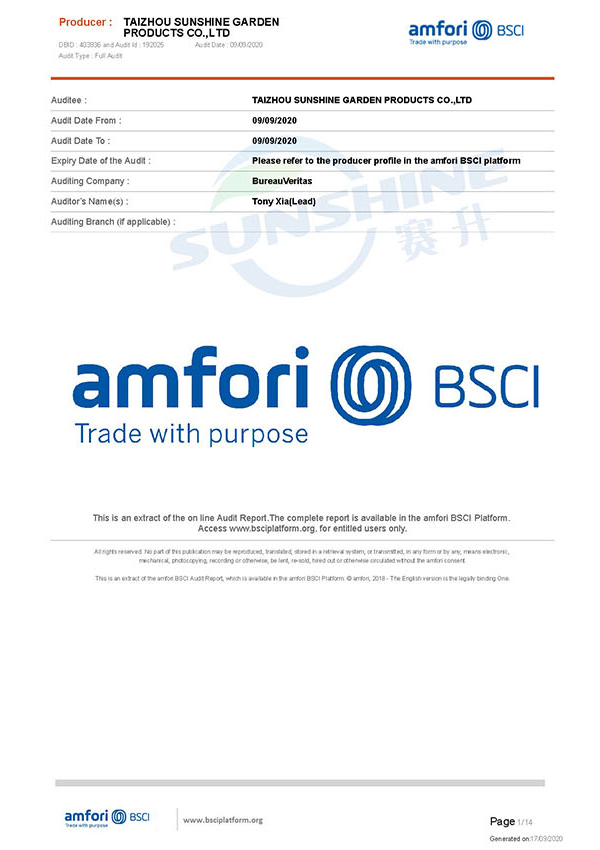
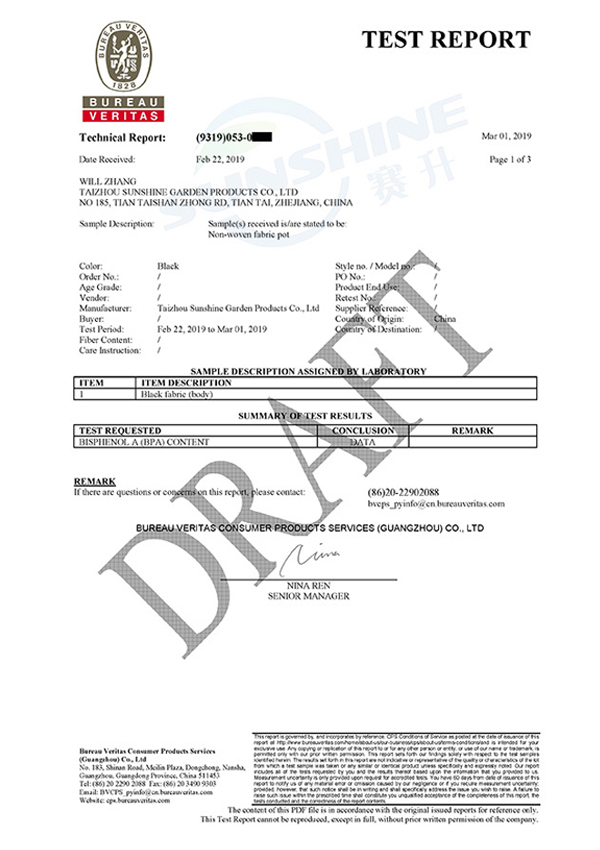
Our factories are supervised carefully, we have strict quality assurance test and lab test and multiple inspections. This means we find glitches before they become problems, thus preventing you from disastrous quality problems. We guarantee your satisfaction from start to finish.

We helped a lot of clients creating their own brand with our strict quality raw material select, higher quality production technology and professional services.

We could also make customized products according to your needs. you can talk to our customer service center about your sourcing requirements, whether selecting a current product from our catalog or seeking assistance for your application.

News
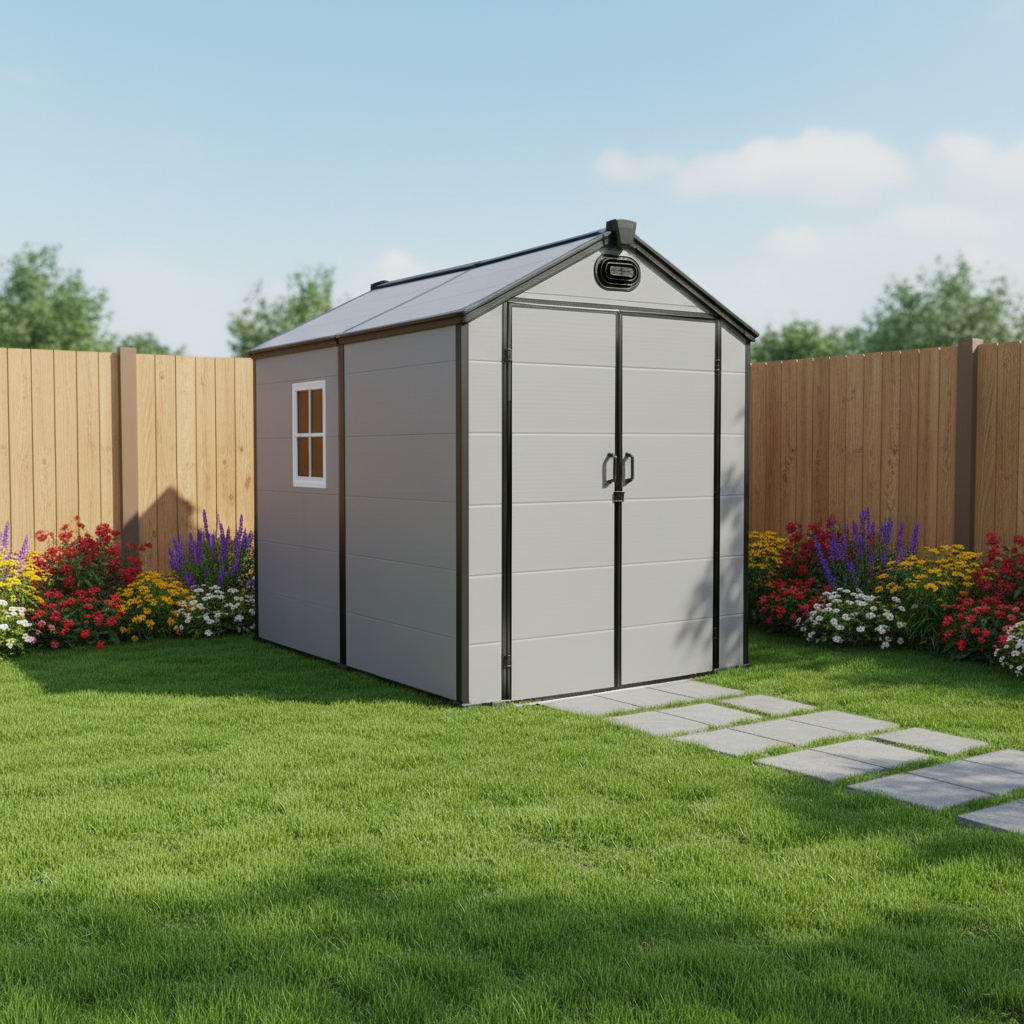
What are the advantages of the resin tool shed?
Dec 05.2025
The resin tool shed is an outdoor storage structure made of high-strength resin materials (usually polyethylene or polypropylene), mainly used for storing gardening tools, power tools, outdoor equipment, etc. Here are its advantages: Key Advantages 1. Extremely Low Maintenance: No Rotting, Rusting, or Corroding: Unlike wood or metal, resin is impervious to water, insects, and rust. No Painting or Staining Required: The color is molded throughout the material, so it won't peel or fade significantly. 2. Durability & Weather Resistance: Waterproof: Seamless design and tight fittings keep rain and snow out effectively. UV-Resistant: High-quality resins are treated to withstand sun exposure without significant brittleness or color loss. Won't Dent: Unlike metal, it resists dents from impacts. 3. Lightweight & Easy Assembly: Panels are much lighter than wood or metal, making them easier to handle. They feature a modular, interlocking design (like a large puzzle) that typically requires only basic tools (screwdriver, mallet) for assembly. 4. Security & Stability: Most models include a sturdy floor and anchor points to secure the shed to a base (like a concrete slab or wooden platform) for wind resistance. Pre-drilled holes for padlocks on doors provide basic security for valuable tools. 5. Aesthetic and Practical Design: Clean Look: Often designed to resemble wood paneling but without the upkeep. Available in various colors (green, grey, beige) to blend into garden settings. Integrated Features: Many include built-in ventilation, skylights, sturdy shelving brackets, and wide double doors for easy access. Important Considerations (Potential Drawbacks) Weight Capacity/Limit: Not designed for extremely heavy industrial machinery. Check the manufacturer's weight specifications. Extreme Heat: In very hot climates, poorly ventilated resin sheds can get quite warm inside. Aesthetic: While neat, some prefer the natural look of a wooden shed over plastic. Foundation is Crucial: This is the very critical step. A resin shed must be installed on a perfectly level, solid, and raised base (e.g., gravel, paving slabs, or a wooden frame) to prevent warping and ensure structural integrity.
Uniformity and Intensity Effects of CMH Sodium Light
Dec 05.2025
How Does CMH Sodium Light Influence Overall Illumination Uniformity? The use of CMH Sodium Light in horticulture and commercial lighting systems has become increasingly common due to its ability to deliver a balanced spectrum and strong radiant output. One of the relevant performance aspects is illumination uniformity—how evenly the light spreads over a designated area. Uniformity plays a major role in plant growth, visual comfort, and energy efficiency. • CMH-based sources typically produce a wider and more consistent beam pattern compared with traditional sodium lamps. Their arc tube design and optimized reflector compatibility help reduce hot spots and shadowed regions. • The broad-spectrum output improves the perceived and functional uniformity of light because wavelengths are more evenly distributed across the target surface. This makes them particularly favorable for grow rooms, retail areas, or warehouse settings that require predictable coverage. • Fixture geometry also contributes significantly. When paired with deep reflectors, these lights can distribute photons more evenly at medium-to-high mounting heights. However, shallow reflectors may create higher peak intensities in the center, reducing uniformity at the edges. • Spacing between fixtures further influences distribution. CMH systems tend to tolerate wider spacing due to their effective diffusion, but improper layout can still cause overlit centers and dim outer zones. Designers need to evaluate spacing-to-mounting height ratios carefully to maintain even illumination. How Much Does CMH Sodium Light Affect Intensity Levels Across a Growing or Working Area? Light intensity is critical for photosynthesis, visual tasks, and thermal management. The intensity delivered by CMH Sodium Light is influenced by wattage, spectrum, and bulb and ballast performance. • CMH lamps generally deliver higher PAR (Photosynthetically Active Radiation) per watt than traditional metal halide lamps. This higher photon efficiency translates into stronger plant growth or brighter illumination at the same power level. • The high CRI (Color Rendering Index) also gives the impression of greater brightness, even when intensity measurements (in lux or μmol/m²/s) are similar to competing technologies. This visual effect makes CMH systems popular in environments where color differentiation matters. • Over short distances, CMH fixtures can produce strong peak intensities due to their compact source. This can be beneficial for applications requiring directed, high-density light. However, it can also increase the risk of hotspots if the fixture is mounted too low or aimed improperly. • Intensity stability over time is another advantage. CMH lamps degrade more slowly than conventional sodium lamps, keeping intensity levels consistent and predictable. This reduces the need for frequent light planning adjustments or bulb replacements. What Design Factors Determine Whether Uniformity and Intensity Remain Suitable? Achieving both uniformity and sufficient intensity requires thoughtful system design. • Reflector Selection: Deep parabolic reflectors increase downward intensity but reduce side diffusion, affecting uniformity. Wide-angle reflectors distribute light broadly but may reduce center intensity. The ideal choice depends on mounting height and coverage requirements. • Mounting Height: Higher mounting heights improve uniformity by blending overlapping beams. However, they reduce intensity and may require higher wattage fixtures to meet PAR or lux targets. • Lamp Orientation: Vertical vs. horizontal lamp placements influence how energy is distributed. Vertical lamps often give more symmetrical spreads, while horizontal lamps generate stronger directional beams. • Ballast Quality: Poor-quality ballasts can cause flicker or inconsistent arc stability, affecting both uniformity and effective intensity. High-frequency digital ballasts typically enhance both parameters. • Environmental Surfaces: Reflective walls and ceilings can improve uniformity by redistributing stray photons. Conversely, dark surfaces absorb light, increasing intensity requirements. • Application Type: Horticulture applications benefit from high uniformity to avoid uneven canopy development, while industrial lighting may prioritize intensity for specific task areas.
Electrical Adaptability of CMH Sodium Light Under Variable Conditions
Nov 25.2025
CMH Sodium Light has gained widespread adoption in horticultural, commercial, and industrial applications due to its high luminous efficiency, stable color output, and extended lifespan. However, its performance is closely tied to the stability of the electrical supply. Voltage fluctuations and frequency variations can significantly influence the lamp’s operation, affecting light output, efficiency, and long-term reliability. Understanding the adaptability of CMH Sodium Light to these variations is essential for both manufacturers and end-users who seek consistent performance in environments with variable electrical conditions. Impact of Voltage Fluctuations Voltage fluctuations are a common challenge in many electrical systems, ranging from minor deviations to sudden spikes or drops. CMH Sodium Light is designed to operate within a specified voltage range. When the voltage falls below this range, the lamp may fail to ignite properly or deliver insufficient brightness, compromising performance. Conversely, high voltage can overstress the arc tube and ballast, causing excessive heat generation, accelerated wear, and potential lamp failure. Repeated exposure to voltage irregularities can reduce lamp life, increase maintenance requirements, and affect the overall cost-effectiveness of the lighting system. Frequency Variation and Lamp Performance The electrical frequency, typically 50 Hz or 60 Hz depending on the region, also plays a vital role in lamp operation. Minor deviations are usually tolerable, but substantial frequency variations can interfere with the ballast’s regulation of current and voltage. This may cause flickering, unstable arc formation, or inconsistent luminous output. Advanced ballasts in CMH Sodium Lights are designed to compensate for such variations, maintaining steady light output and protecting the lamp’s internal components. Proper matching of lamp specifications with regional frequency standards is crucial to avoid operational disruptions and ensure efficiency. Ballast Technology and Electrical Adaptation The ballast is the key element that enables CMH Sodium Light to handle voltage and frequency variations. Modern electronic ballasts actively monitor incoming electrical conditions and regulate current to stabilize lamp operation. They protect against overvoltage, undervoltage, and frequency-induced fluctuations. Magnetic ballasts, while less sophisticated, are robust and capable of tolerating standard regional electrical variations. Choosing the correct ballast type is critical to ensure that CMH Sodium Light maintains consistent performance, reduces energy losses, and improves service life. Protective Measures for Users For environments with an unstable electrical supply, additional protective measures can enhance the lamp’s adaptability. Voltage stabilizers, surge protectors, or uninterruptible power supplies (UPS) can safeguard against sudden spikes or drops, ensuring reliable operation. Proper installation practices, including correct ballast selection and compliance with manufacturer guidelines, further improve resilience to electrical fluctuations. Users must also consider environmental conditions, such as temperature and humidity, as these can compound the effects of electrical instability and affect overall lamp performance. Long-Term Implications Electrical adaptability has long-term implications for efficiency, maintenance, and cost. Lamps that can tolerate minor fluctuations without damage reduce downtime and maintenance frequency, providing consistent illumination and reducing operational costs. Conversely, lamps exposed to uncontrolled voltage or frequency variations may experience accelerated wear, diminished light quality, and shortened lifespan, ultimately affecting the reliability of lighting systems in critical applications such as horticulture or industrial workspaces. CMH Sodium Light demonstrates strong adaptability to electrical fluctuations, largely due to advanced ballast technology and engineered tolerances for voltage and frequency variations. While minor deviations are well-managed, prolonged electrical irregularities can affect performance and longevity. Implementing protective measures, selecting compatible ballasts, and adhering to manufacturer specifications ensure consistent, efficient, and safe operation. By understanding and managing electrical variability, users can improve the benefits of CMH Sodium Light, maintaining high-quality illumination across diverse applications and challenging environments.
Evaluating Heat Generation and Cooling Efficiency of CMH Sodium Light
Nov 21.2025
CMH Sodium Light is widely used in horticultural, industrial, and commercial applications due to its high luminous efficiency and stable performance. However, like all high-intensity discharge lighting, it generates considerable heat during operation. Effective heat management is critical, as excessive temperature can reduce lamp lifespan, decrease luminous output, and potentially compromise safety. Understanding the mechanisms of heat generation and evaluating the effectiveness of cooling strategies is essential for both manufacturers and end-users seeking suitable performance. Heat Generation in CMH Sodium Lights The primary sources of heat in CMH Sodium Lights are the arc tube and ballast. During operation, the electrical energy supplied to the lamp is partially converted into visible light, while the remaining energy manifests as thermal energy. High temperatures are especially prominent in the arc tube, which operates at several hundred degrees Celsius. Additionally, the ballast, which regulates voltage and current to maintain stable light output, also produces heat that contributes to the overall thermal load of the system. Without adequate thermal control, this heat can accumulate, causing elevated surface temperatures on the lamp housing and surrounding components. Impact of Heat on Performance and Longevity Excessive heat can have several adverse effects on CMH Sodium Lights. Elevated temperatures accelerate the degradation of phosphor coatings and internal components, causing faster lumen depreciation and color shift. In bad cases, prolonged exposure to high heat can cause structural damage to the arc tube or lens, resulting in reduced operational lifespan or catastrophic failure. Heat also impacts electrical components in the ballast and wiring, potentially causing reduced efficiency or safety hazards. Therefore, controlling thermal output is not only a matter of efficiency but also a critical factor in maintaining the reliability and safety of the lamp. Cooling and Heat Dissipation Design Effective cooling strategies are integral to ensuring stable operation. Most CMH Sodium Lights incorporate heat sinks, aluminum housings, or finned structures to facilitate passive heat dissipation. Convection-driven airflow around the lamp aids in transferring heat away from critical components. Some advanced designs use active cooling, such as integrated fans or forced-air circulation, to maintain lower operating temperatures even in high-intensity or continuous-use scenarios. Proper thermal management ensures that the lamp maintains suitable luminous efficacy, preserves component integrity, and extends operational lifespan. Environmental and Installation Considerations The effectiveness of heat dissipation also depends on environmental factors and installation. Poor ventilation, high ambient temperatures, or enclosed fixtures can reduce cooling efficiency, causing increased surface temperatures. Correct spacing, orientation, and fixture design are essential to enhance airflow and allow heat to escape efficiently. Users must consider these factors when installing CMH Sodium Lights to prevent thermal buildup and ensure safe, reliable operation. CMH Sodium Lights generate significant heat during operation, primarily from the arc tube and ballast. Without effective thermal management, this heat can negatively impact performance, efficiency, and longevity. Proper cooling design, including heat sinks, finned housings, and sometimes active airflow systems, is crucial to dissipate heat effectively. Additionally, installation practices and environmental conditions play a significant role in maintaining suitable thermal performance. By prioritizing heat management, manufacturers and users can improve the efficiency, safety, and lifespan of CMH Sodium Light systems, ensuring reliable performance across various applications.
Stability and Deformation Concerns of the Rolling Bench Under Load
Nov 14.2025
Rolling Benches are widely used in workshops, laboratories, and industrial settings due to their mobility and versatility. While they offer convenience, a critical consideration is whether the bench remains stable under load and during operational use. Excessive wobbling or structural deformation can compromise both safety and work efficiency. Evaluating the factors that influence stability, including material strength, frame design, and load distribution, is essential for ensuring reliable performance in demanding work environments. Material and Frame Strength The stability of a rolling bench primarily depends on the materials used in its construction and the rigidity of its frame. Heavy-duty steel frames offer high tensile strength and resistance to bending under significant loads. Aluminum frames, while lighter, require reinforced design elements to prevent flexing. The choice of tabletop material also affects overall stiffness; thick wooden or composite surfaces distribute weight evenly and resist sagging, while thinner or low-density materials may deform under repeated stress. A combination of strong framing and robust surface material is critical to prevent wobbling and maintain a level work surface during heavy-duty operations. Impact of Load Distribution The weight applied to the rolling bench significantly affects its stability. Concentrated loads in one area can create torque or bending moments that cause temporary deformation or wobbling. Evenly distributed loads reduce stress on individual components and maintain balance, while uneven placement of heavy tools or equipment may cause tilting or flexing. Design features such as crossbars, reinforced legs, and strategically placed supports help distribute weight more uniformly and decrease the risk of structural instability under typical working conditions. Role of Wheels and Mobility Mechanisms The mobility aspect of rolling benches introduces unique stability considerations. High-quality locking casters or wheel brakes are essential to prevent unwanted movement during operation. Poorly designed wheels or those without secure locking mechanisms can allow the bench to shift when pressure is applied, causing wobbling and potential accidents. Additionally, the wheelbase width and placement influence how the bench responds to dynamic forces; a wider base generally improves lateral stability, reducing the likelihood of tipping under heavy loads. Design Strategies to Reduce Deformation Preventing structural deformation requires careful design of both the tabletop and frame. Reinforcements such as ribbing, braces, and crossbars strengthen critical load-bearing areas, while thick, high-density tabletops resist sagging over time. Adjustable leveling feet can also be incorporated to compensate for uneven flooring, ensuring consistent stability during use. A well-engineered rolling bench balances mobility with rigidity, allowing for heavy-duty operation without compromising safety or precision. Maintenance and Longevity Even the well-designed rolling bench can develop wobbles or deformations if not properly maintained. Regular inspection of frame joints, fasteners, and locking mechanisms ensures that all components remain tight and aligned. Cleaning and lubricating wheels prevents uneven movement, while checking for cracks or warping in the tabletop helps detect early signs of deformation. Proactive maintenance extends the operational lifespan of the bench and maintains reliable performance during daily tasks. The stability and deformation resistance of a rolling bench are influenced by material selection, frame design, load distribution, and wheel quality. Proper engineering and maintenance ensure that the bench remains stable under heavy loads and during routine operations. By focusing on these factors, manufacturers and users can achieve a durable, safe, and efficient mobile workstation that withstands the demands of industrial, laboratory, or workshop environments.
How Material and Thickness Affect Rolling Bench Performance
Nov 07.2025
Rolling Benches are essential tools in workshops, laboratories, and manufacturing environments, providing a stable surface for assembly, maintenance, or testing tasks. The efficiency and longevity of these benches are directly influenced by the choice of materials and the thickness of the tabletop. Selecting appropriate materials and determining suitable thickness can enhance productivity, reduce maintenance costs, and extend the operational life of the bench. Understanding these factors is critical for both designers and end-users seeking reliable and high-performing workstations. Impact of Material Selection on Durability The material used for a bench surface significantly affects its durability and resistance to wear. Common materials include hardwood, medium-density fiberboard (MDF), stainless steel, and laminated composites. Hardwood and MDF provide good shock absorption, making them suitable for delicate tasks, but they may be prone to scratches or moisture damage if not properly treated. Metal surfaces, particularly stainless steel, offer good durability, resistance to impact, and long-term stability under heavy loads. Laminated composites combine the advantages of both wood and metal, offering a balance between toughness, resistance to chemicals, and surface smoothness. The material choice ultimately determines how well the bench can withstand repetitive use, heavy tools, and environmental stressors. Influence of Thickness on Work Efficiency Tabletop thickness is another critical factor that impacts both stability and performance. Thicker surfaces can support heavier equipment without bending or warping, ensuring a reliable workspace during complex tasks. Adequate thickness reduces vibrations and provides a firm base, particularly when precision work or machinery is involved. Conversely, thinner surfaces may reduce overall bench weight and improve mobility, but they risk deformation under heavy loads, which can compromise efficiency and safety. Therefore, selecting an appropriate thickness is a balance between durability, weight, and the specific requirements of the intended tasks. Effect on Load Distribution and Vibration Material and thickness also influence how a bench distributes weight and absorbs vibrations. Dense, thick surfaces provide better load distribution, preventing localized stress points that could cause cracks or structural fatigue. This ensures that tools and equipment remain stable, reducing errors and enhancing productivity. Similarly, benches with inadequate thickness or low-density materials may flex under load, creating instability that hinders work precision and increases the risk of accidents. A well-chosen combination of strong material and proper thickness contributes to a safer and more efficient working environment. Maintenance and Longevity Considerations Durable materials and sufficient thickness reduce the frequency of repairs and maintenance. Metal or treated composite surfaces are easier to clean, resist corrosion, and maintain their flatness over time, while untreated wooden benches may require periodic sanding or sealing. Investing in high-quality materials and thickness not only improves immediate work efficiency but also ensures that the Rolling Bench remains functional and reliable for years, reducing downtime and replacement costs. The material and thickness of a Rolling Bench directly influence its durability, stability, and overall efficiency. Selecting strong, resilient materials and ensuring adequate thickness enhances load-bearing capacity, reduces vibration, and improves precision during work tasks. These factors, combined with proper maintenance, extend the operational life of the bench and provide a safe, productive workspace. By carefully considering material properties and tabletop thickness, users and manufacturers can optimize performance and ensure the bench meets the demands of various industrial and workshop environments.

Industry Knowledge

What Are Plastic Pots & Trays?

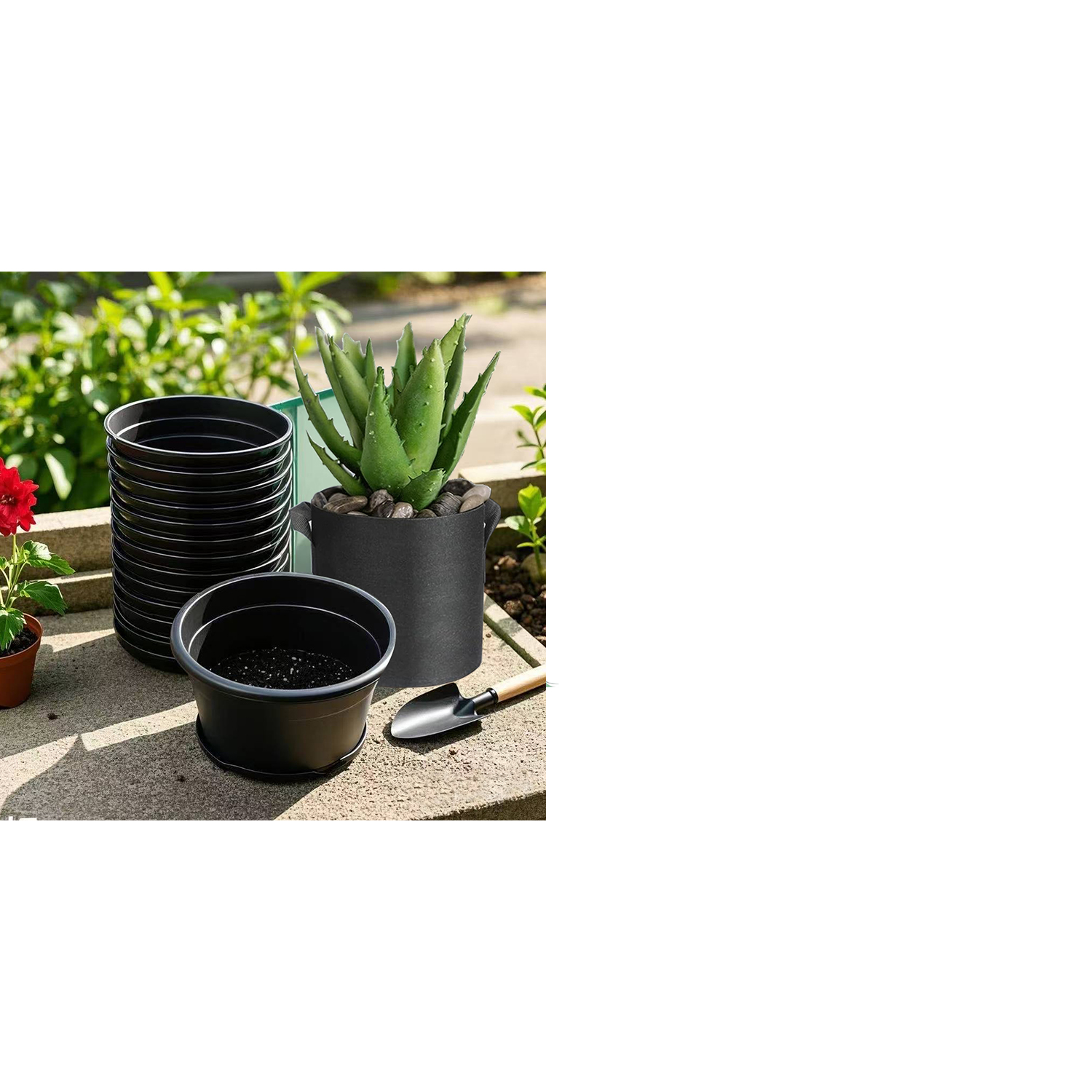
Plastic pots and trays are containers made of plastic material, used to grow and hold plants or seedlings in the horticulture and agriculture industry. Plastic pots and trays are commonly used in gardening and agriculture to contain and grow plants. They are often made from a plastic material called polypropylene, which is durable and resistant to moisture, making them well-suited for use in gardening. They are lightweight, durable, and come in a range of sizes and shapes, making them a popular choice for gardeners, farmers, and nurseries.

The role of the Plastic Pot & Tray

Plastic pots and trays play a crucial role in the horticulture and agriculture industry as they serve as containers for growing and transporting plants and seedlings. They protect the plants from damage, provide proper drainage and support for their roots, and make it easier to handle and transport them. Additionally, plastic pots and trays are lightweight, durable, and cost-effective, making them a popular choice for commercial growers and home gardeners alike.

Types of the Plastic Pot & Tray

There are several types of plastic pots and trays used in horticulture and agriculture:
1. Nursery pots: These are round or square pots used for growing plants and seedlings.
2. Seed trays: Used for starting seedlings, seed trays have cells or compartments to hold individual seeds.
3. Propagation trays: Similar to seed trays, propagation trays are used for rooting cuttings or starting plants from seeds.
4. Growing trays: These are flat trays used for growing plants in a hydroponic or soil-based system.
5. Vertical garden pots: These are pots designed for growing plants in a vertical manner, often used in small space gardens.
6. Biodegradable pots: Made from biodegradable materials like peat, these pots decompose over time, reducing waste.
All these pots and trays come in different sizes and shapes, and some are made from recyclable plastic, making them an eco-friendly option.