

Greenhouse operators run into watering that ends up patchy and throws plant development off balance in bigger spaces. Some spots stay too wet while others dry out faster than expected. Drainage headaches build up and quietly eat away at the daily schedule. Bench Tray setups step forward as a solid way to bring order to water on those raised surfaces.
Surfaces laid out with paths help liquid travel with some direction rather than wandering everywhere. Moisture hits the containers in ways that feel steadier overall. You pick up the ability to track things without standing over the area constantly.
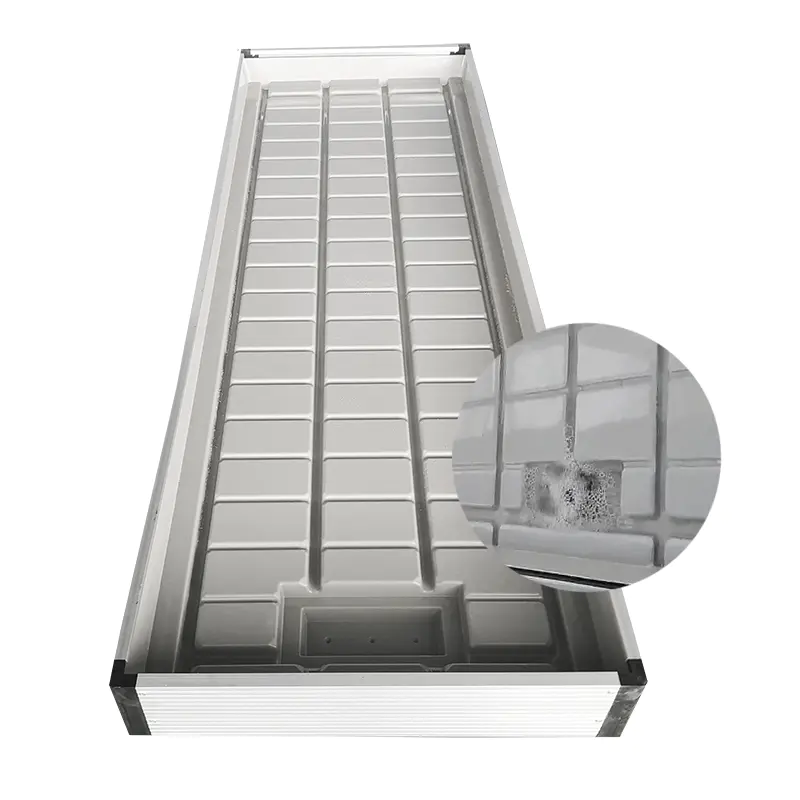
The change becomes clear when you switch from plain flat areas where water gathers in surprise spots. Channeled approaches reshape how the space deals with moisture round after round. Sometimes a small tilt adjustment makes the whole pattern feel more natural during damp stretches.
Trays hold what the plants do not take in after each watering pass. Grooves near the sides draw the extra away from the pots. That keeps buildup from hanging around and causing extra headaches.
Then the flow heads to outlets and loops back into the system when it makes sense. Operators often say they like not chasing loose drops manually anymore. It brings a quiet reliability to busy stretches.
On the flip side, every layout has its own personality. A slight angle tweak can ease drainage when humidity climbs.
Solution rises from below in planned windows to spread across the base. Containers take what they need through that upward draw. After the set time, levels drop and leave room for roots to get air.
Timers hold the rhythm steady for groups of benches. One grower told me how this eased the constant guessing in seedling zones. Cycles run with less back and forth than hand watering ever delivered.
Yet matching the timing to growth stages still needs watching. Younger plants react differently than older ones sitting nearby.
Sending the solution around the loop means fewer fresh additions through the weeks. Nutrients stick around longer instead of heading out. Tweaks follow what shows in checks or plant signals.
Crew shifts attention toward watching health instead of pouring time into watering. The routine falls into a dependable groove with other tasks. You catch yourself adjusting pump times as seasons move along.
Profiles stay fairly low so they fit various container shapes without hassle. Surfaces wipe clean fast between groups. Gentle slopes push for full emptying each time.
Links join return routes that head to holding areas. Materials cope with usual greenhouse conditions without much fuss. Sections connect up to cover benches of different lengths.
Moisture often travels upward from the base in these arrangements. Roots tend to reach deeper because of it. Levels hold fairly even from one side to the next.
Imagine how overhead spraying can miss corners or drench some areas heavy. The switch shows up later in more even leaf growth.
Seedlings handle lighter flooding without much disturbance to tender roots. Bigger pots take the volume without spilling over. Hydroponic lines fit right into the tray layout.
Nursery rows manage mixed varieties placed close together. Commercial areas stretch the pattern to match daily needs. Layouts shift naturally as demands change through the year.
Position containers with space between them. Link supply lines to entry points. Program fill intervals. Route drainage to storage tanks. Check slopes for complete release. Watch solution behavior as plants develop.
Going through these steps builds a feel for the system. Notes from each round help shape the next one.
| Feature | Function in Water Management | Typical Application |
|---|---|---|
| Drainage Channels | Direct excess liquid toward outlets | Prevents standing water |
| Inlet Connections | Allow solution entry during flood phase | Supports uniform coverage |
| Sloped Base | Ensures complete draining | Reduces residue buildup |
| Edge Containment | Holds solution during cycles | Controls water within defined area |
| Modular Sections | Enable custom bench lengths | Fits various greenhouse layouts |
Each part works together into a bigger picture.
Even delivery gives plants similar shares during the cycles. Growth gaps shrink when supply stays level. Patterns start to feel more predictable week by week.
In mixed plantings the effect stands out especially. Varieties side by side advance without one pulling ahead suddenly.
Sensors catch fill levels and kick pumps into action on schedule. Lines carry solution through cleaning before return. Alerts point out anything off track.
Daily checks lighten up. Teams handle only the exceptions. Flow continues even during longer quiet periods.
Path inspections keep movement open. Rinses clear particles now and then. Surface cleaning stops layers from slowing things.
Components replace when wear shows up. Attention here keeps action steady across crop turns. Routines blend in after a while.
Trays connect through shared pipes for several zones. Central tanks feed groups with separate controls. Adjustments target chosen areas.
Output grows without equal labor jumps. Water stays inside the boundaries. Zone handling manages different batches.
Older benches collect in low spots and leave dry patches. Open floors let liquid escape. Manual watering creates timing gaps between rows.
Trays pull everything onto one managed level. Flow follows set courses more than luck. Conditions gain steadiness across the space.
Units sit on frames already there. Rolling styles open access from narrow aisles. Fixed forms fill steady structures.
Pipes follow current supports. Tanks position near circulation points. Elements work for new builds or updates.
Return volumes get periodic looks. Cycle lengths shift with plant needs. Concentrations adjust from visible signs.
Records form background for later choices. Small changes add up. The setup grows with the schedule.
Liquid on planned routes reaches targets more directly. Remainders return instead of disappearing. Plants face fewer swings between dry and wet.
Lower profiles suit compact containers and quicker rounds. Greater depths handle bigger fills. Selection lines up with crop needs.
Shorter drains keep moisture nearby longer. Extended ones open air space. Growers weigh them against plant habits.
Extra units attach as needs grow. Pumps and tanks match the reach. Controls add viewing options.
Connected style supports gradual buildup. Full replacement stays off during growth.
Steady moisture keeps root activity even. Foliage fills with less difference. Crop quality gains from fewer swings.
Connections get quick views before cycles. Checks confirm drainage. Pattern shifts prompt fixes.
Tasks weave into greenhouse habits. Familiarity grows. Action stays familiar.
Closed loops limit unused loss. Recovered liquid passes treatment. Methods fit careful production.
Shorter rounds fit active growth. Longer gaps suit cooler times. Adjustments follow natural shifts.
Trays pair with pump varieties. Sensors place at points. Links reach surrounding controls.
Bench trays lay down support for water patterns touching many greenhouse sides. They shape flow in irrigation, gather leftovers, and open practical reuse. Growers fold them into wider setups weighing handling against plant demands in changing conditions. Guiding liquid along set ways brings steadier rounds and meets real daily pressures. Collection during use and enabling return respond to actual management needs. Taizhou Sunshine Garden Products Co., Ltd. supplies options suited for different scales of operation and welcomes inquiries about tailoring solutions to specific greenhouse layouts.

 英语
英语 俄语
俄语 德语
德语 西班牙语
西班牙语 法语
法语

.jpg?imageView2/2/w/800/h/800/format/webp/q/75)
.jpg?imageView2/2/w/800/h/800/format/webp/q/75)
.jpg?imageView2/2/w/800/h/800/format/webp/q/75)
.jpg?imageView2/2/w/800/h/800/format/webp/q/75)
.jpg?imageView2/2/w/800/h/800/format/webp/q/75)
-1.jpg?imageView2/2/w/800/h/800/format/webp/q/75)
.jpg?imageView2/2/w/800/h/800/format/webp/q/75)
-1.jpg?imageView2/2/w/800/h/800/format/webp/q/75)
.jpg?imageView2/2/w/800/h/800/format/webp/q/75)
-1.jpg?imageView2/2/w/800/h/800/format/webp/q/75)
-1.jpg?imageView2/2/w/800/h/800/format/webp/q/75)