

CMH Sodium Light is usually mentioned when people compare two lighting types that behave quite differently in real use.
CMH lighting gives a more neutral appearance, closer to natural daylight. Sodium lighting looks warmer and leans strongly toward orange tones.
In everyday applications, the contrast shows up in simple ways:
The color difference between CMH Sodium Light systems comes from how each one produces visible output.
CMH lighting spreads its output more evenly, so the eye receives a mix that feels closer to daylight. Sodium lighting leans heavily into a narrower range, which creates that orange look.
| Aspect | CMH Lighting | Sodium Lighting |
|---|---|---|
| Visual tone | Neutral white | Warm orange |
| Color impression | More natural feel | More limited color range |
| Scene appearance | Clear and balanced | Warm and uniform |
The way CMH Sodium Light systems produce their output affects how they perform in real settings.
CMH lighting spreads its output across a wider range, which helps objects retain more detail and variation. Sodium lighting concentrates its output more tightly, which changes how surfaces are seen.
In real use, this leads to different behavior:
Typical usage pattern:
The difference in spectrum behavior is a key reason CMH Sodium Light is often compared in practical planning.
How CMH and Sodium Light Influence Plant Growth in Controlled Environment Cultivation
| Growth Stage | CMH Lighting Role | Sodium Lighting Role |
|---|---|---|
| Early stage | Balanced support | Limited role |
| Mid stage | Stable development | Increasing influence |
| Later stage | Supportive lighting | Stronger response effect |
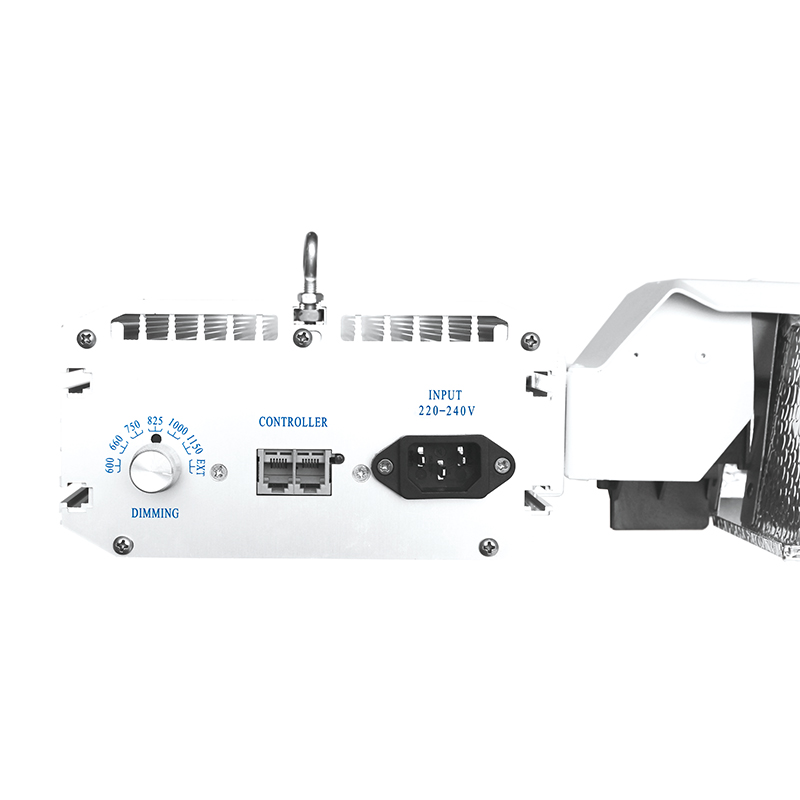
CMH Sodium Light discussions often shift toward indoor environments where control over lighting conditions becomes more important than simple illumination. CMH lighting tends to be associated with situations where a more balanced visual environment is required, especially when small changes in plant or material appearance need to be observed more clearly. The steadier visual output makes it easier to work in spaces where consistency matters across different stages of use.
In many indoor cultivation setups, CMH lighting is chosen because it offers a more even visual field that supports observation and adjustment without strong color distortion. This makes it easier to notice subtle changes over time. Sodium lighting can still be present in some systems, but it is usually less associated with precision-oriented environments due to its stronger color shift. Within CMH Sodium Light comparisons, the indoor context often highlights the importance of visual neutrality and stable perception rather than intensity alone.
Sodium lighting continues to appear in many outdoor environments where broad and consistent coverage is more relevant than color detail. In CMH Sodium Light comparisons, sodium systems are often linked to large open spaces where visibility over distance is the main concern rather than fine visual accuracy.
Roadside environments, extended pathways, and large-scale public areas are typical settings where sodium lighting can still be found. The warm tone helps create a uniform appearance across wide zones, especially where complex color recognition is not required. While newer systems may be introduced in some locations, sodium lighting remains part of established infrastructure layouts due to its long-standing application history.
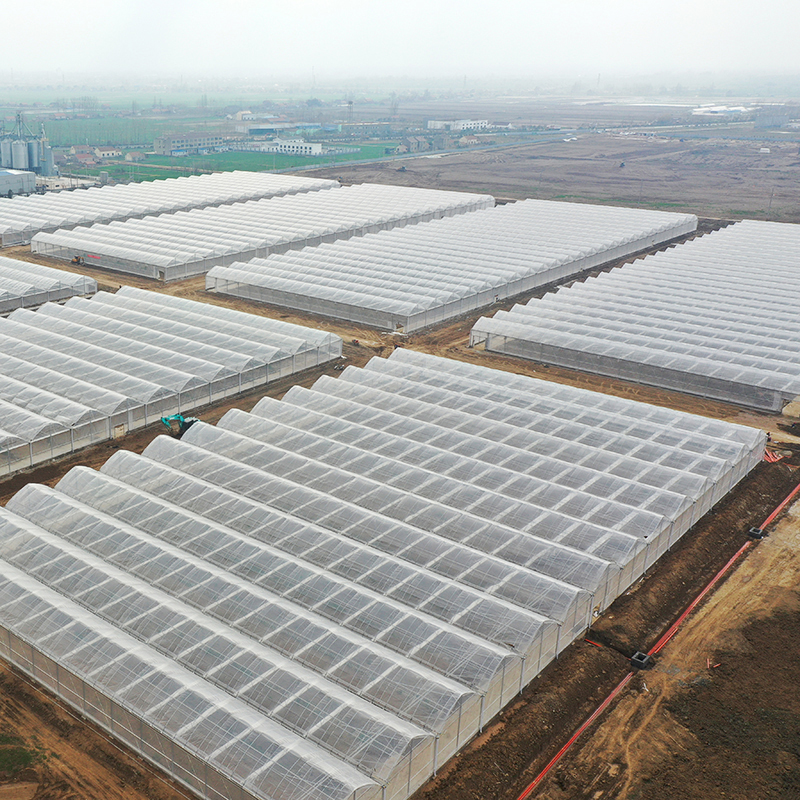
In industrial and agricultural contexts, CMH Sodium Light systems are often considered based on how the environment is used and what kind of visual feedback is needed. CMH lighting tends to align with spaces where inspection, monitoring, or controlled processes take place, as it allows for clearer distinction of shapes and conditions. This makes it easier to maintain consistency in environments where visual accuracy supports decision-making.
Sodium lighting, in contrast, is often linked to broader coverage areas where uniform illumination is sufficient and fine visual detail is less critical. In agricultural environments, both lighting types may appear in different zones depending on the stage of activity or the layout of the space. CMH Sodium Light comparison in these settings is usually about matching lighting behavior to functional zones rather than selecting a single solution for all areas.
When evaluating CMH Sodium Light options, the decision often depends on how the space will be used over time rather than a single fixed factor. CMH lighting is generally associated with environments where visual clarity, consistency, and closer observation are part of daily operation. Sodium lighting tends to fit areas where wide coverage and stable long-term illumination are more relevant.
Project conditions such as space layout, usage frequency, and visual requirements all influence how these two lighting types are applied. In some cases, both may appear within the same system design but serve different roles depending on location and function. CMH Sodium Light selection is therefore more about aligning lighting behavior with operational needs than comparing them in isolation.
In practical manufacturing and supply considerations, attention is often placed on compatibility with different environments and installation requirements. Within this context, Taizhou Sunshine Garden Products Co., Ltd. is sometimes referenced in relation to lighting-related application support in horticultural and controlled environment setups.

 英语
英语 俄语
俄语 德语
德语 西班牙语
西班牙语 法语
法语

.jpg?imageView2/2/w/800/h/800/format/webp/q/75)
.jpg?imageView2/2/w/800/h/800/format/webp/q/75)
.jpg?imageView2/2/w/800/h/800/format/webp/q/75)
.jpg?imageView2/2/w/800/h/800/format/webp/q/75)
.jpg?imageView2/2/w/800/h/800/format/webp/q/75)
-1.jpg?imageView2/2/w/800/h/800/format/webp/q/75)
.jpg?imageView2/2/w/800/h/800/format/webp/q/75)
-1.jpg?imageView2/2/w/800/h/800/format/webp/q/75)
.jpg?imageView2/2/w/800/h/800/format/webp/q/75)
-1.jpg?imageView2/2/w/800/h/800/format/webp/q/75)
-1.jpg?imageView2/2/w/800/h/800/format/webp/q/75)