

Growing plants at home has turned into a genuinely popular way to enjoy fresh vegetables, flowers, and just the general activity of gardening. That said, outdoor conditions can make plant care trickier than people expect — shifts in weather, temperature swings, and changing seasons all affect how plants actually develop. A greenhouse gives plants a protected space where growing conditions stay more controlled. Among the available options, a Small Walk in Green House and a traditional garden greenhouse are two commonly considered choices. Both extend what's possible with gardening, but they offer fairly different experiences day to day. A walk-in greenhouse leans into accessibility and personal growing space, while traditional greenhouse designs usually focus on larger growing areas built for long-term planting. Understanding what separates the two makes it a lot easier to pick something that actually fits available space, daily habits, and overall planting goals.
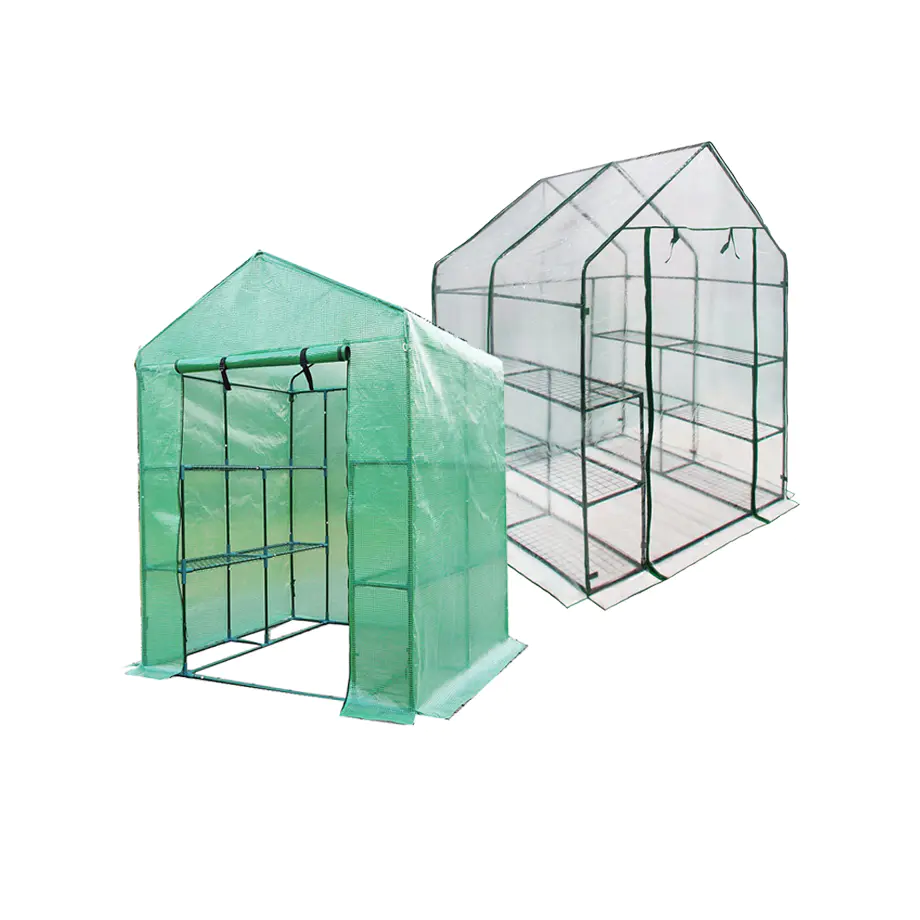
A Small Walk in Green House is a compact structure built so people can actually step inside and tend to plants directly. Unlike a simple covered shelter that only shields plants from outside, this one gives users enough room to move around while watering, rearranging, or generally maintaining what's growing inside.
Common uses include:
| Application | Purpose |
|---|---|
| Home gardening | Growing vegetables, herbs, and flowers |
| Small outdoor spaces | Creating a dedicated planting area |
| Plant protection | Helping plants handle changing weather |
| Hobby gardening | Supporting personal gardening activities |
Convenience is really the main selling point here. Gardeners can step inside rather than reaching plants awkwardly from outside the structure — which makes daily upkeep noticeably easier, especially when there are multiple plants to manage at once. A walk-in setup also tends to make the whole gardening experience more enjoyable, since tools and plants can share the same organized space.
Traditional garden greenhouses are the structures many people imagine when they hear the word "greenhouse" — designed around protected growing conditions, with spacious planting areas and suitability for various gardening activities.
Traditional designs tend to support:
Many gardeners choose traditional styles because they provide a familiar approach to protected cultivation. The design usually focuses on making effective use of growing space and creating conditions that allow plants to develop with fewer disruptions from outdoor changes.
The core difference between these two styles really comes down to how the space gets designed and used. A walk-in greenhouse puts personal access and easy management front and center. A traditional greenhouse tends to focus more on planting capacity and longer-term growing arrangements.
| Feature | Small Greenhouse Walk in | Traditional Garden Greenhouse |
|---|---|---|
| Space style | Compact and accessible | Often built for larger planting areas |
| User access | Easy entry for daily care | Varies depending on structure |
| Main purpose | Home gardening convenience | Broader cultivation needs |
| Plant management | Suited to personal use | Suited to organized growing |
Which one actually makes more sense depends entirely on how the greenhouse will get used. A gardener who enjoys hands-on daily interaction with their plants will probably appreciate the accessibility a walk-in design offers. Someone planning bigger planting projects tends to lean toward the traditional structure instead.
A lot of home gardeners pick walk-in greenhouses simply because they make plant care feel less like a chore. Gardening isn't only about growing things successfully — it's also about actually enjoying the process along the way.
A walk-in greenhouse brings a handful of practical perks:
For anyone who tends to plants on a regular basis, being able to just step inside tends to make daily tasks feel a lot more pleasant. Tools, watering supplies, and planting materials can sit nearby too, which keeps everything a bit more organized in one spot.
Traditional greenhouses tend to get chosen when gardeners need more room to work with. They offer space for a wider variety of plants and allow for more structured layouts overall.
Common reasons people go this route:
A traditional greenhouse tends to suit gardeners who treat planting as a fairly serious hobby, rather than a casual weekend activity. The design supports more extensive planning and leaves room for different gardening methods to coexist.
How much outdoor space someone actually has plays a big role in this decision. Not every garden looks the same — some homes work with small yards, balconies, or fairly limited outdoor areas, while others have plenty of room to spare for a bigger setup.
A Small Walk in Green House tends to fit nicely into tighter spaces, letting gardeners carve out a dedicated growing area without needing to give up a large chunk of the yard. Traditional greenhouses usually need a bit more upfront planning, since their size and structure directly affect where they can go.
Worth asking before deciding:
| Question | Reason |
|---|---|
| How much outdoor space is available? | Helps determine a suitable greenhouse size |
| How many plants will be grown? | Supports better overall planning |
| How often will the greenhouse be used? | Matches the design to daily habits |
| Where will it be placed? | Affects convenience and access |
The right greenhouse should really just fit naturally into whatever space is already available.
Maintenance is a genuinely important part of gardening — regular watering, organizing tools, checking on plant health, and keeping the growing area tidy all take time.
A Small Walk in Green House tends to simplify these tasks, since users can move around inside and reach different areas directly without much fuss. Traditional greenhouses can be maintained just as effectively, but their larger footprint usually calls for more planning ahead of time.
Maintenance differences generally come down to:
A smaller structure often feels more manageable for beginners, since there's simply less to keep track of. A larger greenhouse opens up more possibilities, but it usually asks for more time and planning in return.
Gardening styles differ quite a bit from person to person. Some people enjoy tending to a handful of favorite plants and spending real time with them. Others prefer building out larger collections and experimenting across different varieties.
A Small Walk in Green House tends to suit gardeners who value:
Traditional greenhouses tend to appeal more to gardeners who prefer:
Really, the choice ends up tied to lifestyle just as much as it's tied to planting goals. A greenhouse should support the way someone actually likes to garden, not the other way around.
Deciding between a Small Walk in Green House and a traditional one comes down to thinking through practical, everyday needs. A few useful questions:
Different plants call for different amounts of space and care.
Frequent gardeners tend to value easier access more than occasional ones.
The greenhouse should fit comfortably without creating space problems elsewhere in the yard.
Beginners might prefer something simpler, while more experienced gardeners may want extra room to take on bigger projects. A greenhouse is really a long-term gardening investment. Picking a design that fits well from the start tends to make the whole planting process more enjoyable and easier to manage down the line. Both a Small Walk in Green House and a traditional garden greenhouse provide protected growing space, but they serve genuinely different needs. Walk-in designs lean into accessibility, convenience, and personal use, while traditional greenhouses tend to support larger planting plans and more organized cultivation. Understanding these differences makes it easier for gardeners to settle on a style that actually matches their space, habits, and long-term plant care goals.

 英语
英语 俄语
俄语 德语
德语 西班牙语
西班牙语 法语
法语

.jpg?imageView2/2/w/800/h/800/format/webp/q/75)
.jpg?imageView2/2/w/800/h/800/format/webp/q/75)
.jpg?imageView2/2/w/800/h/800/format/webp/q/75)
.jpg?imageView2/2/w/800/h/800/format/webp/q/75)
.jpg?imageView2/2/w/800/h/800/format/webp/q/75)
-1.jpg?imageView2/2/w/800/h/800/format/webp/q/75)
.jpg?imageView2/2/w/800/h/800/format/webp/q/75)
-1.jpg?imageView2/2/w/800/h/800/format/webp/q/75)
.jpg?imageView2/2/w/800/h/800/format/webp/q/75)
-1.jpg?imageView2/2/w/800/h/800/format/webp/q/75)
-1.jpg?imageView2/2/w/800/h/800/format/webp/q/75)