The spectral characteristics of CMH Sodium Light are a crucial factor that influences its overall lighting performance. Unlike traditional lighting options, the spectrum of light emitted by CMH Sodium lights can significantly affect various applications, from general illumination to horticultural use.
-1.jpg)
The Spectrum of CMH Sodium Light
- Broad Spectrum Emission: CMH Sodium lights are known for emitting a broad spectrum of light, which is similar to natural sunlight. This makes them a versatile option for many applications. The light spans across a wide range of wavelengths, from ultraviolet (UV) to infrared (IR), ensuring a more balanced and effective light output.
- High Yellow and Red Content: The CMH Sodium light has a strong presence in the yellow and red regions of the spectrum. This makes it particularly effective for plant growth, as these wavelengths are essential for processes like photosynthesis. However, for general lighting purposes, this yellow-red dominance can make spaces appear warmer and more intense.
- Blue Light Balance: Although CMH Sodium Lights are not as rich in blue light as some other lighting technologies like LED, they do provide a balanced amount that contributes to better color rendering. This makes them suitable for environments where color accuracy and vibrancy are important.
Influence on Lighting Effects
- Impact on Visual Comfort: The high yellow-red content of CMH Sodium lights creates a warm, comfortable ambiance, which is ideal for spaces such as living rooms or hospitality venues. However, it can make workspaces appear dimmer and may not be ideal for tasks requiring high color accuracy. The light can also affect the overall mood of a room, providing a more relaxed and cozy feel.
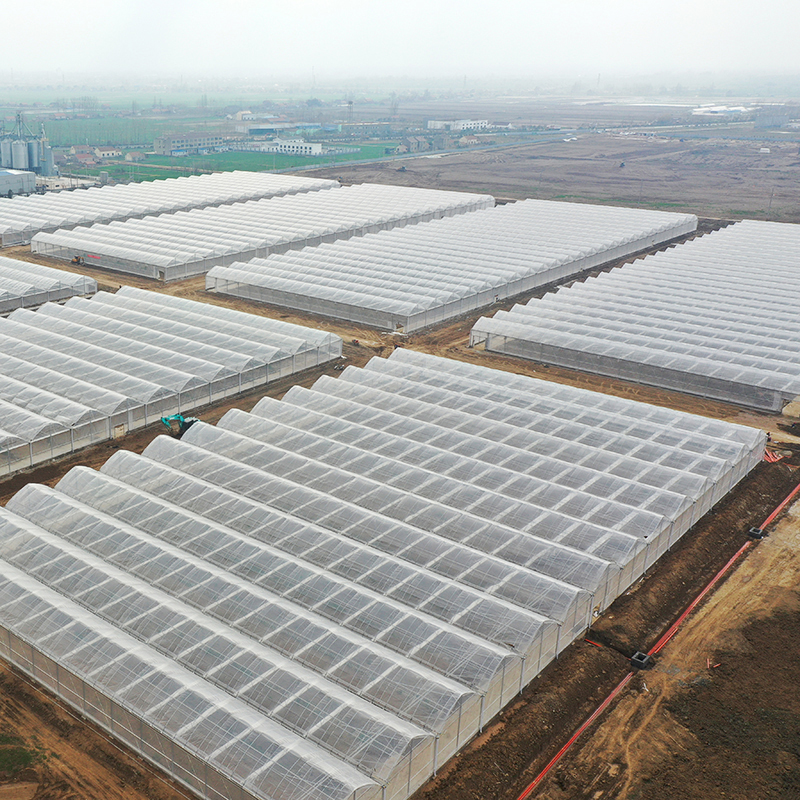
- Plant Growth Enhancement: CMH Sodium lights are widely used in horticultural applications, where their spectrum is highly beneficial. The presence of red and yellow wavelengths accelerates plant growth, flowering, and fruit production. This is why many greenhouse and indoor gardening setups prefer CMH Sodium lights, as they mimic natural sunlight and create suitable growth conditions.
- Color Rendering and Appearance: The broad spectrum of CMH Sodium Light helps improve color rendering, making objects appear more natural compared to other types of artificial lighting. While it doesn’t provide good color accuracy, it is more reliable than traditional high-pressure sodium lamps, which have a much narrower spectrum focused on yellow light.
Benefits and Considerations
- Energy Efficiency and Longevity: Despite the warmth and intensity of the light, CMH Sodium Lights are energy-efficient compared to other lighting options that produce a similar spectrum. They offer longer lifespans and better performance at lower energy consumption, which makes them a good choice for both commercial and residential applications.
- Adaptability to Different Environments: Thanks to their broad spectral emission, CMH Sodium lights can be used in a variety of settings, from agricultural to indoor lighting. However, it is essential to consider their color rendering capabilities when using them in environments where accurate color perception is critical.
The spectral characteristics of CMH Sodium Light significantly influence its lighting performance, making it ideal for both horticultural and decorative applications. Its broad spectrum ensures efficient plant growth, while its warm yellow-red light creates a comfortable atmosphere in various environments. However, understanding its impact on color rendering and visual comfort is crucial for selecting the right application.



 英语
英语 俄语
俄语 德语
德语 西班牙语
西班牙语 法语
法语

.jpg?imageView2/2/w/800/h/800/format/webp/q/75)
.jpg?imageView2/2/w/800/h/800/format/webp/q/75)
.jpg?imageView2/2/w/800/h/800/format/webp/q/75)
.jpg?imageView2/2/w/800/h/800/format/webp/q/75)
.jpg?imageView2/2/w/800/h/800/format/webp/q/75)
-1.jpg?imageView2/2/w/800/h/800/format/webp/q/75)
.jpg?imageView2/2/w/800/h/800/format/webp/q/75)
-1.jpg?imageView2/2/w/800/h/800/format/webp/q/75)
.jpg?imageView2/2/w/800/h/800/format/webp/q/75)
-1.jpg?imageView2/2/w/800/h/800/format/webp/q/75)
-1.jpg?imageView2/2/w/800/h/800/format/webp/q/75)