
 英语
英语 俄语
俄语 德语
德语 西班牙语
西班牙语 法语
法语

Garden raised bed Non-woven grow bed custom grow box
Home / Products / Garden Pots & Planters / Felt Pot / Garden raised bed Non-woven grow bed custom grow box
.jpg)
|
Usage Condition |
Home, Garden |
|
Style |
CLASSIC |
|
Used With |
Flower/Green Plant |
|
Place of Origin |
Zhejiang, China |
|
Brand Name |
Sunshine garden |
|
Material |
Non-woven fabric |
|
Finishing |
Not Coated |
|
Product Name |
Plant Pot/ plant bed |
|
Color |
Customizable |
|
MOQ |
200pcs |
|
Application |
Grow Plants |
|
Usage |
Garden |
|
Packing |
Carton |
|
Logo |
Customized Logo |
|
Product Keywords |
Plant Pots Cement |
|
Feature |
Eco-Friendly |
|
Payment Term |
30% T/T Deposit |
|
Type |
Propagator Kits |
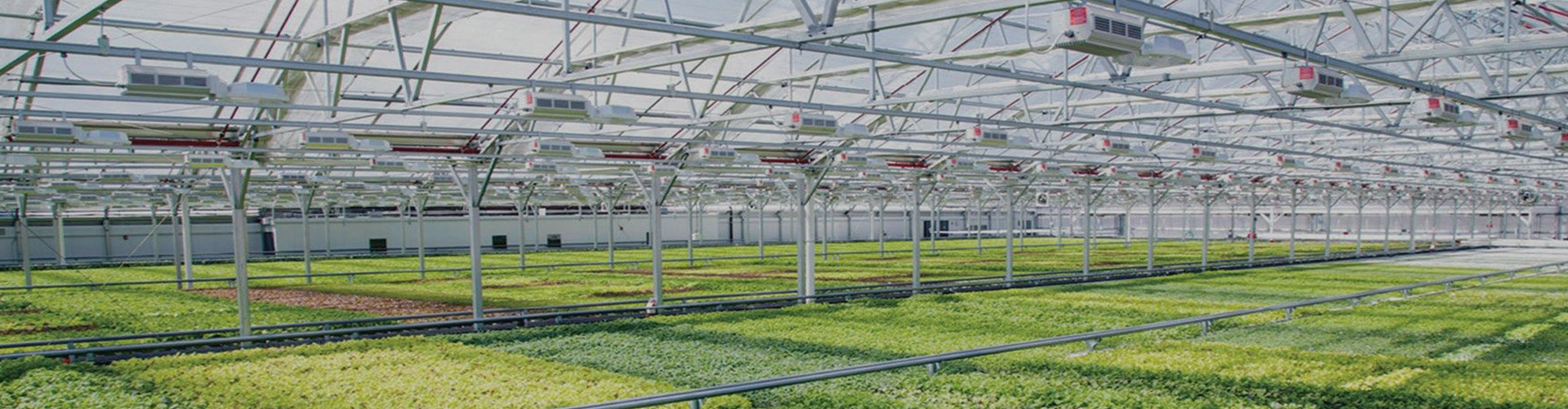
Offers everything you need to build complete gardening and hydroponic systems.
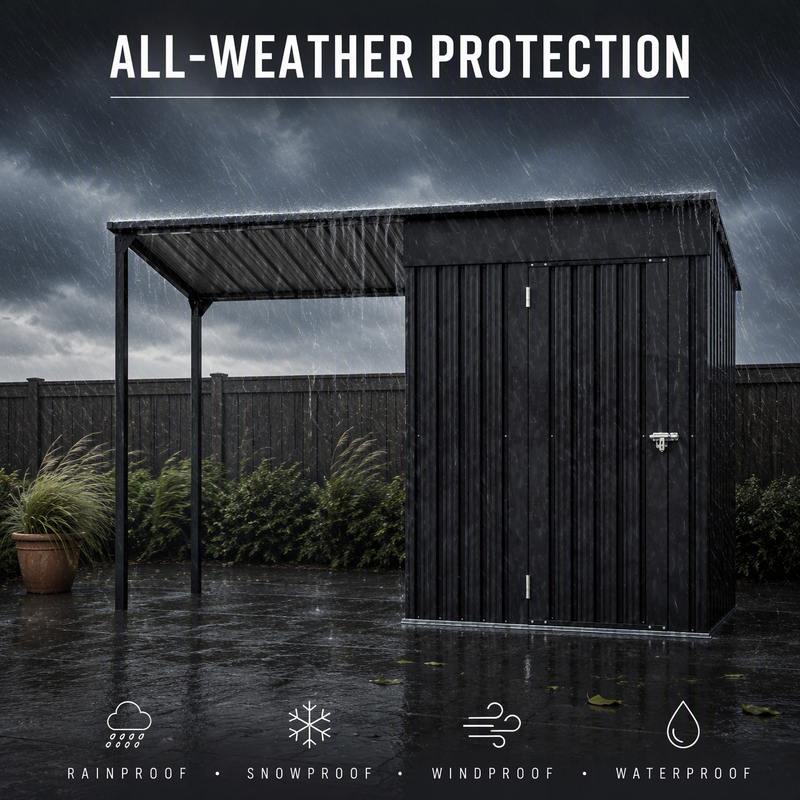 Choosing a metal garden shed with windows is a balance between getting the natural light you want and maintaining the security your stored items need. The right choice depends heavily on what you plan to keep inside and where the shed will sit in your garden.
Decide the Primary Purpose FirstThe main factor in choosing window features is the shed's intended use. This determines the ideal balance between light and security.
For Storage Only: If you are storing high-value tools, bikes, or mowers, security is the priority. A windowless option or one with high, small windows is often best, as it prevents people from easily seeing inside.
For a Workshop or Hobby Room: If you plan to work inside, natural light becomes much more important for comfort and safety. In this case, larger windows or door-side windows are practical for bringing light to your workspace.
For a Garden Office: For working or relaxing, you'll want good daylight. Opening windows are beneficial for ventilation, and considering insulation becomes key for year-round comfort.
Assess Window Placement and SecurityWhere the windows face makes a big difference in how secure the shed feels.
Best Positions: Windows facing your house, a private patio, or a fenced area are safer. They let in light without exposing your belongings to the public.
High-Risk Positions: Be cautious with windows facing public footpaths, side lanes, or open fields. These allow people to see inside and assess what you have.
Internal Screening: If you have windows in less private areas, you can plan to use tall shelving or opaque storage boxes inside to block the view of valuables from outside.
Practical Considerations for WindowsWhen evaluating specific models, look beyond just the presence of glass.
Glazing Material: Tempered glass or polycarbonate are good choices for safety and durability. Polycarbonate is very impact-resistant, while tempered glass is stronger than standard glass. Avoid acrylic, which can scratch easily.
Window Type: Fixed windows are safe because they cannot be opened. Opening windows (like top-hung or side-hung) provide ventilation, which is useful for workshops or to reduce condensation, but they may require lockable hardware or restrictors for security.
Condensation Control: Metal sheds can suffer from condensation. Windows alone aren't a full ventilation system. If you store damp items or use the shed as a workspace, you'll need to think about adding insulation, a moisture barrier, or a small dehumidifier to manage moisture.
A Quick Checklist Before You BuyUse these points to compare different metal sheds with windows:
List Your Valuables: What are you storing? The more valuable the contents, the more you should prioritize security over window size.
Check Sightlines: Stand where neighbors or passersby would be. Can they see into the shed's proposed location?
Review the Hardware: Look for key-operated locks or the ability to add a heavy-duty padlock. The window frame and hinges should also feel sturdy.
Plan for Condensation: If the shed will house damp equipment or you'll work in it, budget for insulation or a dehumidifier to prevent moisture buildup.
Verify Regulations: Depending on where you live, a window facing a neighbor's property might have planning implications. It's always worth checking local rules, especially if the shed is near a boundary.
I hope this helps you find the right balance of light and security for your garden. If you have a specific use in mind, like a workshop or just storage, I can help you narrow down the window options further.
Choosing a metal garden shed with windows is a balance between getting the natural light you want and maintaining the security your stored items need. The right choice depends heavily on what you plan to keep inside and where the shed will sit in your garden.
Decide the Primary Purpose FirstThe main factor in choosing window features is the shed's intended use. This determines the ideal balance between light and security.
For Storage Only: If you are storing high-value tools, bikes, or mowers, security is the priority. A windowless option or one with high, small windows is often best, as it prevents people from easily seeing inside.
For a Workshop or Hobby Room: If you plan to work inside, natural light becomes much more important for comfort and safety. In this case, larger windows or door-side windows are practical for bringing light to your workspace.
For a Garden Office: For working or relaxing, you'll want good daylight. Opening windows are beneficial for ventilation, and considering insulation becomes key for year-round comfort.
Assess Window Placement and SecurityWhere the windows face makes a big difference in how secure the shed feels.
Best Positions: Windows facing your house, a private patio, or a fenced area are safer. They let in light without exposing your belongings to the public.
High-Risk Positions: Be cautious with windows facing public footpaths, side lanes, or open fields. These allow people to see inside and assess what you have.
Internal Screening: If you have windows in less private areas, you can plan to use tall shelving or opaque storage boxes inside to block the view of valuables from outside.
Practical Considerations for WindowsWhen evaluating specific models, look beyond just the presence of glass.
Glazing Material: Tempered glass or polycarbonate are good choices for safety and durability. Polycarbonate is very impact-resistant, while tempered glass is stronger than standard glass. Avoid acrylic, which can scratch easily.
Window Type: Fixed windows are safe because they cannot be opened. Opening windows (like top-hung or side-hung) provide ventilation, which is useful for workshops or to reduce condensation, but they may require lockable hardware or restrictors for security.
Condensation Control: Metal sheds can suffer from condensation. Windows alone aren't a full ventilation system. If you store damp items or use the shed as a workspace, you'll need to think about adding insulation, a moisture barrier, or a small dehumidifier to manage moisture.
A Quick Checklist Before You BuyUse these points to compare different metal sheds with windows:
List Your Valuables: What are you storing? The more valuable the contents, the more you should prioritize security over window size.
Check Sightlines: Stand where neighbors or passersby would be. Can they see into the shed's proposed location?
Review the Hardware: Look for key-operated locks or the ability to add a heavy-duty padlock. The window frame and hinges should also feel sturdy.
Plan for Condensation: If the shed will house damp equipment or you'll work in it, budget for insulation or a dehumidifier to prevent moisture buildup.
Verify Regulations: Depending on where you live, a window facing a neighbor's property might have planning implications. It's always worth checking local rules, especially if the shed is near a boundary.
I hope this helps you find the right balance of light and security for your garden. If you have a specific use in mind, like a workshop or just storage, I can help you narrow down the window options further.
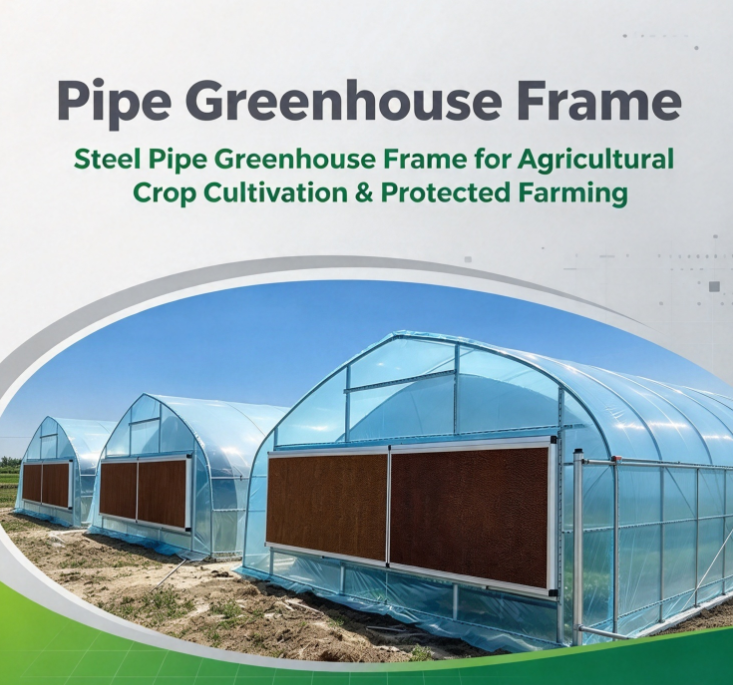 A greenhouse needs to do more than create a covered area for plants. Its structure needs to fit the growing space, the covering, the way people work inside, and the conditions around the site. When these needs change, the structure may also need to change.The frame has an important place in this process.
A Pipe Greenhouse Frame creates the basic shape of a greenhouse and gives other components a structure to connect with. Pipes can be arranged into different forms, allowing greenhouse builders to create structures for different growing purposes.
This adaptability has become an important part of greenhouse planning. Growers may have different crop arrangements, available spaces, covering choices, and working habits. A frame that can respond to these differences gives the greenhouse design more room to develop.
The idea is not simply to build a stronger structure. It is to create a structure that makes sense for the space and the way it will be used.
What Makes a Pipe Greenhouse Frame Adaptable?
A pipe frame consists of connected structural sections that can form the basic outline of a greenhouse. The arrangement can be changed according to the intended design.
This gives greenhouse builders more flexibility when working with different growing spaces.
A greenhouse may need a particular roof shape. It may require different access points. The internal area may need to remain open for planting, watering, or routine work. The frame needs to accommodate these requirements without making the overall structure unnecessarily complicated.
The pipe itself is only one part of the solution. The way the pipes are arranged matters just as much.
For example, a simple greenhouse can use a straightforward frame layout. A different project may need a more organized structure with additional connections and support points. Both can use pipe-based construction while serving different purposes.
This is where adaptability becomes useful.
Greenhouse Need
How Frame Arrangement Can Respond
Different growing spaces
The frame can follow the available area
Different roof shapes
Pipes can form different structural outlines
Different coverings
The frame can be planned around the selected covering
Different access needs
Openings can be considered during frame planning
Internal working areas
Structural sections can be arranged around usable space
Changing project requirements
The overall design can be adjusted before construction
The frame therefore becomes part of the planning process rather than simply a fixed support system.
How Can Pipe Frames Fit Different Greenhouse Designs?
Not every greenhouse looks or works the same way.
Some are designed around a simple growing area. Others need space for different plants, working paths, storage, or internal equipment. A greenhouse used for a nursery may have different priorities from one used for vegetable production.
A pipe frame can be arranged around these differences.
The shape of the greenhouse is one important consideration. Curved structures, for example, can create a different internal environment from structures with a more traditional roof shape. The frame needs to follow the intended shape so that the covering can be installed properly.
The location of entrances also matters.
An entrance may seem like a small part of a greenhouse, but it affects how people move through the space. If workers need to carry plants, tools, or other materials, the frame needs to leave suitable access areas.
Ventilation is another consideration.
A greenhouse may include openings or ventilation features as part of its design. These features need to work with the surrounding structure. A frame planned without considering them can make later changes more difficult.
This is why frame design and greenhouse design are closely connected.
Instead of choosing a frame after all other decisions have been made, builders can consider the frame at an early stage. This allows the structural arrangement to respond to the rest of the project.
Why Does Growing Space Influence Frame Selection?
The available growing space can vary greatly from one project to another.
A greenhouse may occupy a narrow area beside another building. Another may be placed in a more open agricultural space. Some projects may need to make efficient use of a limited footprint, while others may focus on creating a larger working area.
These differences affect the frame.
The frame needs to follow the intended shape of the growing area. If the structure does not match the space, the greenhouse may become harder to organize.
Growing plans also matter.
A greenhouse for leafy vegetables may be arranged differently from one for flowers or young plants. Some growers may need open areas for regular movement. Others may divide the space into separate growing sections.
The frame does not decide how the plants will be arranged, but it creates the space in which those arrangements can take place.
This makes frame selection part of a wider design decision.
A useful approach is to consider three elements together:
Available Space + Growing Purpose + Frame Design
When these three elements are considered together, it becomes easier to create a greenhouse that matches its intended use.
How Does the Frame Work With Greenhouse Coverings?
The frame and covering form two closely connected parts of a greenhouse.
The frame creates the shape. The covering follows that shape and helps create the protected growing environment.
Different coverings may have different installation requirements. Some can follow curved structures. Others may be better suited to a particular arrangement of frame sections.
This means the covering should not be treated as a separate decision.
When planning a Pipe Greenhouse Frame, builders can consider how the selected covering will be attached, supported, and maintained.
This relationship also affects future changes.
A grower may decide to replace a covering later. If the frame was designed with practical access and connection points, such changes may be easier to manage.
The same idea applies to ventilation and access.
A greenhouse is not simply a frame covered with material. It is a group of connected components that need to work together.
Component
Relationship With the Frame
Greenhouse Covering
Follows and attaches to the structural shape
Doors
Need suitable openings within the structure
Ventilation Features
Need space within the frame arrangement
Internal Equipment
Requires usable space around structural sections
Growing Areas
Depend on the shape and available space
Working Paths
Need to remain practical within the structure
Looking at these relationships early can help avoid unnecessary changes later.
Can Pipe Greenhouse Frames Adapt to Different Growing Applications?
Different growing applications create different demands.
A vegetable greenhouse may need clear areas for planting and harvesting. A flower-growing space may place more attention on organization and access. A nursery may require room for young plants at different stages.
Commercial and small-scale projects can also have different priorities.
A small greenhouse may focus on convenient use and straightforward construction. A larger project may require a more organized structural layout that can accommodate different working areas.
Pipe frames can be arranged around these different purposes.
The important point is not that one frame design can serve every application. Instead, the pipe frame approach allows the structure to be planned around the application.
This gives growers more room to consider how the greenhouse will actually be used.
For example, a grower can think about:
Where plants will be placed.
How people will move through the greenhouse.
Where the entrance should be located.
How the covering will be supported.
Where ventilation areas may be needed.
Whether internal equipment will be installed.
Whether the growing space may change later.
These questions help turn a basic frame into part of a practical growing environment.
What Should Buyers Consider When Choosing a Pipe Greenhouse Frame?
Buying a greenhouse frame is easier when the project is clearly defined.
The frame should not be selected only because it looks suitable in a product image. Buyers need to understand how it will fit into the intended greenhouse.
Several practical points can guide the decision.
1. Consider the intended use
The purpose of the greenhouse should guide the structural design.
A frame intended for a home garden may have different requirements from one used for commercial plant production.
2. Look at the available space
The physical site influences the greenhouse shape. The frame needs to fit the available area without making access or daily work unnecessarily difficult.
3. Think about the covering
The frame and covering need to work together. Buyers should understand how the covering will be attached and how it follows the frame.
4. Consider access and maintenance
Doors, openings, and working areas should be considered during planning.
A greenhouse needs to be used and maintained regularly. Structural choices should support that practical work.
5. Consider future changes
Growing plans may change. A greenhouse may later need different internal arrangements, a different covering, or another use.
Thinking about possible changes during the planning stage can help create a more adaptable structure.
These considerations can also help buyers communicate more clearly with greenhouse suppliers. Instead of asking for a general frame, they can describe the growing space, intended use, covering, and structural preferences.
Why Does Frame Design Matter for Future Greenhouse Changes?
A greenhouse can change after construction.
Plants may change. Growing methods may change. Equipment may be added. A different covering may be needed. Even the way people move through the space can change.
A rigid design may make these adjustments more difficult.
A pipe-based frame can provide room for different arrangements when the original design takes future needs into account.
This does not mean that every part of a greenhouse can be changed easily. Structural modifications still need careful planning. The important point is that adaptability can be considered before construction begins.
For greenhouse builders, this creates another way to approach design.
Instead of thinking only about the greenhouse as it looks on the day it is completed, they can consider how the structure may be used over time.
This can influence the position of entrances, the arrangement of structural sections, the connection between the frame and covering, and the space available for internal equipment.
For growers, this approach can make the greenhouse feel less like a fixed structure and more like a growing environment that can respond to changing needs.
Could Pipe Greenhouse Frames Give Greenhouse Projects More Design Options?
The demand for protected growing spaces covers many different applications. There is no single layout that fits every grower, site, or crop.
This creates a need for structural options.
Pipe Greenhouse Frames can support this variety because the pipes can be arranged into different structural forms. The basic material remains familiar, while the final greenhouse can be designed around its intended use.
This flexibility can be useful during both new construction and renovation.
For a new greenhouse, the frame can be considered alongside the site, covering, growing plan, and access requirements.
For an existing greenhouse, replacement or modification work may require a frame that fits the current structure.
The frame therefore has a role beyond simply holding up the covering.
It can influence how space is organized, how components are connected, and how easily the greenhouse can respond to changing requirements.
As greenhouse projects become more varied, this relationship between frame design and growing needs gives Pipe Greenhouse Frames a practical place in the development of adaptable greenhouse structures.
A greenhouse needs to do more than create a covered area for plants. Its structure needs to fit the growing space, the covering, the way people work inside, and the conditions around the site. When these needs change, the structure may also need to change.The frame has an important place in this process.
A Pipe Greenhouse Frame creates the basic shape of a greenhouse and gives other components a structure to connect with. Pipes can be arranged into different forms, allowing greenhouse builders to create structures for different growing purposes.
This adaptability has become an important part of greenhouse planning. Growers may have different crop arrangements, available spaces, covering choices, and working habits. A frame that can respond to these differences gives the greenhouse design more room to develop.
The idea is not simply to build a stronger structure. It is to create a structure that makes sense for the space and the way it will be used.
What Makes a Pipe Greenhouse Frame Adaptable?
A pipe frame consists of connected structural sections that can form the basic outline of a greenhouse. The arrangement can be changed according to the intended design.
This gives greenhouse builders more flexibility when working with different growing spaces.
A greenhouse may need a particular roof shape. It may require different access points. The internal area may need to remain open for planting, watering, or routine work. The frame needs to accommodate these requirements without making the overall structure unnecessarily complicated.
The pipe itself is only one part of the solution. The way the pipes are arranged matters just as much.
For example, a simple greenhouse can use a straightforward frame layout. A different project may need a more organized structure with additional connections and support points. Both can use pipe-based construction while serving different purposes.
This is where adaptability becomes useful.
Greenhouse Need
How Frame Arrangement Can Respond
Different growing spaces
The frame can follow the available area
Different roof shapes
Pipes can form different structural outlines
Different coverings
The frame can be planned around the selected covering
Different access needs
Openings can be considered during frame planning
Internal working areas
Structural sections can be arranged around usable space
Changing project requirements
The overall design can be adjusted before construction
The frame therefore becomes part of the planning process rather than simply a fixed support system.
How Can Pipe Frames Fit Different Greenhouse Designs?
Not every greenhouse looks or works the same way.
Some are designed around a simple growing area. Others need space for different plants, working paths, storage, or internal equipment. A greenhouse used for a nursery may have different priorities from one used for vegetable production.
A pipe frame can be arranged around these differences.
The shape of the greenhouse is one important consideration. Curved structures, for example, can create a different internal environment from structures with a more traditional roof shape. The frame needs to follow the intended shape so that the covering can be installed properly.
The location of entrances also matters.
An entrance may seem like a small part of a greenhouse, but it affects how people move through the space. If workers need to carry plants, tools, or other materials, the frame needs to leave suitable access areas.
Ventilation is another consideration.
A greenhouse may include openings or ventilation features as part of its design. These features need to work with the surrounding structure. A frame planned without considering them can make later changes more difficult.
This is why frame design and greenhouse design are closely connected.
Instead of choosing a frame after all other decisions have been made, builders can consider the frame at an early stage. This allows the structural arrangement to respond to the rest of the project.
Why Does Growing Space Influence Frame Selection?
The available growing space can vary greatly from one project to another.
A greenhouse may occupy a narrow area beside another building. Another may be placed in a more open agricultural space. Some projects may need to make efficient use of a limited footprint, while others may focus on creating a larger working area.
These differences affect the frame.
The frame needs to follow the intended shape of the growing area. If the structure does not match the space, the greenhouse may become harder to organize.
Growing plans also matter.
A greenhouse for leafy vegetables may be arranged differently from one for flowers or young plants. Some growers may need open areas for regular movement. Others may divide the space into separate growing sections.
The frame does not decide how the plants will be arranged, but it creates the space in which those arrangements can take place.
This makes frame selection part of a wider design decision.
A useful approach is to consider three elements together:
Available Space + Growing Purpose + Frame Design
When these three elements are considered together, it becomes easier to create a greenhouse that matches its intended use.
How Does the Frame Work With Greenhouse Coverings?
The frame and covering form two closely connected parts of a greenhouse.
The frame creates the shape. The covering follows that shape and helps create the protected growing environment.
Different coverings may have different installation requirements. Some can follow curved structures. Others may be better suited to a particular arrangement of frame sections.
This means the covering should not be treated as a separate decision.
When planning a Pipe Greenhouse Frame, builders can consider how the selected covering will be attached, supported, and maintained.
This relationship also affects future changes.
A grower may decide to replace a covering later. If the frame was designed with practical access and connection points, such changes may be easier to manage.
The same idea applies to ventilation and access.
A greenhouse is not simply a frame covered with material. It is a group of connected components that need to work together.
Component
Relationship With the Frame
Greenhouse Covering
Follows and attaches to the structural shape
Doors
Need suitable openings within the structure
Ventilation Features
Need space within the frame arrangement
Internal Equipment
Requires usable space around structural sections
Growing Areas
Depend on the shape and available space
Working Paths
Need to remain practical within the structure
Looking at these relationships early can help avoid unnecessary changes later.
Can Pipe Greenhouse Frames Adapt to Different Growing Applications?
Different growing applications create different demands.
A vegetable greenhouse may need clear areas for planting and harvesting. A flower-growing space may place more attention on organization and access. A nursery may require room for young plants at different stages.
Commercial and small-scale projects can also have different priorities.
A small greenhouse may focus on convenient use and straightforward construction. A larger project may require a more organized structural layout that can accommodate different working areas.
Pipe frames can be arranged around these different purposes.
The important point is not that one frame design can serve every application. Instead, the pipe frame approach allows the structure to be planned around the application.
This gives growers more room to consider how the greenhouse will actually be used.
For example, a grower can think about:
Where plants will be placed.
How people will move through the greenhouse.
Where the entrance should be located.
How the covering will be supported.
Where ventilation areas may be needed.
Whether internal equipment will be installed.
Whether the growing space may change later.
These questions help turn a basic frame into part of a practical growing environment.
What Should Buyers Consider When Choosing a Pipe Greenhouse Frame?
Buying a greenhouse frame is easier when the project is clearly defined.
The frame should not be selected only because it looks suitable in a product image. Buyers need to understand how it will fit into the intended greenhouse.
Several practical points can guide the decision.
1. Consider the intended use
The purpose of the greenhouse should guide the structural design.
A frame intended for a home garden may have different requirements from one used for commercial plant production.
2. Look at the available space
The physical site influences the greenhouse shape. The frame needs to fit the available area without making access or daily work unnecessarily difficult.
3. Think about the covering
The frame and covering need to work together. Buyers should understand how the covering will be attached and how it follows the frame.
4. Consider access and maintenance
Doors, openings, and working areas should be considered during planning.
A greenhouse needs to be used and maintained regularly. Structural choices should support that practical work.
5. Consider future changes
Growing plans may change. A greenhouse may later need different internal arrangements, a different covering, or another use.
Thinking about possible changes during the planning stage can help create a more adaptable structure.
These considerations can also help buyers communicate more clearly with greenhouse suppliers. Instead of asking for a general frame, they can describe the growing space, intended use, covering, and structural preferences.
Why Does Frame Design Matter for Future Greenhouse Changes?
A greenhouse can change after construction.
Plants may change. Growing methods may change. Equipment may be added. A different covering may be needed. Even the way people move through the space can change.
A rigid design may make these adjustments more difficult.
A pipe-based frame can provide room for different arrangements when the original design takes future needs into account.
This does not mean that every part of a greenhouse can be changed easily. Structural modifications still need careful planning. The important point is that adaptability can be considered before construction begins.
For greenhouse builders, this creates another way to approach design.
Instead of thinking only about the greenhouse as it looks on the day it is completed, they can consider how the structure may be used over time.
This can influence the position of entrances, the arrangement of structural sections, the connection between the frame and covering, and the space available for internal equipment.
For growers, this approach can make the greenhouse feel less like a fixed structure and more like a growing environment that can respond to changing needs.
Could Pipe Greenhouse Frames Give Greenhouse Projects More Design Options?
The demand for protected growing spaces covers many different applications. There is no single layout that fits every grower, site, or crop.
This creates a need for structural options.
Pipe Greenhouse Frames can support this variety because the pipes can be arranged into different structural forms. The basic material remains familiar, while the final greenhouse can be designed around its intended use.
This flexibility can be useful during both new construction and renovation.
For a new greenhouse, the frame can be considered alongside the site, covering, growing plan, and access requirements.
For an existing greenhouse, replacement or modification work may require a frame that fits the current structure.
The frame therefore has a role beyond simply holding up the covering.
It can influence how space is organized, how components are connected, and how easily the greenhouse can respond to changing requirements.
As greenhouse projects become more varied, this relationship between frame design and growing needs gives Pipe Greenhouse Frames a practical place in the development of adaptable greenhouse structures.
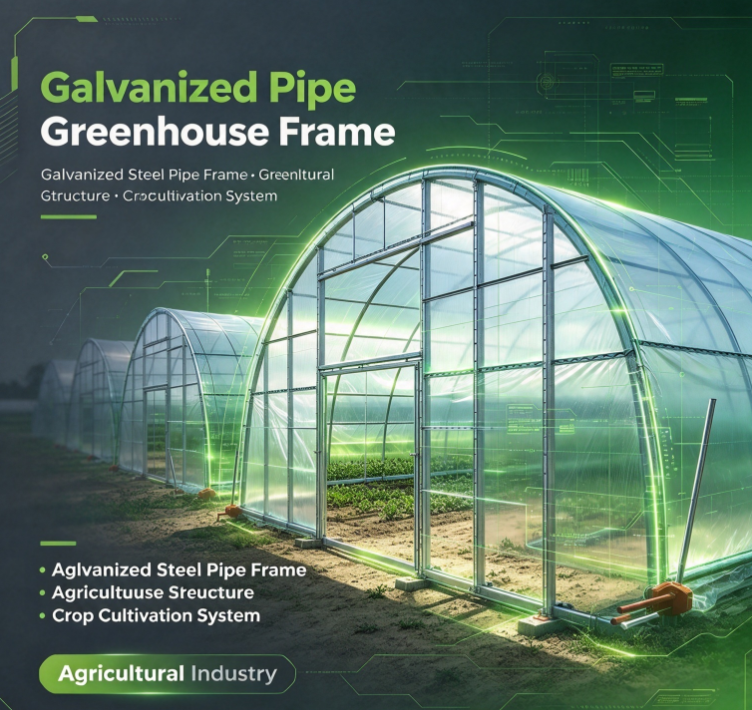 A greenhouse is more than a covered growing space. Its structure needs to support the covering, create an organized growing area, and provide a stable shape for daily use. The frame sits at the center of this structure.
Among different frame options, the Galvanized Pipe Greenhouse Frame is used in many types of greenhouse projects. It provides the basic structure around which other parts of the greenhouse can be arranged.
The frame may support a greenhouse covering, connect different structural sections, and help define the available growing space. Its role can change with the design of the greenhouse, but the main idea remains simple. It creates the framework that allows the rest of the greenhouse to come together.
For growers, greenhouse builders, and agricultural equipment buyers, understanding this role can make frame selection easier. It also explains why different greenhouse projects may require different frame designs.
What Is a Galvanized Pipe Greenhouse Frame?
A Galvanized Pipe Greenhouse Frame is a structural framework made from galvanized pipe and used to form the main shape of a greenhouse.
The frame can include upright sections, curved sections, connecting parts, and other structural elements. Together, these pieces create the basic outline of the growing space.
The greenhouse covering is then arranged around this framework. Depending on the project, the covering may be made from different materials and installed in different ways.
The frame therefore works as a foundation for the rest of the structure.
It is useful to separate the frame from the other parts of a greenhouse. The covering helps create the enclosed environment. Doors provide access. Ventilation parts can help manage air movement. Growing equipment supports the plants.
The frame has a different role.
It provides the structure that allows these elements to be positioned and used together.
The use of galvanized pipe also gives the frame a surface designed for outdoor agricultural environments. This makes galvanized pipe a practical material to consider when a greenhouse needs a structural system that can remain part of the growing space over an extended period.
Where Is a Galvanized Pipe Greenhouse Frame Used?
The application of a galvanized pipe greenhouse frame can vary according to the type of growing project.
Some greenhouses are designed for household or small-scale growing. Others are used for commercial cultivation or plant production. There are also greenhouse structures designed for nurseries, seasonal growing, research-related cultivation, and other agricultural activities.
A galvanized pipe frame can be adapted to different structural layouts.
Common applications include:
Application
Role of the Greenhouse Frame
Vegetable Growing
Creates the structure for a protected growing area
Flower Cultivation
Provides support for the greenhouse covering and growing space
Plant Nurseries
Helps organize an enclosed area for young plants
Seasonal Growing
Supports temporary or changing growing arrangements
Commercial Greenhouses
Forms part of a larger protected cultivation structure
Garden Greenhouses
Creates a practical structure for home or small-scale growing
The frame itself does not determine what can be grown inside the greenhouse.
Instead, it creates the physical space in which the growing activity takes place.
This distinction is important when selecting greenhouse components. A frame should be considered according to the intended application, overall greenhouse design, and other parts that need to work with it.
A structure designed for one growing environment may not need exactly the same arrangement as another.
How Does the Frame Support a Greenhouse Structure?
A greenhouse needs a defined shape before its covering and internal components can be installed.
This is where the frame becomes important.
The frame creates the outline of the greenhouse. Vertical sections can define the sides. Curved or connected sections can create the roof shape. Other parts can connect these sections and help keep the structure organized.
The covering then follows the shape created by the frame.
Frame → Greenhouse Shape → Covering → Protected Growing Space
The frame does not work alone. It becomes part of a larger system.
For example, a greenhouse may need doors positioned at specific locations. It may also include ventilation openings, internal growing areas, irrigation equipment, or other supporting components.
The frame needs to leave enough room for these features.
This is why greenhouse design should not focus on the frame as an isolated product. The structure needs to work with the intended use of the entire greenhouse.
A well-planned frame can make the rest of the installation easier to organize. It gives the greenhouse a clear physical structure and provides points around which other components can be arranged.
Why Is Galvanized Pipe Used for Greenhouse Frames?
Greenhouses are commonly placed outdoors. Their frames therefore need to remain exposed to changing environmental conditions.
Galvanized pipe is used because the surface treatment provides additional protection for the metal.
This is particularly relevant in greenhouse environments, where moisture can be part of normal daily operation. Water may come from irrigation, cleaning, humidity, or outdoor weather.
The galvanized surface helps protect the pipe from corrosion and makes it suitable for structural use in many agricultural settings.
However, material selection is only one part of greenhouse design.
The shape of the frame also matters. Connection methods, structural arrangement, greenhouse size, covering material, and intended use all influence the overall design.
A galvanized pipe frame should therefore be viewed as one component within a complete greenhouse structure.
Its value comes from how it fits into that structure.
For buyers, this can lead to a more practical purchasing approach. Instead of asking only whether galvanized pipe is suitable, they can also ask whether the particular frame design fits the greenhouse project.
That question connects material choice with actual application.
What Types of Greenhouse Designs Can Use This Frame?
Greenhouses do not all have the same appearance.
Some use curved roofs. Others have more traditional shapes. Some are compact and designed for limited growing areas. Others are built around larger cultivation spaces.
Galvanized pipe can be used in different frame arrangements because pipes can form connected structural sections.
The design can be adjusted according to the intended greenhouse layout.
For example, a simple growing structure may use a straightforward frame arrangement. A greenhouse intended for a more organized growing operation may include additional structural sections to support its layout.
The covering also influences the frame design.
A flexible covering may follow a curved frame. A different greenhouse design may require another arrangement. Doors, ventilation areas, and internal equipment can also affect how the frame is organized.
This creates a useful relationship between structure and application.
Greenhouse Consideration
Possible Influence on Frame Design
Growing Space
Determines the general structure of the greenhouse
Covering Material
Influences how the frame supports the covering
Access Points
Affects the arrangement of frame sections
Ventilation
Requires suitable space within the greenhouse structure
Internal Equipment
May influence available structural space
Growing Method
Can affect the overall greenhouse layout
The frame should therefore be selected with the greenhouse design in mind rather than treated as a standard part that fits every project in exactly the same way.
How Can a Galvanized Pipe Greenhouse Frame Adapt to Different Growing Needs?
Growing needs can change from one project to another.
A greenhouse used for vegetables may have different internal arrangements from one used for flowers. A nursery may need space for young plants and working areas. A home greenhouse may focus on simple access and convenient use.
The frame needs to accommodate these differences.
Its role is not to determine the entire growing method. Instead, it provides the structure that makes different layouts possible.
This flexibility can be useful when planning a greenhouse.
A grower may want more open space in one area and additional internal organization in another. The frame can be designed around those requirements. Openings, access points, and supporting structures can also be considered during the planning stage.
This approach moves the conversation away from simply asking, "Which frame should I buy?"
A more useful question is, "What kind of growing space am I trying to create?"
Once the intended space is clear, the frame can be considered in relation to it.
This is also relevant to greenhouse suppliers. Different customers may have different structural needs. Offering frame options that can fit several applications can make it easier to respond to these requirements.
What Should Buyers Consider When Choosing a Galvanized Pipe Greenhouse Frame?
The right frame depends on more than the material.
Buyers can begin by looking at the intended use of the greenhouse. This gives a basic direction for the rest of the selection process.
Several practical questions can help.
1. What will the greenhouse be used for?
Vegetables, flowers, seedlings, and other plants can require different growing arrangements.
Understanding the application helps define the type of structure that makes sense.
2. What type of covering will be used?
The covering and frame need to work together. A buyer should consider how the covering will be attached and supported by the frame.
3. How will people enter and work inside?
Access is easy to overlook during early planning.
Doors, pathways, working areas, and internal equipment can influence the frame arrangement.
4. What environmental conditions should be considered?
A greenhouse frame remains outdoors and may encounter moisture, wind, rain, and changing temperatures.
Material and structural design should therefore be considered in relation to the intended environment.
5. Will the greenhouse layout change later?
Some growers may expand or adjust their growing space over time.
If future changes are expected, a frame design that allows practical adjustment may be worth considering during the planning stage.
These questions help shift attention from individual product features to the actual needs of the greenhouse.
Could Galvanized Pipe Greenhouse Frames Support More Flexible Greenhouse Projects?
Greenhouse construction is not limited to one type of growing operation.
As growing methods and project layouts change, structural components need to accommodate different requirements. This creates room for more varied frame designs.
A galvanized pipe greenhouse frame can be part of this flexible approach.
Its basic function remains structural, but its arrangement can vary according to the greenhouse project. The same material category can therefore appear in different types of structures.
This is useful for both growers and greenhouse builders.
For growers, the frame can be selected around the space they want to create. For builders, different frame arrangements can provide more options when developing greenhouse structures for different customers.
The key is to consider the frame as part of the complete growing environment.
A greenhouse is made up of connected elements. The frame supports the covering. The covering helps create the protected space. Doors provide access. Ventilation features influence air movement. Internal equipment supports the growing process.
When these parts are planned together, the purpose of the frame becomes clearer.
The Galvanized Pipe Greenhouse Frame is not simply a collection of pipes. It is the structural framework around which a greenhouse can be organized, adapted, and used for different growing applications.
A greenhouse is more than a covered growing space. Its structure needs to support the covering, create an organized growing area, and provide a stable shape for daily use. The frame sits at the center of this structure.
Among different frame options, the Galvanized Pipe Greenhouse Frame is used in many types of greenhouse projects. It provides the basic structure around which other parts of the greenhouse can be arranged.
The frame may support a greenhouse covering, connect different structural sections, and help define the available growing space. Its role can change with the design of the greenhouse, but the main idea remains simple. It creates the framework that allows the rest of the greenhouse to come together.
For growers, greenhouse builders, and agricultural equipment buyers, understanding this role can make frame selection easier. It also explains why different greenhouse projects may require different frame designs.
What Is a Galvanized Pipe Greenhouse Frame?
A Galvanized Pipe Greenhouse Frame is a structural framework made from galvanized pipe and used to form the main shape of a greenhouse.
The frame can include upright sections, curved sections, connecting parts, and other structural elements. Together, these pieces create the basic outline of the growing space.
The greenhouse covering is then arranged around this framework. Depending on the project, the covering may be made from different materials and installed in different ways.
The frame therefore works as a foundation for the rest of the structure.
It is useful to separate the frame from the other parts of a greenhouse. The covering helps create the enclosed environment. Doors provide access. Ventilation parts can help manage air movement. Growing equipment supports the plants.
The frame has a different role.
It provides the structure that allows these elements to be positioned and used together.
The use of galvanized pipe also gives the frame a surface designed for outdoor agricultural environments. This makes galvanized pipe a practical material to consider when a greenhouse needs a structural system that can remain part of the growing space over an extended period.
Where Is a Galvanized Pipe Greenhouse Frame Used?
The application of a galvanized pipe greenhouse frame can vary according to the type of growing project.
Some greenhouses are designed for household or small-scale growing. Others are used for commercial cultivation or plant production. There are also greenhouse structures designed for nurseries, seasonal growing, research-related cultivation, and other agricultural activities.
A galvanized pipe frame can be adapted to different structural layouts.
Common applications include:
Application
Role of the Greenhouse Frame
Vegetable Growing
Creates the structure for a protected growing area
Flower Cultivation
Provides support for the greenhouse covering and growing space
Plant Nurseries
Helps organize an enclosed area for young plants
Seasonal Growing
Supports temporary or changing growing arrangements
Commercial Greenhouses
Forms part of a larger protected cultivation structure
Garden Greenhouses
Creates a practical structure for home or small-scale growing
The frame itself does not determine what can be grown inside the greenhouse.
Instead, it creates the physical space in which the growing activity takes place.
This distinction is important when selecting greenhouse components. A frame should be considered according to the intended application, overall greenhouse design, and other parts that need to work with it.
A structure designed for one growing environment may not need exactly the same arrangement as another.
How Does the Frame Support a Greenhouse Structure?
A greenhouse needs a defined shape before its covering and internal components can be installed.
This is where the frame becomes important.
The frame creates the outline of the greenhouse. Vertical sections can define the sides. Curved or connected sections can create the roof shape. Other parts can connect these sections and help keep the structure organized.
The covering then follows the shape created by the frame.
Frame → Greenhouse Shape → Covering → Protected Growing Space
The frame does not work alone. It becomes part of a larger system.
For example, a greenhouse may need doors positioned at specific locations. It may also include ventilation openings, internal growing areas, irrigation equipment, or other supporting components.
The frame needs to leave enough room for these features.
This is why greenhouse design should not focus on the frame as an isolated product. The structure needs to work with the intended use of the entire greenhouse.
A well-planned frame can make the rest of the installation easier to organize. It gives the greenhouse a clear physical structure and provides points around which other components can be arranged.
Why Is Galvanized Pipe Used for Greenhouse Frames?
Greenhouses are commonly placed outdoors. Their frames therefore need to remain exposed to changing environmental conditions.
Galvanized pipe is used because the surface treatment provides additional protection for the metal.
This is particularly relevant in greenhouse environments, where moisture can be part of normal daily operation. Water may come from irrigation, cleaning, humidity, or outdoor weather.
The galvanized surface helps protect the pipe from corrosion and makes it suitable for structural use in many agricultural settings.
However, material selection is only one part of greenhouse design.
The shape of the frame also matters. Connection methods, structural arrangement, greenhouse size, covering material, and intended use all influence the overall design.
A galvanized pipe frame should therefore be viewed as one component within a complete greenhouse structure.
Its value comes from how it fits into that structure.
For buyers, this can lead to a more practical purchasing approach. Instead of asking only whether galvanized pipe is suitable, they can also ask whether the particular frame design fits the greenhouse project.
That question connects material choice with actual application.
What Types of Greenhouse Designs Can Use This Frame?
Greenhouses do not all have the same appearance.
Some use curved roofs. Others have more traditional shapes. Some are compact and designed for limited growing areas. Others are built around larger cultivation spaces.
Galvanized pipe can be used in different frame arrangements because pipes can form connected structural sections.
The design can be adjusted according to the intended greenhouse layout.
For example, a simple growing structure may use a straightforward frame arrangement. A greenhouse intended for a more organized growing operation may include additional structural sections to support its layout.
The covering also influences the frame design.
A flexible covering may follow a curved frame. A different greenhouse design may require another arrangement. Doors, ventilation areas, and internal equipment can also affect how the frame is organized.
This creates a useful relationship between structure and application.
Greenhouse Consideration
Possible Influence on Frame Design
Growing Space
Determines the general structure of the greenhouse
Covering Material
Influences how the frame supports the covering
Access Points
Affects the arrangement of frame sections
Ventilation
Requires suitable space within the greenhouse structure
Internal Equipment
May influence available structural space
Growing Method
Can affect the overall greenhouse layout
The frame should therefore be selected with the greenhouse design in mind rather than treated as a standard part that fits every project in exactly the same way.
How Can a Galvanized Pipe Greenhouse Frame Adapt to Different Growing Needs?
Growing needs can change from one project to another.
A greenhouse used for vegetables may have different internal arrangements from one used for flowers. A nursery may need space for young plants and working areas. A home greenhouse may focus on simple access and convenient use.
The frame needs to accommodate these differences.
Its role is not to determine the entire growing method. Instead, it provides the structure that makes different layouts possible.
This flexibility can be useful when planning a greenhouse.
A grower may want more open space in one area and additional internal organization in another. The frame can be designed around those requirements. Openings, access points, and supporting structures can also be considered during the planning stage.
This approach moves the conversation away from simply asking, "Which frame should I buy?"
A more useful question is, "What kind of growing space am I trying to create?"
Once the intended space is clear, the frame can be considered in relation to it.
This is also relevant to greenhouse suppliers. Different customers may have different structural needs. Offering frame options that can fit several applications can make it easier to respond to these requirements.
What Should Buyers Consider When Choosing a Galvanized Pipe Greenhouse Frame?
The right frame depends on more than the material.
Buyers can begin by looking at the intended use of the greenhouse. This gives a basic direction for the rest of the selection process.
Several practical questions can help.
1. What will the greenhouse be used for?
Vegetables, flowers, seedlings, and other plants can require different growing arrangements.
Understanding the application helps define the type of structure that makes sense.
2. What type of covering will be used?
The covering and frame need to work together. A buyer should consider how the covering will be attached and supported by the frame.
3. How will people enter and work inside?
Access is easy to overlook during early planning.
Doors, pathways, working areas, and internal equipment can influence the frame arrangement.
4. What environmental conditions should be considered?
A greenhouse frame remains outdoors and may encounter moisture, wind, rain, and changing temperatures.
Material and structural design should therefore be considered in relation to the intended environment.
5. Will the greenhouse layout change later?
Some growers may expand or adjust their growing space over time.
If future changes are expected, a frame design that allows practical adjustment may be worth considering during the planning stage.
These questions help shift attention from individual product features to the actual needs of the greenhouse.
Could Galvanized Pipe Greenhouse Frames Support More Flexible Greenhouse Projects?
Greenhouse construction is not limited to one type of growing operation.
As growing methods and project layouts change, structural components need to accommodate different requirements. This creates room for more varied frame designs.
A galvanized pipe greenhouse frame can be part of this flexible approach.
Its basic function remains structural, but its arrangement can vary according to the greenhouse project. The same material category can therefore appear in different types of structures.
This is useful for both growers and greenhouse builders.
For growers, the frame can be selected around the space they want to create. For builders, different frame arrangements can provide more options when developing greenhouse structures for different customers.
The key is to consider the frame as part of the complete growing environment.
A greenhouse is made up of connected elements. The frame supports the covering. The covering helps create the protected space. Doors provide access. Ventilation features influence air movement. Internal equipment supports the growing process.
When these parts are planned together, the purpose of the frame becomes clearer.
The Galvanized Pipe Greenhouse Frame is not simply a collection of pipes. It is the structural framework around which a greenhouse can be organized, adapted, and used for different growing applications.
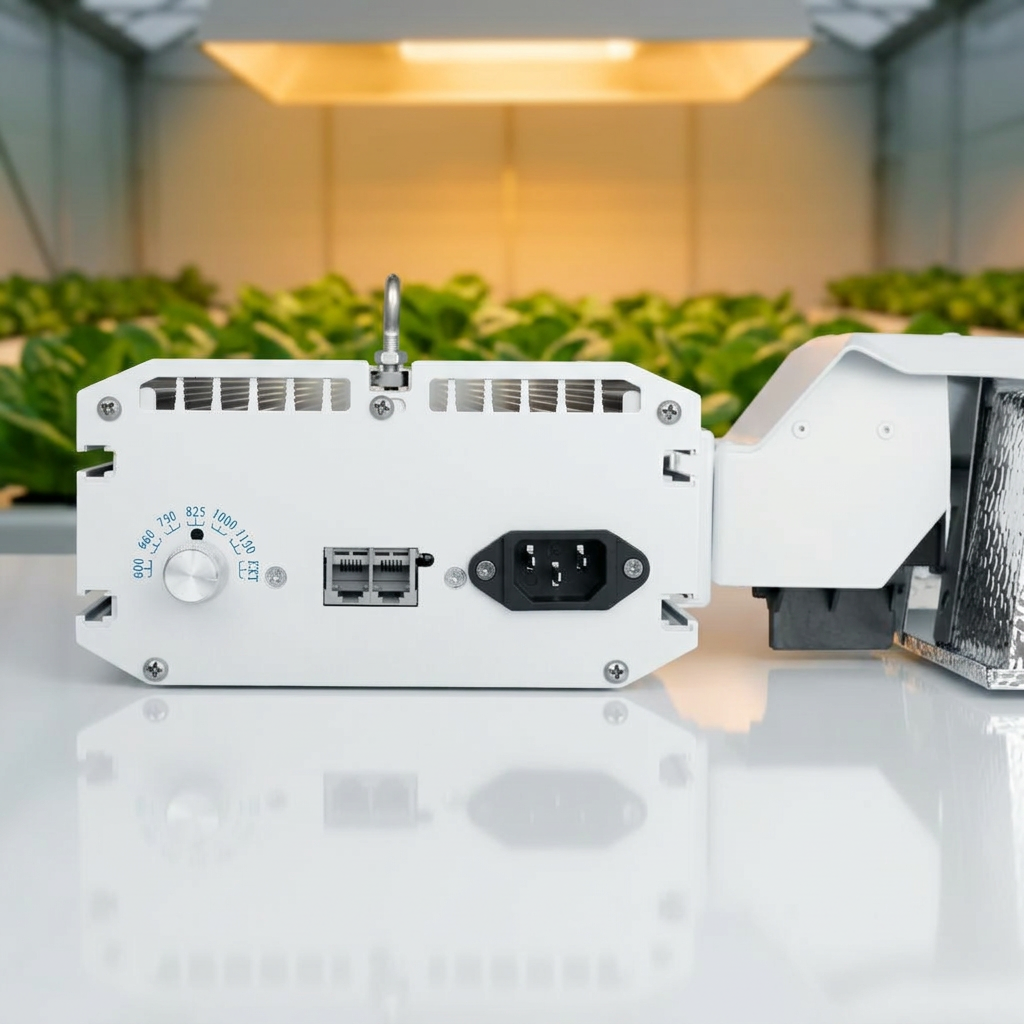 A grow light does genuinely more than produce light above a crop. The way that light leaves the fixture can affect how evenly a growing area gets illuminated, how much of the available light actually reaches the plants, and how the fixtures fit into a greenhouse layout overall. This makes reflector design a genuinely important part of HPS lighting equipment.
An HPS Grow Light Fixture uses a reflector to guide light from the lamp toward the growing area below. The reflector doesn't create additional light on its own, but its shape and position influence where the available light actually travels. A fixture with a suitable reflector can therefore help create a genuinely more practical lighting arrangement across the room.
For growers, greenhouse designers, and equipment buyers, reflector design is worth considering alongside lamp type, fixture structure, installation position, and crop layout. Looking at the complete lighting arrangement can make it genuinely easier to understand why two fixtures with similar basic functions may produce genuinely different coverage patterns once installed.
What Does a Reflector Do in an HPS Grow Light Fixture?
A reflector surrounds or sits near the lamp and helps direct light toward the intended growing space below it. Without a suitable reflector, some of the light may travel toward areas where it provides genuinely little practical value to the crop.
The reflector works as part of the fixture structure, rather than as an independent component bolted on separately. Its shape, surface, position, and relationship with the lamp all affect the resulting distribution pattern reaching the plants.
Reflector Function
Effect on Lighting Arrangement
Directing light
Helps guide light toward the crop area
Shaping distribution
Influences how light spreads across the space
Supporting coverage
Helps match the fixture with the growing area
Controlling direction
Reduces unwanted light movement
Integrating with housing
Supports the overall fixture structure
This relationship becomes genuinely important when several fixtures get installed across a greenhouse row by row. The reflector affects not only the area directly beneath one fixture but also how neighboring light patterns interact with each other. A practical design therefore needs to consider the reflector and the surrounding installation together, rather than viewing the lamp and fixture as separate pieces.
How Does Reflector Shape Affect Light Distribution?
Reflector shape influences the direction in which light travels after leaving the lamp. A broad reflector may spread light across a wider area, while a genuinely more directed design can concentrate illumination within a particular zone instead.
Neither approach fits every greenhouse layout equally well. The appropriate shape depends on the space available, fixture position, crop arrangement, and desired coverage for that specific room.
A growing area with long planting rows, for example, may need a genuinely different distribution pattern from a compact space with plants arranged in a more concentrated area. The reflector should work with the layout, rather than forcing the layout to adapt around an unsuitable light pattern.
Reflector Shape
Consideration
Possible Application
Wider spread
Larger open growing areas
More directed spread
Defined planting zones
Balanced distribution
Areas with several nearby fixtures
Adjustable orientation
Layouts that may change over time
Light distribution is also affected by the distance between the fixture and the plants below it. A reflector that works well at one installation height may produce a genuinely different coverage pattern when the fixture gets moved closer or farther away. This is why reflector selection should get considered together with fixture placement rather than in isolation.
Why Does Coverage Area Matter in Greenhouse Lighting?
A greenhouse rarely consists of one isolated lighting point sitting alone. Fixtures often get arranged across a genuinely larger growing area, so each unit becomes part of a wider lighting system working together.
If the coverage pattern is too narrow, gaps may appear between illuminated areas where plants receive less light. If the spread is too broad instead, light may reach pathways, walls, or other areas that don't contain plants at all.
The goal is creating a layout where neighboring fixtures work together without generating unnecessary overlap between them. A simple planning approach can consider the shape of the growing area alongside the location of planting rows. The position of greenhouse structures matters too, along with the spacing between fixtures and the direction of the reflector itself. Areas where plants may get added later deserve a look as well.
This type of planning can make the lighting arrangement genuinely easier to manage over time. It also helps buyers think beyond the individual fixture and consider how multiple units will function together across the room.
For Sodium Grow Light applications, this broader view proves genuinely useful because the lighting fixture needs to fit the physical environment where it will actually get installed.
How Can Reflectors Influence Greenhouse Layout?
Greenhouse space needs to accommodate plants, walkways, equipment, ventilation, and maintenance access all at once. Lighting fixtures must fit into this environment without creating unnecessary obstacles for workers moving through.
Reflector design can influence how fixtures get positioned above the growing area itself. A wider light spread may allow the fixture layout to cover a genuinely broader zone, while a more focused distribution may suit narrower planting arrangements instead.
The position of the fixture also affects how light reaches the edges of the growing area. If the reflector directs too much light toward the center, plants near the sides may receive a genuinely different lighting pattern from those sitting directly beneath the fixture.
A balanced layout can therefore involve genuinely more than simply placing fixtures at equal distances apart.
Greenhouse Area
Reflector Planning Consideration
Central planting rows
Support consistent light distribution
Edge planting areas
Consider side coverage
Walkways
Avoid unnecessary light direction
Structural zones
Allow room for fixture installation
Maintenance paths
Keep access practical
The greenhouse layout can change over time as planting arrangements get adjusted for different crops. A flexible fixture structure may therefore prove genuinely useful when the growing space is expected to serve different crop arrangements down the line.
Why Is Light Coverage Different From Light Production?
It's genuinely easy to assume that producing more light automatically means covering a growing area more effectively. In practice, however, the direction of that light matters just as much as the quantity produced.
A lamp can produce a certain amount of light, but the reflector influences where that light actually travels once it leaves the bulb. Some of the available light may get directed toward the crop, while some may move outside the intended area entirely.
This distinction helps explain why reflector design deserves genuine attention when evaluating Grow Lights Sodium products on the market. The fixture should get considered as a complete system rather than a single component. Lamp type, reflector shape, housing structure, installation position, and greenhouse layout all interact with one another in practice.
A suitable reflector can help make the available light genuinely more useful within the intended coverage area, without changing the basic function of the lamp itself.
How Does Fixture Structure Work With the Reflector?
A reflector doesn't operate alone in the fixture. It gets attached to or integrated with the fixture housing, and the surrounding structure can influence how the complete unit gets installed and maintained over its working life.
The housing needs to support the reflector while providing a practical arrangement for the lamp and other fixture components sitting nearby. Access for cleaning and inspection can also influence the overall design significantly.
A fixture used in a greenhouse may get exposed to dust, moisture, temperature changes, and regular maintenance activity throughout the growing season. Its construction needs to suit the environment where it will genuinely operate day after day.
Useful design considerations include stable reflector attachment alongside practical housing structure. Accessible maintenance areas matter too, along with suitable mounting points and protection of internal components. Easy installation and removal round out the list worth checking.
These details can affect how the reflector performs in everyday use out in the field. A carefully shaped reflector may not provide the intended distribution if it becomes misaligned or genuinely difficult to maintain over time. For this reason, reflector design and fixture structure should get developed together from the start.
Can Reflector Design Affect Edge Coverage?
Edge coverage is a genuinely important part of greenhouse lighting because plants aren't always positioned directly beneath a fixture. Some rows sit closer to the wall than others.
A reflector that sends a large portion of light toward the center may leave the outer parts of the growing area genuinely less illuminated than the middle. A wider distribution pattern may help extend coverage toward these edge areas instead.
However, wider distribution also needs consideration alongside fixture spacing throughout the room. When neighboring fixtures sit placed close together, their light patterns may overlap in ways worth planning for.
The practical objective is creating a connected coverage area, rather than treating each fixture as an isolated light source floating on its own.
Coverage Situation
Design Consideration
Central area
Avoid unnecessary concentration
Between fixtures
Manage overlapping light patterns
Greenhouse edges
Consider outward distribution
Irregular planting areas
Match reflector direction with crop position
This becomes particularly relevant in greenhouses with long rows or irregular planting zones scattered throughout. The reflector should help the lighting arrangement follow the actual shape of the growing space rather than a generic grid.
What Should Buyers Consider When Comparing High Sodium Grow Lights?
Buyers considering High Sodium Grow Lights may pay attention to the lamp itself, but the surrounding fixture also deserves careful consideration during comparison. Reflector shape, fixture structure, mounting method, and coverage pattern can all affect how the product fits within an actual growing environment.
A useful comparison can begin with the intended application, rather than the fixture name alone printed on a spec sheet.
Buyers can ask where the fixture will actually get installed, and how the growing area is arranged around it. Whether the plants sit positioned in long rows or separate zones matters too, along with whether the reflector provides a suitable spread for that layout. Whether the fixture can be positioned and maintained easily deserves a look, along with whether the housing suits the greenhouse environment it's entering. Whether the layout could change later rounds out the practical questions worth asking.
These questions help connect product design with practical use in the actual greenhouse. A buyer may also need to distinguish between a fixture designed for broad coverage and one intended for a genuinely more concentrated lighting area. The difference isn't necessarily about quality between the two. It's about whether the light distribution genuinely matches the application it's serving.
How Can Reflector Orientation Change the Lighting Pattern?
The orientation of a reflector can influence where light gets directed once installed. Even when the reflector itself has a fixed shape, its position relative to the growing area can change the resulting coverage considerably.
This matters when fixtures get installed near greenhouse edges or above planting areas that aren't arranged symmetrically across the room. A slight change in orientation can redirect part of the light toward a genuinely different section of the growing space below.
This can prove genuinely useful when the physical layout doesn't allow fixtures to sit directly over the center of each planting zone. Installation planning should therefore consider both the reflector design and the mounting position together.
The fixture should remain stable during normal operation without shifting over time. A secure mounting arrangement also helps maintain a consistent relationship between the reflector and the growing area beneath it.
How Does Reflector Design Relate to Different Greenhouse Sizes?
Greenhouses can vary genuinely greatly in shape and internal arrangement from one operation to another. A compact growing room may require a genuinely different fixture layout from a long commercial greenhouse with multiple planting rows stretching for meters.
Reflector design needs to fit the scale and structure of that particular space. A smaller area may benefit from a distribution pattern that keeps light within the available growing zone without spilling over. A larger greenhouse may require several fixtures working together across a genuinely wider area instead.
The same fixture can also behave genuinely differently depending on how it gets arranged with neighboring units nearby.
Growing Space
General Reflector Planning
Compact area
Keep distribution within the usable zone
Long planting area
Consider row-based coverage
Wide greenhouse
Coordinate neighboring fixtures
Irregular space
Adjust orientation to suit the layout
This shows why fixture selection should begin with the physical growing environment itself. Product features make genuinely more sense when they get connected to the space where the equipment will actually operate day to day.
How Can Reflector Maintenance Support Consistent Light Distribution?
A reflector can accumulate dust or residue during regular operation, particularly in environments where growing activities create airborne particles throughout the season. Changes to the reflector surface can affect how light gets directed across the growing area over time.
Regular inspection can help identify visible contamination, damage, or movement of the reflector before it becomes a bigger issue. Cleaning should follow the manufacturer's care instructions and should get performed with methods suitable for the materials used in the fixture.
Rough handling can create scratches or change the position of the reflector unintentionally. Maintenance can include checking reflector condition alongside removing suitable surface deposits when they build up. Inspecting mounting points matters too, along with checking fixture alignment and keeping surrounding areas accessible for the next check.
These simple actions can help maintain the intended relationship between the lamp, reflector, and growing area beneath it. Maintenance can also be easier when the fixture structure allows convenient access to the components that require attention.
What Role Does Reflector Design Play in Future Greenhouse Changes?
Growing spaces aren't always fixed once installed. Planting rows may move, equipment may get added, and the use of a greenhouse can change genuinely over time as operations evolve.
A lighting system that allows some flexibility can make these changes genuinely easier to manage down the road. Reflector design can contribute to this flexibility by providing a distribution pattern that works with different fixture positions rather than one fixed setup.
A fixture that can get repositioned may also adapt genuinely more easily when the planting arrangement changes later on. For buyers, this means looking at the expected use of the greenhouse, rather than only the current layout sitting in place today.
An HPS Grow Light Fixture can become part of a genuinely larger lighting plan where fixture placement, reflector direction, and crop arrangement all get considered together from the start.
Why Should Reflector Design Be Considered During Fixture Selection?
Reflector design affects how light moves from the lamp toward the growing area below it. It also interacts with fixture structure, mounting position, greenhouse dimensions, planting rows, and neighboring fixtures throughout the room.
For Sodium Grow Light and Grow Lights Sodium applications, these details can influence how easily the lighting system fits the intended environment it's entering. High Sodium Grow Lights also need consideration in relation to their fixture construction, rather than as a lamp category standing alone.
A practical selection process can therefore look at reflector shape, asking whether the light spread suits the growing area it's meant to cover. Coverage deserves review too, checking whether the distribution reaches the intended crop zones throughout the room. Fixture structure matters, confirming the unit can get installed and maintained practically over time.
Mounting needs checking as well, confirming the fixture can remain correctly positioned once installed. Greenhouse layout rounds out the list, checking whether the lighting arrangement fits existing pathways and planting rows. Future changes close the process, considering whether the lighting arrangement can adapt if the space changes later.
Selection Area
Question to Consider
Reflector shape
Does the light spread suit the growing area?
Coverage
Does the distribution reach the intended crop zones?
Fixture structure
Can the unit be installed and maintained practically?
Mounting
Can the fixture remain correctly positioned?
Greenhouse layout
Does the lighting arrangement fit existing pathways and planting rows?
Future changes
Can the lighting arrangement adapt if the space changes?
These factors give buyers a genuinely clearer way to understand what an HPS Grow Light Fixture needs to do in an actual greenhouse setting. The reflector is only one part of the system, but its role connects the lamp with the physical growing space in a genuinely direct way.
A grow light does genuinely more than produce light above a crop. The way that light leaves the fixture can affect how evenly a growing area gets illuminated, how much of the available light actually reaches the plants, and how the fixtures fit into a greenhouse layout overall. This makes reflector design a genuinely important part of HPS lighting equipment.
An HPS Grow Light Fixture uses a reflector to guide light from the lamp toward the growing area below. The reflector doesn't create additional light on its own, but its shape and position influence where the available light actually travels. A fixture with a suitable reflector can therefore help create a genuinely more practical lighting arrangement across the room.
For growers, greenhouse designers, and equipment buyers, reflector design is worth considering alongside lamp type, fixture structure, installation position, and crop layout. Looking at the complete lighting arrangement can make it genuinely easier to understand why two fixtures with similar basic functions may produce genuinely different coverage patterns once installed.
What Does a Reflector Do in an HPS Grow Light Fixture?
A reflector surrounds or sits near the lamp and helps direct light toward the intended growing space below it. Without a suitable reflector, some of the light may travel toward areas where it provides genuinely little practical value to the crop.
The reflector works as part of the fixture structure, rather than as an independent component bolted on separately. Its shape, surface, position, and relationship with the lamp all affect the resulting distribution pattern reaching the plants.
Reflector Function
Effect on Lighting Arrangement
Directing light
Helps guide light toward the crop area
Shaping distribution
Influences how light spreads across the space
Supporting coverage
Helps match the fixture with the growing area
Controlling direction
Reduces unwanted light movement
Integrating with housing
Supports the overall fixture structure
This relationship becomes genuinely important when several fixtures get installed across a greenhouse row by row. The reflector affects not only the area directly beneath one fixture but also how neighboring light patterns interact with each other. A practical design therefore needs to consider the reflector and the surrounding installation together, rather than viewing the lamp and fixture as separate pieces.
How Does Reflector Shape Affect Light Distribution?
Reflector shape influences the direction in which light travels after leaving the lamp. A broad reflector may spread light across a wider area, while a genuinely more directed design can concentrate illumination within a particular zone instead.
Neither approach fits every greenhouse layout equally well. The appropriate shape depends on the space available, fixture position, crop arrangement, and desired coverage for that specific room.
A growing area with long planting rows, for example, may need a genuinely different distribution pattern from a compact space with plants arranged in a more concentrated area. The reflector should work with the layout, rather than forcing the layout to adapt around an unsuitable light pattern.
Reflector Shape
Consideration
Possible Application
Wider spread
Larger open growing areas
More directed spread
Defined planting zones
Balanced distribution
Areas with several nearby fixtures
Adjustable orientation
Layouts that may change over time
Light distribution is also affected by the distance between the fixture and the plants below it. A reflector that works well at one installation height may produce a genuinely different coverage pattern when the fixture gets moved closer or farther away. This is why reflector selection should get considered together with fixture placement rather than in isolation.
Why Does Coverage Area Matter in Greenhouse Lighting?
A greenhouse rarely consists of one isolated lighting point sitting alone. Fixtures often get arranged across a genuinely larger growing area, so each unit becomes part of a wider lighting system working together.
If the coverage pattern is too narrow, gaps may appear between illuminated areas where plants receive less light. If the spread is too broad instead, light may reach pathways, walls, or other areas that don't contain plants at all.
The goal is creating a layout where neighboring fixtures work together without generating unnecessary overlap between them. A simple planning approach can consider the shape of the growing area alongside the location of planting rows. The position of greenhouse structures matters too, along with the spacing between fixtures and the direction of the reflector itself. Areas where plants may get added later deserve a look as well.
This type of planning can make the lighting arrangement genuinely easier to manage over time. It also helps buyers think beyond the individual fixture and consider how multiple units will function together across the room.
For Sodium Grow Light applications, this broader view proves genuinely useful because the lighting fixture needs to fit the physical environment where it will actually get installed.
How Can Reflectors Influence Greenhouse Layout?
Greenhouse space needs to accommodate plants, walkways, equipment, ventilation, and maintenance access all at once. Lighting fixtures must fit into this environment without creating unnecessary obstacles for workers moving through.
Reflector design can influence how fixtures get positioned above the growing area itself. A wider light spread may allow the fixture layout to cover a genuinely broader zone, while a more focused distribution may suit narrower planting arrangements instead.
The position of the fixture also affects how light reaches the edges of the growing area. If the reflector directs too much light toward the center, plants near the sides may receive a genuinely different lighting pattern from those sitting directly beneath the fixture.
A balanced layout can therefore involve genuinely more than simply placing fixtures at equal distances apart.
Greenhouse Area
Reflector Planning Consideration
Central planting rows
Support consistent light distribution
Edge planting areas
Consider side coverage
Walkways
Avoid unnecessary light direction
Structural zones
Allow room for fixture installation
Maintenance paths
Keep access practical
The greenhouse layout can change over time as planting arrangements get adjusted for different crops. A flexible fixture structure may therefore prove genuinely useful when the growing space is expected to serve different crop arrangements down the line.
Why Is Light Coverage Different From Light Production?
It's genuinely easy to assume that producing more light automatically means covering a growing area more effectively. In practice, however, the direction of that light matters just as much as the quantity produced.
A lamp can produce a certain amount of light, but the reflector influences where that light actually travels once it leaves the bulb. Some of the available light may get directed toward the crop, while some may move outside the intended area entirely.
This distinction helps explain why reflector design deserves genuine attention when evaluating Grow Lights Sodium products on the market. The fixture should get considered as a complete system rather than a single component. Lamp type, reflector shape, housing structure, installation position, and greenhouse layout all interact with one another in practice.
A suitable reflector can help make the available light genuinely more useful within the intended coverage area, without changing the basic function of the lamp itself.
How Does Fixture Structure Work With the Reflector?
A reflector doesn't operate alone in the fixture. It gets attached to or integrated with the fixture housing, and the surrounding structure can influence how the complete unit gets installed and maintained over its working life.
The housing needs to support the reflector while providing a practical arrangement for the lamp and other fixture components sitting nearby. Access for cleaning and inspection can also influence the overall design significantly.
A fixture used in a greenhouse may get exposed to dust, moisture, temperature changes, and regular maintenance activity throughout the growing season. Its construction needs to suit the environment where it will genuinely operate day after day.
Useful design considerations include stable reflector attachment alongside practical housing structure. Accessible maintenance areas matter too, along with suitable mounting points and protection of internal components. Easy installation and removal round out the list worth checking.
These details can affect how the reflector performs in everyday use out in the field. A carefully shaped reflector may not provide the intended distribution if it becomes misaligned or genuinely difficult to maintain over time. For this reason, reflector design and fixture structure should get developed together from the start.
Can Reflector Design Affect Edge Coverage?
Edge coverage is a genuinely important part of greenhouse lighting because plants aren't always positioned directly beneath a fixture. Some rows sit closer to the wall than others.
A reflector that sends a large portion of light toward the center may leave the outer parts of the growing area genuinely less illuminated than the middle. A wider distribution pattern may help extend coverage toward these edge areas instead.
However, wider distribution also needs consideration alongside fixture spacing throughout the room. When neighboring fixtures sit placed close together, their light patterns may overlap in ways worth planning for.
The practical objective is creating a connected coverage area, rather than treating each fixture as an isolated light source floating on its own.
Coverage Situation
Design Consideration
Central area
Avoid unnecessary concentration
Between fixtures
Manage overlapping light patterns
Greenhouse edges
Consider outward distribution
Irregular planting areas
Match reflector direction with crop position
This becomes particularly relevant in greenhouses with long rows or irregular planting zones scattered throughout. The reflector should help the lighting arrangement follow the actual shape of the growing space rather than a generic grid.
What Should Buyers Consider When Comparing High Sodium Grow Lights?
Buyers considering High Sodium Grow Lights may pay attention to the lamp itself, but the surrounding fixture also deserves careful consideration during comparison. Reflector shape, fixture structure, mounting method, and coverage pattern can all affect how the product fits within an actual growing environment.
A useful comparison can begin with the intended application, rather than the fixture name alone printed on a spec sheet.
Buyers can ask where the fixture will actually get installed, and how the growing area is arranged around it. Whether the plants sit positioned in long rows or separate zones matters too, along with whether the reflector provides a suitable spread for that layout. Whether the fixture can be positioned and maintained easily deserves a look, along with whether the housing suits the greenhouse environment it's entering. Whether the layout could change later rounds out the practical questions worth asking.
These questions help connect product design with practical use in the actual greenhouse. A buyer may also need to distinguish between a fixture designed for broad coverage and one intended for a genuinely more concentrated lighting area. The difference isn't necessarily about quality between the two. It's about whether the light distribution genuinely matches the application it's serving.
How Can Reflector Orientation Change the Lighting Pattern?
The orientation of a reflector can influence where light gets directed once installed. Even when the reflector itself has a fixed shape, its position relative to the growing area can change the resulting coverage considerably.
This matters when fixtures get installed near greenhouse edges or above planting areas that aren't arranged symmetrically across the room. A slight change in orientation can redirect part of the light toward a genuinely different section of the growing space below.
This can prove genuinely useful when the physical layout doesn't allow fixtures to sit directly over the center of each planting zone. Installation planning should therefore consider both the reflector design and the mounting position together.
The fixture should remain stable during normal operation without shifting over time. A secure mounting arrangement also helps maintain a consistent relationship between the reflector and the growing area beneath it.
How Does Reflector Design Relate to Different Greenhouse Sizes?
Greenhouses can vary genuinely greatly in shape and internal arrangement from one operation to another. A compact growing room may require a genuinely different fixture layout from a long commercial greenhouse with multiple planting rows stretching for meters.
Reflector design needs to fit the scale and structure of that particular space. A smaller area may benefit from a distribution pattern that keeps light within the available growing zone without spilling over. A larger greenhouse may require several fixtures working together across a genuinely wider area instead.
The same fixture can also behave genuinely differently depending on how it gets arranged with neighboring units nearby.
Growing Space
General Reflector Planning
Compact area
Keep distribution within the usable zone
Long planting area
Consider row-based coverage
Wide greenhouse
Coordinate neighboring fixtures
Irregular space
Adjust orientation to suit the layout
This shows why fixture selection should begin with the physical growing environment itself. Product features make genuinely more sense when they get connected to the space where the equipment will actually operate day to day.
How Can Reflector Maintenance Support Consistent Light Distribution?
A reflector can accumulate dust or residue during regular operation, particularly in environments where growing activities create airborne particles throughout the season. Changes to the reflector surface can affect how light gets directed across the growing area over time.
Regular inspection can help identify visible contamination, damage, or movement of the reflector before it becomes a bigger issue. Cleaning should follow the manufacturer's care instructions and should get performed with methods suitable for the materials used in the fixture.
Rough handling can create scratches or change the position of the reflector unintentionally. Maintenance can include checking reflector condition alongside removing suitable surface deposits when they build up. Inspecting mounting points matters too, along with checking fixture alignment and keeping surrounding areas accessible for the next check.
These simple actions can help maintain the intended relationship between the lamp, reflector, and growing area beneath it. Maintenance can also be easier when the fixture structure allows convenient access to the components that require attention.
What Role Does Reflector Design Play in Future Greenhouse Changes?
Growing spaces aren't always fixed once installed. Planting rows may move, equipment may get added, and the use of a greenhouse can change genuinely over time as operations evolve.
A lighting system that allows some flexibility can make these changes genuinely easier to manage down the road. Reflector design can contribute to this flexibility by providing a distribution pattern that works with different fixture positions rather than one fixed setup.
A fixture that can get repositioned may also adapt genuinely more easily when the planting arrangement changes later on. For buyers, this means looking at the expected use of the greenhouse, rather than only the current layout sitting in place today.
An HPS Grow Light Fixture can become part of a genuinely larger lighting plan where fixture placement, reflector direction, and crop arrangement all get considered together from the start.
Why Should Reflector Design Be Considered During Fixture Selection?
Reflector design affects how light moves from the lamp toward the growing area below it. It also interacts with fixture structure, mounting position, greenhouse dimensions, planting rows, and neighboring fixtures throughout the room.
For Sodium Grow Light and Grow Lights Sodium applications, these details can influence how easily the lighting system fits the intended environment it's entering. High Sodium Grow Lights also need consideration in relation to their fixture construction, rather than as a lamp category standing alone.
A practical selection process can therefore look at reflector shape, asking whether the light spread suits the growing area it's meant to cover. Coverage deserves review too, checking whether the distribution reaches the intended crop zones throughout the room. Fixture structure matters, confirming the unit can get installed and maintained practically over time.
Mounting needs checking as well, confirming the fixture can remain correctly positioned once installed. Greenhouse layout rounds out the list, checking whether the lighting arrangement fits existing pathways and planting rows. Future changes close the process, considering whether the lighting arrangement can adapt if the space changes later.
Selection Area
Question to Consider
Reflector shape
Does the light spread suit the growing area?
Coverage
Does the distribution reach the intended crop zones?
Fixture structure
Can the unit be installed and maintained practically?
Mounting
Can the fixture remain correctly positioned?
Greenhouse layout
Does the lighting arrangement fit existing pathways and planting rows?
Future changes
Can the lighting arrangement adapt if the space changes?
These factors give buyers a genuinely clearer way to understand what an HPS Grow Light Fixture needs to do in an actual greenhouse setting. The reflector is only one part of the system, but its role connects the lamp with the physical growing space in a genuinely direct way.
.jpg?imageView2/2/w/800/h/800/format/webp/q/75)
The 18 Pockets Polyester Flora Felt Fabric Wall Hanging Vertical Garden Planters Non Woven Fabric Po...
.jpg?imageView2/2/w/800/h/800/format/webp/q/75)
The 1-1000 Gallon 3 5 7 10 15 20 25 30 60 65 75 300 gal Non Woven Planter Grow Bags Aeration Fabric ...
.jpg?imageView2/2/w/800/h/800/format/webp/q/75)
Features:1) Made of environment friendly non woven fabric, allow roots breathable and healthier.2) B...
.jpg?imageView2/2/w/800/h/800/format/webp/q/75)
Features: 1) Made of environment friendly non woven fabric, allow roots breathable and healthier. 2)...
.jpg?imageView2/2/w/800/h/800/format/webp/q/75)
Features:1) Made of environment friendly non woven fabric, allow roots breathable and healthier.2) B...
.jpg?imageView2/2/w/800/h/800/format/webp/q/75)
The 100/200/300/400 Gallon Big Size Felt Round Grow Bag Planting Vegetable Tree Bag Garden Fabric Po...
.jpg?imageView2/2/w/800/h/800/format/webp/q/75)
The Large Size Tan Grow Bag Custom Heavy Duty Aeration Pocket Planter Potato Flower Breathable Non W...
.jpg?imageView2/2/w/800/h/800/format/webp/q/75)
Features:1) Made of environment friendly non woven fabric, allow roots breathable and healthier.2) B...
.jpg?imageView2/2/w/800/h/800/format/webp/q/75)
The 10 Gallon Wholesale High Quality Non Woven Felt Garden Potato Vegetable Hydroponic Fabric Pot Pl...

 Innovation Team
 Patented Technology
 Quality Assurance
 Efficient Response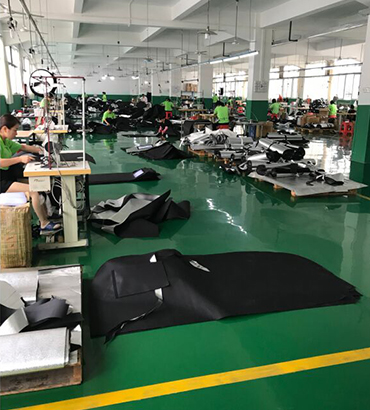
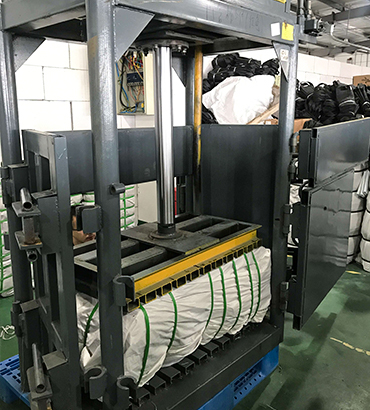
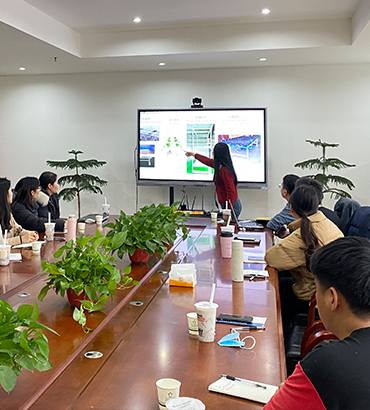
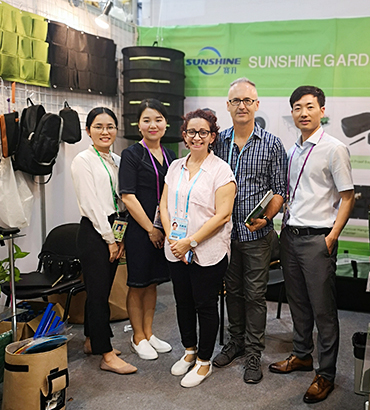
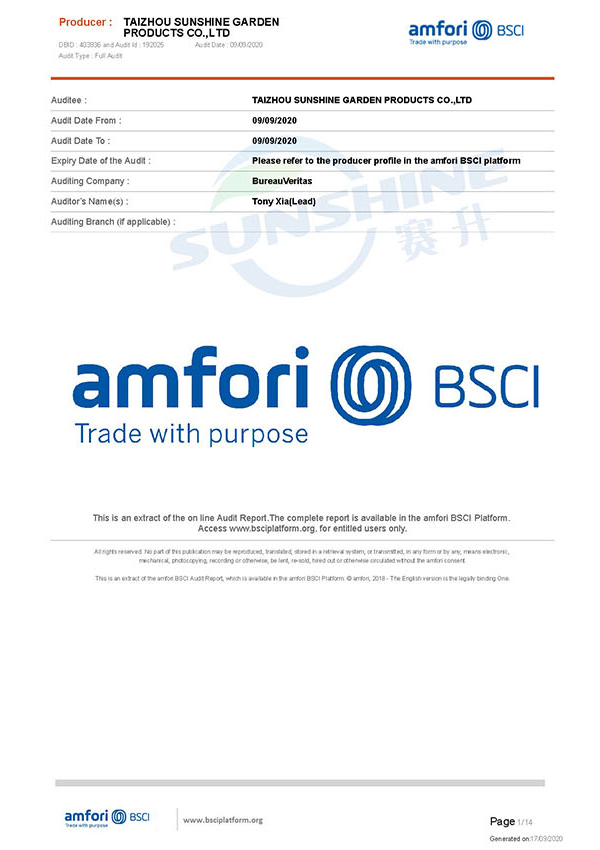
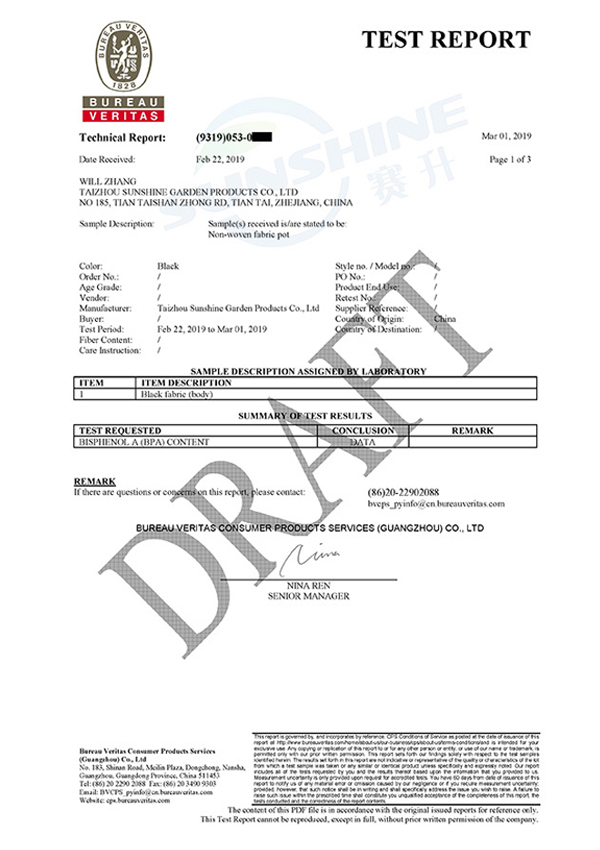

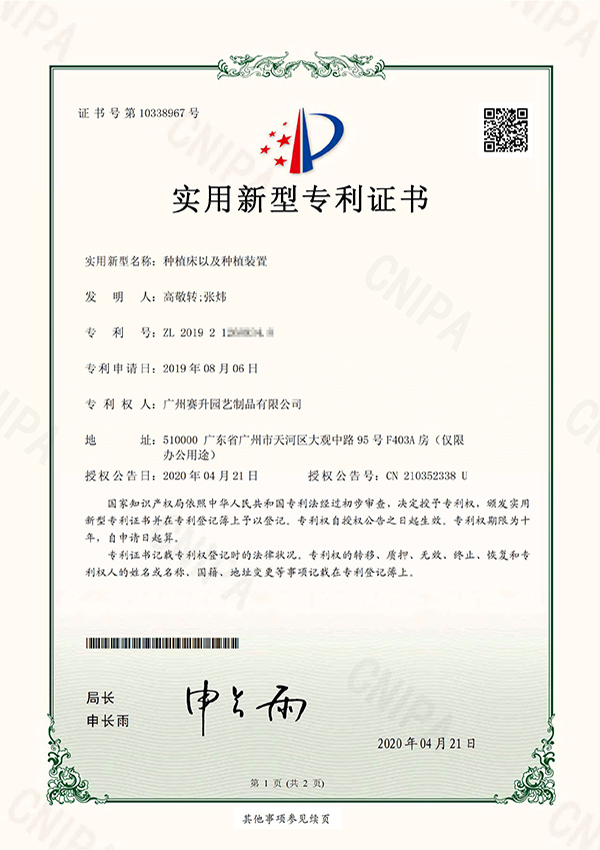
-1.jpg?imageView2/2/w/800/h/800/format/webp/q/75)
.jpg?imageView2/2/w/800/h/800/format/webp/q/75)
.jpg?imageView2/2/w/800/h/800/format/webp/q/75)