

A farmer checking tomato plants after an unexpected late frost has probably had at least one season ruined by weather that showed up without warning. That kind of loss used to just be part of farming, something growers accepted as a risk of working with open fields. Commercial Greenhouse Wholesale solutions have started changing that calculation, giving farms a way to grow crops inside a structure that doesn't leave everything up to whatever the sky decides to do that week.
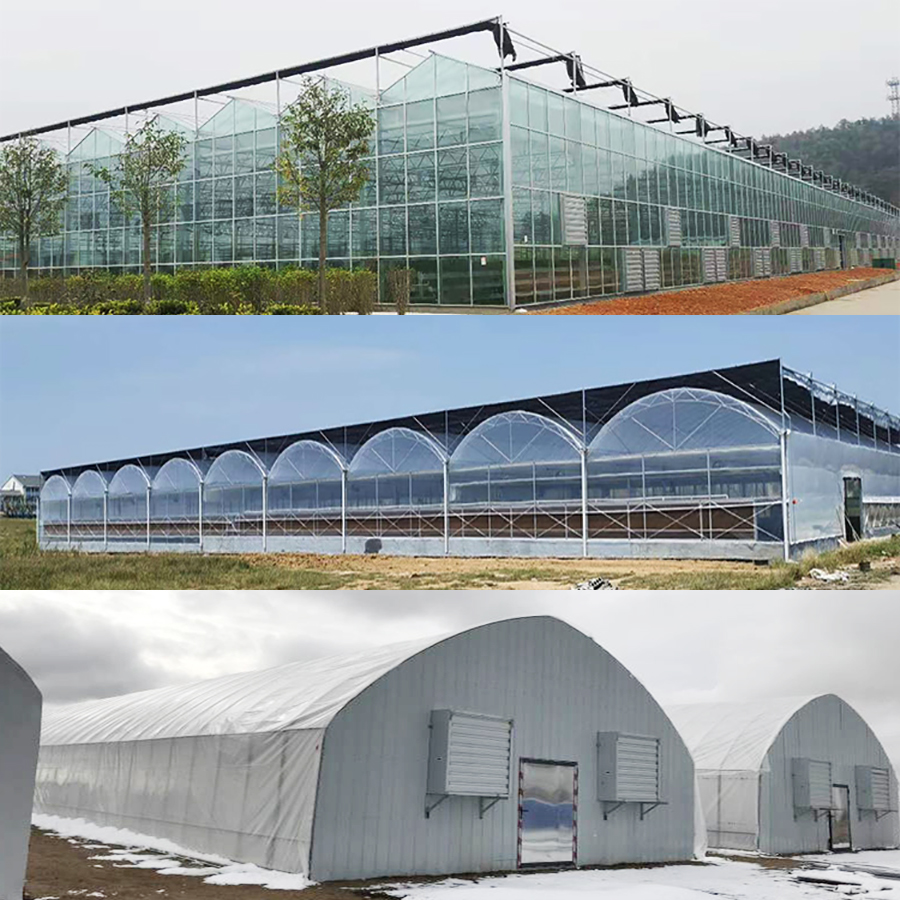
A Commercial Greenhouse creates a growing space where temperature, light, and moisture can be managed rather than simply endured. That's not the same as replacing outdoor farming altogether. It's closer to giving growers another option, one that comes in handy exactly when outdoor conditions turn unpredictable or unworkable.
Growers today deal with a mix of pressures that didn't weigh as heavily a generation ago. Weather patterns swing more unpredictably, usable farmland keeps shrinking in some regions, and buyers expect fresh produce available closer to year-round rather than only during a narrow harvest window.
| Pressure Farmers Face | How the Industry Is Responding |
|---|---|
| Unpredictable weather affecting outdoor crops | Building growing spaces that reduce exposure to weather swings |
| Water and resource limits | Adjusting practices to use inputs more carefully |
| Need for flexible production | Adopting methods that adapt across different growing periods |
| Buyers wanting fresher, more consistent supply | Extending growing seasons beyond traditional limits |
None of these pressures are new individually, but together they've pushed a fair number of growers toward looking at greenhouse-based methods as a practical addition to their existing operation rather than a replacement for it.
Put simply, a greenhouse gives a grower a wall between their crops and whatever's happening outside that day. Rain, wind, sudden frost, or an unexpected heat wave don't reach the plants the same way they would in an open field.
Commercial Greenhouse setups tend to support:
None of this replaces traditional field farming outright. A grower running both open fields and a greenhouse setup, for instance, might use the greenhouse specifically for crops sensitive to cold snaps, while leaving hardier crops to grow outdoors as usual.
Plants respond directly to their surroundings, and small shifts in temperature, humidity, or light exposure can make a noticeable difference in how a crop develops. A greenhouse gives growers a way to manage those factors more directly than an open field allows.
| Growing Factor | How a Greenhouse Helps |
|---|---|
| Weather exposure | Keeps rain, wind, and temperature swings away from crops |
| Daily plant care | Organizes tasks into a structured, repeatable routine |
| Growth tracking | Makes it easier to monitor plants at different stages side by side |
| Planning ahead | Supports scheduling crops around expected market demand |
A grower producing leafy greens for a local grocery chain, for example, can plan harvests around delivery schedules far more reliably inside a greenhouse than they could relying purely on outdoor growing conditions that shift with the weather.
The shift toward greenhouse farming isn't happening because open-field growing suddenly stopped working. It's happening because more growers want an additional layer of control over how and when their crops actually develop.
Reasons that keep coming up:
A grower who lost a season's worth of crops to an unseasonal storm the year before often becomes the same grower investing in greenhouse space the following year, specifically to avoid repeating that loss.
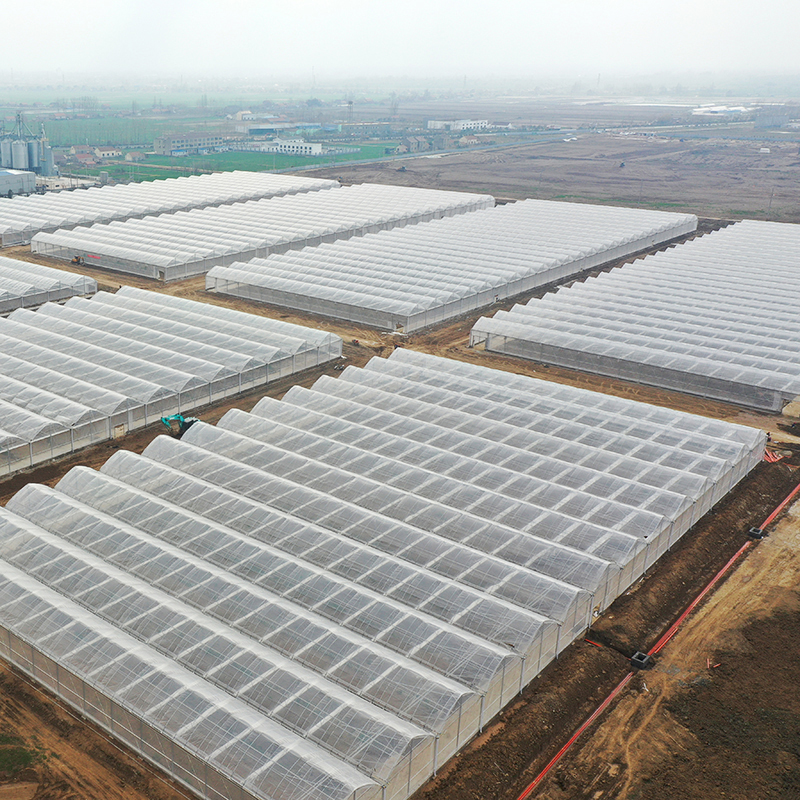
Building out greenhouse space for a small operation is a different undertaking than planning multiple structures across a larger farming project. That's where wholesale greenhouse options come into the picture, giving growers access to structures suited for bigger, more coordinated builds.
| Farm Need | How Wholesale Support Helps |
|---|---|
| Expanding operations | Provides access to multiple structure options at once |
| Planning a bigger project | Supports coordinated builds across a larger site |
| Long-term business growth | Helps fit greenhouse additions into broader farm planning |
| Covering different crop needs | Offers a range of structure types suited to different uses |
A farming operation planning to add several greenhouse units across a season benefits from working with a wholesale supplier who can coordinate that scale, rather than sourcing structures piecemeal from different places.
Greenhouse farming isn't just about the physical structure anymore. A growing number of operations pair that structure with tools that help track conditions inside and adjust as needed, rather than relying purely on manual checks throughout the day.
Technology tends to support:
A grower managing several greenhouse sections at once benefits from tools that flag when conditions drift outside an expected range, catching a problem before it affects an entire crop cycle.
Greenhouse farming isn't a simple swap from outdoor growing. It comes with its own set of decisions that need sorting out before construction even starts.
| Challenge | What It Requires |
|---|---|
| Initial planning | Clear goals about what crops and scale the greenhouse will support |
| Ongoing management | Regular attention, since a greenhouse doesn't run itself |
| Matching crops to conditions | Some crops adapt better to greenhouse growing than others |
| Managing resources carefully | Water, energy, and materials all need organized planning |
A grower entering greenhouse farming without understanding which crops match that environment may face disappointing results, as different plants respond differently to a controlled indoor growing setup.
Markets shift, sometimes quickly, and a farm that can only respond once a season at a time struggles to keep up with sudden changes in demand. Greenhouse farming gives growers a way to adjust more often than a traditional outdoor schedule would allow.
Flexibility shows up through:
A grower noticing sudden demand for a particular herb at a local market can often turn around a greenhouse crop faster than they could plan and wait for an outdoor growing season to align.
Careful resource use has become part of how a lot of farms plan their operations now, not just as a nice idea but as a practical response to rising costs and tighter water availability in some regions.
| Sustainability Focus | How Greenhouse Farming Supports It |
|---|---|
| Resource management | Allows more careful control over water and input use |
| Space efficiency | Supports growing more within a smaller physical footprint |
| Reduced weather dependence | Protects crops from losses tied to outdoor conditions |
| Long-term planning | Supports a farm's ability to keep operating steadily over time |
A grower using drip irrigation inside a greenhouse setup, for example, often uses noticeably less water than an equivalent outdoor crop exposed to evaporation and runoff, which matters more each year as water costs climb in many farming regions.
Agriculture keeps moving toward methods that give growers more say over how their crops actually develop, rather than leaving everything up to conditions outside their control. Commercial Greenhouse systems fit into that shift by offering a structured, adaptable option that works alongside traditional outdoor farming rather than replacing it outright.
As more farms look for ways to plan production more carefully, respond faster to market shifts, and reduce losses tied to unpredictable weather, greenhouse-based growing will likely keep finding its way into more operations — not as a complete overhaul of how farming works, but as one more practical tool growers can reach for when conditions call for it.

 英语
英语 俄语
俄语 德语
德语 西班牙语
西班牙语 法语
法语

.jpg?imageView2/2/w/800/h/800/format/webp/q/75)
.jpg?imageView2/2/w/800/h/800/format/webp/q/75)
.jpg?imageView2/2/w/800/h/800/format/webp/q/75)
.jpg?imageView2/2/w/800/h/800/format/webp/q/75)
.jpg?imageView2/2/w/800/h/800/format/webp/q/75)
-1.jpg?imageView2/2/w/800/h/800/format/webp/q/75)
.jpg?imageView2/2/w/800/h/800/format/webp/q/75)
-1.jpg?imageView2/2/w/800/h/800/format/webp/q/75)
.jpg?imageView2/2/w/800/h/800/format/webp/q/75)
-1.jpg?imageView2/2/w/800/h/800/format/webp/q/75)
-1.jpg?imageView2/2/w/800/h/800/format/webp/q/75)