

A storm rolls through, and by morning half your growing operation is bent, cracked, or flattened against the crops it was supposed to protect. That's the moment a lot of growers finally start asking hard questions about what their greenhouse frame is actually made of. A Steel Structure Greenhouse is designed to handle this type of stress more effectively than many alternative framing options, and if a growing investment has ever been affected by a frame that was not suited for the application, this explains how steel can help improve structural reliability.
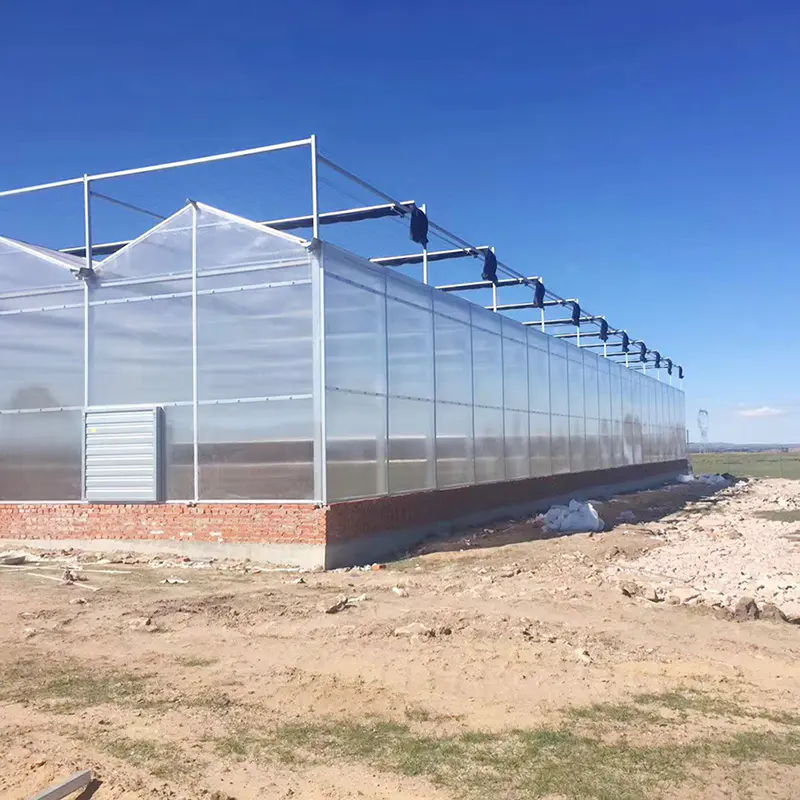
The frame is, quite literally, everything the rest of the structure depends on. Covering material, ventilation systems, irrigation lines — all of it hangs off a skeleton that has to withstand wind loads, snow accumulation, and years of thermal expansion without buckling or fatiguing.
A weak frame doesn't necessarily fail all at once, either. More often it degrades gradually, developing small stresses and misalignments that compound over seasons until something finally gives, usually at the worst possible moment during a weather event.
Several factors determine how well a frame holds up over time:
Steel performs strongly across nearly all of these categories, which is exactly why it's become the go-to choice for growers who need a structure that survives more than a couple of seasons without significant repair.
Steel offers a strong strength-to-weight ratio compared with many alternative framing materials used in greenhouse construction. That means a steel frame can support considerably more load, whether from wind pressure, accumulated snow, or the weight of covering material itself, without requiring bulkier cross sections that would otherwise block light or reduce usable interior space.
This is where the material difference really shows up. During high wind events, a rigid steel structure distributes force across connection points more evenly than lighter materials tend to, reducing the risk of localized failure. Snow load presents a similar test, since accumulated weight on a roof surface needs a frame capable of bearing that pressure without sagging or cracking.
Growers operating in regions with pronounced seasonal weather, whether that's heavy snowfall or strong seasonal winds, tend to find that a greenhouse with steel frame construction handles these recurring stresses with considerably less wear accumulating over time compared to lighter framing options.
Steel isn't the only serious contender in greenhouse framing, and it's worth being upfront about where aluminum still makes sense. Both materials bring genuine strengths depending on the application.
| Factor | Steel Structure Greenhouse | Aluminum Frame Greenhouse |
|---|---|---|
| Load Bearing Capacity | Strong, suited to larger commercial spans | Moderate, better for smaller structures |
| Weight | Heavier, requiring sturdier foundation work | Lighter, easier to handle and install |
| Corrosion Resistance | Good with proper coating or galvanizing | Naturally resistant without added treatment |
| Cost Over Lifespan | Higher upfront, lower long-term replacement need | Lower upfront, may need more frequent upkeep |
| Best Suited Scale | Commercial and large custom-size greenhouse projects | Small to mid-sized personal or hobby structures |
Neither material wins universally across every scenario, honestly. Aluminum's natural corrosion resistance and lighter weight genuinely suit smaller personal greenhouses where ease of assembly matters more than raw load capacity. Steel, on the other hand, tends to be the more sensible choice once you're talking about commercial scale operations or any structure expected to handle serious environmental stress over a long working life.
It depends heavily on how the steel was treated during manufacturing. Untreated or poorly coated steel can develop rust over time, particularly in humid growing environments. Properly galvanized or coated steel framing can resist corrosion effectively, offering low maintenance performance similar to aluminum while maintaining the load capacity associated with steel.
Simply choosing steel doesn't guarantee a long lasting structure on its own. How that steel gets engineered and assembled matters just as much as the material choice itself.
Key design considerations include:
Ignoring careful attention to any of these elements can affect even quality steel materials, resulting in premature wear or structural concerns despite using a strong frame material.
Steel Structure Greenhouse designs scale well across a fairly wide range of applications, from smaller custom size greenhouse projects up through large commercial operations covering considerable ground area.
Commercial growers benefit particularly from steel framing because:
For operations considering a commercial greenhouse wholesale purchase, steel framing generally represents a stronger long term investment, particularly when the structure needs to support consistent, uninterrupted growing cycles across many seasons without unplanned downtime for repairs.
Not every steel greenhouse gets engineered to the same standard, so buyers benefit from asking pointed questions before committing to a purchase or a larger custom project.
Worth confirming before purchase:
Working with custom greenhouse manufacturers who can walk through these details specifically, rather than offering only standardized configurations, tends to result in a structure better matched to your actual growing conditions and long term operational needs.
Steel framing typically carries a higher initial cost compared to lighter alternatives, and it's fair to acknowledge that upfront investment matters for any growing operation working within a defined budget. That said, the calculation shifts considerably when you factor in lifespan and reduced repair frequency.
A structure that needs significant frame repair or replacement every few seasons ends up costing more over its working life than one built with steel from the start, even accounting for the higher initial price. For commercial operations planning multi-year growing cycles, that long term math tends to favor steel construction fairly decisively, particularly in regions where weather conditions place real demands on structural integrity year after year.
Steel Structure Greenhouse construction ultimately comes down to matching frame material to how demanding your growing environment actually is, and how long you need the structure to perform without significant intervention. Operations facing serious wind, snow, or general environmental stress tend to find that steel's load bearing capacity and long term durability justify the higher upfront investment, while smaller or more sheltered setups might reasonably lean toward lighter alternatives instead. Taizhou Sunshine Garden Products Co., Ltd. works with agricultural businesses and commercial growers evaluating exactly this kind of framing decision, offering steel and aluminum greenhouse options engineered to match specific regional conditions and production scale. If your current structure has been showing wear faster than expected, or you're planning a new build and want a frame that actually holds up season after season, reaching out to discuss your project requirements is a practical next step toward a more durable growing environment.

 英语
英语 俄语
俄语 德语
德语 西班牙语
西班牙语 法语
法语

.jpg?imageView2/2/w/800/h/800/format/webp/q/75)
.jpg?imageView2/2/w/800/h/800/format/webp/q/75)
.jpg?imageView2/2/w/800/h/800/format/webp/q/75)
.jpg?imageView2/2/w/800/h/800/format/webp/q/75)
.jpg?imageView2/2/w/800/h/800/format/webp/q/75)
-1.jpg?imageView2/2/w/800/h/800/format/webp/q/75)
.jpg?imageView2/2/w/800/h/800/format/webp/q/75)
-1.jpg?imageView2/2/w/800/h/800/format/webp/q/75)
.jpg?imageView2/2/w/800/h/800/format/webp/q/75)
-1.jpg?imageView2/2/w/800/h/800/format/webp/q/75)
-1.jpg?imageView2/2/w/800/h/800/format/webp/q/75)