

A quote that landed far higher than expected. A second supplier offering a number so much lower it raises more questions than it answers. A budget that keeps shifting because nobody can pin down exactly where the money in a Steel Structure Greenhouse is actually going. These frustrations come up constantly for anyone planning an agricultural or commercial growing project, and understanding what genuinely drives cost in this type of structure is the only way to compare offers with any real confidence rather than guessing which quote is fair. Greenhouse pricing rarely boils down to a single number tied neatly to square footage. It depends on frame material, structural design, overall size, glazing choice, and the specific functions the space needs to support day to day. Pulling these factors apart one at a time gives a far clearer sense of where a budget should realistically land, and which trade-offs are worth weighing before committing to any particular manufacturer.
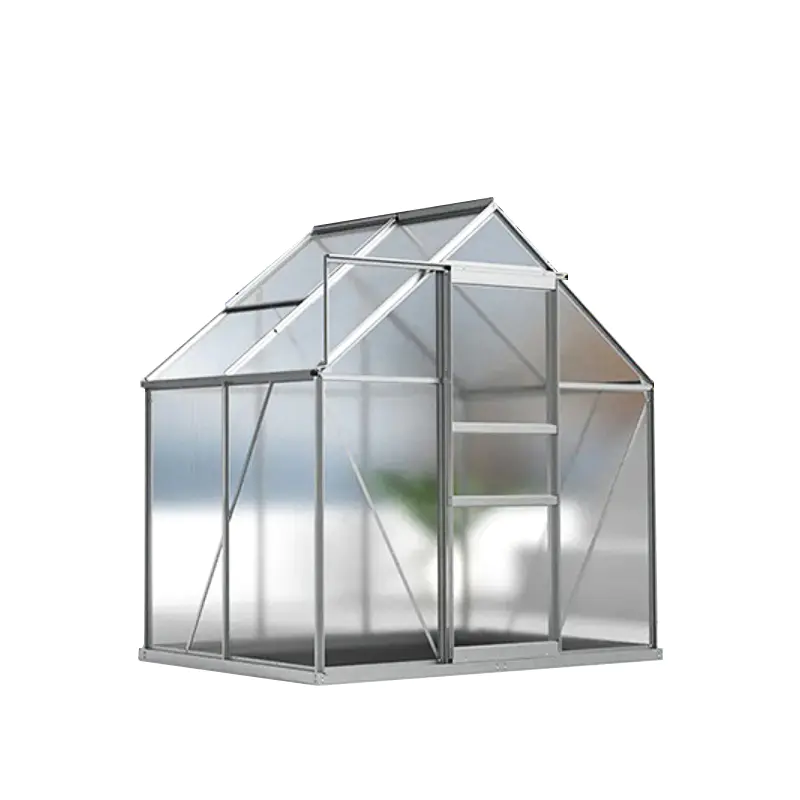
The structural frame is usually the single largest cost driver in any greenhouse build. A Greenhouse with Steel Frame construction tends to carry a different cost profile than aluminum alternatives, largely because the two materials behave so differently under load, weather exposure, and long-term upkeep.
Not really, and the answer shifts depending on scale and intended use. Steel framing tends to offer solid load-bearing capacity at a reasonable material cost, which is part of why it shows up so often in larger commercial projects where structural strength across wide spans matters more than shaving down frame weight.
Steel's load-bearing strength often means fewer support points are needed across a given span, which can offset some of the per-unit material cost compared to lighter alternatives. A large aluminium greenhouse, on the other hand, may need extra reinforcement points to reach comparable stability, especially in regions dealing with heavy snow or strong wind.
Aluminum has inherent corrosion resistance; steel, on the other hand, does not unless coated or treated. This changes long-term cost in a way that is easy to overlook. A Steel Structure Greenhouse might cost less to put up initially but demand more attention to rust prevention over its working life, while a small aluminum greenhouse usually needs less ongoing maintenance even though it often arrives with a higher initial material price.
| Cost Factor | Steel Frame | Aluminum Frame |
|---|---|---|
| Initial Material Cost | Generally lower | Generally higher |
| Load-Bearing Capacity per Unit | Higher | Lower; often requires reinforcement |
| Corrosion Resistance | Requires coating or protective treatment | Naturally corrosion-resistant |
| Long-Term Maintenance Needs | Higher, due to rust risk | Lower, due to material stability |
| Suitability for Large Spans | Excellent structural strength | Moderate; depends on design |
| Weight per Structural Unit | Heavier | Lighter |
A lot of buyers assume cost scales evenly with floor area, but a custom size greenhouse hardly ever works that way in practice. Bigger structures tend to bring in additional engineering work, things like wind load calculations and reinforced foundation points, that push cost beyond what a simple square footage multiplication would ever suggest.
A small greenhouse walk in design, or something closer to a small tall greenhouse layout, might seem like it should cost proportionally less than a full commercial structure. But fixed costs, door systems, ventilation components, foundation work, do not shrink at the same pace as floor area shrinks. Those fixed elements end up making up a much larger share of total cost on smaller builds than people expect going in.
Before locking in dimensions, working through a few questions can be useful:
It happens often, and to a degree that exceeds what many buyers foresee when starting out. Glazing material shapes light transmission, insulation performance, and durability all at once, and each of those carries its own cost implications depending on climate and the crop or use case driving the project.
Matching glazing choice to actual climate conditions and real intended use keeps buyers from overspending on features that never really get used as intended.
Buyers purchasing at commercial scale typically land on a different pricing structure than someone ordering a single unit. Commercial greenhouse wholesale arrangements often rely on standardized components spread across multiple units, which trims per-unit engineering and design cost compared to building everything fully custom, one structure at a time.
For larger projects, cost efficiency tends to come down to a handful of practical moves:
Functional systems tend to add cost to greenhouse projects beyond the basic frame and covering. Ventilation, whether through passive vents or active fan systems, affects both upfront spending and ongoing energy use, and the right call here depends heavily on local climate and how sensitive the crop actually is.
Not really. A smart mini greenhouse setup with automated monitoring and control can genuinely pay off for buyers managing sensitive crops or remote sites where checking in regularly is not practical. But for simpler growing needs, manual ventilation and basic climate management often deliver comparable results at a noticeably lower cost. Matching automation level to actual operational demands keeps buyers from paying for complexity that just sits there unused.
Site preparation and foundation work are frequently underestimated when buyers begin budgeting for a steel structure greenhouse. Soil conditions, drainage, and local building codes all factor into foundation cost, and skipping a proper site assessment tends to cause structural problems that cost more to fix later than they would have to prevent early on.
A practical way to sidestep foundation surprises includes:
Wide pricing gaps between custom greenhouse manufacturers usually trace back to differences in material grade, how much structural engineering actually went into the design, and what is or is not included in the quoted number. A lower quote might exclude foundation work, shipping, or installation support that a higher quote bundles in, which makes a direct side-by-side comparison pretty misleading without asking more questions.
Getting straight answers to these questions before comparing prices keeps buyers from mistaking an incomplete quote for a genuinely cheaper option.
Working through frame material, sizing strategy, glazing choice, functional add-ons, and foundation requirements before settling on a final budget gives buyers a far more realistic sense of what a Steel Structure Greenhouse actually costs to build and keep running over time, rather than leaning on a single quoted number that may or may not reflect the full scope of the project. Weighing steel against aluminum, comparing custom sizing against standardized commercial options, and pushing custom greenhouse manufacturers for detailed answers all add up to a budget that holds up once construction actually begins. Taizhou Sunshine Garden Products Co., Ltd. works with buyers through each of these considerations, from frame material selection through custom sizing and commercial scale planning, helping turn project requirements into a structure that fits both functional needs and the realities of the budget. Reaching out to talk through specific site conditions and growing requirements is a reasonable next step for buyers ready to move from cost research into an actual project plan.

 英语
英语 俄语
俄语 德语
德语 西班牙语
西班牙语 法语
法语

.jpg?imageView2/2/w/800/h/800/format/webp/q/75)
.jpg?imageView2/2/w/800/h/800/format/webp/q/75)
.jpg?imageView2/2/w/800/h/800/format/webp/q/75)
.jpg?imageView2/2/w/800/h/800/format/webp/q/75)
.jpg?imageView2/2/w/800/h/800/format/webp/q/75)
-1.jpg?imageView2/2/w/800/h/800/format/webp/q/75)
.jpg?imageView2/2/w/800/h/800/format/webp/q/75)
-1.jpg?imageView2/2/w/800/h/800/format/webp/q/75)
.jpg?imageView2/2/w/800/h/800/format/webp/q/75)
-1.jpg?imageView2/2/w/800/h/800/format/webp/q/75)
-1.jpg?imageView2/2/w/800/h/800/format/webp/q/75)