

Plant growth changes as the plant moves from one stage to another. Seedlings need a controlled environment as they develop new leaves and roots, while a young plant that looked healthy before may become stretched or pale when its growing conditions change.
Mature plants tend to need a different balance once their structure fills out and the stems thicken. Flowering plants bring a whole other set of considerations into play, especially when natural daylight through a window just isn't enough to carry them through.
Light is one part of this changing environment, though it is not the only factor growers need to consider. For indoor growing, choosing a suitable lighting system can shape how the space is arranged and managed from day to day.
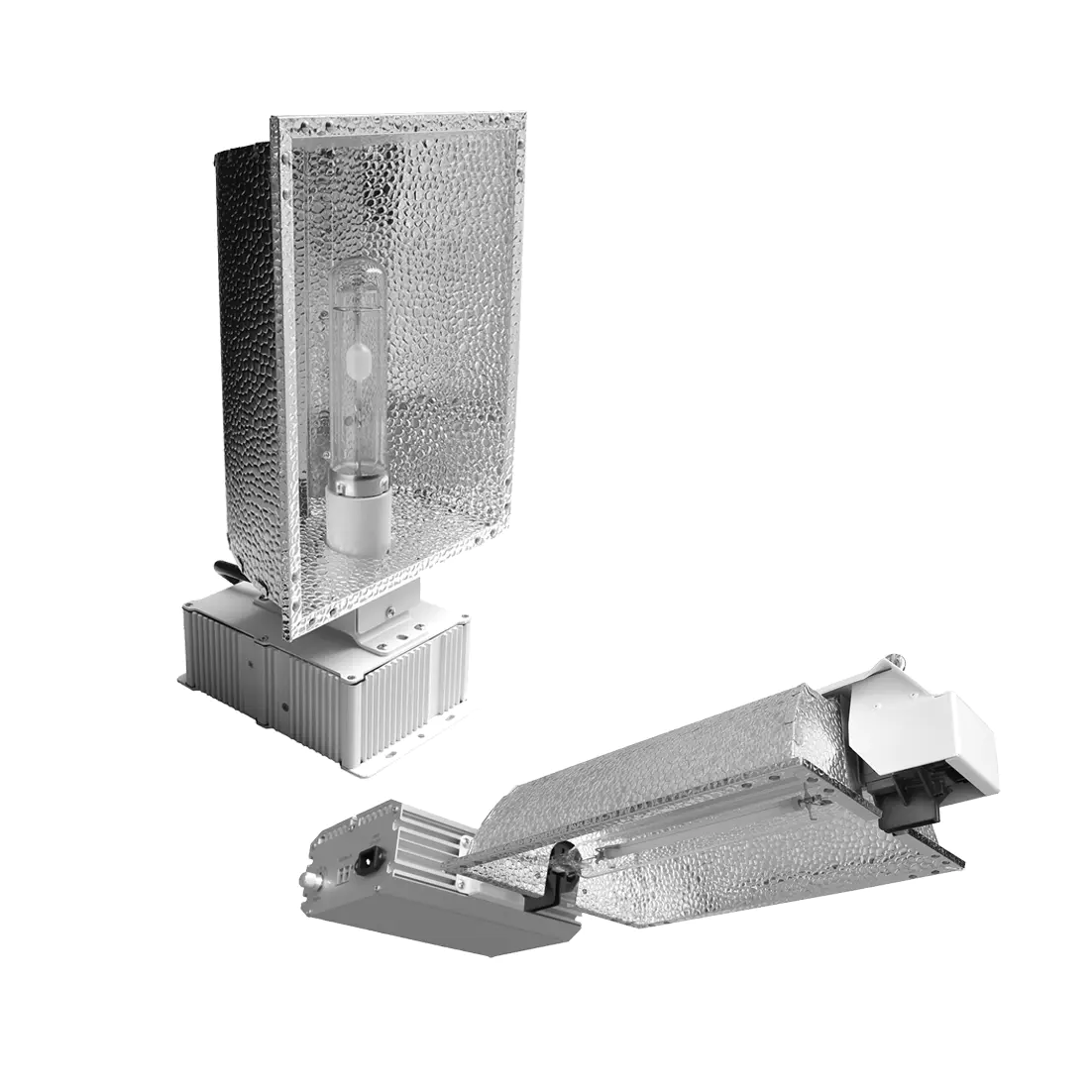
A Sodium Grow Light keeps coming up in these conversations because of its warm light appearance and its long track record in indoor cultivation. The term Grow Lights Sodium usually refers to lighting products built on sodium lighting technology, including systems designed specifically for horticultural use.
These lights often get paired with other growing equipment, depending on the crop, the growing method, and where the plants sit in their cycle. The real question isn't whether sodium lighting can light up a room full of plants.
It's how growers actually use it, adjusting as plants move from early development through active growth and into flowering.
A plant's appearance shifts noticeably as it grows, sometimes over the course of just a few weeks. A small seedling might have only a couple of leaves and take up almost no space on a growing tray.
A mature plant, by contrast, can spread into a wider canopy with denser foliage, and it starts demanding more consistent environmental management just to keep up with itself. This means the lighting arrangement often needs to shift as the plants get bigger and start crowding their own space.
| Growth Stage | Lighting Consideration | Management Focus |
|---|---|---|
| Seedling stage | Gentle and consistent illumination | Early plant development |
| Vegetative stage | Broader canopy coverage | Leaf and structural growth |
| Flowering stage | Suitable light environment | Flower and fruit development |
| Late growth | Consistent growing conditions | Maintaining plant condition |
A sodium-based lighting system fits into each of these stages differently, and its role doesn't have to stay fixed the whole way through. Growers might move the fixture higher or lower, change the lighting schedule, or bring in another light source as the plants develop past where the original setup made sense.
The growing environment itself matters just as much as the light source. A small indoor garden on a spare room shelf has different lighting needs than a commercial growing room with several planting areas spread across the floor.
Plant height, canopy shape, nearby equipment, and room layout can all change how light should actually get arranged. That's part of why light management works as an ongoing habit of cultivation rather than a decision made once and forgotten.
Seedlings are fragile and still working out their basic structure, so growers tend to watch them closely at this stage. Light needs to fold into the growing environment without adding stress a young plant can't handle yet.
A Sodium Grow Light can fit into a carefully managed setup, especially when growers are working to keep indoor conditions steady as roots and new leaves develop.
The important thing isn't simply having light present in the room. Where the fixture sits and how the light actually reaches the growing area changes how evenly young plants receive illumination, and uneven light shows up fast in seedlings.
| Seedling Concern | Lighting Consideration |
|---|---|
| Small plant size | Avoid an arrangement that overwhelms the growing area |
| Uneven growth | Consider consistent coverage |
| Limited natural light | Provide additional illumination where needed |
| Changing plant positions | Keep the lighting layout practical |
| Small growing space | Match the fixture to the available area |
Seedlings also change quickly, sometimes doubling in size within days. A lighting arrangement that suited a freshly planted tray may stop working once leaves expand and stems reach upward past where the light was aimed.
Because of that, growers can treat early lighting decisions as part of a flexible plan rather than a fixed setup. The goal is a workable environment that can grow along with the plants instead of holding them back.
The vegetative stage is when many plants put out more leaves and build a bigger structure overall. As the canopy spreads outward, how light gets distributed across the growing area starts mattering more than it did before.
A single point of illumination rarely covers every part of a growing area evenly once plants fill in, and taller plants can start blocking light from reaching the leaves underneath them.
This is where Grow Lights Sodium systems often become part of a broader lighting arrangement rather than standing alone.
| Vegetative Growth Need | Possible Lighting Approach |
|---|---|
| Expanding canopy | Consider broader coverage |
| Increasing plant height | Reassess fixture position |
| Dense foliage | Pay attention to light distribution |
| Multiple plants | Organize fixtures around the growing area |
| Changing plant shape | Adjust the lighting layout as needed |
Growers also pay attention to how the plants look next to one another. When some plants get noticeably less light than others, their growth starts looking uneven, with some stretching toward the light while others lag behind.
A thoughtful arrangement helps spread the available light more usefully across the whole cultivation area instead of favoring whichever plant happens to sit closest to the fixture. The fixture itself never works in isolation from everything else in the room.
Ventilation, plant spacing, growing containers, and other equipment all shape how a lighting system actually fits into the space. This is why growers often have to look at the whole growing environment before deciding exactly where sodium lighting belongs.
Flowering brings a visible turn in the growing cycle, one that's usually easy to spot even for someone just checking in on the plants occasionally. Plants that spent weeks building leaves and stems begin redirecting their energy toward flowers and, for suitable crops, eventually fruit.
Lighting becomes part of the daily environmental routine during this stretch. High Sodium Grow Lights get considered for flowering-stage cultivation fairly often, largely because their warm visual character fits the lighting preferences many indoor growers already lean toward.
Their use also tends to complement how growers organize a dedicated flowering area within a larger space.
| Flowering Area | Lighting Planning Point |
|---|---|
| Dense canopy | Consider how light reaches different areas |
| Tall plants | Position fixtures with plant height in mind |
| Multiple containers | Keep coverage practical across the room |
| Mixed plant sizes | Account for differences in canopy height |
| Dedicated flowering area | Match the lighting setup to the cultivation plan |
Flowering plants often carry a more developed canopy than they did during the seedling stage, which changes the whole relationship between fixture and plant. A fixture positioned well for young plants may sit awkwardly once those same plants mature and reach upward.
Growers can keep watching plant development and make reasonable adjustments instead of treating the original lighting position as something set in stone. The point is keeping the lighting arrangement aligned with how the growing area keeps changing shape underneath it.
A lighting product is only one piece of an indoor cultivation space, not the whole system by itself. The fixture has to work alongside ventilation, plant containers, support structures, electrical equipment, and whatever room layout the grower is stuck working with.
An HPS Grow Light Fixture fits into a growing system wherever sodium-based lighting has been chosen as part of the cultivation plan. Its physical design matters quite a bit here, since installation directly affects how the light actually reaches the plants below it.
| Fixture Consideration | Why It Matters |
|---|---|
| Mounting arrangement | Affects how the fixture fits into the growing area |
| Fixture position | Influences the area receiving illumination |
| Surrounding equipment | Can affect available installation space |
| Plant height | Changes the relationship between plants and light |
| Maintenance access | Makes routine inspection easier |
A workable fixture also needs to fit how growers actually move through their space day to day. If equipment sits somewhere hard to reach, routine cleaning or inspection turns into a chore people start putting off, and dusty fixtures lose effectiveness over time.
The surrounding layout should leave reasonable room for handling and maintenance rather than squeezing the fixture into a corner nobody wants to deal with. Growers can also think ahead to how much the plants will grow before installing anything permanently.
A setup that works fine when plants are small can turn awkward fast once the canopy fills out and starts crowding the fixture itself. Planning around that kind of growth ahead of time makes the whole lighting system easier to manage months down the line.
Sodium lighting doesn't need to be tied to just one stage of plant development. How it gets applied can shift depending on the crop, the cultivation method, how much natural light is already available, and the overall lighting strategy a grower has settled on.
Some growers run sodium lighting through the entire growing cycle without changing much. Others combine it with a second light source or rework the arrangement as the plants move from one stage into the next.
| Approach | Possible Reason |
|---|---|
| Use during early growth | Supplement available natural or indoor light |
| Use during vegetative growth | Support a larger growing area |
| Use during flowering | Match the preferred lighting environment |
| Combine with other lighting | Create a more flexible cultivation setup |
| Change placement over time | Follow changes in plant height and canopy |
Flexibility tends to matter more than any single fixed formula here. Plants are living things, and their appearance can change quite a bit over the course of a growing cycle, sometimes faster than a grower expects.
A lighting plan that stays frozen in place without accounting for that growth tends to become less useful as the space around it keeps changing. Regular observation helps growers figure out when an adjustment is actually worth making instead of guessing.
That might mean shifting fixture placement, rearranging plants, or just stepping back and reviewing the whole lighting setup with fresh eyes. Decisions made that way usually hold up better than sticking to one lighting approach no matter what the plants are doing.
Picking a lighting system involves more than just choosing a lamp type off a shelf. The physical growing area, how plants are arranged, the installation method, the maintenance routine, and the actual cultivation goals all feed into that decision.
Growers can walk through a handful of practical questions before settling on a product.
A fixture meant for seedlings often gets used differently than one installed over a mature flowering canopy that's already filled out.
The shape of the room and where the plants sit within it can change how fixtures should be spread out.
If plants are going to grow taller during cultivation, the original fixture position may need a second look partway through.
The mounting method should fit whatever structure is available and still leave practical access for routine handling.
Some growing spaces run more than one type of light together to build a more flexible environment.
The fixture should fit into the normal cleaning, inspection, and replacement routine of the space rather than fighting against it.
Questions like these help narrow down workable options without leaning on a single product feature as the deciding factor. They also push growers to think about lighting as part of the whole cultivation environment instead of a standalone purchase.
Plant arrangement can have a surprisingly strong pull on how a lighting system actually performs in practice. A growing room with evenly spaced containers creates a different lighting situation than one filled with plants of mixed heights and shapes crowding each other.
Dense foliage also changes how light travels down through the different layers of a canopy. Growers can review the plant layout whenever the canopy changes in a noticeable way, rather than waiting for problems to show up in the leaves.
| Plant Layout | Lighting Management Consideration |
|---|---|
| Evenly spaced plants | Maintain consistent coverage |
| Tall plants | Consider height differences |
| Dense canopy | Review light distribution |
| Mixed plant sizes | Avoid focusing lighting only on taller plants |
| Moving containers | Keep fixture placement practical |
The relationship between plants and fixtures matters even more once flowering starts. Flowers can develop at different points across a plant, while leaves stack into layers that shade one another as the canopy thickens.
A well-thought-out lighting arrangement takes those shifts into account rather than ignoring them. That doesn't mean every leaf and flower needs identical light at every single moment.
Instead, the aim is a lighting environment that actually fits how the plants occupy the space they've been given, uneven as that space might be.
Good lighting management is closely tied to careful observation, especially when setting up an indoor growing space. Plants often show visible signs when their surroundings change, such as leaves leaning toward one side or growth slowing across part of the canopy.
Changes in leaf position, overall growth pattern, or canopy development can all be a nudge to review the current lighting arrangement. A simple management routine might include:
None of these tasks demand a complicated routine or special training. They mostly come down to noticing how the plants and the equipment are actually interacting week to week.
For growers using High Sodium Grow Lights, regular observation helps settle whether the current arrangement still suits the crop and the space it's growing in. A HPS Grow Light Fixture also tends to be easier to manage when its installation spot has been planned around access, plant movement, and whatever other equipment shares the room.
This kind of approach lets the lighting system stay part of an adaptable growing environment instead of turning into a fixed fixture nobody revisits after installation day. The same idea applies when using Grow Lights Sodium across different stages of a crop's life.
As seedlings grow into larger plants and mature plants move into flowering, their relationship with lighting changes along the way. The growing area should be treated as a space that develops throughout cultivation, with fixture placement, plant position, and daily care adjusted to suit what the plants need at each stage.

 英语
英语 俄语
俄语 德语
德语 西班牙语
西班牙语 法语
法语

.jpg?imageView2/2/w/800/h/800/format/webp/q/75)
.jpg?imageView2/2/w/800/h/800/format/webp/q/75)
.jpg?imageView2/2/w/800/h/800/format/webp/q/75)
.jpg?imageView2/2/w/800/h/800/format/webp/q/75)
.jpg?imageView2/2/w/800/h/800/format/webp/q/75)
-1.jpg?imageView2/2/w/800/h/800/format/webp/q/75)
.jpg?imageView2/2/w/800/h/800/format/webp/q/75)
-1.jpg?imageView2/2/w/800/h/800/format/webp/q/75)
.jpg?imageView2/2/w/800/h/800/format/webp/q/75)
-1.jpg?imageView2/2/w/800/h/800/format/webp/q/75)
-1.jpg?imageView2/2/w/800/h/800/format/webp/q/75)