

HPS grow lighting has a long history in controlled growing environments, but fixture design keeps changing as growers and equipment buyers look for more practical products to install. The focus is no longer only on producing light and calling it done. The structure around the light source also affects installation, maintenance, heat management, and daily operation on the floor.
A modern growing facility may have different spaces for different crops and growing stages under one roof. Some areas may need overhead fixtures, while others may require a more focused arrangement suited to a smaller zone. This creates demand for products that can fit different layouts without making installation unnecessarily complicated for the crew.
The same change can be seen in commercial purchasing decisions. Buyers often look beyond the light source itself and examine the complete fixture from top to bottom. Housing design, mounting options, cleaning access, heat control, and replacement convenience can all influence product selection at the purchasing stage.
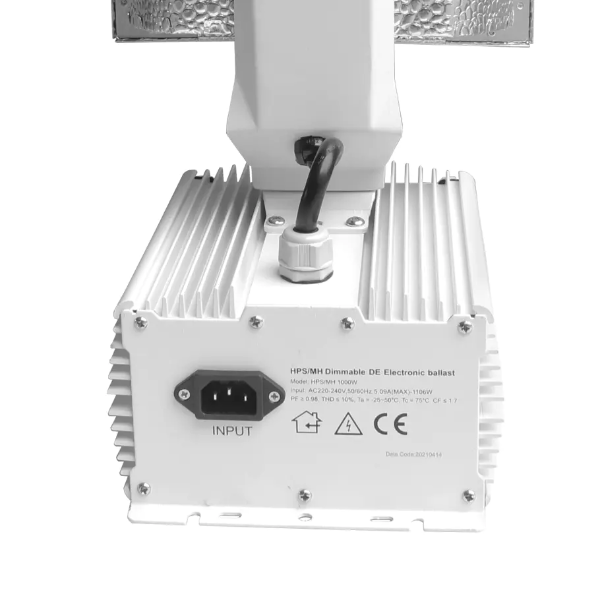
Sodium Grow Light products are therefore getting developed with more attention to the relationship between the lamp and its surrounding structure. The fixture has become a genuinely important part of how the lighting system fits into a growing space day after day.
Grow Lights Sodium products also need to work within environments where moisture, dust, heat, and regular maintenance can affect daily use. A fixture designed with these conditions in mind can make the overall installation a lot easier to manage over time.
This shift has encouraged manufacturers to rethink familiar fixture designs sitting in their catalogs. Instead of treating the housing as a simple protective shell, product development increasingly considers how the entire unit will get installed, cleaned, serviced, and used once it's hanging over live plants.
The physical structure of an HPS fixture is receiving more attention, since the housing influences both the appearance and practical use of the product on a daily basis. Growers often work in spaces where equipment gets installed above plants, so fixture weight, shape, mounting position, and access can affect daily work throughout the season.
A compact structure can help when space is limited, while a broader housing may provide a different way to distribute light across the growing area beneath it. The right shape depends on the layout of the facility and the position of the crops sitting under the fixture.
Reflective surfaces are also part of the fixture structure worth paying attention to. Their role is directing available light toward the growing area, instead of allowing it to spread unnecessarily into surrounding spaces that don't need it.
Housing materials can influence cleaning and long-term appearance as well over years of use. Growing facilities can contain moisture, plant material, dust, and other residue, so surfaces should get considered with regular maintenance in mind from the start.
Modern designs also tend to pay more attention to component arrangement inside the housing. Internal parts need to get positioned in a way that supports service work and helps reduce unnecessary difficulty when inspection is required down the line.
The overall structure can get viewed through several design questions worth walking through.
| Design Area | Practical Consideration |
|---|---|
| Housing | Does the shape suit the growing environment? |
| Reflective section | Does the structure direct light toward the crop area? |
| Mounting | Can the fixture fit the intended installation method? |
| Surface | Is routine cleaning manageable? |
| Internal layout | Can components be accessed when service is needed? |
| Cable arrangement | Can wiring remain organized during installation? |
These details may seem small when viewed separately on a spec sheet. Together, they can shape how easily a lighting product fits into a commercial growing operation running day to day.
Heat is an unavoidable consideration in high-intensity growing lights hanging above plants for hours at a stretch. The fixture must therefore manage heat in a way that fits the surrounding growing environment around it.
Traditional designs often use the fixture body itself as part of the heat management process. Newer product development continues to explore housing shapes and ventilation arrangements that can help move heat away from sensitive components tucked inside.
High Sodium Grow Lights may get installed above crops for long operating periods stretching across a growing cycle, so heat management needs consideration alongside mounting height, airflow, and the layout of nearby equipment in the same room.
The goal isn't simply making a fixture feel cooler on the outside to the touch. The internal arrangement also matters, since excessive heat around electrical components can affect maintenance needs and product service life over time.
Ventilation openings can support air movement, but their design also needs to consider dust and moisture floating around the facility. A growing facility isn't always a clean indoor room like a lab. Plant debris and airborne material may enter equipment if the housing is poorly suited to the environment it's placed in.
Some fixture designs use larger external surfaces to help release heat into the surrounding air. Others use fins, vents, or shaped housings instead. The specific approach can vary according to the product structure and application it's built for.
Heat management is also connected with installation choices made on-site. A fixture installed too close to other equipment may have less room for air movement around it. Buyers should therefore consider the fixture together with the physical environment, rather than examining the product in isolation from its surroundings.
This has made thermal design a genuinely important part of product development across the industry. Manufacturers are increasingly expected to think about how the fixture behaves after it leaves the factory and enters a real growing facility with real conditions.
Installation is a major concern for commercial growers, since lighting systems can cover large areas across a single facility. A fixture that's difficult to mount may increase labor demands and make future adjustments a lot less convenient for the crew.
Suspended installation remains a common approach, since it allows fixtures to get positioned above the growing area without taking up floor space. That said, the mounting structure needs to match the ceiling, support system, and overall facility layout it's going into.
Some projects may require fixtures to get moved or adjusted during changes to the growing arrangement mid-season. Flexible mounting options can make this a lot easier when the facility needs to accommodate different crops or production areas over time.
The connection between the fixture and its support system also matters quite a bit here. Installers need clear access to mounting points and wiring while working overhead. A simple physical structure can make the installation process a lot easier to understand for the crew doing the work.
Maintenance access should get considered at the same stage, not added on afterward. If a fixture needs to get opened or removed later, the mounting method shouldn't create unnecessary obstacles in the way.
For large commercial facilities, installation planning can get organized around several practical points worth checking off.
These considerations can influence the fixture design itself before it ever ships. A product may look simple sitting in a box, but its mounting system can determine how practical it becomes during real installation work on-site.
Different growing environments have genuinely different needs from one facility to the next. A small indoor growing room may have a simple layout, while a commercial greenhouse or larger cultivation facility can contain multiple growing zones under one roof.
The lighting fixture must therefore fit the space, rather than forcing every application into the same design regardless of layout. This has encouraged more attention to fixture shape, mounting flexibility, housing protection, and maintenance access across the product line.
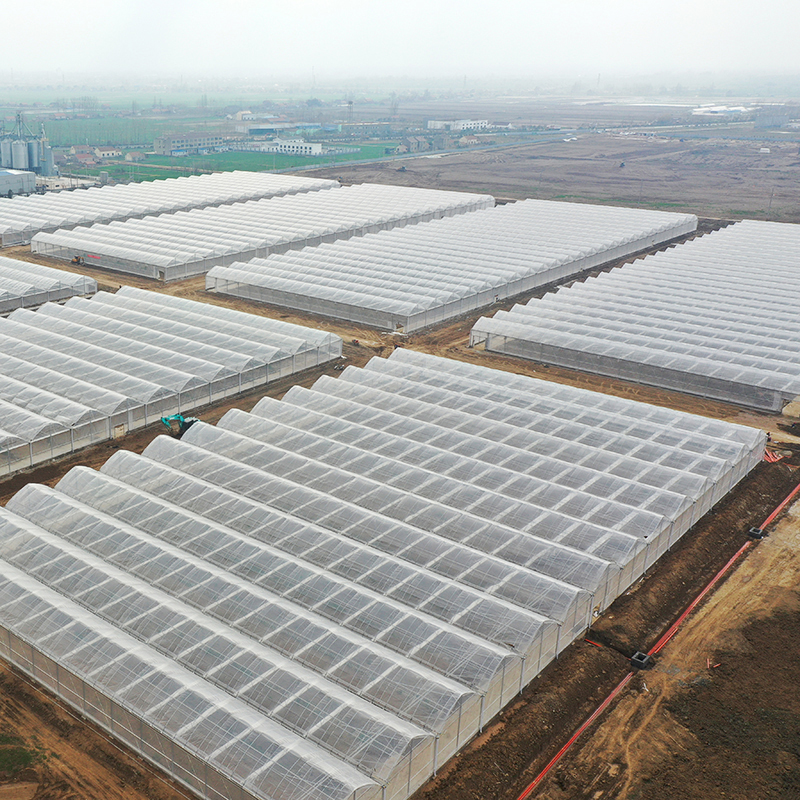
Greenhouses introduce their own conditions worth planning around. Moisture and changing air conditions can affect equipment placement and cleaning routines throughout the season. The fixture design needs consideration alongside the physical environment it's placed in.
Indoor cultivation areas may have tighter ceiling arrangements to work around. Equipment can get installed close to ventilation systems, structural supports, and other facility components crowding the same space.
Vertical growing spaces create another challenge, since lighting can get arranged at different levels stacked on top of each other. A large overhead fixture may not suit every configuration in a vertical setup.
HPS lighting can also appear in supplemental lighting applications alongside other light sources. In these cases, the fixture may need to work alongside natural light or other forms of artificial lighting already in place.
This variety is pushing manufacturers toward more application-focused product development across their catalogs. Instead of creating a single general-purpose housing, product families may offer different structures for different installation environments buyers are working with.
The trend proves useful for buyers, since the decision can start with the growing space, rather than the product catalog sitting on a shelf. Understanding the application helps narrow down which fixture structure is genuinely appropriate for the job at hand.
The reflector is a genuinely important part of many HPS fixtures, since it helps guide light toward the growing area below. Its shape and position can affect the overall distribution created by the fixture across the room.
A well-matched reflector can help reduce unwanted light spread outside the target area. This matters in commercial facilities where growing zones get arranged in a planned pattern across the floor.
Housing design and reflector design also need to work together as one unit. A reflector that's suitable in isolation may not perform in the same way once combined with a different housing shape around it.
The position of the lamp within the fixture is another design consideration worth thinking through. Manufacturers need to consider how the light source, reflector, housing, and mounting position interact with each other.
Different crops and growing layouts can create different preferences depending on the setup. A broad growing area may call for a wider distribution across the space, while a more focused space may need a different arrangement instead.
This is why fixture development is moving away from viewing the reflector as a separate component bolted on. It's becoming part of the overall luminaire design from the start.
The visual appearance of the fixture can also get affected by these choices. Reflective surfaces, protective covers, and housing shapes contribute to how the equipment looks inside a commercial growing facility day to day.
For facility designers, this creates an opportunity to consider lighting equipment as part of the wider workspace, not a separate afterthought. Practical lighting and organized equipment placement can support a cleaner and more manageable working environment for the whole crew.
Product upgrades don't always mean completely new lighting systems from scratch. Many changes involve small improvements to the fixture structure and the way individual components work together inside the housing.
Housing design is one area where upgrades can get made without a full redesign. Manufacturers may revise the shape to improve installation, cleaning, airflow, or component access for the crew servicing it.
Mounting systems can also evolve over successive product generations. Easier attachment and adjustment can help installers work more efficiently during new construction or facility renovation projects.
Another area is serviceability of the fixture itself. A fixture that allows easier access to replaceable components can reduce disruption when maintenance is required mid-season.
Cable management is receiving more attention as well across newer designs. Organized wiring can improve installation quality and make later inspection a lot easier for whoever's checking it.
Protective design is another consideration worth noting. Growing spaces can expose lighting equipment to moisture, dust, and plant residue, so product development may focus on better integration between protection and ventilation working together.
Surface treatment can also get adjusted based on feedback from the field. The goal may be easier cleaning or a more suitable appearance for commercial environments buyers are working in.
Manufacturers are also considering how fixture components can get standardized across related products in their lineup. This can help commercial buyers manage replacement parts and maintain consistency across a facility with many units installed.
These upgrades show that product development doesn't need to depend on a dramatic change in the light source itself. Practical improvements to the fixture can also affect the user experience quite a bit over time.
Commercial buyers are often responsible for a lot more than selecting a light fixture off a catalog page. They need to consider installation, maintenance, facility layout, purchasing consistency, and future replacement all at once.
A growing operation may purchase many fixtures at once for a single build-out. In such cases, differences in housing shape or mounting design can influence how easily the products get installed throughout the facility by the crew.
Procurement teams may also compare material choices and surface treatments across different suppliers. The decision can depend on the conditions of the growing space and the cleaning process used by the facility day to day.
Maintenance is another major consideration worth weighing carefully. If service work requires extensive disassembly or difficult access, the product may be a lot less convenient for a busy operation running on a tight schedule.
Buyers can use a practical checklist when reviewing an HPS Grow Light Fixture before placing an order.
The purchasing process is also becoming more application driven across the industry. Instead of asking only how much light a fixture produces on a spec sheet, buyers can ask how the complete product will behave inside the facility over its working life.
This approach can create a genuinely more balanced evaluation of the product. It brings installation, maintenance, structure, and application requirements into the same discussion at the purchasing table. For manufacturers, that means fixture development is becoming closely connected with the daily realities growers face on the floor. A product may enter a catalog as a lighting fixture, but its real value gets shaped by how naturally it fits into the working environment it's installed in.

 英语
英语 俄语
俄语 德语
德语 西班牙语
西班牙语 法语
法语

.jpg?imageView2/2/w/800/h/800/format/webp/q/75)
.jpg?imageView2/2/w/800/h/800/format/webp/q/75)
.jpg?imageView2/2/w/800/h/800/format/webp/q/75)
.jpg?imageView2/2/w/800/h/800/format/webp/q/75)
.jpg?imageView2/2/w/800/h/800/format/webp/q/75)
-1.jpg?imageView2/2/w/800/h/800/format/webp/q/75)
.jpg?imageView2/2/w/800/h/800/format/webp/q/75)
-1.jpg?imageView2/2/w/800/h/800/format/webp/q/75)
.jpg?imageView2/2/w/800/h/800/format/webp/q/75)
-1.jpg?imageView2/2/w/800/h/800/format/webp/q/75)
-1.jpg?imageView2/2/w/800/h/800/format/webp/q/75)