Applications:
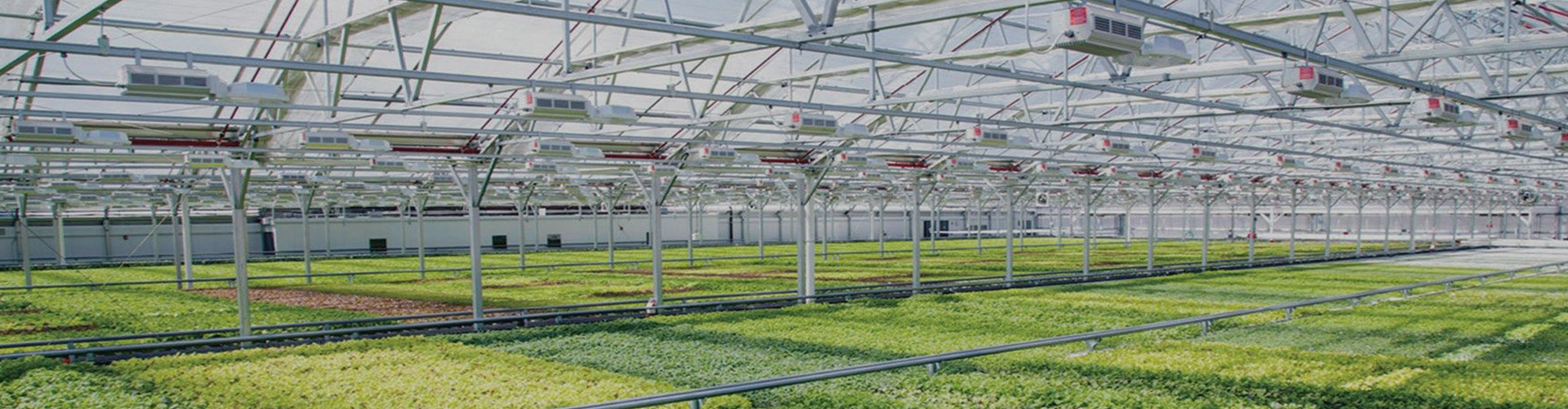
1) Apply to plant factory and growth chambers.
2) Generally applicable,saves 40% less energy than traditional HPS lamps.
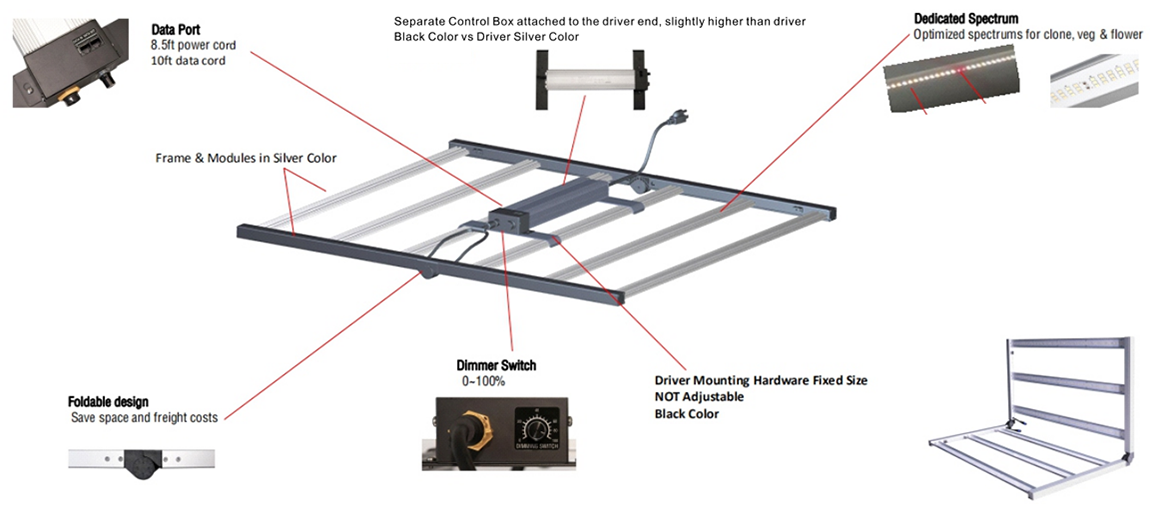
3) Modular design,the lamp shell is made of high purity aluminum alloy, solid structure and excellent in heat radiation.
4) Surface oxidation treatment,stainless steel fasteners,strong corrosion resistance.
5) PC lampshades,higher transmittance,better strength.
6) Simple in appearance,thin and light,collapsible,simple and variety installation modes.
Specification:
|
Model |
SS-SP400LED |
SS-SP645LED |
SS-SP800LED |
SS-SP1000LED |
|
Optical parameters |
||||
|
PPF |
1040 umol/s |
1677 umol/s |
2080 umol/s |
2600 umol/s |
|
PPE |
2.6 umol/J |
|||
|
Beam Angle |
120 |
|||
|
Life |
>50000 Hrs |
|||
|
Electrical Parameters |
||||
|
Power |
400W |
645W |
800W |
1000W |
|
lnput voltage |
100-277Vac |
|||
|
Frequency |
50/60Hz |
|||
|
Max Input current |
6.2A |
|||
|
Power Factor |
0.9 |
|||
|
Driver efficiency |
>90% |
|||
|
High voltage test |
1500 Vac/1min |
|||
|
Structural parameters |
||||
|
Number of modules |
4 |
6 |
8 |
10 |
|
Dimensions(L*W*H) |
1195*550*50 mm |
1195*1105*50 |
1195*1105*50 |
1195*1105*50 |
|
Weight |
6.5kg |
11.5 |
15.5 |
18.5 |
|
IP level |
IP54 |
|||
|
color |
Silver |
|||
Usage:
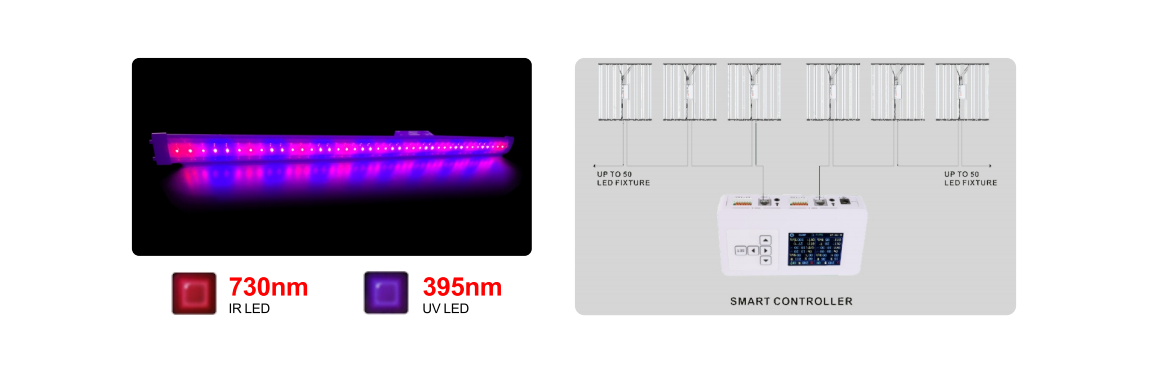
1) Updated version with UV + IR bars , IR help flower bloom faster and UV improve flower quality level make your plants harvest best.
2) Advamced projects spectrum best choice.
3) Feeding your plants low levels of supplemental UV light will actually help them and generally result in better crops , as is the cace with medical plants.


Please feel free to contact us if any questions.
Offers everything you need to build complete gardening and hydroponic systems.
CMH Sodium Light, also known as Ceramic Metal Halide, is widely used in commercial lighting, indoor horticulture, and specialty applications.
It produces a broad spectrum of light that closely mimics natural sunlight, making it ideal for scenarios that demand high color accuracy.
Understanding its energy efficiency and lifespan compared to LED and HPS lamps is crucial for selecting the right lighting solution.
Energy Efficiency (Luminous Efficacy)
CMH Sodium Light: Typically produces 80–120 lumens per watt (lm/W), offering moderate efficiency for indoor and commercial applications.
LED Lights: Modern LEDs achieve 150–200 lm/W, providing good energy savings over CMH and HPS lamps.
HPS Lamps: High-Pressure Sodium lamps generate 100–150 lm/W, slightly higher than CMH in raw output but with limited spectral quality.
Key Takeaway: CMH lamps are more efficient than older lighting technologies but are outperformed by LEDs in both energy consumption and cost-effectiveness over time.
Lifespan and Durability
CMH Sodium Light: Average lifespan ranges from 10,000 to 20,000 hours, depending on quality and operating conditions.
LED Lights: LEDs typically last 25,000–50,000 hours, reducing the frequency of replacements and associated maintenance costs.
HPS Lamps: Last around 16,000–24,000 hours, which is comparable to high-quality CMH lamps but falls short of LED longevity.
Key Takeaway: While CMH lamps provide a respectable lifespan, LEDs clearly offer good durability and lower long-term replacement costs.
Light Quality and Performance
CMH Sodium Light: Offers a high Color Rendering Index (CRI 80–96), improving visual color accuracy and supporting better plant growth in horticultural settings.
HPS Lamps: Limited CRI (20–30) results in poor color rendering, making them less suitable for tasks where true color representation is critical.
LED Lights: High-quality LEDs can achieve CRI values of 80–95, combining good color accuracy with good energy efficiency.
Key Takeaway: CMH provides much better light quality than HPS, while LEDs balance spectral quality with directional light and minimal energy loss.
Heat Output and Operational Considerations
CMH Sodium Light: Produces moderate heat, requiring adequate ventilation and fixtures designed to handle higher operating temperatures.
HPS Lamps: Emit significant heat, increasing cooling costs in enclosed spaces and potentially affecting sensitive applications like plant cultivation.
LED Lights: Generate minimal heat, reducing energy spent on air conditioning and improving safety and fixture longevity.
Key Takeaway: LEDs have a clear advantage in heat management, while CMH strikes a balance between light quality and manageable heat output.
Cost Implications
Initial Investment: CMH lamps are generally more affordable than high-end LEDs but cost more than standard HPS units.
Long-Term Cost: Despite higher upfront costs, LEDs often provide a return on investment due to lower energy use and longer lifespan.
Maintenance: CMH lamps require periodic replacement similar to HPS, whereas LEDs can often operate maintenance-free for years, reducing labor and replacement expenses.
CMH Sodium Light provides good color rendering and moderate efficiency, making it suitable for applications where light quality is a priority.
LEDs outperform CMH and HPS in energy efficiency, lifespan, and long-term operational cost, offering the sustainable choice for long-term use.
HPS lamps remain competitive in raw luminous output but fall short in spectral quality and heat management.
The choice between CMH, LED, and HPS considers energy consumption, light quality, maintenance needs, and total cost of ownership.
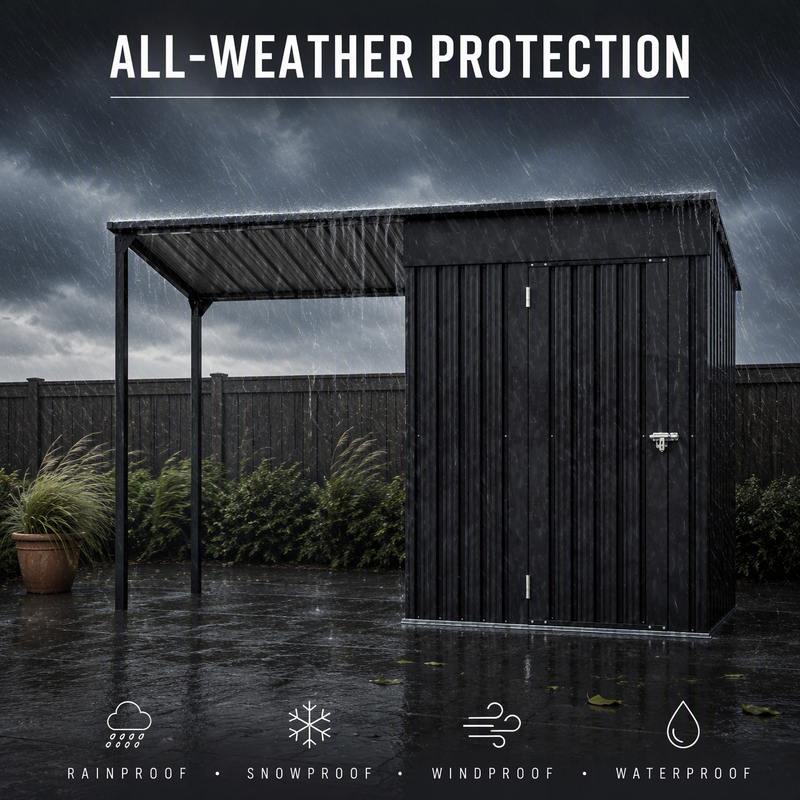
Definition and purpose: Steel Cottage Sheds are prefabricated storage structures made primarily from steel panels and frames, designed for long-term durability and multi-purpose use.
Common applications: These sheds are often used for garden storage, workshops, garages, or even small recreational spaces.
Keyword relevance: Unlike conventional wooden or plastic sheds, Steel Cottage Sheds combine structural strength with modern design.
Structural Strength and Durability
Steel Cottage Sheds:
Made of galvanized or powder-coated steel, offering high resistance to rust, corrosion, and wear.
Can withstand heavy snow loads, strong winds, and bad weather conditions.
Wooden Sheds:
Depending on timber quality and treatment, it may warp, crack, or rot over time.
Require regular painting or sealing to maintain durability.
Plastic Sheds:
Lightweight and easy to assemble, but less robust under heavy loads or harsh weather.
Susceptible to UV damage and brittleness in cold climates.
Maintenance Requirements
Steel Cottage Sheds:
Minimal maintenance; occasional cleaning and inspection of panels are usually sufficient.
Protective coatings reduce the need for repainting or sealing.
Wooden Sheds:
High maintenance, including painting, sealing, and treating against termites and rot.
Vulnerable to insect infestations and moisture-related decay.
Plastic Sheds:
Low maintenance, but can discolor or crack under prolonged sun exposure.
Repairs may require replacing entire panels rather than simple fixes.
Longevity and Life Span
Steel Cottage Sheds:
Lifespan of 20–30 years or more with proper care.
Retain structural integrity and appearance over decades.
Wooden Sheds:
Average lifespan of 10–15 years, depending on wood quality and maintenance.
Exposure to moisture and pests reduces longevity.
Plastic Sheds:
Typically lasts 5–10 years; may become brittle or warped in bad temperatures.
Design and Aesthetics
Steel Cottage Sheds:
Sleek, modern designs available in various sizes and finishes.
Can mimic traditional cottage or barn aesthetics with decorative panels.
Wooden Sheds:
Natural and classic appearance; can be painted or stained to match garden décor.
Offers a warm, rustic charm but may not suit all modern landscapes.
Plastic Sheds:
Practical and functional but often limited in design and style.
Available in limited colors and textures, usually less visually appealing.
Assembly and Installation
1. Steel Cottage Sheds:
Prefabricated panels allow for relatively quick assembly with bolts and screws.
May require professional installation for larger models.
2. Wooden Sheds:
Assembly can be more complex; requires precise measurements and carpentry skills.
Heavy and difficult to relocate once installed.
3. Plastic Sheds:
Lightweight and easy to assemble, it can often be installed by one or two people.
Panels may need reinforcement for stability in high winds.
Cost Considerations
Steel Cottage Sheds:
Higher upfront cost due to durable materials and long lifespan.
Cost-effective over time because of minimal maintenance and longevity.
Wooden Sheds:
Moderate initial cost but higher maintenance expenses.
Costs increase with premium wood selection and protective treatments.
Plastic Sheds:
Low initial cost and low maintenance, but limited lifespan.
May require replacement sooner, which increases long-term expenses.
Environmental Impact
Steel Cottage Sheds:
Fully recyclable; long lifespan reduces waste.
Requires energy-intensive manufacturing but offers durability and sustainability benefits.
Wooden Sheds:
Biodegradable and renewable if sourced sustainably.
Chemicals used in treatment may impact the environment.
Plastic Sheds:
Derived from petroleum products, recycling is challenging.
Short lifespan increases overall environmental footprint.
Steel Cottage Sheds provide a durable, low-maintenance, and long-lasting alternative to traditional wooden or plastic storage sheds. They excel in structural strength, weather resistance, and modern aesthetics, making them suitable for a variety of applications. While wooden sheds offer charm and natural beauty, and plastic sheds offer affordability and ease of installation, steel structures outperform them in durability, longevity, and minimal upkeep. Selecting the right type of shed depends on budget, environmental conditions, and desired usage, but for long-term reliability and structural security, a Steel Cottage Shed is often a good choice.
Definition and scope: More Garden Supplies refers to a variety of tools, materials, and products designed to enhance plant health, growth, and aesthetics.
Examples of common supplies: These include fertilizers, soil amendments, watering systems, pruning tools, plant supports, pest control products, and decorative elements.
Purpose in cultivation: Each type of garden supply serves a unique function, from improving soil quality to preventing disease, ensuring plants receive suitable care.
Soil and Nutrient Enhancers
Fertilizers:
Provide essential nutrients such as nitrogen, phosphorus, and potassium to promote healthy root, leaf, and flower growth.
Slow-release fertilizers maintain nutrient levels over time, reducing the risk of overfeeding.
Soil conditioners:
Products like compost, vermiculite, and peat moss improve soil texture and water retention.
Enhanced soil structure allows better root penetration and nutrient absorption.
pH regulators:
Lime or sulfur adjusts soil pH to suitable levels for different plant species.
Balanced pH improves nutrient uptake and prevents deficiencies.
Watering and Irrigation Tools
Drip irrigation systems:
Deliver water directly to the roots, reducing water waste and preventing overwatering.
Consistent moisture improves plant growth and reduces stress.
Self-watering planters:
Store water in reservoirs for gradual release, ideal for busy gardeners.
Prevents soil drying out and ensures uniform hydration.
Sprayers and hoses:
Enable precise application of water, fertilizers, and foliar sprays.
Efficient distribution supports even growth and reduces disease risk.
Plant Support and Protection
Stakes and trellises:
Provide structural support for climbing plants or heavy branches.
Reduce breakage and improve light exposure to all plant parts.
Row covers and plant cages:
Protect plants from pests, harsh sunlight, or frost.
Enhance survival rate and promote healthy development.
Mulches:
Retain soil moisture, regulate temperature, and suppress weeds.
Organic mulches also enrich the soil as they decompose.
Pest and Disease Management
Organic pesticides and fungicides:
Control harmful insects and fungal infections without harming beneficial insects.
Prevents crop loss and maintains plant vitality.
Beneficial insects:
Ladybugs, predatory mites, or nematodes naturally control pests.
Reduce chemical dependency and maintain ecological balance.
Traps and barriers:
Sticky traps, nets, or copper barriers deter pests.
Protects plants while reducing environmental impact.
Tools for Maintenance and Pruning
1. Pruning shears and scissors:
Remove dead or diseased branches to stimulate new growth.
Improve air circulation and light penetration within the canopy.
2. Soil testers and moisture meters:
Monitor nutrient levels and soil moisture to optimize watering and fertilization.
Early detection of deficiencies prevents stress and poor growth.
3. Gardening gloves and protective gear:
Ensure safe handling of plants, soil amendments, and chemicals.
Reduces damage to plants and maintains consistent care routines.
Decorative and Growth-Enhancing Supplies
Grow lights and reflectors:
Supplement sunlight in indoor or shaded areas to maintain consistent photosynthesis.
Adjustable lights help target specific growth stages of plants.
Plant markers and labels:
Track plant varieties, planting dates, and care schedules.
Facilitate organized garden management and prevent mistakes.
Supportive substrates:
Hydroponic media or coco coir enhances root stability and growth in non-traditional setups.
Promotes healthy, uniform plant development in controlled environments.
Different improving plant health and growth. Soil enhancers, watering systems, and nutrients ensure plants have the right foundation, while structural supports, protective covers, and mulches safeguard against environmental stress. Pest management, pruning tools, and monitoring devices maintain ongoing plant vitality, and decorative or growth-enhancing products support both aesthetic and functional outcomes. By understanding and selecting the right combination of garden supplies, gardeners can optimize plant care, improve yields, and enjoy healthier, more resilient plants. Investing in quality supplies and learning how to use them effectively transforms routine gardening into a more productive and rewarding experience.
Definition and scope: Grow Tent Kit Accessories refer to the various components designed to improve the efficiency and usability of a grow tent, including reflective materials, ventilation fans, ducting, light hangers, and filters.
Purpose in cultivation: These accessories are not just optional add-ons; they significantly affect the environment inside the tent, ensuring plants receive suitable light and airflow.
Key components impacting the environment: The important accessories for light and ventilation include reflective liners, ducting systems, inline fans, carbon filters, and adjustable light hangers.
Impact on Light Efficiency
Reflective surfaces:
High-quality reflective materials, such as Mylar or diamond-patterned fabrics, amplify light intensity by bouncing light across all areas of the tent.
They reduce shadows, ensuring even light distribution to all plant leaves.
Adjustable light hangers:
These accessories allow growers to position lights at suitable distances from the canopy.
Correct height ensures plants receive sufficient Photosynthetically Active Radiation (PAR) without risk of light burn.
Light diffusion and coverage:
Some tents include diffusers or light spreaders that help disperse light uniformly.
This ensures lower canopy leaves receive enough illumination, preventing uneven growth.
Role in Ventilation and Airflow
Inline fans and ducting systems:
Properly installed fans and ducting maintain consistent air exchange, removing excess heat and humidity.
This prevents stagnant air, which can cause mold and nutrient deficiencies.
Carbon filters:
These not only control odors but also slightly influence airflow patterns.
Efficient filters reduce resistance, allowing fans to operate at a suitable efficiency.
Vent placement and size:
Grow Tent Kit Accessories often include adjustable vent ports.
Strategically positioned vents ensure fresh air reaches the top, middle, and lower canopy layers.
Optimizing Light and Ventilation Together
Balanced environment:
Light intensity generates heat, which can increase humidity.
Accessories that control airflow help dissipate heat, maintaining ideal temperature and humidity levels.
Interdependence of components:
Reflective liners improve light efficiency, but without proper ventilation, heat buildup can stress plants.
Fans and ducting complement lighting by keeping temperatures stable and CO₂ levels sufficient.
Customizable setups:
Growers can mix and match accessories—fans, reflectors, ducting, and filters—to match the tent size and plant type.
This ensures suitable growth conditions for various stages, from seedlings to flowering plants.
Practical Tips for Growers
Monitor light intensity: Use a PAR meter to ensure light reaches lower canopy leaves.
Adjust fan speed: Match fan output to light intensity and tent size to avoid overcooling or under-ventilation.
Position accessories strategically: Place ducting and filters where airflow is strong but avoids directly hitting plant tops, preventing leaf damage.
Regular maintenance: Clean reflective surfaces, fans, and filters to maintain efficiency and prevent energy loss.
Stage-specific adjustments: Seedlings require less airflow and lower light intensity, while flowering stages may need stronger light and more aggressive ventilation.
Comparing Different Accessories
High-end vs basic kits: Premium accessories often include more adjustable vents, stronger fans, and better reflective materials.
Cost-benefit considerations: While basic kits may work for small setups, investing in quality accessories enhances light penetration and airflow, causing healthier plants and higher yields.
DIY alternatives: Some growers create homemade reflective surfaces or improvised venting, but these may lack efficiency and longevity compared to purpose-built accessories.
Grow Tent Kit Accessories play a critical role in optimizing light and ventilation, directly impacting plant health, growth rate, and yield. Reflective surfaces, adjustable light hangers, and diffusers improve light efficiency, while inline fans, ducting, and filters maintain consistent airflow and temperature. By understanding how each accessory affects the tent environment, growers can create a balanced, stable, and productive growing space. Proper installation, monitoring, and maintenance of these components ensures that both light and ventilation work together harmoniously, supporting healthy growth from seedlings to flowering stages. In modern indoor horticulture, investing in the right accessories is as important as selecting the right seeds or nutrients.
1) Full spectrum,high-quality LED chips, the spectrum can be adjusted as needed. 2) Generally applic...
This Powerfull ,full-spectrum light source is intended for full-term plant growth from the vegetable...
Innovation Team
Patented Technology
Quality Assurance
Efficient Response.jpg)
.jpg)
.jpg)
.jpg)
.jpg)
.jpg)
.jpg)