SP-800W LED Bar Grow Light

Home / Products / Grow Light / LED Bar Grow Light / SP-800W LED Bar Grow Light
  • str_replace('
  • str_replace('
  • str_replace('
  • str_replace('
  • str_replace('
  • str_replace('
  • str_replace('
  • str_replace('
SP-800W LED Bar Grow Light

SP-800W LED Bar Grow Light

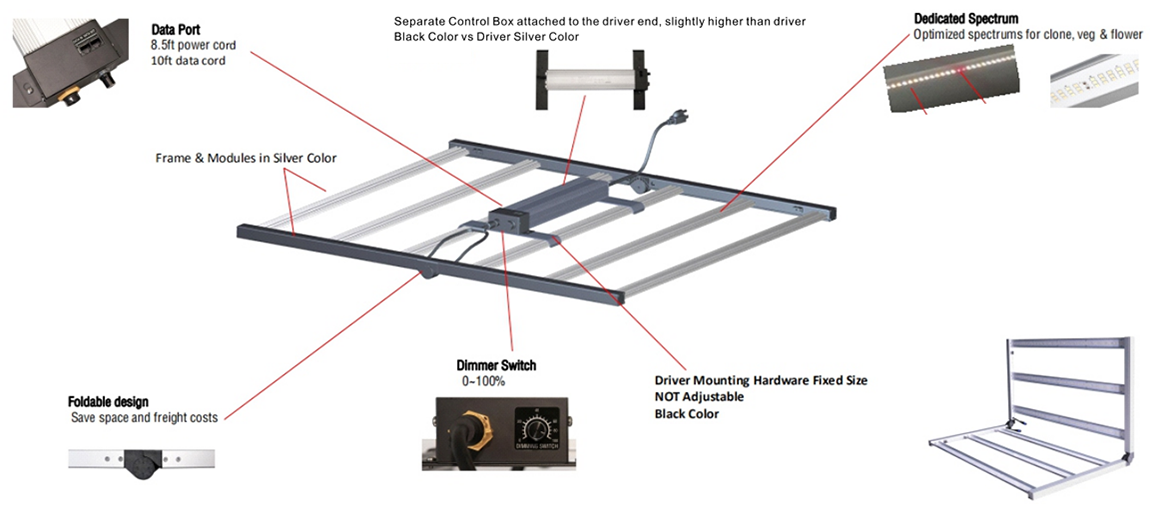
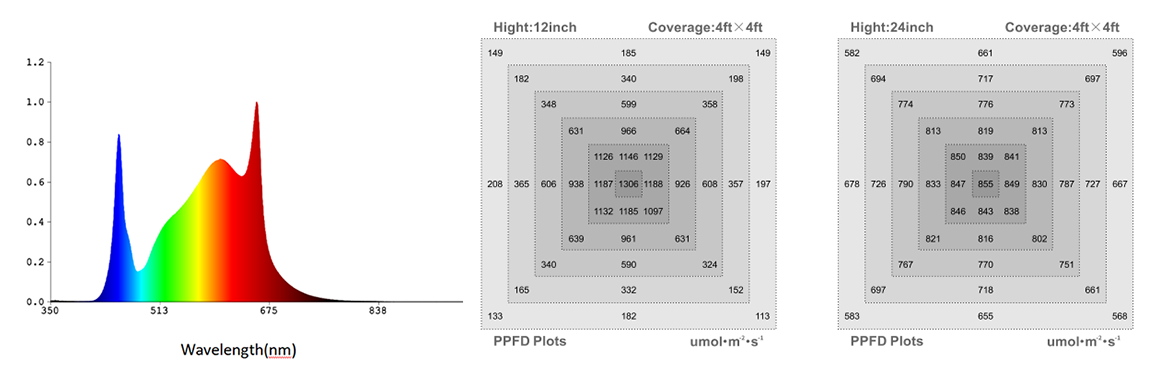
1) Full spectrum,high-quality LED chips, the spectrum can be adjusted as needed.
2) Generally applicable,saves 40% less energy than traditional HPS lamps.
3) Modular design,the lamp shell is made of high purity aluminum alloy, solid structure and excellent in heat radiation.
4) Surface oxidation treatment,stainless steel fasteners,strong corrosion resistance.
5) PC lampshades,higher transmittance,better strength.
6) Simple in appearance,thin and light,collapsible,simple and variety installation modes.
Contact us

  • Details
  • leave a message
  • Applications:
    1) Apply to plant factory and growth chambers.
    2) Suitable for full-cycle planting of cannabis,effectively shortening plant growth cycle.

    Features:
    1) Full spectrum,high-quality LED chips, the spectrum can be adjusted as needed.
    2) Generally applicable,saves 40% less energy than traditional HPS lamps.
    3) Modular design,the lamp shell is made of high purity aluminum alloy, solid structure and excellent in heat radiation.
    4) Surface oxidation treatment,stainless steel fasteners,strong corrosion resistance.
    5) PC lampshades,higher transmittance,better strength.
    6) Simple in appearance,thin and light,collapsible,simple and variety installation modes.

    Specification:

    Model

    SS-SP400LED

    SS-SP645LED

    SS-SP800LED

    SS-SP1000LED

    Optical parameters

    PPF

    1040 umol/s

    1677 umol/s

    2080 umol/s

    2600 umol/s

    PPE

    2.6 umol/J

    Beam Angle

    120

    Life

    >50000 Hrs

    Electrical Parameters

    Power

    400W

    645W

    800W

    1000W

    lnput voltage

    100-277Vac

    Frequency

    50/60Hz

    Max Input current

    6.2A

    Power Factor

    0.9

    Driver efficiency

    >90%

    High voltage test

    1500 Vac/1min

    Structural parameters

    Number of modules

    4

    6

    8

    10

    Dimensions(L*W*H)

    1195*550*50 mm

    1195*1105*50

    1195*1105*50

    1195*1105*50

    Weight

    6.5kg

    11.5

    15.5

    18.5

    IP level

    IP54

    color

    Silver


    Usage:

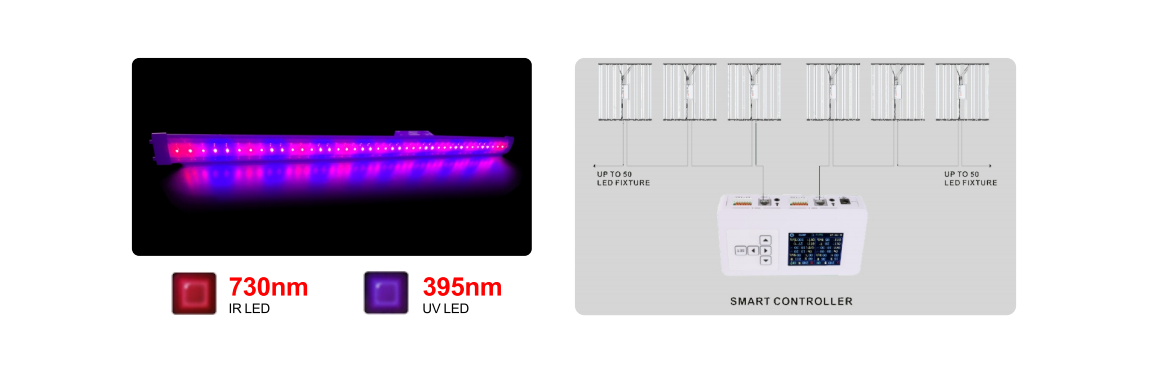
    1) Updated version with UV + IR bars , IR help flower bloom faster and UV improve flower quality level make your plants harvest best.
    2) Advamced projects spectrum best choice.
    3) Feeding your plants low levels of supplemental UV light will actually help them and generally result in better crops , as is the cace with medical plants.
    led growing bar light
    led growing bar light manufacturer
    led growing bar light manufacturer

    Please feel free to contact us if any questions.


    email contact us now
  • If you want to know us, please contact us!

    We always adheres to the quality policy of "Innovation is infinity, to keep improving",adhering to the enterprise tenet of "Veracity,Customer regarded supreme".

    • Company.
    • E-mail*.
    • Name*.
    • Phone.
    • Message*.
About Sunshine
Since 2011
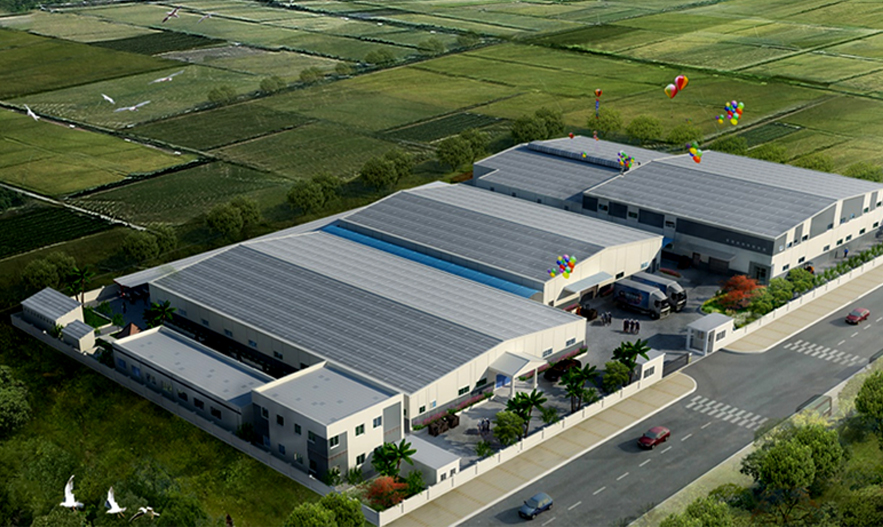
SUNSHINE GARDEN is leading in manufacturing home garden and hydroponic grow equipment in China with 12 years OEM & ODM experience. We are famous SP-800W LED Bar Grow Light supplier and manufacturer in China. Our main products can be divided into two series, including Hydroponic Grow Equipmentslike Full completed grow tents and kits, Grow tables and trays, Grow bags, Seeding propagation, another series is Home Garden Products like Mini Greenhouses, Hanging planters, Garden waste bags and so on. Custom made SP-800W LED Bar Grow Light to help build your perfect garden and hydroponic grow system.
View More

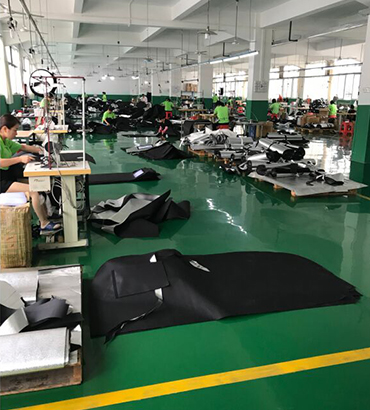
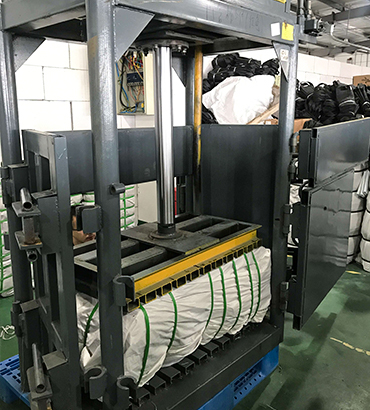
Factory Tour

Offers everything you need to build complete gardening and hydroponic systems.

News
Benefits of Commercial Growing in Steel Structure Greenhouse
Jun 12.2026
Commercial-scale growing operations face a structural challenge that hobby growers rarely encounter: the infrastructure needs to perform reliably across years of continuous use, support increasingly sophisticated climate and irrigation equipment, and withstand weather events without the kind of failure that costs an entire crop. A Steel Structure Greenhouse addresses that challenge differently from lighter aluminum or polycarbonate tunnel alternatives — not because steel is universally the right material, but because its physical properties align closely with what commercial agriculture actually demands. Understanding those properties, and how they translate into operational advantages, is what separates an informed infrastructure investment from one that creates ongoing maintenance problems or limits the farm's ability to scale. Why Structural Strength Is a Commercial Growing Requirement LOAD The Load Demands That Eliminate Lightweight Options A single-season hobby greenhouse tolerates modest loads. A year-round commercial facility does not have that margin. Overhead irrigation systems, supplemental lighting rigs, trellis networks for climbing crops, shade cloth and thermal blanket systems — all of these hang from the greenhouse structure and add cumulative weight that a lightweight frame cannot support without deflecting or failing. Snow load compounds the problem in climates with significant winter precipitation. A frame that holds up through a light snow event may buckle when an unexpected heavy fall arrives. Wind load creates lateral and uplift forces that lightweight structures resist poorly, particularly on large-span greenhouses where the surface area exposed to wind is substantial. Steel carries far higher loads per unit cross-section than aluminum. A greenhouse with steel frame construction can span wider bays, support heavier hanging loads, and resist wind and snow events without the bracing compromises that lighter-frame alternatives require. For a commercial operation expecting the structure to serve for decades, that load capacity is not a luxury — it is the reason the investment holds its value over time. Does Span Width Actually Matter for Growing Efficiency? BAY How Bay Width Affects Usable Floor Space and Workflow Bay width — the distance between structural columns — determines how the interior floor space can be used. Narrow bays force growers to work around columns that interrupt growing rows, circulation paths, and equipment movement. Wide bays eliminate that interruption and allow unbroken growing space across the full floor area. Steel's structural properties allow wider spans without additional intermediate columns compared to aluminum. In a commercial flower or vegetable operation, this translates into more usable growing area per unit of covered land, better machinery access for automated transplanting or harvesting equipment, and simpler logistics for staff moving between work zones. The benefit compounds when the operation involves rolling benches, overhead monorail systems, or autonomous growing vehicles — all of which require clear, unobstructed paths. A wider-bay steel frame greenhouse accommodates these systems without structural redesign, whereas a lighter frame may require expensive modification to remove or reinforce columns after initial construction. Long-Term Durability and Maintenance Cost The ongoing cost of maintaining a greenhouse structure is as important as the initial capital cost — arguably more so over a twenty-year operating horizon. Steel frames used in commercial greenhouse construction are typically hot-dip galvanized, a process that bonds a zinc coating to the steel surface at a molecular level, providing corrosion protection that outlasts painted or powder-coated finishes by a considerable margin. Hot-dip galvanized steel in a greenhouse environment — exposed to humidity, irrigation mist, and fertilizer residue — maintains its protective coating far longer than untreated steel or aluminum in similar conditions. Aluminum does not rust, but it oxidizes in ways that affect appearance and can cause fitting failures at connection points. Galvanized steel holds its structural and surface integrity with minimal intervention. Practical maintenance for a galvanized steel greenhouse frame over its service life typically involves: Periodic Inspection Periodic inspection of connection points and fasteners for signs of surface corrosion. Recoating Damage Recoating any areas where the galvanized layer has been damaged by impact or abrasion. Fastener Checks Checking and tightening fasteners that may have loosened through thermal cycling. Total Cost Comparison Compare this to lighter structures that may require full re-covering, frame repair, or component replacement within a decade of installation, and the total cost picture shifts considerably. Automation Compatibility: Why the Frame Is the Foundation Commercial growing has moved rapidly toward automation. Climate control systems, automated irrigation and fertigation, sensor networks, supplemental lighting, and increasingly autonomous growing equipment all require a structure that can support their physical installation and withstand the vibration and load variation they introduce. Mounting Rigidity for Automated Systems A greenhouse with steel frame construction provides the mounting rigidity that automated systems need. Hanging lighting systems need attachment points that do not flex under load — flex causes luminaire movement that affects light distribution and can damage the fittings over time. Retractable shade and thermal screen systems run on tracks that must be level and straight — a frame that deflects under screen tension produces tracking errors that cause the screens to jam or wear prematurely. Supporting Progressive Expansion Drip irrigation and overhead spray systems carry water weight that varies as zones activate and deactivate. Automation control boxes, electrical conduit, and sensor mounting brackets add further distributed loads across the structure. A steel frame accommodates all of this without the frame stiffness degrading over time. For operations planning to add automation progressively — starting with basic climate control and expanding to full growing system integration over several years — choosing a steel structure at the outset avoids the cost of frame reinforcement when load demands increase. Custom Size Greenhouse Design: Why Standardized Structures Fall Short Commercial growing operations are not uniform. The land parcel may be irregular. The crop may require specific aisle widths for mechanized harvesting. The climate may demand a particular roof pitch for snow shedding. A structure that does not account for these variables produces compromises that reduce efficiency and increase operating cost. Custom size greenhouse design allows the bay width, ridge height, roof pitch, sidewall height, ventilation placement, and gutter configuration to be specified according to the actual requirements of the growing program rather than adapted from a standard template. Custom greenhouse manufacturers who work with steel can produce this range of variations at commercial scale — the material's fabrication characteristics suit custom profiling and welding in ways that make adaptation practical. Key dimensions that typically benefit from customization: Bay Width Matched to the growing row layout or equipment path requirements. Ridge Height Determined by crop height at maturity, plus the headroom required for overhead systems. Sidewall Height Affects ventilation efficiency and usable growing volume near the perimeter. Roof Pitch Steeper pitches shed snow more effectively in high-precipitation climates; shallower pitches reduce wind load in exposed sites. Gutter Height Determines the effective working height at the perimeter and affects natural ventilation airflow patterns. Working with custom greenhouse manufacturers who can translate the growing program into structural specifications produces a facility that performs as intended rather than one that requires workarounds from the day it is commissioned. Scalability: Planning for Growth From the Start Commercial growing operations rarely stay at their initial scale. Market demand, crop diversification, or changes in the operation's business model may require adding covered area as the enterprise grows. An infrastructure choice made at initial construction either supports that expansion or creates barriers to it. Steel frame greenhouse systems expand more straightforwardly than most alternatives. End-wall extension — adding additional bays to an existing structure by removing the end gable and continuing the frame — is a standard practice for modular steel greenhouse systems. Gutter-connected multi-span configurations allow the covered area to grow in both directions without the inefficiency of separate freestanding structures that require full perimeter cladding. Wholesale Procurement Advantage For operations purchasing through commercial greenhouse wholesale channels, this modularity means that the procurement and construction process for an expansion can follow the same specifications and supplier relationship as the original installation — reducing design work, procurement time, and commissioning complexity for each phase of growth. Comparing Steel Frame to Alternative Greenhouse Structures Different structural materials and systems suit different applications. Understanding where each fits helps clarify why steel holds advantages in commercial settings. Factor Steel Frame Greenhouse Aluminum Frame Galvanized Tube (Low-tech) Structural load capacity High Moderate Lower Span width potential Wide without extra columns Narrower Limited Corrosion resistance High with galvanization Good (oxidation risk at joints) Variable Automation compatibility Strong Moderate Limited Custom sizing options Wide range Moderate range Limited range Service life expectation Long Moderate to long Shorter Expansion modularity Good Moderate Difficult Initial cost Higher Moderate Lower Long-term maintenance cost Lower Moderate Higher The Overall Picture The picture that emerges is consistent: steel frame systems carry higher initial cost, but that cost is offset over the operating life by lower maintenance requirements, greater load capacity, and better compatibility with the automation and expansion demands that commercial operations face. Climate Control and Ventilation in Steel Structures How Structural Decisions Affect Growing Environment The physical structure of a greenhouse determines more than its strength — it also shapes how effectively the internal climate can be managed. Ridge height, roof pitch, ventilation opening size and placement, and the ability to run continuous roof vents all influence how air circulation and heat management work inside the growing space. Steel frame systems support continuous ridge vents running the full length of the structure, which is one of the effective natural ventilation configurations for warm-season growing. Motorized vent systems — which open and close automatically in response to temperature sensors — can be mounted on steel frame ridge structures without the deflection concerns that affect lighter frames. Climate Management Across Seasons In hot climates, the ability to open a large proportion of the roof area is a key temperature management tool. In cooler climates, the same vent area is closed and the thermal envelope relies on well-fitting cladding and, in year-round operations, on a double-layer polyethylene or multi-wall polycarbonate skin supported by the steel frame. Steel's rigidity ensures that the cladding attachment is consistent and that thermal seals at frame connections do not open through frame movement. Cladding Options Compatible With Steel Frame Systems The steel frame does not determine the cladding material — it supports a range of options that suit different crop types, climate conditions, and budget structures. Common Cladding Options Used With Commercial Steel Frame Greenhouses Single or double layer polyethylene film — widely used for vegetable production; good light transmission; replaced periodically as the film degrades Multi-wall polycarbonate panels — good thermal insulation; durable; suited to heated year-round operations and crops requiring consistent temperature Single-skin glass — used in high-value crop production where light transmission quality justifies the cost and weight Shade cloth side panels and roof inserts — used in tropical climates or summer-only operations where cooling is the priority The steel frame provides the structural support that accommodates the weight and wind load of any of these cladding types. Switching cladding as the operation's needs evolve — from poly film to polycarbonate as the growing program expands, for example — is possible on a steel frame system in ways that lighter structures may not support without reinforcement. Investment Return Over the Operating Life A commercial greenhouse is not a short-term purchase. It is an agricultural infrastructure investment that the growing operation depends on for production continuity. Evaluating that investment on initial capital cost alone produces a misleading picture. The relevant comparison is total cost over the expected service life — including maintenance, repair, replacement of components, production disruption from structural failures, and the cost of operating with a structure that limits the growing program rather than enabling its growth. Long-Term Return A well-constructed steel structure greenhouse supported by hot-dip galvanized components, properly designed for the site's climate loads and the operation's growing requirements, accumulates relatively low maintenance cost over its life compared to lighter alternatives that require more frequent repair and earlier replacement. The production value generated by a structure that supports reliable year-round growing, automation integration, and progressive expansion adds to that return on the investment side. Choosing a Supplier Who Understands Commercial Requirements About the Manufacturer Infrastructure decisions of this scale benefit from working with suppliers who understand commercial growing contexts rather than those whose product range is oriented toward residential garden structures. Taizhou Sunshine Garden Products Co., Ltd. manufactures steel frame greenhouse systems and related growing structures for commercial agricultural applications, with product lines covering custom size configurations, multi-span gutter-connected designs, and commercial greenhouse wholesale supply. Their engineering and production capabilities support the range of structural specifications that commercial operations require — including custom bay widths, ridge heights, and ventilation configurations tailored to specific growing programs and site conditions. If you are planning a commercial greenhouse project, evaluating expansion options for an existing facility, or sourcing at wholesale volume for distribution or agricultural development projects, reaching out to discuss structural requirements, available configurations, and supply timelines is a practical way to begin matching the right infrastructure to your growing program.
What Is a Steel Structure Greenhouse and How It Works
Jun 05.2026
You're planning a growing operation — maybe expanding an existing farm, building a new commercial facility, or setting up a year-round production system — and the question of structure keeps coming up. Wood frames warp. Basic hoop houses don't hold up in rough weather. And you need something that will last, perform consistently, and support the kind of growing environment that a serious crop program demands. A Steel Structure Greenhouse is the answer a growing number of agricultural and commercial growers have landed on — not because it's trendy, but because the underlying engineering makes sense for the scale and demands of modern food and flower production. Understanding what it is, how it's built, and what it can actually do helps cut through the noise. Defining the Steel Structure Greenhouse At its core, a Steel Structure Greenhouse is an agricultural growing facility built around a framework of steel — typically hot-dip galvanized steel sections, tubular columns, and arched or straight-ridge roof elements that distribute load across the structure. The steel skeleton is then clad in covering materials suited to the growing application: polycarbonate panels, tempered glass, polyethylene film, or double-layer inflated film, depending on climate conditions, crop type, and budget. What separates it from simpler greenhouse types isn't just the material. It's the engineering logic behind the frame design — load calculations, connection detailing, foundation anchoring — that allows the structure to stand up to wind, snow, and the general stresses of long-term agricultural use. A greenhouse built around a steel frame isn't merely sturdier than a light aluminum or bamboo alternative. It's a different category of structure, capable of supporting integrated systems, spanning wider internal spaces, and being designed to a specification that matches a specific site and growing program. How Is the Frame Actually Constructed? The structural system of a steel greenhouse typically consists of several interconnected components, each serving a defined function. Main columns and rafters: The vertical supports and angled roof members that form the primary load-bearing skeleton. These carry the weight of the covering materials, any suspended equipment (irrigation lines, grow lights, ventilation systems), and environmental loads like snow accumulation and wind pressure. Purlins: Horizontal members that run along the roof and walls, connecting the main frames and providing attachment points for the cladding material. Gutter system: In multi-span greenhouse designs, the gutter structure connects individual greenhouse bays, channels rainwater, and helps define the internal growing zones. Foundation connections: The column bases are anchored to concrete foundations, the specification of which depends on soil conditions, structure height, and the wind and snow loads expected at the site. Bracing elements: Diagonal or cross-bracing members stabilize the structure against lateral forces — particularly important in regions prone to strong or directional winds. Galvanization is the standard surface treatment for the steel components. A hot-dip galvanized coating protects against corrosion in the humid, chemically active environment inside a working greenhouse — where fertilizer mist, irrigation water, and CO2 enrichment systems create conditions that quickly degrade untreated metal. What Types of Steel Greenhouses Exist? The category covers a range of configurations, each suited to different production systems and site conditions. Type Structure Description Typical Applications Single-span arched greenhouse Single bay with curved roof profile Small farms, trial plots, nurseries Multi-span Venlo greenhouse Glass or polycarbonate, modular gutter-connected bays Commercial vegetable and flower production Sawtooth greenhouse Angled roof sections for passive ventilation Tropical climates, high-humidity crops Tunnel greenhouse with steel frame Arched steel frame with polyethylene film cladding Seasonal production, lower-cost commercial growing Gothic arch greenhouse Pointed arch profile for snow shedding High-snowfall regions Chinese solar greenhouse Steel-reinforced passive solar design Cold-climate winter growing without heating The range matters because different crops, climates, and operating models call for different structural approaches. A lettuce grower in a temperate climate running hydroponic systems has different needs from a flower producer in a tropical region or a vegetable farmer dealing with heavy winter snowfall. The structure should match the operational reality, not just the general category. Why Steel Over Other Frame Materials? There are real reasons why steel has become the standard for commercial greenhouse construction at scale — and understanding them helps clarify when a steel-framed structure makes sense versus when a lighter option might be sufficient. Span capability: Steel allows for wider column spacing and longer unobstructed spans than aluminum or wood. In a commercial growing environment, wider spans mean fewer internal columns, which translates directly into more usable growing area and easier movement of equipment. Load-bearing capacity: A steel frame can support heavier cladding materials (glass, thick polycarbonate), suspended growing systems (gutter-to-gutter hydroponics, overhead irrigation), and the weight of environmental equipment (fans, cooling pads, shade screens, supplemental lighting). Lighter frames set limits on what can be integrated. Structural longevity: With proper galvanization and maintenance, a steel greenhouse frame has a working life measured in decades rather than years. That lifespan changes the investment calculation considerably — particularly for commercial operators who need to amortize construction cost over a long production horizon. Resistance to environmental stress: Steel frames are engineered to specific wind and snow load tolerances. In regions where storms, heavy snowfall, or persistent wind are operational realities, a frame that bends under pressure creates crop loss, equipment damage, and production interruption. Steel-framed structures, properly specified, don't. Compatibility with automation: Commercial growing is increasingly automated — irrigation, climate control, fertigation, supplemental lighting, shade screens. These systems have weight, they require attachment points, and they generate dynamic loads during operation. A steel structure accommodates the full range of modern growing system integration in ways that lighter frames cannot. Is a Custom Size Greenhouse Worth the Investment? Standard greenhouse dimensions exist for a reason — they simplify manufacturing, reduce costs, and reflect common site and crop configurations. But they don't always fit. And when they don't, forcing a standard size onto a non-standard site or production model creates compromises that show up in growing performance. A custom size greenhouse addresses this by matching the structure to the actual site dimensions, orientation requirements, and production system rather than the other way around. When custom sizing makes clear sense: The site has irregular boundaries or topographical features that standard spans don't accommodate cleanly The production system — whether hydroponic rows, gutter-to-gutter growing, or specific equipment paths — requires a column grid that standard dimensions don't provide The climate at the site creates specific load requirements (wind direction, snow drift patterns, temperature range) that call for non-standard engineering The operation has phased expansion plans that benefit from a structural system designed for incremental addition Custom size greenhouse projects involve more upfront engineering — site survey, load analysis, foundation design — but the result is a structure that performs as intended across its full working life rather than one that's been compromised to fit a standard template. What Growing Crops Work Well in Steel-Framed Greenhouses? The structural properties of a steel greenhouse frame make it well suited to a wide range of crops, particularly those grown at commercial scale with intensive production systems. Vegetables: Tomatoes, cucumbers, peppers, lettuce, and leafy greens are among the crops commonly grown in steel-framed commercial greenhouses. Many of these are grown on vertical trellis or gutter-to-gutter hydroponic systems that place significant structural demands on the overhead frame. Cut flowers and ornamentals: Roses, chrysanthemums, gerberas, and other cut flower crops are typically grown in large-scale gutter-connected facilities where climate control, shade management, and irrigation uniformity are tightly managed. Steel structures support the mechanical systems required for this level of environmental control. Seedling and nursery production: Propagation operations require stable humidity and temperature environments across large areas. Steel-framed multi-span designs are common in commercial nursery settings where scale and consistency are both priorities. Hydroponic and soilless systems: NFT (Nutrient Film Technique), Dutch bucket, and vertical tower systems all involve suspended infrastructure and recirculating water systems that require secure, load-capable overhead and floor-level attachment points. Medicinal and specialty crops: Cannabis, herbs, and other high-value specialty crops grown under controlled conditions typically justify the investment in a fully engineered growing environment — where structural quality directly affects environmental consistency and, in turn, crop quality. How Do Automation Systems Integrate With the Steel Frame? The structure of a greenhouse is the platform on which everything else runs. In a modern commercial facility, that "everything else" includes systems that are mechanically complex, sensitive to environmental variation, and in many cases, expensive to install and operate. Systems commonly integrated into steel greenhouse structures: Heating systems: Under-bench heating, overhead radiant heating, or forced-air heating systems run through or are suspended from the steel framework Ventilation and cooling: Ridge vents, roll-up sides, pad-and-fan cooling systems, and horizontal airflow fans all require structural attachment points and, in some cases, reinforced mounting locations Irrigation and fertigation: Overhead drip lines, boom irrigation systems, and sub-irrigation setups all have weight and dynamic load characteristics that the structure must accommodate Shade and thermal screens: Motorized screen systems run on tracks mounted to the purlin structure — their weight and operational forces are calculated into the structural design Supplemental lighting: In year-round growing operations, high-bay LED fixtures suspended from overhead structural members add meaningful load that needs to be accounted for in the original engineering The more integrated the growing system, the more important it is that the structural design and the growing system specification happen in coordination rather than sequentially. Retrofitting load-bearing attachments into a completed structure is expensive and sometimes structurally impractical. Commercial Greenhouse Wholesale: What Does Procurement Actually Involve? For buyers approaching commercial greenhouse wholesale procurement — whether for a single large project or multiple facility rollouts — the process is different from buying equipment or materials in the conventional sense. A steel greenhouse is a site-specific, engineer-designed system. Procurement involves more information exchange than a standard equipment order, and the quality of that exchange shapes the outcome. Key stages in commercial procurement: Site information: Usable area, orientation, access constraints, soil conditions, and local climate data (wind speed, snow load, seismic zone) form the foundation of any structural design. Production system specification: What's being grown, in what system, and with what level of automation determines the structural requirements that go beyond basic load capacity. Supplier capability assessment: Custom greenhouse manufacturers vary significantly in their engineering capability, production quality, and project management capacity. Evaluating these dimensions — not just price — matters for a project that will be in service for decades. Design review: Technical drawings, load calculations, and material specifications should be reviewed before fabrication begins. Changes after fabrication are costly; changes at the design stage are not. Installation planning: Steel greenhouse structures are assembled on-site by installation teams who work from detailed engineering drawings. Coordination between the supplier, the site preparation contractor, and the installation team determines how smoothly the build proceeds. Working with experienced custom greenhouse manufacturers who can manage the full process — from site analysis through installation — reduces the coordination burden and the risk of misalignment between design and execution. Does a Steel Frame Greenhouse Make Sense for Long-Term Agricultural Investment? The honest answer is: it depends on the scale, the crop, the climate, and the time horizon. For a seasonal low-volume growing operation in a mild climate, a lighter structure may perform adequately at lower initial cost. The calculation changes when the crop is high-value, the growing season is year-round, the climate is demanding, or the production system is mechanized. In those contexts, the structural quality of the greenhouse becomes a direct determinant of operational reliability — and operational reliability determines returns. Steel-framed structures carry higher upfront costs than basic alternatives. That gap narrows considerably when evaluated over a full asset lifecycle, factoring in the cost of structural repair or replacement for less durable options. Greenhouse with steel frame construction doesn't depreciate as fast, doesn't require the same frequency of structural intervention, and doesn't limit the integration of automation systems the way lighter structures do. The businesses that tend to regret their greenhouse investment decisions are usually the ones who compromised on structural quality to reduce initial cost — and then spent years managing the downstream consequences. Whether you're planning a commercial vegetable facility, a year-round flower production operation, or a large-scale propagation center, the structural system you build on shapes every operational decision that follows. A Steel Structure Greenhouse is not a one-size-fits-all solution, but it is a durable, scalable, and highly adaptable platform for serious growing operations. If your project involves specific site conditions, custom span requirements, or integrated production systems, working with suppliers who can handle both the engineering and the manufacturing is the practical path forward. Taizhou Sunshine Garden Products Co., Ltd. produces commercial-grade steel greenhouse structures and supports buyers through the full process — from site-based design to installation. Bringing your project specifications to that conversation is a straightforward way to understand what's feasible and what a purpose-built structure for your operation would actually involve.
Plastic Bench Tray vs Metal Bench Tray Comparison Guide
May 29.2026
Upgrading a greenhouse or nursery operation sounds straightforward until you get to the details. Tray selection alone can quietly affect how efficiently your growing space functions — drainage performance, load capacity, maintenance frequency, and long-term cost all hinge on a decision that often gets made without enough information. Whether you are fitting out a new facility or replacing aging equipment, the choice between plastic and metal matters more than it might appear. A Bench Tray is not just a surface to hold plants; it is a functional component of how your growing system performs day to day, season after season. What Is a Bench Tray and Why Does Material Matter? At its core, a Bench Tray is a flat or lipped surface that sits on greenhouse benching structures to support plant containers, propagation trays, or growing media. It manages drainage, contains irrigation runoff, and provides a stable platform for whatever is growing above it. Material determines nearly everything about how it performs in practice: How it handles constant moisture and fertilizer exposure How much weight it can support without warping or deforming How easy it is to clean between crop cycles How long it holds up before needing replacement Plastic and metal each have genuine strengths — and real limitations. The comparison below works through both, honestly. How Does Plastic Hold Up in a Greenhouse Environment? Plastic Bench Trays are produced from UV-stabilized polypropylene or similar polymer materials. That matters in greenhouse settings where sunlight, irrigation water, and chemical inputs are constant features of the environment. Corrosion is simply not a concern with plastic. Fertilizer salts, fungicides, water pH variation — none of these degrade plastic the way they affect uncoated metal over time. For growers operating in humid, chemically active growing environments, that resistance removes a maintenance variable that can otherwise become a recurring cost. Handling is another practical advantage. Plastic trays are light enough to reposition without extra labor, which suits operations that reconfigure bench layouts seasonally or move trays between growing zones. In mobile bench systems, weight reduction across hundreds of trays adds up to a meaningful difference in effort and equipment wear. Where plastic does have limitations: Structural load capacity is lower than metal — heavy container plants or dense growing media can cause flexing over time UV degradation is slowed but not eliminated; cheaper plastic formulations degrade faster under intense light Rigidity varies by thickness and design, so structural performance differs considerably between product grades What Gives Metal Bench Trays Their Durability Advantage? Metal trays — typically galvanized steel or aluminum — offer structural strength that plastic cannot match at equivalent thickness. For commercial greenhouse operations carrying heavy loads across wide bench spans, that structural rigidity is a genuine operational requirement, not a preference. Galvanized steel resists corrosion through a zinc coating, and hot-dip galvanizing provides more durable protection than simple painted or electro-galvanized finishes. Aluminum takes a different approach: it does not rust at all, making it well-suited for continuously wet environments without the coating maintenance that steel requires. Metal trays also hold their shape under sustained load. Where a plastic tray might develop a slight bow under heavy planters over months of use, a properly specified metal tray holds flat. In commercial settings where uniform bench height affects irrigation uniformity and worker ergonomics, that dimensional stability carries operational weight. The practical trade-offs: Heavier per unit, which affects handling logistics and bench frame load requirements Higher upfront cost compared to standard plastic options Damaged galvanizing creates rust points — cut edges or scratches need treatment in wet environments Less flexible in terms of custom configurations for unusual bench dimensions Does Greenhouse Humidity Affect the Two Materials Differently? This is one of the questions worth thinking through carefully, because the answer shifts depending on the specific materials and finishes involved. Plastic is entirely indifferent to humidity. No coating is required, no maintenance treatment extends its moisture resistance — the material itself is stable. Over years of wet-dry cycling, plastic trays do not corrode, pit, or delaminate. Cleaning involves little more than a pressure rinse between crop cycles. Metal requires more attention in persistently humid conditions. Even well-galvanized trays eventually experience coating wear, particularly at joints, cut edges, and areas where trays contact bench frames. Once the zinc layer is compromised, corrosion progresses. Regular inspection and spot treatment extend service life meaningfully — but they represent an ongoing maintenance commitment that plastic does not require. For operations in tropical climates, high-humidity growing facilities, or year-round irrigated environments, this difference in maintenance burden is worth factoring into total cost of ownership, not just purchase price. How Do Drainage Characteristics Compare? Drainage design is largely a product function rather than a strict material property — but material does influence what drainage configurations are practical to manufacture. Plastic trays are typically injection-molded or thermoformed, which allows for integrated drainage channels, sloped floor profiles, and precisely placed drainage holes without secondary operations. The flexibility of plastic forming means drainage geometry can be optimized into the tray design at relatively low production cost. Metal trays achieve drainage through perforated bases, open-mesh designs, or fabricated channel profiles. These work well, but the forming process is less flexible than plastic molding for complex drainage geometries. On the other hand, expanded metal or mesh metal trays provide essentially unrestricted drainage and airflow beneath plants — an advantage in applications where root zone air circulation matters. Neither material is inherently better at drainage. It depends on: Tray design and whether drainage is integrated into the profile Whether standing water is a concern or whether free drainage is the priority Irrigation method and how much runoff volume the tray needs to handle Side-by-Side Comparison: Plastic vs Metal Feature Plastic Bench Tray Metal Bench Tray Weight Light, easy to handle Heavier, requires more handling effort Corrosion resistance Inherent, no coating needed Depends on galvanizing or alloy type Load capacity Moderate, varies by grade High, suitable for heavy containers Maintenance requirement Low — rinse clean between cycles Moderate — inspect and treat coating wear Lifespan in wet conditions Long with UV-stabilized materials Long with quality galvanizing and care Drainage flexibility High — complex profiles possible Good — mesh and perforated options available Upfront cost Generally lower Generally higher Long-term cost Low maintenance offsets initial price Durability offsets higher starting cost Mobility and reconfiguration Easy More labor-intensive Structural rigidity Moderate High Reading across that comparison, neither option is categorically stronger. Each performs better in specific conditions — and the conditions that matter are defined by your operation, not by generic rankings. Which Growing Operations Suit Plastic Trays Better? Plastic trays fit naturally into operations that prioritize handling ease, corrosion resistance, and flexibility. Specific scenarios where they tend to perform well: Propagation and seedling nurseries where trays are moved frequently and loads are light Mobile bench systems where tray weight contributes to system mobility Hydroponics and high-irrigation environments where constant moisture makes corrosion-free materials preferable Smaller or seasonal operations where lower upfront cost and easy replacement make sense Operations with varied or irregular bench layouts where tray dimensions change between growing seasons When Does Metal Make More Sense? Metal trays suit operations where structural load, long bench spans, and heavy-use commercial environments are the operating reality. Situations that favor metal: Commercial cut flower or potted plant production where containers are heavy and bench loading is continuous Large-scale greenhouse facilities with fixed bench configurations and professional maintenance programs Operations in temperate climates where humidity levels are more moderate and coating longevity is extended Long-term infrastructure investment where initial cost is weighed against service life over many years Facilities with existing metal bench frame systems where tray compatibility and structural matching matter Is Long-Term Cost the Right Way to Frame the Decision? It often is — though the calculation is more nuanced than comparing sticker prices. Plastic trays cost less upfront. Replacement cycles vary by UV exposure and load conditions, but plastic does not require the ongoing inspection and maintenance that metal needs to preserve coating integrity. Over time, in humid or chemically active growing environments, those maintenance savings can offset the lower structural performance. Metal trays cost more upfront. In operations that load trays heavily and run continuous year-round production, the structural durability means fewer replacements and more predictable performance over the facility's lifespan. Maintenance is real but manageable, and quality galvanized metal in well-maintained facilities lasts considerably longer than standard plastic in comparable service. The honest answer is that long-term cost depends on how hard the trays are worked and how well they are maintained — not just what material they are made from. What Should You Actually Consider Before Buying? Before finalizing a tray specification, it is worth running through a few practical questions: What is the average load per tray in your growing setup? How humid is the environment, and how much direct irrigation do trays receive? How frequently are trays moved, reconfigured, or removed for cleaning? What is the expected service life of your bench system overall? What is the realistic maintenance budget and labor availability? Are you purchasing for a single facility or across multiple sites? Those answers will point more reliably toward the right material than any generalized comparison. Making the Choice That Fits Your Operation There is no single answer to which tray material is better — only answers that fit specific operations better than others. Plastic performs well where handling ease, moisture resistance, and lower upfront investment matter. Metal earns its place where structural load, long bench spans, and heavy-duty commercial use are the daily reality. The growing environment, the load demands, the maintenance program, and the long-term facility plan all feed into a decision that has real operational consequences either way. For growers who want guidance matched to their specific greenhouse or nursery setup, Taizhou Sunshine Garden Products Co., Ltd. offers Bench Tray solutions across both material types, with the product knowledge and application experience to help procurement teams make selections that hold up over time. If you are evaluating options for a new facility or an upgrade to existing infrastructure, reaching out with your project details is a practical starting point.

Recommended Products

SP-1000W LED Bar Grow Light

SP-1000W LED Bar Grow Light

1) Full spectrum,high-quality LED chips, the spectrum can be adjusted as needed. 2) Generally applic...

SP-800W LED Bar Grow Light

SP-800W LED Bar Grow Light

1) Full spectrum,high-quality LED chips, the spectrum can be adjusted as needed. 2) Generally applic...

SP-645W LED Bar Grow Light

SP-645W LED Bar Grow Light

1) Full spectrum,high-quality LED chips, the spectrum can be adjusted as needed. 2) Generally applic...

SP-400W LED Bar Grow Light

SP-400W LED Bar Grow Light

1) Full spectrum,high-quality LED chips, the spectrum can be adjusted as needed. 2) Generally applic...

SL-800W LED Bar Grow Light

SL-800W LED Bar Grow Light

This Powerfull ,full-spectrum light source is intended for full-term plant growth from the vegetable...