KEY FEATURE & BENEFITS INCLUDE:
|
Technical Specifications |
||
|
Model |
250W Electronic Ballast |
400W Electronic Ballast |
|
Rated Main Voltage |
220V |
220V |
|
Input Current |
1.19A |
1.95A |
|
Power Factor |
≥0.98 |
≥0.98 |
|
Input Frequency |
50/60Hz |
50/60Hz |
|
Actual Input Power |
262W |
424W |
|
THD |
<10% |
<10% |
|
Crest Factor |
<1.7 |
<1.7 |
|
Lamp Type |
Double ended HPS 250W |
Double ended HPS 400W |
|
Working Performance |
|
|
Max Case Temperature |
70℃/158℉ |
|
Ambient Temperature |
-20…+40℃/-4…+104℉ |
|
Protection Functions |
-End of Lamp Life Protection -Short Circuit Protection -Open Circuit Protection -Ignition Failure Protection |
|
Dimension |
||
|
Length |
285mm |
310mm |
|
Width |
285mm |
310mm |
|
Height |
123mm |
210mm |
|
Weight |
1.2 kg |
1.5kg |
Notes: Disconnect power before replace lamp and other serving.
Offers everything you need to build complete gardening and hydroponic systems.
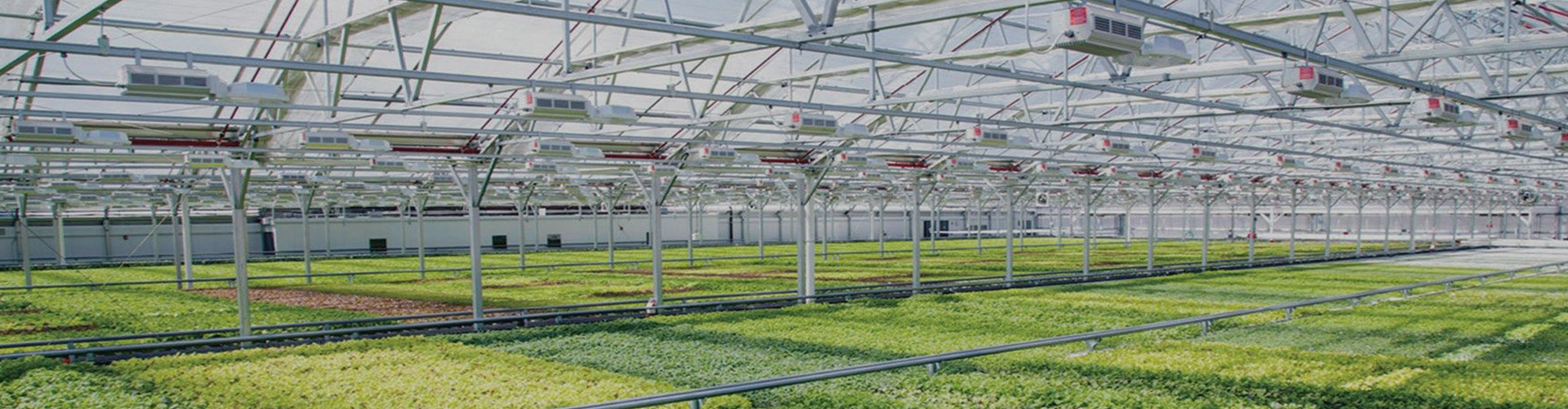
A grower walking through a greenhouse at dusk, watching workers duck under fixture mounts to reach the irrigation valves, understands exactly why lighting design can't get treated as an afterthought bolted onto the ceiling. Greenhouse lighting isn't simply a matter of adding lamps above plants. The arrangement, fixture design, mounting position, growing area, and daily production routine all affect how artificial light actually fits into a working greenhouse.
An HPS Grow Light Fixture is one type of lighting equipment used in controlled growing environments. Its design can influence how light gets positioned across plant areas and how easily the lighting system fits into an existing greenhouse layout, rather than fighting against it.
The term HPS refers to high-pressure sodium lighting. This technology has been used in agricultural lighting applications because its warm light output can fit certain plant-growing environments well.
A Sodium Grow Light can be considered where growers need supplemental lighting during periods when natural daylight doesn't fully support the intended growing routine. High Sodium Grow Lights may also get selected for larger growing areas where fixture placement and coverage need careful planning across a bigger footprint.
The choice isn't only about the lamp itself. Greenhouse structure, crop arrangement, installation access, plant height, and working conditions all influence how the fixture should actually get used.
Why Greenhouse Layout Matters for HPS Grow Light Fixture Design
A greenhouse is a genuinely active working environment, not a static display space.
Plants need room to grow. Workers need space to move through without ducking and weaving. Irrigation equipment, ventilation systems, support structures, and other equipment may also occupy the same overhead area competing for the same real estate.
An HPS Grow Light Fixture needs to fit within this environment without making routine work unnecessarily difficult for the people actually running the place.
The layout can influence several practical decisions.
Greenhouse Area
Lighting Consideration
Growing beds
Light should be positioned around the plant area
Walkways
Fixtures should not interfere with movement
Tall crops
Mounting position may need adjustment
Propagation areas
Lighting arrangement can differ from mature crops
Service areas
Access should remain practical
A fixture placed without considering the greenhouse layout may create shadows or make maintenance genuinely harder down the line.
The position of the plants matters just as much. A greenhouse with evenly arranged growing beds presents different lighting challenges from one with multiple crop zones running side by side.
This is why lighting planning often starts with the physical layout, rather than choosing fixtures from a catalog right away.
How an HPS Grow Light Fixture Fits Different Plant Lighting Needs
Plants don't all grow in the same way, obviously, but it's easy to underestimate how much that affects lighting design.
Some crops get grown close to the ground. Others develop taller canopies reaching toward the roof. Some are arranged in rows, while others occupy benches or containers spread across the floor.
The lighting system needs to accommodate these differences rather than applying one blanket approach.
A Sodium Grow Light can provide supplemental artificial light when natural conditions aren't sufficient for the growing schedule at hand. The fixture's position can then get adjusted according to the crop arrangement in that specific zone.
For example, a low-growing crop may allow a more straightforward overhead arrangement without much fuss. Taller plants can change the relationship between the lamp and the upper plant area considerably.
Plant spacing also matters quite a bit here.
When plants are packed closely together, leaves can shade nearby plants from each other. The lighting arrangement may need to account for these natural differences within the canopy itself.
Crop Arrangement
Possible Lighting Focus
Low-growing plants
Even overhead placement
Tall plants
Consideration of canopy height
Row planting
Alignment with growing rows
Bench growing
Fixture placement around bench layout
Mixed crops
Separate lighting zones
The purpose isn't treating every greenhouse the same way, since they rarely are.
A practical lighting system should fit the crops actually being grown in that specific space, not a generic assumption.
What Role Sodium Grow Light Placement Plays in Greenhouse Lighting
Placement affects how artificial light actually reaches the growing area below it.
An overhead fixture may illuminate a broad area, while its position relative to plants can change the distribution of light across the crop considerably.
This makes mounting location a genuinely important part of greenhouse planning, not an afterthought.
The fixture should be positioned with nearby structures in mind. Roof supports, irrigation lines, ventilation equipment, and hanging accessories can all influence the installation process in ways that may not be obvious at a glance.
A suitable arrangement should also let workers move through the greenhouse without constantly working around lighting equipment hanging in the way.
The height and position of the fixture can get considered together with plant development over time.
Young plants and mature plants may occupy genuinely different amounts of vertical space. A lighting arrangement that works for one stage may need adjustment as the crop develops toward harvest.
For growers, flexibility can therefore prove genuinely useful.
A fixture that can be installed and serviced without major disruption can fit a lot more naturally into a changing agricultural environment throughout a growing cycle.
How High Sodium Grow Lights Fit Larger Greenhouse Areas
Larger greenhouses often contain multiple growing zones running at once, each with their own needs.
A single lighting arrangement may not suit every part of the facility equally.
Different zones can have different crops, plant heights, working schedules, or natural light conditions depending on orientation and structure. High Sodium Grow Lights can get arranged as part of a broader lighting plan where supplemental illumination is needed most.
The fixtures can get considered in groups, rather than one at a time in isolation.
For example, a greenhouse may divide its lighting into main growing areas, propagation areas, areas with lower natural light, areas with different crop layouts, and spaces used for specific growing routines.
This approach can make the lighting system a lot easier to manage overall.
It also allows growers to think about which areas actually need supplemental lighting, rather than treating the entire greenhouse as one uniform space needing identical treatment.
The fixture design should support this zoned approach.
Mounting options, access for servicing, and the relationship between neighboring fixtures can all affect how a larger installation actually functions once it's running.
How HPS Fixtures Can Work With Natural Greenhouse Light
Greenhouses already make use of sunlight, obviously, and that's part of the appeal of the structure itself.
Artificial lighting is therefore often considered as part of a combined lighting environment, rather than a complete replacement for natural light streaming through the roof.
The amount of daylight entering a greenhouse can change with weather, season, roof structure, plant growth, and surrounding conditions throughout the year.
An HPS Grow Light Fixture can get incorporated into a system where artificial lighting supports the growing environment as natural light shifts through the seasons.
This requires attention to the greenhouse's existing design from the start.
A fixture shouldn't be placed without considering how sunlight enters the space. Natural shadows created by the greenhouse structure can also change the light reaching the plant area below.
The goal is creating a practical relationship between natural and artificial light working together, rather than one fighting the other.
For growers, this can mean using lighting in selected areas or during particular periods, rather than running every fixture continuously regardless of conditions.
Such an arrangement may also make it easier to manage different crop zones with different light needs.
What Design Features Make Greenhouse Installation Easier
Installation can get genuinely challenging in a greenhouse, because the ceiling area is already crowded with structural and agricultural equipment competing for space.
An HPS Grow Light Fixture should therefore get considered from an installation perspective right from the design stage.
Several features can affect practical use once it's in place.
Mounting arrangement. The fixture should have a suitable way to connect with the greenhouse structure without fighting existing supports.
Service access. Workers need a practical method for reaching the fixture when inspection or replacement is required, not a ladder gymnastics routine.
Cable organization. Electrical connections should be arranged neatly and kept compatible with the greenhouse environment, including humidity and dust.
Fixture positioning. The lighting unit should remain clear of nearby equipment and crop growth as plants develop.
Structural compatibility. The mounting method should suit the existing greenhouse framework rather than requiring major modification.
These details may appear small during planning, but they become genuinely important once many fixtures are installed across a large area.
A lighting system that's easy to access can reduce disruption to normal greenhouse work considerably.
How Fixture Design Affects Greenhouse Working Conditions
A greenhouse is not only a plant-growing space. It's also a workplace where people spend their days.
Workers may need to water plants, inspect leaves, move containers, harvest crops, clean surfaces, and repair equipment, often all in the same afternoon.
Lighting fixtures shouldn't make these tasks harder than they need to be.
An HPS Grow Light Fixture can influence the space beneath it through its position, housing design, mounting arrangement, and accessibility.
A well-planned layout leaves clear routes for workers moving through the space.
This matters particularly in areas with tall crops. As plants grow, the available working space can become noticeably narrower over the season.
The lighting arrangement should get planned with expected plant growth in mind from the outset, not adjusted reactively later.
A fixture positioned too close to equipment or a busy work area may create unnecessary obstacles that workers just learn to live with.
The same principle applies to maintenance down the line.
If workers need to move large equipment around the greenhouse, lighting installations shouldn't block common routes they rely on.
Thinking about maintenance during the initial design stage can make later work a lot more manageable when the time comes.
Can Sodium Grow Lights Be Used in Different Agricultural Applications?
Agricultural lighting needs vary considerably according to the type of production happening.
Greenhouses may get used for vegetables, herbs, flowers, seedlings, and other crops, each with their own layout and production routine.
A Sodium Grow Light can get integrated into different environments when its characteristics fit the intended application at hand.
The decision may involve more than the crop itself.
Growers can consider:
Plant height
Growing arrangement
Greenhouse structure
Natural daylight conditions
Working access
Lighting zones
Fixture maintenance
Installation location
A propagation area may require a genuinely different lighting arrangement from a mature crop area down the row.
Similarly, a greenhouse used for rows of tall plants may need a different fixture position from one using low benches spread across the floor.
This makes the design of the overall lighting system just as important as the choice of lighting technology itself.
How Growers Should Think About Lighting Zones
Lighting zones can help divide a greenhouse according to actual needs, rather than treating the whole space as one block.
Not every part of a growing facility necessarily has the same conditions.
One area may receive more natural light through a south-facing section. Another may be shaded by greenhouse structures or neighboring crops blocking the sun.
A zone-based arrangement can allow lighting decisions to reflect these real differences.
Zone
Possible Lighting Planning
High natural light area
Supplemental lighting when needed
Shaded growing area
Additional attention to fixture placement
Young plant area
Arrangement based on plant size
Mature crop area
Consideration of canopy development
Service area
Keep fixtures and cables clear
This approach can also make future adjustments a lot easier down the line.
If the crop arrangement changes, the lighting plan can get reviewed by zone, instead of redesigning the entire greenhouse from scratch.
For a facility handling several crop types, this can prove particularly useful when priorities shift season to season.
The fixture becomes part of a larger system of growing areas, rather than an isolated piece of equipment hanging on its own.
What Buyers Should Consider When Selecting an HPS Grow Light Fixture
Buyers can begin by looking at the greenhouse itself, rather than focusing only on the fixture spec sheet.
The physical environment determines how practical a lighting product will actually be once it's installed.
Useful questions include:
Where will the fixture be mounted?
How will workers access it?
What type of plants will be grown below it?
How will plant height change during cultivation?
Are there irrigation lines or structural supports nearby?
Can the lighting area be divided into useful zones?
How will the fixture fit with existing greenhouse equipment?
Can routine inspection be carried out without major disruption?
The answers to these questions can help narrow the available options considerably.
The same applies when comparing High Sodium Grow Lights with other agricultural lighting approaches on the market.
The right choice depends on the intended use and the environment in which the equipment will actually operate day after day.
How Fixture Design Can Support Long-Term Greenhouse Use
Greenhouse equipment remains part of the facility well after installation day.
Plants change through the seasons. Growing layouts change as crops rotate. Equipment gets moved around. Maintenance tasks happen regularly. New crop areas may get added as operations expand.
A practical lighting design should allow room for these changes rather than locking things in place permanently.
The HPS Grow Light Fixture should fit the greenhouse structure without making future adjustments unnecessarily difficult when priorities shift.
Access is particularly important here.
A fixture that can be inspected without disturbing nearby systems can be a lot easier to manage over time as the greenhouse evolves.
The surrounding installation should also stay organized rather than becoming a tangle nobody wants to touch.
Cables, mounting points, and nearby equipment should have clear relationships to each other. This can make it a lot easier for workers to understand the system when maintenance is actually required.
A thoughtful design also considers how the greenhouse will get used during different stages of plant growth, not just at installation.
The fixture should support the growing environment while leaving enough room for people to perform their daily tasks without fighting the equipment overhead.
In this way, Sodium Grow Light, grow lights sodium, and High Sodium Grow Lights can get considered not only as lighting products but as parts of a broader greenhouse arrangement. Their practical value depends on how the fixture design, crop layout, installation position, natural light, working space, and agricultural application fit together in the specific facility they're serving.
Someone standing in their courtyard with a tape measure, trying to figure out if a greenhouse will actually fit without swallowing the whole yard, is usually asking the wrong question. The real question isn't how much floor space a Walk in Small Greenhouse takes up — it's how much of that space actually gets put to work.A well-planned structure makes practical use of vertical space, organized plant arrangements, clear pathways, and a layout that uses limited ground area efficiently instead of leaving valuable space above waist height unused. This is especially useful for small courtyards, compact gardens, and growing areas where available space needs to be used thoughtfully.
A small greenhouse does not have to limit the scope of a growing plan. Plants can be arranged across different levels, while walls and upper spaces provide room for crops that do not need to grow directly from the ground. Shelves, hanging containers, narrow planting beds, and movable growing units all add usable space without adding a single extra square foot of footprint.
The structure itself shapes how efficiently that interior actually gets used too. Door placement, roof shape, frame arrangement, and how wide the walking areas are can all influence where plants end up going. A thoughtful layout makes a compact greenhouse feel organized instead of cramped, without making it a hassle to actually work inside once the plants start growing in.
Why Space Planning Matters in a Small Greenhouse
Space planning lets a Walk in Small Greenhouse use its available area for both plants and human movement without leaving awkward gaps nobody can use for anything. A poorly arranged greenhouse can technically have enough floor space on paper and still feel crowded in practice, because plants, containers, tools, and pathways all end up competing for the exact same square footage.
The trick is thinking past the floor entirely.
Plants naturally occupy different heights depending on how they grow. Low crops like lettuce or herbs stay close to the ground, while taller plants like tomatoes can climb vertical supports instead of sprawling outward. Shelves hold smaller containers above planting beds, effectively creating separate growing layers within the same footprint that would otherwise support just one layer of plants.
Access needs to stay practical throughout all of this. A greenhouse packed wall-to-wall with plants might look impressively productive in a photo, but if the gardener can't actually reach the back row without knocking something over, daily care turns into a chore nobody wants to do. Watering, pruning, harvesting, checking for pests — all of it needs enough room to actually move through comfortably.
A useful layout ends up balancing three things at once: growing space, storage space, and room to move. When someone plans these together instead of separately, a compact greenhouse supports a lot more plants without turning into something genuinely difficult to manage day to day.
How Vertical Space Increases Growing Capacity
Vertical growing increases usable space inside a Walk in Small Greenhouse by letting plants and containers occupy the air above the ground instead of competing for the same patch of dirt. This matters especially when a courtyard or garden simply doesn't have room to expand outward any further.
Shelving is probably the simplest way to claim that vertical space. Smaller plants, seed trays, herbs, and containers sit on shelves while larger plants stay below on the actual floor. This creates several distinct growing zones without needing an inch more ground area than what's already there.
Hanging containers offer another option worth using. Plants that naturally trail downward, or stay relatively compact overall, can hang above the main growing area — strawberries, trailing herbs, even some flowering plants work well here. That turns otherwise unused overhead space into a genuine extra layer of the garden.
Vertical supports help climbing plants grow upward instead of sprawling across the floor and eating up walking room. Cucumbers or beans trained up a trellis leave the lower area a lot more open, letting that same ground zone support a different type of plant entirely at the same time.
The whole arrangement still needs to leave room for actual care, though. Shelves and hanging plants shouldn't block the entrance, cut off access to plants below them, or make routine watering an awkward reach-around every single time.
Vertical space earns its keep when it improves the overall layout, not just when it lets someone cram in a few more pots for the sake of it.
How a Small Courtyard Works With a Walk in Small Greenhouse
A small courtyard works well with a Walk in Small Greenhouse when the structure gets positioned to make genuinely efficient use of the outdoor area around it. Rather than treating the greenhouse as some standalone building plopped down wherever there happened to be room, homeowners do better thinking of it as one piece of the wider garden layout.
Where the greenhouse sits shapes how easily people actually move around it. Placing it near a wall saves open courtyard space for other uses, while positioning it close to a garden entrance makes daily trips in and out a lot more convenient than trekking across the whole yard.
Sunlight deserves real thought too. Nearby walls, trees, fences, and neighboring buildings all affect how much natural light actually reaches the greenhouse through the day. That location decision needs consideration before installation, not after the structure's already anchored into the ground and nobody wants to move it again.
The surrounding courtyard can also handle tasks that don't need to happen inside the greenhouse at all. Larger tools, compost bins, or outdoor planting beds can stay outside, letting the greenhouse interior stay focused purely on plants and the working space they actually need.
This approach tends to make a compact garden feel a lot more organized overall. The greenhouse becomes the central growing hub, while the courtyard around it handles everything else that would otherwise eat into valuable interior space.
How Plants Should Be Arranged Inside a Small Greenhouse
Plant arrangement helps a Walk in Small Greenhouse use limited space efficiently by grouping plants according to height, growth habit, and how much care each one needs. Instead of just plunking containers down wherever there's an open spot, growers can set up clear zones for different plant types from the start.
Tall plants belong in spots where they won't shade out or crowd shorter plants nearby. Lower-growing plants can take the front sections or open floor areas, where they get more light and stay easier to reach for daily checking.
Grouping plants by similar watering needs makes daily care a lot more straightforward too, since the gardener isn't constantly bouncing between opposite ends of the greenhouse just to water one thirsty plant and one that barely needs it.
The growing cycle matters here as well. Some plants need a lot more room once they mature than they did as seedlings, while others stay fairly compact their whole life. Leaving room for that growth upfront keeps the greenhouse from turning into an overcrowded mess three months down the line.
Plant Arrangement
Space Planning Idea
Tall plants
Place where they won't block smaller plants nearby
Low-growing plants
Use lower shelves or open floor areas
Climbing plants
Train onto vertical supports
Container plants
Group together by shared care needs
Hanging plants
Use suitable overhead areas
Seedlings
Place on shelves that stay easy to reach
A well-arranged greenhouse isn't simply one filled with plants. It's a space where plants have room to grow while people can still reach, inspect, and care for them without difficulty.
How Passageways Improve the Use of Growing Space
Well-planned passageways let a Walk in Small Greenhouse use more of its growing space without making everyday maintenance a headache. A narrow or badly positioned path makes the whole interior feel cramped and often forces the gardener to step around plants and containers just to get from one side to the other.
The main passage should connect the important spots — entrance, planting beds, shelves, watering points — directly. Smaller side paths work fine where they're actually needed, but they shouldn't chop the growing area into so many disconnected little sections that nothing feels like one coherent space.
Where the door is positioned can shape the entire layout, often in ways people don't expect. If the entrance opens straight into a planting bed, that's usable growing space lost right at the doorway. A better setup guides movement toward a central path instead, keeping plants arranged along the sides where they're out of the way but still easy to reach.
Movable containers add real flexibility here too. When a plant needs more room to spread out, the arrangement can shift without tearing apart and rebuilding the whole interior layout from scratch.
The passageway also needs to genuinely support maintenance work. Someone should be able to reach a plant without brushing against leaves or knocking over neighboring containers. Harvesting a tomato shouldn't mean disturbing three other plants in the process.
In a compact greenhouse, a path isn't wasted space at all — it's part of the growing system itself, since it's what actually gives the gardener access to everything that's been carefully arranged around it.
How Greenhouse Structure Affects Interior Space
A greenhouse's structure affects how much of its interior actually becomes usable growing space, since the frame, walls, roof, doors, and supports all determine where plants and equipment can realistically go. A structure with clear, open interior areas makes it a lot easier to add shelves, planting beds, and vertical growing setups without fighting the building itself.
A greenhouse with a steel frame is worth considering when structural support and long-term durability matter for a project. The frame sets the basic shape of the whole greenhouse and shapes where growing systems and accessories can actually attach or sit.
Roof design matters here too. A taller interior opens up more opportunities for vertical planting, while the roof's shape affects how easily hanging containers or climbing supports can actually get installed without fighting the ceiling line.
Doors and ventilation openings need real thought as well. Where they sit shapes where plants can go and how people actually move through the space day to day.
The greenhouse structure needs to be considered alongside the interior plan rather than afterward. Choosing the structure on its own and then trying to fit the plant layout around it can create unnecessary restrictions that could have been avoided.
A better approach starts with the growing plan before locking in the final structure. That makes it a lot easier to figure out exactly how much space plants, paths, storage, and routine maintenance actually need before pouring a single footing.
Can Shelves and Containers Make Small Greenhouses More Flexible?
Shelves and containers make a Walk in Small Greenhouse more flexible by letting growers change the arrangement as plant needs shift through the season. Fixed planting beds work fine for some setups, but they can limit how much the interior can adapt later on once plants start behaving differently than expected.
Shelves hold smaller plants while leaving the floor open for larger crops that actually need it. Different shelf heights create separate growing zones and make it a lot easier to group plants by size without them competing for the same light and space.
Containers bring their own advantage simply because they can move. A plant that's not getting enough sun can shift toward a brighter spot, while a plant that's finished producing can get relocated to make room for something new coming in behind it.
This flexibility really pays off in small spaces specifically. Instead of treating the greenhouse layout as something fixed and permanent, growers can adjust it as the current growing cycle actually demands, season after season.
That said, movable containers shouldn't be allowed to drift into the main passage and turn into clutter. Giving them designated spots keeps that flexibility useful instead of letting it become a tripping hazard.
Storage fits into this arrangement too. Small tools, planting materials, and spare containers belong on dedicated shelves rather than eating into floor space that plants could actually be using.
What Buyers Should Consider When Planning a Small Greenhouse
Buyers should think through their available courtyard space, intended plants, access requirements, structure, and future growing plans before settling on a small greenhouse. These factors determine whether the interior can genuinely support the growing arrangement someone actually has in mind.
The available outdoor area needs real measuring and observing throughout the day, not just a quick glance in the morning. Light conditions shift depending on nearby buildings, walls, fences, and trees, and a spot that looks sunny at 10am might sit in shadow by 3pm.
The intended plants should shape the structure choice too. A garden built around climbing plants needs more vertical support built in, while a collection of small potted herbs and seedlings benefits more from generous shelving instead.
Buyers should also think honestly about how the greenhouse will actually get used. A structure for personal, relaxed gardening carries different requirements than one meant for regular, serious production.
For businesses buying multiple structures at once, Commercial Greenhouse Wholesale options offer a practical way to plan larger growing projects around one consistent structure design. That purchasing decision still needs to account for the actual site, crop arrangement, installation needs, and intended use, rather than just focusing on how many units show up in the order.
Frame material deserves consideration too. A greenhouse with a steel frame can provide the kind of structured, durable interior that suits projects expecting repeated use and genuinely organized growing areas over the years, not just one season.
How Commercial Greenhouse Wholesale Supports Space Planning
Commercial Greenhouse Wholesale purchasing supports larger growing projects by giving buyers access to structures that can be planned around one consistent layout across multiple units. This works well for growers who need several greenhouses at once, or who are developing multiple growing areas across a larger property.
A wholesale approach also makes it easier to think about the whole garden as one connected system, rather than a scattered collection of individual structures with no relationship to each other. Paths between greenhouses, shared storage areas, water access points, and planting zones can all get planned together from the start.
The interior layout still needs to stay flexible enough to handle different plant arrangements as needs change. Shelves, containers, vertical supports, and working paths all get incorporated according to whatever the specific growing project actually calls for.
Small courtyards benefit from this same planning logic on a smaller scale too. Even when there's only room for a single Walk in Small Greenhouse, the space around it can still get organized to genuinely support the structure rather than sitting there unused.
The real goal here isn't just cramming more plants into a limited area for the sake of it. Effective space planning builds a working relationship between the structure, the plants, the paths, and the daily tasks someone actually needs to do. When those pieces fit together well, a compact greenhouse becomes a genuinely practical growing environment without demanding a sprawling outdoor footprint to pull off.
A farmer checking tomato plants after an unexpected late frost has probably had at least one season ruined by weather that showed up without warning. That kind of loss used to just be part of farming, something growers accepted as a risk of working with open fields. Commercial Greenhouse Wholesale solutions have started changing that calculation, giving farms a way to grow crops inside a structure that doesn't leave everything up to whatever the sky decides to do that week.
A Commercial Greenhouse creates a growing space where temperature, light, and moisture can be managed rather than simply endured. That's not the same as replacing outdoor farming altogether. It's closer to giving growers another option, one that comes in handy exactly when outdoor conditions turn unpredictable or unworkable.
Why Farming Practices Keep Shifting
Growers today deal with a mix of pressures that didn't weigh as heavily a generation ago. Weather patterns swing more unpredictably, usable farmland keeps shrinking in some regions, and buyers expect fresh produce available closer to year-round rather than only during a narrow harvest window.
Pressure Farmers Face
How the Industry Is Responding
Unpredictable weather affecting outdoor crops
Building growing spaces that reduce exposure to weather swings
Water and resource limits
Adjusting practices to use inputs more carefully
Need for flexible production
Adopting methods that adapt across different growing periods
Buyers wanting fresher, more consistent supply
Extending growing seasons beyond traditional limits
None of these pressures are new individually, but together they've pushed a fair number of growers toward looking at greenhouse-based methods as a practical addition to their existing operation rather than a replacement for it.
What a Commercial Greenhouse Actually Does for a Farm
Put simply, a greenhouse gives a grower a wall between their crops and whatever's happening outside that day. Rain, wind, sudden frost, or an unexpected heat wave don't reach the plants the same way they would in an open field.
Commercial Greenhouse setups tend to support:
Shielding crops from weather events that would otherwise damage or delay a harvest
Organizing growing space so multiple crops or growth stages can run alongside each other
Extending a growing season past what outdoor conditions alone would allow
Making more efficient use of available land, since vertical or stacked growing options open up
None of this replaces traditional field farming outright. A grower running both open fields and a greenhouse setup, for instance, might use the greenhouse specifically for crops sensitive to cold snaps, while leaving hardier crops to grow outdoors as usual.
How a Controlled Space Actually Helps Plants Grow
Plants respond directly to their surroundings, and small shifts in temperature, humidity, or light exposure can make a noticeable difference in how a crop develops. A greenhouse gives growers a way to manage those factors more directly than an open field allows.
Growing Factor
How a Greenhouse Helps
Weather exposure
Keeps rain, wind, and temperature swings away from crops
Daily plant care
Organizes tasks into a structured, repeatable routine
Growth tracking
Makes it easier to monitor plants at different stages side by side
Planning ahead
Supports scheduling crops around expected market demand
A grower producing leafy greens for a local grocery chain, for example, can plan harvests around delivery schedules far more reliably inside a greenhouse than they could relying purely on outdoor growing conditions that shift with the weather.
Why More Growers Are Turning to Greenhouse Setups
The shift toward greenhouse farming isn't happening because open-field growing suddenly stopped working. It's happening because more growers want an additional layer of control over how and when their crops actually develop.
Reasons that keep coming up:
Making better use of limited farmland by growing more within the same footprint
Running a more organized, predictable production schedule
Adjusting crop plans without waiting on a full outdoor growing season to pass
Reducing exposure to weather events that have become harder to predict
A grower who lost a season's worth of crops to an unseasonal storm the year before often becomes the same grower investing in greenhouse space the following year, specifically to avoid repeating that loss.
How Wholesale Greenhouse Options Support Larger Projects
Building out greenhouse space for a small operation is a different undertaking than planning multiple structures across a larger farming project. That's where wholesale greenhouse options come into the picture, giving growers access to structures suited for bigger, more coordinated builds.
Farm Need
How Wholesale Support Helps
Expanding operations
Provides access to multiple structure options at once
Planning a bigger project
Supports coordinated builds across a larger site
Long-term business growth
Helps fit greenhouse additions into broader farm planning
Covering different crop needs
Offers a range of structure types suited to different uses
A farming operation planning to add several greenhouse units across a season benefits from working with a wholesale supplier who can coordinate that scale, rather than sourcing structures piecemeal from different places.
How Technology Fits Into Modern Greenhouse Farming
Greenhouse farming isn't just about the physical structure anymore. A growing number of operations pair that structure with tools that help track conditions inside and adjust as needed, rather than relying purely on manual checks throughout the day.
Technology tends to support:
Keeping closer track of temperature and humidity throughout the growing space
Managing water and nutrient use more carefully across different crop sections
Simplifying daily tasks that used to require constant manual checking
Organizing production schedules around actual growing conditions rather than guesswork
A grower managing several greenhouse sections at once benefits from tools that flag when conditions drift outside an expected range, catching a problem before it affects an entire crop cycle.
What Growers Need to Think Through Before Committing
Greenhouse farming isn't a simple swap from outdoor growing. It comes with its own set of decisions that need sorting out before construction even starts.
Challenge
What It Requires
Initial planning
Clear goals about what crops and scale the greenhouse will support
Ongoing management
Regular attention, since a greenhouse doesn't run itself
Matching crops to conditions
Some crops adapt better to greenhouse growing than others
Managing resources carefully
Water, energy, and materials all need organized planning
A grower entering greenhouse farming without understanding which crops match that environment may face disappointing results, as different plants respond differently to a controlled indoor growing setup.
How Greenhouses Add Flexibility to a Farming Operation
Markets shift, sometimes quickly, and a farm that can only respond once a season at a time struggles to keep up with sudden changes in demand. Greenhouse farming gives growers a way to adjust more often than a traditional outdoor schedule would allow.
Flexibility shows up through:
Growing a wider variety of crops than outdoor conditions alone would support
Adjusting planting and harvest timing based on current demand
Making better use of available space through organized, planned layouts
Responding to shifts in what buyers are actually asking for
A grower noticing sudden demand for a particular herb at a local market can often turn around a greenhouse crop faster than they could plan and wait for an outdoor growing season to align.
How Greenhouse Farming Connects to Sustainable Practices
Careful resource use has become part of how a lot of farms plan their operations now, not just as a nice idea but as a practical response to rising costs and tighter water availability in some regions.
Sustainability Focus
How Greenhouse Farming Supports It
Resource management
Allows more careful control over water and input use
Space efficiency
Supports growing more within a smaller physical footprint
Reduced weather dependence
Protects crops from losses tied to outdoor conditions
Long-term planning
Supports a farm's ability to keep operating steadily over time
A grower using drip irrigation inside a greenhouse setup, for example, often uses noticeably less water than an equivalent outdoor crop exposed to evaporation and runoff, which matters more each year as water costs climb in many farming regions.
Where Commercial Greenhouse Farming Is Headed
Agriculture keeps moving toward methods that give growers more say over how their crops actually develop, rather than leaving everything up to conditions outside their control. Commercial Greenhouse systems fit into that shift by offering a structured, adaptable option that works alongside traditional outdoor farming rather than replacing it outright.
As more farms look for ways to plan production more carefully, respond faster to market shifts, and reduce losses tied to unpredictable weather, greenhouse-based growing will likely keep finding its way into more operations — not as a complete overhaul of how farming works, but as one more practical tool growers can reach for when conditions call for it.
Which One Should You Choose?
Choose WITH a Floor Base if:
You need to store valuable, moisture-sensitive, or clean items (tools, electronics, textiles, documents, pet supplies).
You want a quick, hassle-free installation without pouring concrete or laying bricks.
You live in a humid or rainy climate or have poorly drained soil.
You want peace of mind against pests and ground moisture.
You prefer low maintenance and easy cleaning.
Choose WITHOUT a Floor Base if:
You already have a solid, level concrete slab or paved area where the shed will sit.
You only plan to store heavy, weather-resistant, or "messy" items (firewood, bags of mulch, large planters, lawn equipment with muddy tires).
You're on a tight budget and already have suitable foundation materials on hand.
You need to maximize interior height (since no floor panel takes up vertical space—though this difference is usually minor, about 5–10 cm).
Critical Note: The "No-Floor" CaveatIf you buy a resin shed without a floor and place it directly on bare soil or grass without any foundation, you will likely face:
Weeds growing up inside the shed within weeks.
Animals burrowing underneath the walls and nesting inside.
Doors jamming within months as the ground settles unevenly.
Rust and rot on anything stored near the bottom.
In short: A floorless resin shed is actually a "wall-and-roof kit"—not a complete storage solution. You must treat it like a wood or metal shed and build a proper base underneath.
With Floor
Without Floor
Best for
All-around storage, especially valuables
Storage of rugged outdoor items
Installation
Place on level ground—ready to go
Requires building a separate foundation
Moisture/pest protection
Excellent (built-in barrier)
Poor unless foundation is raised and sealed
Long-term effort
Minimal maintenance
Regular inspection of foundation needed
Total cost
Higher purchase, lower total cost (no foundation work)
Lower purchase, higher total cost (plus foundation)
KEY FEATURE & BENEFITS INCLUDE: · High efficacy electronic ballast.· Multi self-protections.· St...
Sunshine Garden HPS Grow Light Series HPS lights are good for flowering because of their red/orange...
Innovation Team
Patented Technology
Quality Assurance
Efficient Response.png)
.jpg)
.jpg)
.png)
.jpg)
.png)