

A sodium grow light may look like a genuinely simple lighting unit sitting above a plant bench, but several components need to work together before the lamp can operate properly. The lamp itself produces light, while the ballast manages the electrical conditions required for the lamp to start and continue running throughout the day.
This relationship becomes especially important in a Sodium Grow Light system used across a working greenhouse. A suitable ballast helps control the electrical supply during startup and normal operation, while an unsuitable or poorly matched ballast can create unstable operation, repeated starting attempts, or unusual lamp behavior that frustrates the grower.
The ballast is therefore not just an accessory placed between the power source and the lamp on a shelf. It's part of the operating system as a whole. Understanding its role can help users, installers, and lighting manufacturers genuinely understand why two similar-looking fixtures may behave quite differently in actual use.
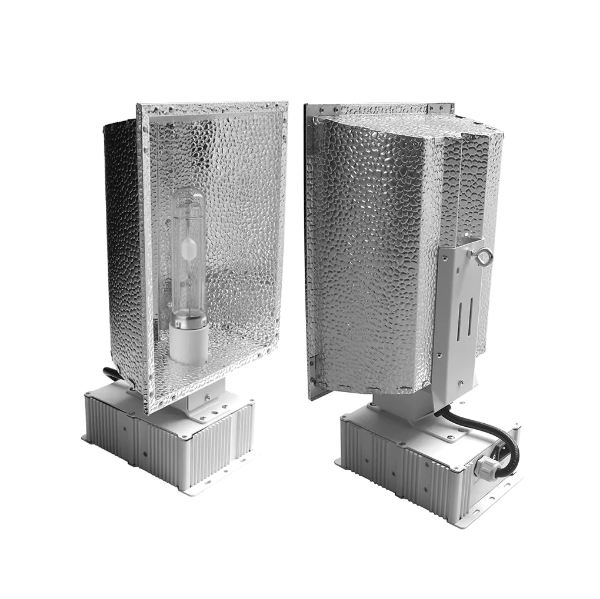
A sodium lamp doesn't behave like an ordinary household lamp that can simply get connected directly to a power supply on the wall. Its electrical behavior changes during startup and operation, so the system needs a component that helps manage the conditions around the lamp itself.
The ballast provides this control throughout the process. During startup, the lamp needs suitable electrical support to begin its discharge process inside the glass.
| Operating Stage | Ballast Role |
|---|---|
| Startup | Supports the lamp as it begins operation |
| Initial operation | Helps establish stable running conditions |
| Normal operation | Helps regulate the electrical supply |
| Restart | Supports another starting cycle after shutdown |
Once the lamp is operating steadily, the ballast helps keep the electrical conditions within a usable range throughout the growing cycle. Without suitable control, the lamp may not behave as intended by the manufacturer.
The exact behavior depends on the lamp, ballast, fixture, and power supply used together as a complete unit. This is why the ballast should get considered as part of the complete lighting system, rather than as a separate replacement component picked off a shelf.
Startup is a noticeable stage in sodium lighting, especially for growers watching the fixture come on. When a lamp is switched on, it does not immediately operate in the same way as it does during normal operation.
The internal conditions need to change before the lamp can settle into its regular operating state. The ballast supports this transition by helping provide the electrical conditions needed for the lamp to begin operating properly.
| Startup Step | What Happens |
|---|---|
| Power reaches the system | Electricity arrives at the fixture |
| Starting system initiates | Lamp operation begins |
| Internal discharge starts | Lamp begins its process |
| Conditions stabilize | Operation gradually settles |
| Ballast manages supply | Continued regulation follows |
Some systems also use a separate starting component or an integrated starting function built into the housing. The exact arrangement depends genuinely on the design of the Sodium Grow Lights being used in that particular installation.
This explains why a lamp may behave differently immediately after switching on, compared with its later operation once warmed up. If the starting process repeatedly fails, the issue may not come from the lamp alone sitting in the socket.
The ballast, starter, connections, and incoming power supply can all be genuinely relevant to the failure.
A ballast and lamp get designed to work as a pair or as part of a defined system planned by the manufacturer. If their operating requirements don't correspond, the result can be genuinely inconsistent behavior that confuses the operator.
A mismatch can appear in several ways during actual use. The lamp may have difficulty starting at all, sitting dark despite power reaching the fixture.
| Possible Mismatch | Possible Operating Result |
|---|---|
| Incorrect ballast type | Starting problems |
| Incompatible electrical characteristics | Unstable lamp operation |
| Worn ballast | Irregular performance |
| Poor connection | Intermittent operation |
| Unsuitable replacement | Repeated shutdown or restart |
It may switch off unexpectedly or repeatedly attempt to restart without success, cycling on and off in a way that wastes energy. In some situations, the lamp may operate but show genuinely unstable behavior that varies throughout the day.
The problem isn't always obvious from a visual inspection of the fixture alone. For this reason, replacing a ballast should involve checking the lamp and fixture specifications, rather than selecting a component based only on physical size that happens to fit the housing.
A ballast that fits inside the housing isn't necessarily suitable for the complete lighting system it's meant to serve.
After startup is complete, the ballast continues to play an important role throughout the lamp's operating cycle. A sodium lamp can change its electrical behavior as it settles into its normal operating state during the initial part of operation.
The ballast helps prevent the electrical supply from changing in ways that could interfere with normal lamp operation later in the cycle. This creates a controlled relationship between the incoming power and the lamp itself.
| System Link | Function |
|---|---|
| Power supply | Provides incoming electricity |
| Ballast | Regulates electrical conditions |
| Starting system | Initiates the discharge process |
| Lamp | Produces the actual light |
| Fixture | Houses and protects components |
Stable operation also depends on other parts of the system beyond just the ballast itself. Loose wiring, poor connections, an unsuitable power source, or damaged components can genuinely affect the result seen at the plant canopy.
The ballast can't correct every external problem on its own, no matter how well designed. This is why troubleshooting should consider the whole system, instead of immediately assuming that the lamp itself has failed when something goes wrong.
A HPS Grow Light Fixture depends genuinely on a stable electrical connection to support the lamp and ballast working together throughout a growing season. Changes in the incoming supply can affect how the system starts and operates day to day.
If the available power gets interrupted or becomes unsuitable, the lamp may shut down or fail to restart normally afterward. The ballast is designed to work within the electrical conditions specified for that particular fixture.
| Installation Factor | Relevance |
|---|---|
| Wiring quality | Affects overall reliability |
| Switching arrangement | Influences startup consistency |
| Circuit protection | Guards against electrical issues |
| Ballast compatibility | Determines proper matching |
| Shared electrical load | Impacts multiple fixtures together |
It doesn't function as a general-purpose device that can make any power source suitable for the job. This distinction matters quite a bit in growing facilities where several lighting units may share the same electrical system running through the building.
If multiple fixtures operate together across a grow room, installers need to consider how the lighting system connects to the available power source. A stable installation therefore begins well before the lamps are switched on.
A ballast can genuinely change with age and repeated use over months and years of operation. Internal components may gradually lose their intended operating characteristics, while connections can also become less reliable over time.
Users may notice changes in the way a Sodium Grow Light starts or operates as the fixture ages. Possible signs include unusual starting behavior, repeated attempts to ignite the lamp, unexpected shutdowns, or changes in normal operation throughout the cycle.
| Observation | Consideration |
|---|---|
| Does the lamp start normally? | Baseline startup check |
| Does it remain on after startup? | Sustained operation check |
| Are there visible signs of damage? | Physical inspection |
| Are connections secure? | Wiring integrity check |
| Does one fixture or several show issues? | Pattern identification |
| Was another component recently replaced? | Recent change review |
These signs don't automatically prove that the ballast is faulty on its own. The lamp, starter, wiring, socket, and power source should also get considered before jumping to conclusions.
A practical inspection can begin with simple observations made by anyone tending the grow room. Looking at the pattern can genuinely help narrow down the possible cause before ordering replacement parts.
Restarting can be genuinely different from initial startup in ways that surprise new growers. If a sodium lamp has just been switched off, its internal condition may not immediately allow normal operation again right away.
The system may need to wait until suitable conditions return before another starting attempt can succeed properly. This is why some High Sodium Grow Lights may not come back on immediately after an interruption in power.
| Restart Factor | Effect |
|---|---|
| Recent shutdown | Internal conditions still settling |
| Waiting period | Required before successful restart |
| Ballast and starter interaction | Manages the attempt |
| Unsuitable timing | May cause repeated attempts |
The ballast and starting components work together during this process to manage the transition properly. If the system attempts to restart under unsuitable conditions, repeated starting attempts may occur that seem alarming.
The restart behavior should therefore get understood as part of normal lamp operation, rather than automatically treated as a defect requiring replacement. However, repeated or prolonged restart problems can genuinely indicate an issue with the lamp, ballast, starter, wiring, or power supply feeding the fixture.
An HPS system includes genuinely more than the lamp itself sitting in the reflector. The fixture, ballast, starting components, socket, wiring, and reflector or housing all form part of the operating arrangement working together.
The ballast needs to fit into this system both physically and electrically, without creating awkward compromises. Its location inside the fixture can also matter quite a bit for long-term reliability.
| Fixture Area | Ballast-Related Consideration |
|---|---|
| Electrical connection | Secure connection to the system |
| Internal space | Suitable component placement |
| Housing | Protection during normal use |
| Wiring path | Clear and practical routing |
| Maintenance access | Easier inspection and replacement |
Ballasts operate as electrical components and can produce heat during normal operation over hours of running. The fixture therefore needs to provide a suitable environment for the components used inside it, away from excess moisture or dust.
A well-planned fixture makes it genuinely easier to maintain the relationship between the ballast and the lamp throughout years of use in a working facility.
Yes, genuinely so. Sodium lighting systems aren't all built in exactly the same way across every manufacturer and product line. Different lamp designs and fixture structures can use genuinely different ballast arrangements suited to their particular purpose.
Some systems place supporting components inside the fixture itself, while others use a separate enclosure or another installation format entirely. This means users should avoid assuming that a ballast from one fixture can automatically get transferred to another without checking.
| Consideration | Why It Matters |
|---|---|
| Physical connection appearance | May look similar despite differences |
| Operating requirements | Can differ significantly beneath the surface |
| Product documentation | Clarifies actual compatibility |
| Fixture design | Shapes which ballast arrangement fits |
The physical connection may look genuinely similar, while the operating requirements are actually quite different underneath. For buyers and installers, the complete product information matters a lot more than appearance alone when making a purchasing decision.
This is especially important when replacing older components in an existing lighting installation that's been running for years without documentation nearby.
When a sodium lamp doesn't operate normally, the ballast is one possible area worth inspecting among several others. However, troubleshooting becomes genuinely more useful when it follows the sequence of the system logically.
A lamp that doesn't start may have an issue with the power supply or starting circuit feeding it. A lamp that starts and then switches off may involve another part of the operating system entirely.
| Troubleshooting Step | Focus |
|---|---|
| Check fixture power | Confirms electricity is reaching the unit |
| Inspect wiring | Looks for visible damage or looseness |
| Check lamp condition | Rules out lamp-specific issues |
| Consider starting components | Examines the ignition process |
| Inspect ballast and connections | Reviews regulation function |
| Compare with fixture requirements | Confirms overall compatibility |
Electrical inspection should get carried out by appropriately qualified personnel familiar with the equipment involved. Opening or testing a lighting fixture without suitable knowledge can genuinely create safety risks worth avoiding.
The important point is that ballast problems can sometimes look genuinely like lamp problems to an untrained eye. Looking at the complete system helps avoid replacing the wrong component and wasting money.
Replacement work can create genuinely unexpected problems when only one component gets considered in isolation. For example, a user may replace an old ballast because the lamp isn't starting correctly one morning.
If the new ballast doesn't match the lamp and fixture, the original issue may remain unresolved or new operating problems may appear instead. A replacement should therefore get treated as part of a system, rather than as an isolated purchase made in a hurry.
| Replacement Question | Why It Matters |
|---|---|
| Does it match the lamp? | Supports suitable operation |
| Does it suit the fixture? | Helps maintain system compatibility |
| Is the starting arrangement suitable? | Supports startup |
| Are the connections compatible? | Helps avoid installation problems |
| Does it fit the intended application? | Keeps configuration consistent |
This approach can also genuinely reduce unnecessary trial and error during maintenance, saving time and money over the growing season. Checking these questions before ordering can prevent a repeat trip to the supplier.
For manufacturers of sodium lighting equipment, ballast integration genuinely begins during fixture development, long before the product reaches a shelf. The ballast needs to work with the lamp, starting system, electrical connections, housing, and maintenance arrangement as one coherent whole.
Treating these elements as separate pieces can make the final fixture genuinely harder to install or service down the line. A manufacturer can consider how the ballast will get accessed, how wiring will get routed, and how the component will remain protected during normal fixture use.
| Design Focus | Manufacturer Benefit |
|---|---|
| Access planning | Eases future maintenance |
| Wiring layout | Reduces installation errors |
| Component protection | Extends operating life |
| Clear compatibility labeling | Helps installers and buyers |
Clear identification of compatible components can also genuinely help installers and replacement-part buyers working years after the original installation. This is especially useful when a fixture may get used for many years and individual components eventually need inspection or replacement.
The design should make the relationship between the lamp and ballast genuinely understandable, rather than leaving users to determine compatibility through trial and error in the field.
A change in lamp behavior can have several genuinely possible causes worth working through methodically. A slow or unsuccessful startup may point toward the starting circuit, ballast, lamp, or power supply feeding the fixture.
Unexpected shutdowns may involve operating conditions or component wear accumulated over time. Repeated restarting may require a genuinely closer inspection of the complete fixture rather than a quick swap.
| Observation | Next Step |
|---|---|
| Single fixture affected | Focus on individual components |
| Multiple fixtures affected together | Check shared electrical supply |
| Problem timing recorded | Helps identify patterns |
| Recent changes noted | Narrows down likely cause |
Users can note when the problem occurs and whether other fixtures show similar behavior around the same time. If only one unit behaves differently, its individual components may need closer attention.
If several fixtures experience the same issue at the same time, the shared electrical supply or installation may also need inspection by someone qualified. This type of observation can make maintenance genuinely more focused and less like guesswork.
It also reinforces an important point about Sodium Grow Lights worth remembering: the visible lamp is only one part of the operating system. The ballast, starting arrangement, electrical supply, and fixture structure all influence how the lamp behaves during startup and normal operation throughout its working life.

 英语
英语 俄语
俄语 德语
德语 西班牙语
西班牙语 法语
法语

.jpg?imageView2/2/w/800/h/800/format/webp/q/75)
.jpg?imageView2/2/w/800/h/800/format/webp/q/75)
.jpg?imageView2/2/w/800/h/800/format/webp/q/75)
.jpg?imageView2/2/w/800/h/800/format/webp/q/75)
.jpg?imageView2/2/w/800/h/800/format/webp/q/75)
-1.jpg?imageView2/2/w/800/h/800/format/webp/q/75)
.jpg?imageView2/2/w/800/h/800/format/webp/q/75)
-1.jpg?imageView2/2/w/800/h/800/format/webp/q/75)
.jpg?imageView2/2/w/800/h/800/format/webp/q/75)
-1.jpg?imageView2/2/w/800/h/800/format/webp/q/75)
-1.jpg?imageView2/2/w/800/h/800/format/webp/q/75)