

A grow light does genuinely more than produce light above a crop. The way that light leaves the fixture can affect how evenly a growing area gets illuminated, how much of the available light actually reaches the plants, and how the fixtures fit into a greenhouse layout overall. This makes reflector design a genuinely important part of HPS lighting equipment.
An HPS Grow Light Fixture uses a reflector to guide light from the lamp toward the growing area below. The reflector doesn't create additional light on its own, but its shape and position influence where the available light actually travels. A fixture with a suitable reflector can therefore help create a genuinely more practical lighting arrangement across the room.
For growers, greenhouse designers, and equipment buyers, reflector design is worth considering alongside lamp type, fixture structure, installation position, and crop layout. Looking at the complete lighting arrangement can make it genuinely easier to understand why two fixtures with similar basic functions may produce genuinely different coverage patterns once installed.
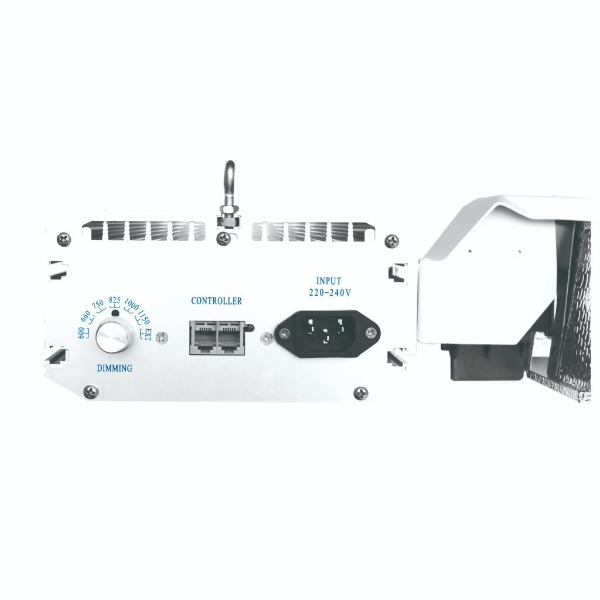
A reflector surrounds or sits near the lamp and helps direct light toward the intended growing space below it. Without a suitable reflector, some of the light may travel toward areas where it provides genuinely little practical value to the crop.
The reflector works as part of the fixture structure, rather than as an independent component bolted on separately. Its shape, surface, position, and relationship with the lamp all affect the resulting distribution pattern reaching the plants.
| Reflector Function | Effect on Lighting Arrangement |
|---|---|
| Directing light | Helps guide light toward the crop area |
| Shaping distribution | Influences how light spreads across the space |
| Supporting coverage | Helps match the fixture with the growing area |
| Controlling direction | Reduces unwanted light movement |
| Integrating with housing | Supports the overall fixture structure |
This relationship becomes genuinely important when several fixtures get installed across a greenhouse row by row. The reflector affects not only the area directly beneath one fixture but also how neighboring light patterns interact with each other. A practical design therefore needs to consider the reflector and the surrounding installation together, rather than viewing the lamp and fixture as separate pieces.
Reflector shape influences the direction in which light travels after leaving the lamp. A broad reflector may spread light across a wider area, while a genuinely more directed design can concentrate illumination within a particular zone instead.
Neither approach fits every greenhouse layout equally well. The appropriate shape depends on the space available, fixture position, crop arrangement, and desired coverage for that specific room.
A growing area with long planting rows, for example, may need a genuinely different distribution pattern from a compact space with plants arranged in a more concentrated area. The reflector should work with the layout, rather than forcing the layout to adapt around an unsuitable light pattern.
| Reflector Shape | Consideration | Possible Application |
|---|---|---|
| Wider spread | Larger open growing areas | |
| More directed spread | Defined planting zones | |
| Balanced distribution | Areas with several nearby fixtures | |
| Adjustable orientation | Layouts that may change over time |
Light distribution is also affected by the distance between the fixture and the plants below it. A reflector that works well at one installation height may produce a genuinely different coverage pattern when the fixture gets moved closer or farther away. This is why reflector selection should get considered together with fixture placement rather than in isolation.
A greenhouse rarely consists of one isolated lighting point sitting alone. Fixtures often get arranged across a genuinely larger growing area, so each unit becomes part of a wider lighting system working together.
If the coverage pattern is too narrow, gaps may appear between illuminated areas where plants receive less light. If the spread is too broad instead, light may reach pathways, walls, or other areas that don't contain plants at all.
The goal is creating a layout where neighboring fixtures work together without generating unnecessary overlap between them. A simple planning approach can consider the shape of the growing area alongside the location of planting rows. The position of greenhouse structures matters too, along with the spacing between fixtures and the direction of the reflector itself. Areas where plants may get added later deserve a look as well.
This type of planning can make the lighting arrangement genuinely easier to manage over time. It also helps buyers think beyond the individual fixture and consider how multiple units will function together across the room.
For Sodium Grow Light applications, this broader view proves genuinely useful because the lighting fixture needs to fit the physical environment where it will actually get installed.
Greenhouse space needs to accommodate plants, walkways, equipment, ventilation, and maintenance access all at once. Lighting fixtures must fit into this environment without creating unnecessary obstacles for workers moving through.
Reflector design can influence how fixtures get positioned above the growing area itself. A wider light spread may allow the fixture layout to cover a genuinely broader zone, while a more focused distribution may suit narrower planting arrangements instead.
The position of the fixture also affects how light reaches the edges of the growing area. If the reflector directs too much light toward the center, plants near the sides may receive a genuinely different lighting pattern from those sitting directly beneath the fixture.
A balanced layout can therefore involve genuinely more than simply placing fixtures at equal distances apart.
| Greenhouse Area | Reflector Planning Consideration |
|---|---|
| Central planting rows | Support consistent light distribution |
| Edge planting areas | Consider side coverage |
| Walkways | Avoid unnecessary light direction |
| Structural zones | Allow room for fixture installation |
| Maintenance paths | Keep access practical |
The greenhouse layout can change over time as planting arrangements get adjusted for different crops. A flexible fixture structure may therefore prove genuinely useful when the growing space is expected to serve different crop arrangements down the line.
It's genuinely easy to assume that producing more light automatically means covering a growing area more effectively. In practice, however, the direction of that light matters just as much as the quantity produced.
A lamp can produce a certain amount of light, but the reflector influences where that light actually travels once it leaves the bulb. Some of the available light may get directed toward the crop, while some may move outside the intended area entirely.
This distinction helps explain why reflector design deserves genuine attention when evaluating Grow Lights Sodium products on the market. The fixture should get considered as a complete system rather than a single component. Lamp type, reflector shape, housing structure, installation position, and greenhouse layout all interact with one another in practice.
A suitable reflector can help make the available light genuinely more useful within the intended coverage area, without changing the basic function of the lamp itself.
A reflector doesn't operate alone in the fixture. It gets attached to or integrated with the fixture housing, and the surrounding structure can influence how the complete unit gets installed and maintained over its working life.
The housing needs to support the reflector while providing a practical arrangement for the lamp and other fixture components sitting nearby. Access for cleaning and inspection can also influence the overall design significantly.
A fixture used in a greenhouse may get exposed to dust, moisture, temperature changes, and regular maintenance activity throughout the growing season. Its construction needs to suit the environment where it will genuinely operate day after day.
Useful design considerations include stable reflector attachment alongside practical housing structure. Accessible maintenance areas matter too, along with suitable mounting points and protection of internal components. Easy installation and removal round out the list worth checking.
These details can affect how the reflector performs in everyday use out in the field. A carefully shaped reflector may not provide the intended distribution if it becomes misaligned or genuinely difficult to maintain over time. For this reason, reflector design and fixture structure should get developed together from the start.
Edge coverage is a genuinely important part of greenhouse lighting because plants aren't always positioned directly beneath a fixture. Some rows sit closer to the wall than others.
A reflector that sends a large portion of light toward the center may leave the outer parts of the growing area genuinely less illuminated than the middle. A wider distribution pattern may help extend coverage toward these edge areas instead.
However, wider distribution also needs consideration alongside fixture spacing throughout the room. When neighboring fixtures sit placed close together, their light patterns may overlap in ways worth planning for.
The practical objective is creating a connected coverage area, rather than treating each fixture as an isolated light source floating on its own.
| Coverage Situation | Design Consideration |
|---|---|
| Central area | Avoid unnecessary concentration |
| Between fixtures | Manage overlapping light patterns |
| Greenhouse edges | Consider outward distribution |
| Irregular planting areas | Match reflector direction with crop position |
This becomes particularly relevant in greenhouses with long rows or irregular planting zones scattered throughout. The reflector should help the lighting arrangement follow the actual shape of the growing space rather than a generic grid.
Buyers considering High Sodium Grow Lights may pay attention to the lamp itself, but the surrounding fixture also deserves careful consideration during comparison. Reflector shape, fixture structure, mounting method, and coverage pattern can all affect how the product fits within an actual growing environment.
A useful comparison can begin with the intended application, rather than the fixture name alone printed on a spec sheet.
Buyers can ask where the fixture will actually get installed, and how the growing area is arranged around it. Whether the plants sit positioned in long rows or separate zones matters too, along with whether the reflector provides a suitable spread for that layout. Whether the fixture can be positioned and maintained easily deserves a look, along with whether the housing suits the greenhouse environment it's entering. Whether the layout could change later rounds out the practical questions worth asking.
These questions help connect product design with practical use in the actual greenhouse. A buyer may also need to distinguish between a fixture designed for broad coverage and one intended for a genuinely more concentrated lighting area. The difference isn't necessarily about quality between the two. It's about whether the light distribution genuinely matches the application it's serving.
The orientation of a reflector can influence where light gets directed once installed. Even when the reflector itself has a fixed shape, its position relative to the growing area can change the resulting coverage considerably.
This matters when fixtures get installed near greenhouse edges or above planting areas that aren't arranged symmetrically across the room. A slight change in orientation can redirect part of the light toward a genuinely different section of the growing space below.
This can prove genuinely useful when the physical layout doesn't allow fixtures to sit directly over the center of each planting zone. Installation planning should therefore consider both the reflector design and the mounting position together.
The fixture should remain stable during normal operation without shifting over time. A secure mounting arrangement also helps maintain a consistent relationship between the reflector and the growing area beneath it.
Greenhouses can vary genuinely greatly in shape and internal arrangement from one operation to another. A compact growing room may require a genuinely different fixture layout from a long commercial greenhouse with multiple planting rows stretching for meters.
Reflector design needs to fit the scale and structure of that particular space. A smaller area may benefit from a distribution pattern that keeps light within the available growing zone without spilling over. A larger greenhouse may require several fixtures working together across a genuinely wider area instead.
The same fixture can also behave genuinely differently depending on how it gets arranged with neighboring units nearby.
| Growing Space | General Reflector Planning |
|---|---|
| Compact area | Keep distribution within the usable zone |
| Long planting area | Consider row-based coverage |
| Wide greenhouse | Coordinate neighboring fixtures |
| Irregular space | Adjust orientation to suit the layout |
This shows why fixture selection should begin with the physical growing environment itself. Product features make genuinely more sense when they get connected to the space where the equipment will actually operate day to day.
A reflector can accumulate dust or residue during regular operation, particularly in environments where growing activities create airborne particles throughout the season. Changes to the reflector surface can affect how light gets directed across the growing area over time.
Regular inspection can help identify visible contamination, damage, or movement of the reflector before it becomes a bigger issue. Cleaning should follow the manufacturer's care instructions and should get performed with methods suitable for the materials used in the fixture.
Rough handling can create scratches or change the position of the reflector unintentionally. Maintenance can include checking reflector condition alongside removing suitable surface deposits when they build up. Inspecting mounting points matters too, along with checking fixture alignment and keeping surrounding areas accessible for the next check.
These simple actions can help maintain the intended relationship between the lamp, reflector, and growing area beneath it. Maintenance can also be easier when the fixture structure allows convenient access to the components that require attention.
Growing spaces aren't always fixed once installed. Planting rows may move, equipment may get added, and the use of a greenhouse can change genuinely over time as operations evolve.
A lighting system that allows some flexibility can make these changes genuinely easier to manage down the road. Reflector design can contribute to this flexibility by providing a distribution pattern that works with different fixture positions rather than one fixed setup.
A fixture that can get repositioned may also adapt genuinely more easily when the planting arrangement changes later on. For buyers, this means looking at the expected use of the greenhouse, rather than only the current layout sitting in place today.
An HPS Grow Light Fixture can become part of a genuinely larger lighting plan where fixture placement, reflector direction, and crop arrangement all get considered together from the start.
Reflector design affects how light moves from the lamp toward the growing area below it. It also interacts with fixture structure, mounting position, greenhouse dimensions, planting rows, and neighboring fixtures throughout the room.
For Sodium Grow Light and Grow Lights Sodium applications, these details can influence how easily the lighting system fits the intended environment it's entering. High Sodium Grow Lights also need consideration in relation to their fixture construction, rather than as a lamp category standing alone.
A practical selection process can therefore look at reflector shape, asking whether the light spread suits the growing area it's meant to cover. Coverage deserves review too, checking whether the distribution reaches the intended crop zones throughout the room. Fixture structure matters, confirming the unit can get installed and maintained practically over time.
Mounting needs checking as well, confirming the fixture can remain correctly positioned once installed. Greenhouse layout rounds out the list, checking whether the lighting arrangement fits existing pathways and planting rows. Future changes close the process, considering whether the lighting arrangement can adapt if the space changes later.
| Selection Area | Question to Consider |
|---|---|
| Reflector shape | Does the light spread suit the growing area? |
| Coverage | Does the distribution reach the intended crop zones? |
| Fixture structure | Can the unit be installed and maintained practically? |
| Mounting | Can the fixture remain correctly positioned? |
| Greenhouse layout | Does the lighting arrangement fit existing pathways and planting rows? |
| Future changes | Can the lighting arrangement adapt if the space changes? |
These factors give buyers a genuinely clearer way to understand what an HPS Grow Light Fixture needs to do in an actual greenhouse setting. The reflector is only one part of the system, but its role connects the lamp with the physical growing space in a genuinely direct way.

 英语
英语 俄语
俄语 德语
德语 西班牙语
西班牙语 法语
法语

.jpg?imageView2/2/w/800/h/800/format/webp/q/75)
.jpg?imageView2/2/w/800/h/800/format/webp/q/75)
.jpg?imageView2/2/w/800/h/800/format/webp/q/75)
.jpg?imageView2/2/w/800/h/800/format/webp/q/75)
.jpg?imageView2/2/w/800/h/800/format/webp/q/75)
-1.jpg?imageView2/2/w/800/h/800/format/webp/q/75)
.jpg?imageView2/2/w/800/h/800/format/webp/q/75)
-1.jpg?imageView2/2/w/800/h/800/format/webp/q/75)
.jpg?imageView2/2/w/800/h/800/format/webp/q/75)
-1.jpg?imageView2/2/w/800/h/800/format/webp/q/75)
-1.jpg?imageView2/2/w/800/h/800/format/webp/q/75)