

A greenhouse is more than a covered growing space. Its structure needs to support the covering, create an organized growing area, and provide a stable shape for daily use. The frame sits at the center of this structure.
Among different frame options, the Galvanized Pipe Greenhouse Frame is used in many types of greenhouse projects. It provides the basic structure around which other parts of the greenhouse can be arranged.
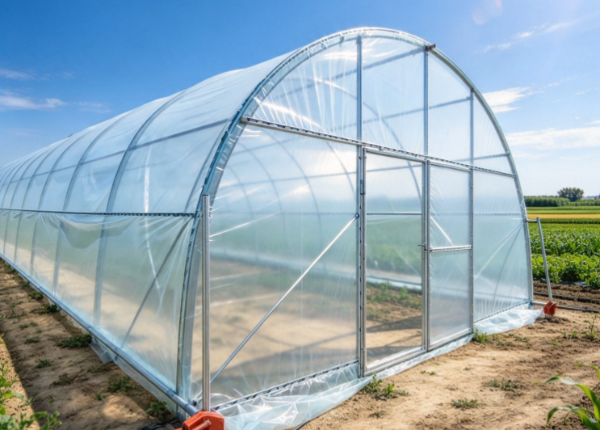
The frame may support a greenhouse covering, connect different structural sections, and help define the available growing space. Its role can change with the design of the greenhouse, but the main idea remains simple. It creates the framework that allows the rest of the greenhouse to come together.
For growers, greenhouse builders, and agricultural equipment buyers, understanding this role can make frame selection easier. It also explains why different greenhouse projects may require different frame designs.
A Galvanized Pipe Greenhouse Frame is a structural framework made from galvanized pipe and used to form the main shape of a greenhouse.
The frame can include upright sections, curved sections, connecting parts, and other structural elements. Together, these pieces create the basic outline of the growing space.
The greenhouse covering is then arranged around this framework. Depending on the project, the covering may be made from different materials and installed in different ways.
The frame therefore works as a foundation for the rest of the structure.
It is useful to separate the frame from the other parts of a greenhouse. The covering helps create the enclosed environment. Doors provide access. Ventilation parts can help manage air movement. Growing equipment supports the plants.
The frame has a different role.
It provides the structure that allows these elements to be positioned and used together.
The use of galvanized pipe also gives the frame a surface designed for outdoor agricultural environments. This makes galvanized pipe a practical material to consider when a greenhouse needs a structural system that can remain part of the growing space over an extended period.
The application of a galvanized pipe greenhouse frame can vary according to the type of growing project.
Some greenhouses are designed for household or small-scale growing. Others are used for commercial cultivation or plant production. There are also greenhouse structures designed for nurseries, seasonal growing, research-related cultivation, and other agricultural activities.
A galvanized pipe frame can be adapted to different structural layouts.
Common applications include:
| Application | Role of the Greenhouse Frame |
|---|---|
| Vegetable Growing | Creates the structure for a protected growing area |
| Flower Cultivation | Provides support for the greenhouse covering and growing space |
| Plant Nurseries | Helps organize an enclosed area for young plants |
| Seasonal Growing | Supports temporary or changing growing arrangements |
| Commercial Greenhouses | Forms part of a larger protected cultivation structure |
| Garden Greenhouses | Creates a practical structure for home or small-scale growing |
The frame itself does not determine what can be grown inside the greenhouse.
Instead, it creates the physical space in which the growing activity takes place.
This distinction is important when selecting greenhouse components. A frame should be considered according to the intended application, overall greenhouse design, and other parts that need to work with it.
A structure designed for one growing environment may not need exactly the same arrangement as another.
A greenhouse needs a defined shape before its covering and internal components can be installed.
This is where the frame becomes important.
The frame creates the outline of the greenhouse. Vertical sections can define the sides. Curved or connected sections can create the roof shape. Other parts can connect these sections and help keep the structure organized.
The covering then follows the shape created by the frame.
The frame does not work alone. It becomes part of a larger system.
For example, a greenhouse may need doors positioned at specific locations. It may also include ventilation openings, internal growing areas, irrigation equipment, or other supporting components.
The frame needs to leave enough room for these features.
This is why greenhouse design should not focus on the frame as an isolated product. The structure needs to work with the intended use of the entire greenhouse.
A well-planned frame can make the rest of the installation easier to organize. It gives the greenhouse a clear physical structure and provides points around which other components can be arranged.
Greenhouses are commonly placed outdoors. Their frames therefore need to remain exposed to changing environmental conditions.
Galvanized pipe is used because the surface treatment provides additional protection for the metal.
This is particularly relevant in greenhouse environments, where moisture can be part of normal daily operation. Water may come from irrigation, cleaning, humidity, or outdoor weather.
The galvanized surface helps protect the pipe from corrosion and makes it suitable for structural use in many agricultural settings.
However, material selection is only one part of greenhouse design.
The shape of the frame also matters. Connection methods, structural arrangement, greenhouse size, covering material, and intended use all influence the overall design.
A galvanized pipe frame should therefore be viewed as one component within a complete greenhouse structure.
Its value comes from how it fits into that structure.
For buyers, this can lead to a more practical purchasing approach. Instead of asking only whether galvanized pipe is suitable, they can also ask whether the particular frame design fits the greenhouse project.
That question connects material choice with actual application.
Greenhouses do not all have the same appearance.
Some use curved roofs. Others have more traditional shapes. Some are compact and designed for limited growing areas. Others are built around larger cultivation spaces.
Galvanized pipe can be used in different frame arrangements because pipes can form connected structural sections.
The design can be adjusted according to the intended greenhouse layout.
For example, a simple growing structure may use a straightforward frame arrangement. A greenhouse intended for a more organized growing operation may include additional structural sections to support its layout.
The covering also influences the frame design.
A flexible covering may follow a curved frame. A different greenhouse design may require another arrangement. Doors, ventilation areas, and internal equipment can also affect how the frame is organized.
This creates a useful relationship between structure and application.
| Greenhouse Consideration | Possible Influence on Frame Design |
|---|---|
| Growing Space | Determines the general structure of the greenhouse |
| Covering Material | Influences how the frame supports the covering |
| Access Points | Affects the arrangement of frame sections |
| Ventilation | Requires suitable space within the greenhouse structure |
| Internal Equipment | May influence available structural space |
| Growing Method | Can affect the overall greenhouse layout |
The frame should therefore be selected with the greenhouse design in mind rather than treated as a standard part that fits every project in exactly the same way.
Growing needs can change from one project to another.
A greenhouse used for vegetables may have different internal arrangements from one used for flowers. A nursery may need space for young plants and working areas. A home greenhouse may focus on simple access and convenient use.
The frame needs to accommodate these differences.
Its role is not to determine the entire growing method. Instead, it provides the structure that makes different layouts possible.
This flexibility can be useful when planning a greenhouse.
A grower may want more open space in one area and additional internal organization in another. The frame can be designed around those requirements. Openings, access points, and supporting structures can also be considered during the planning stage.
This approach moves the conversation away from simply asking, "Which frame should I buy?"
A more useful question is, "What kind of growing space am I trying to create?"
Once the intended space is clear, the frame can be considered in relation to it.
This is also relevant to greenhouse suppliers. Different customers may have different structural needs. Offering frame options that can fit several applications can make it easier to respond to these requirements.
The right frame depends on more than the material.
Buyers can begin by looking at the intended use of the greenhouse. This gives a basic direction for the rest of the selection process.
Several practical questions can help.
Vegetables, flowers, seedlings, and other plants can require different growing arrangements.
Understanding the application helps define the type of structure that makes sense.
The covering and frame need to work together. A buyer should consider how the covering will be attached and supported by the frame.
Access is easy to overlook during early planning.
Doors, pathways, working areas, and internal equipment can influence the frame arrangement.
A greenhouse frame remains outdoors and may encounter moisture, wind, rain, and changing temperatures.
Material and structural design should therefore be considered in relation to the intended environment.
Some growers may expand or adjust their growing space over time.
If future changes are expected, a frame design that allows practical adjustment may be worth considering during the planning stage.
These questions help shift attention from individual product features to the actual needs of the greenhouse.
Greenhouse construction is not limited to one type of growing operation.
As growing methods and project layouts change, structural components need to accommodate different requirements. This creates room for more varied frame designs.
A galvanized pipe greenhouse frame can be part of this flexible approach.
Its basic function remains structural, but its arrangement can vary according to the greenhouse project. The same material category can therefore appear in different types of structures.
This is useful for both growers and greenhouse builders.
For growers, the frame can be selected around the space they want to create. For builders, different frame arrangements can provide more options when developing greenhouse structures for different customers.
The key is to consider the frame as part of the complete growing environment.
A greenhouse is made up of connected elements. The frame supports the covering. The covering helps create the protected space. Doors provide access. Ventilation features influence air movement. Internal equipment supports the growing process.
When these parts are planned together, the purpose of the frame becomes clearer.
The Galvanized Pipe Greenhouse Frame is not simply a collection of pipes. It is the structural framework around which a greenhouse can be organized, adapted, and used for different growing applications.

 英语
英语 俄语
俄语 德语
德语 西班牙语
西班牙语 法语
法语

.jpg?imageView2/2/w/800/h/800/format/webp/q/75)
.jpg?imageView2/2/w/800/h/800/format/webp/q/75)
.jpg?imageView2/2/w/800/h/800/format/webp/q/75)
.jpg?imageView2/2/w/800/h/800/format/webp/q/75)
.jpg?imageView2/2/w/800/h/800/format/webp/q/75)
-1.jpg?imageView2/2/w/800/h/800/format/webp/q/75)
.jpg?imageView2/2/w/800/h/800/format/webp/q/75)
-1.jpg?imageView2/2/w/800/h/800/format/webp/q/75)
.jpg?imageView2/2/w/800/h/800/format/webp/q/75)
-1.jpg?imageView2/2/w/800/h/800/format/webp/q/75)
-1.jpg?imageView2/2/w/800/h/800/format/webp/q/75)