Custom Grow Bags

  • Breathable aeration nonwoven cloth planting pots ensuring healthy vegetable root growth.
  • Reusable fabric nursery pots with reinforced webbing handles for effortless relocation.
  • Multi-color eco-friendly felt planting containers suitable for garden patio setup.
  • Thickened aeration smart fabric pots with durable handles for commercial cultivation.
Breathable felt plant pots in various colors with an extra-large vegetable tree bag.

Grow Bag

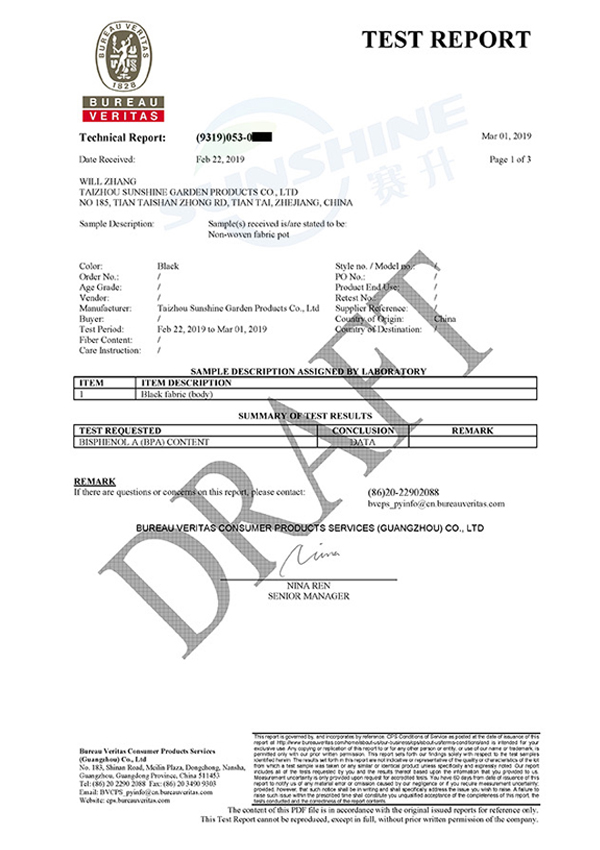
The Grow Bag is a really practical little fabric container built for planting veggies, flowers, fresh herbs, or whatever else you have growing. We went with a non-woven felt cloth for the main build because it lets air circulate around the root zone, which does a decent job of bleeding off excess moisture so your soil doesn't get waterlogged. The flexible fabric frame makes planting, moving, and storage completely un-fussy compared to wrestling with heavy, rigid plastic pots.You can get them in a bunch of usable sizes from 1 clear up to 1000 gallons, meaning they handle small backyard projects or massive industrial farming jobs just fine. Its lightweight, reusable layout means you can wash it down and throw it right back into production next season, and you can easily tweak the dimensions or colors for custom OEM and ODM orders.

Contact us

  • Details
  • leave a message
  • Gallon (US)

    Litre
    (UK)

    Size in Inch
    (Diameter x Height)

    Handles or not

    1Gal

    5L

    6''x7.5''

    No

    2Gal

    9L

    8''x8''

    No

    3Gal

    14L

    10''X8.8''

    Yes

    5Gal

    23L

    12''X10''

    Yes

    7Gal

    32L

    13.8''x11.8''

    Yes

    10Gal

    45L

    15.8''x11.8''

    Yes

    15Gal

    68L

    17''x15''

    Yes

    20Gal

    91L

    20''x15.8''

    Yes

    25Gal

    114L

    21''x16.5''

    Yes

    30Gal

    136L

    24''x16.5''

    Yes

    40Gal

    182L

    27.6''x15.7''

    Yes

    45Gal

    205L

    27''x18''

    Yes

    50Gal

    227L

    31'x17''

    No

    65Gal

    195L

    32''x18''

    No

    80Gal

    364L

    36.2''x18''

    No

    100Gal

    455L

    38''x20''

    No

    150Gal

    682L

    45''x22''

    No

    200Gal

    909L

    50''x24''

    No

    300Gal

    1364L

    60''x24''

    No

    400Gal

    1818L

    70''x24''

    No

    500Gal

    2273L

    80''x24''

    No

    600Gal

    2728L

    84'x24''

    No

    1000Gal

    4546L

    105''x24''

    No

  • If you want to know us, please contact us!

    We always adheres to the quality policy of "Innovation is infinity, to keep improving",adhering to the enterprise tenet of "Veracity,Customer regarded supreme".

    • Company.
    • E-mail*.
    • Name*.
    • Phone.
    • Message*.
About Sunshine
Since 2011
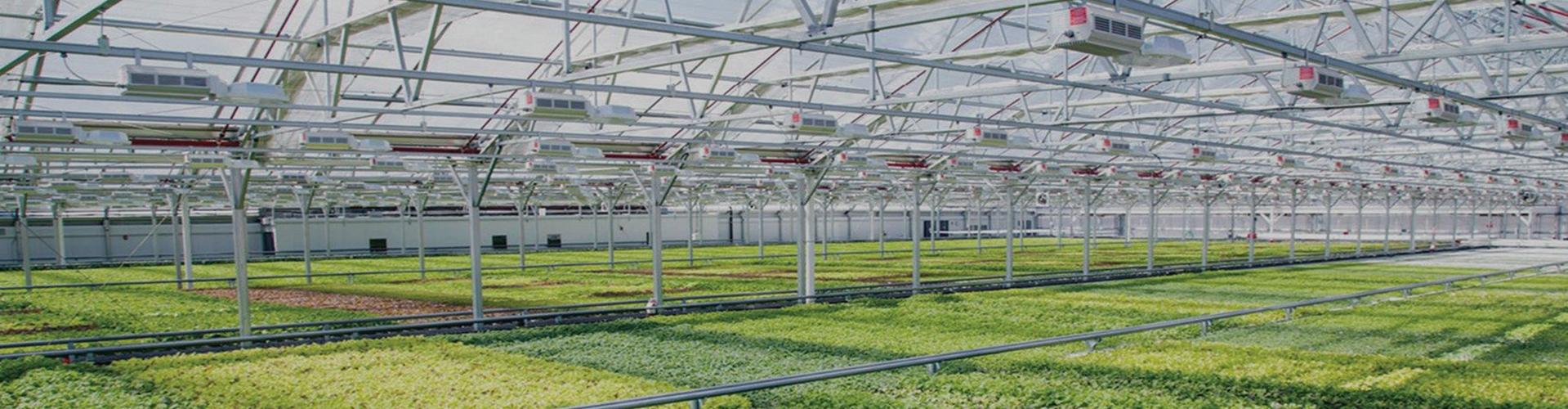
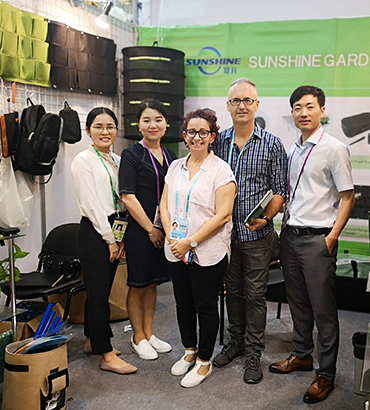
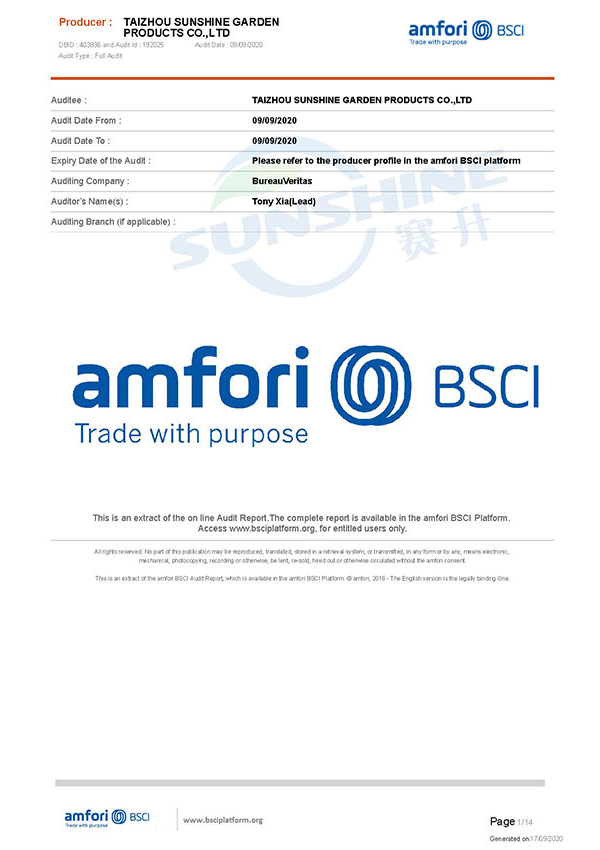
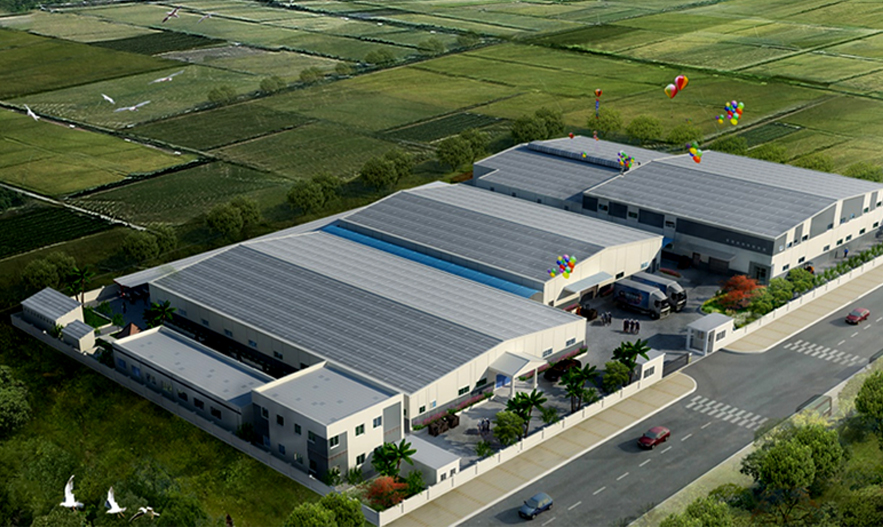
SUNSHINE GARDEN is leading in manufacturing home garden and hydroponic grow equipment in China with 12 years OEM & ODM experience. We are famous Custom Grow Bags supplier and manufacturer in China. Our main products can be divided into two series, including Hydroponic Grow Equipmentslike Full completed grow tents and kits, Grow tables and trays, Grow bags, Seeding propagation, another series is Home Garden Products like Mini Greenhouses, Hanging planters, Garden waste bags and so on. Custom made Grow Bag to help build your perfect garden and hydroponic grow system.
View More

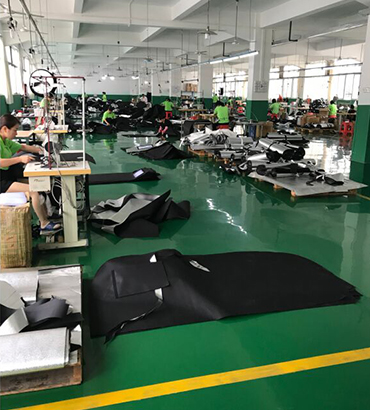
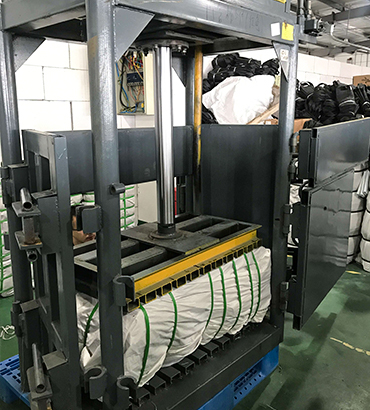
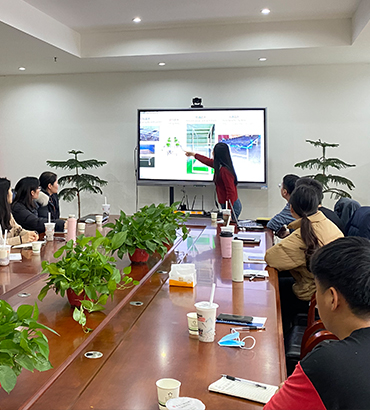
Factory Tour

Offers everything you need to build complete gardening and hydroponic systems.

News
Common Ventilation Problems That Affect Indoor Grow Tent Performance
Nov 20.2026
A grow tent gives you a controlled space to grow plants in any season. You decide how much light they get, and you can steer temperature, humidity, and the rest. Holding those conditions steady is the hard part, and ventilation is the piece people most often skip over during setup and daily use. You can have a good light, plenty of room, and a sensible layout, and still end up with poor airflow. Stale air, damp conditions, hot spots, and strong smells are the usual giveaways. They tend to creep in slowly, so you may not notice anything until the plants start to look off. Grow Tent with Ventilatio isn't just pushing air in and out. It's a balance between fresh air coming in, exhaust air going out, and circulation inside the tent. Each has its own job, and a fault in one can drag down the whole space. Once you know the common problems, it's much easier to trace poor airflow to its source and fix it. Why Does Ventilation Matter in an Indoor Grow Tent? A grow tent is a closed box. Outdoors, wind keeps the air moving. Inside a tent, air exchange depends almost entirely on the ventilation design and the equipment you put in it. Plants keep changing the air around them as they grow. They take in carbon dioxide and give off moisture. Lights and other gear add heat on top of that. Without decent airflow, the conditions inside slowly drift. Good ventilation covers several needs: Fresh air supply: Intake brings in new air and keeps carbon dioxide available. Heat management: Moving air stops heat from piling up around the light and the canopy. Moisture control: Exhaust carries off humid air before it builds up. Air circulation: Internal fans stir the air and cut down on dead spots. Odor management: A proper airflow path sends smells through a filter. These jobs overlap but can't stand in for each other. An exhaust fan pulls out warm air, while a circulation fan only moves the air that's already there. Neither does the other's work. A well-planned system handles air exchange and internal movement together. If one part is missing or badly placed, trouble can appear even when everything else seems to run fine. What Causes Insufficient Fresh Air Intake? This is a frequent problem in sealed growing spaces. It happens when too little air can enter to replace what the exhaust is pulling out. Many growers put all their attention on the exhaust fan, since it removes the warm, damp air. But air needs a clear path in as well. If intake openings are blocked, squeezed, or badly placed, the exhaust can't keep up a steady flow. A few things commonly cause it. Blocked ventilation openings Tents usually have mesh vents, sleeves, and adjustable openings so you can set up intake to suit your gear. Walls, stored items, or folds of fabric can easily end up covering them. A tent pushed up against a wall may have its lower vents starved of air. That weakens passive intake and changes the whole airflow pattern. Poor intake positioning Where the intake sits matters too. If fresh air comes in right next to the exhaust outlet, it can leave again before it ever reaches the plants. That's a short, wasteful loop. Restricted surrounding space Open vents don't help if the room itself is stuffy. When the room is warm, humid, or has little air movement, the tent has nothing good to draw in. Common Intake Problem Possible Effect Practical Adjustment Blocked air openings Restricted fresh air supply Keep ventilation ports clear Poor intake location Uneven air distribution Review the position of intake openings Limited surrounding airflow Less effective air exchange Improve ventilation in the surrounding room Folded or compressed vent sleeves Reduced airflow access Keep ventilation paths unobstructed If the exhaust fan is running but the tent still feels stuffy, look at the intake first. The fan may be fine. What's missing could be a path for replacement air. How Does Poor Exhaust Ventilation Affect Grow Tent Conditions? Exhaust ventilation takes warm, humid, stale air out of the tent. When it falters, those conditions build up. Heat is the obvious sign. Grow lights and electrical gear warm the space as they run. If that air can't get out, the temperature climbs, and plants near the light or high in the tent feel it most. Moisture is the other big one. Water evaporates from the growing medium and surfaces, and the plants release more. If that humid air stays put, the tent gets steadily damper. Damp air invites mold and other moisture problems. It can also affect leaves, nearby materials, and the tent interior. A few things commonly hurt exhaust performance: Incorrect fan placement: A badly placed fan may miss the spots where warm air collects. Blocked ducting: Kinked, crushed, or clogged ducts slow the air. Dirty filters: Dust and buildup restrict flow through the filter. Poor outlet positioning: An outlet too close to an intake can send discharged air straight back in. Unsuitable equipment arrangement: A system that doesn't fit the tent layout struggles to move air well. The exhaust also has to work with the room around it. Pulling air out is only half the job. That air needs somewhere to go, and replacement air has to be available. If temperature or humidity problems won't go away, check the whole exhaust route before buying a new fan. Why Does Uneven Airflow Develop Inside a Grow Tent? Intake and exhaust can both work well and some parts of the tent can still sit in dead air. This uneven airflow is hard to spot because the overall readings may look fine. Layout has a big effect on where the air goes. Plants, shelves, pots, lights, and accessories all get in the way. The more crowded the tent, the harder it is for air to get through. Dense foliage, for example, can block flow between plants. Air may move freely near the door while the lower leaves or the area behind a big pot stay still. You end up with different temperature and moisture levels in different corners. Circulation fan placement matters as well. A fan pointed at one spot gives strong movement there and little elsewhere. Adding more fans doesn't automatically help. Where they sit and which way they point has to suit the layout. To find uneven airflow, look around the whole tent and not just near the entrance. Signs include: Leaves in one area staying unusually wet. Moisture collecting in corners or behind equipment. Clear temperature differences between the top and bottom. Strong airflow near fans but little elsewhere. Crowded plant growth cutting off access to surrounding air. Circulation fans should give gentle, spread-out movement. Avoid a constant harsh blast aimed straight at the plants. You may also need to adjust the layout now and then. Moving equipment, spacing out pots, or turning a fan can restore airflow without redoing the whole system. Can Excessive Humidity Lead to Ventilation Problems? Humidity and ventilation are closely linked, but airflow isn't the only thing that sets humidity. How much moisture the plants release, how warm the room is, and the overall setup all play a part. If moisture enters the air faster than ventilation can remove it, humidity creeps up. That's most noticeable in a closed tent with dense plants, wet media, or poor air exchange. High humidity brings several practical problems. Moisture accumulation Water vapor condenses on cooler surfaces such as tent walls, ducts, and nearby equipment. Constant condensation wears on the enclosure and adds to maintenance work. Mold and mildew development Damp conditions encourage fungal growth. Leaves that stay wet for long periods are also more open to certain plant diseases. Reduced environmental stability Too much humidity makes steady growing conditions harder to hold. Even if the temperature looks fine, moisture levels can shift as plants grow and release more water. Problems around equipment Electrical parts, metal fittings, and fabric surfaces need more attention when moisture stays high. Humidity-Related Issue Possible Cause Ventilation Consideration Persistent dampness Limited air exchange Review intake and exhaust arrangements Condensation on tent walls Moist air meeting cooler surfaces Improve moisture removal and inspect room conditions Mold around plant areas Stagnant, humid air Improve internal circulation Damp ventilation components Moisture accumulation Check airflow paths and surrounding conditions Keep in mind that not all excess moisture is a ventilation fault. The system may be working, yet heavy watering, wet materials, or a humid room can still keep conditions too damp. Measure humidity in several spots. A single reading beside the exhaust fan won't tell you the full story. Why Do Grow Tents Develop Negative or Unbalanced Air Pressure? Air pressure in the tent depends on how incoming and outgoing airflow compare. If the exhaust pulls out air faster than fresh air arrives, the tent develops negative pressure. Some negative pressure is normal and even useful, since it keeps odors from leaking out through small gaps. Too much, though, usually means the intake is restricted or the setup needs adjusting. The visible sign is tent fabric sucked inward. Soft-sided tents often flex a little when the exhaust runs. If the walls are badly crushed in, the fan is probably drawing air through too few openings. That can cause trouble: Air may sneak in through unintended gaps instead of the proper ports. Fabric panels may collapse inward and cut your usable space. Airflow gets harder to spread evenly. The exhaust fan may work less effectively. Noise may rise as air squeezes through tight openings. Positive pressure can happen too, when more air comes in than goes out. Then air leaks out through seams, zippers, and other small gaps. Neither condition should be judged alone. The right balance depends on the tent structure, filtration, surroundings, and the airflow direction you intend. Look at the fabric, the intake, and the exhaust together. That shows whether the imbalance comes from blocked airflow or from the way the equipment is arranged. How Can Ventilation Noise and Odor Problems Be Addressed? Noise and odor affect daily use of a tent. They don't always mean growing conditions are bad, but they often point to a problem with the equipment or the airflow. Noise usually comes from fans, ducts, filters, and how they're mounted. A fan fixed against a rigid frame can pass vibration into the whole tent. Loose duct joints rattle when air moves through. Restricted airflow adds noise too. Air forced through a narrow or blocked opening gets louder and less steady. Some practical checks: Inspect fan mounting points for loose fittings. Look for sharp bends or crushed sections in ducts. Keep vents free of obstructions. Make sure nothing vibrates against nearby surfaces. Clean filters and other parts according to their maintenance needs. Odor has a different cause. Plants and growing materials give off smells, especially in a closed space. If the exhaust isn't connected to a proper filter, those smells spread into the room. Carbon filters are the usual fix. How well they work depends on correct installation, enough airflow, and regular upkeep. A filter in the wrong spot, a loose duct joint, or a damaged part can let air bypass the filter entirely. A filter at the end of its life also stops controlling odor. Check the whole airflow route instead of blaming the filter alone. Odor control depends on the fan, ducting, filter, and tent openings working together. What Should Growers Check When Choosing or Maintaining a Ventilated Grow Tent? Many ventilation problems start at the buying or setup stage, or from neglect later. A tent may have lots of vents, but they only help if they suit the way you plan to grow. When assessing a ventilated tent, think about how its structure matches the equipment you intend to use. Ventilation opening design The tent should have suitable ports for intake, exhaust ducts, and other accessories. Adjustable openings give you room to change things when equipment moves. Port location matters. The layout should let air enter and leave without forcing it into an overly short path. Fabric and frame structure The frame must support the ventilation gear in regular use, and the fabric should fit snugly around sleeves and access openings. Loose connections or ill-fitting openings cause air leaks. These upset airflow direction and make odor control harder. Internal space and equipment layout There should be room for plants, lights, fans, filters, and accessories without creating obstacles. A crowded tent can choke airflow even if its ventilation design is good. Plan the layout before you install anything. Maintenance accessibility Ventilation gear needs regular checks. Filters collect particles, ducts get dirty, and fan connections work loose. A practical tent lets you reach these parts without taking the whole setup apart. Use this checklist for routine inspections. Inspection Area What to Check Why It Matters Air intake Blockages and opening conditions Supports fresh air entry Exhaust fan Operation and unusual noise Helps identify airflow problems Ducting Bends, loose connections, and dirt Maintains a clear exhaust path Circulation fans Position and direction Reduces stagnant air areas Carbon filter Condition and installation Supports odor management Tent fabric Gaps, damage, and deformation Helps maintain the intended airflow arrangement Interior layout Crowded plants and blocked spaces Allows air to move around the growing area Regular checks beat waiting for problems to show. As plants grow and equipment moves, the original airflow pattern may stop fitting the tent. A setup that works well early on may need changes later. Plant size, foliage density, moisture output, and equipment placement all shift the conditions inside. Keep those changes in mind and you'll be able to hold a stable growing environment without leaning on the ventilation gear alone.
What is a good small shed for bike storage?
Nov 18.2026
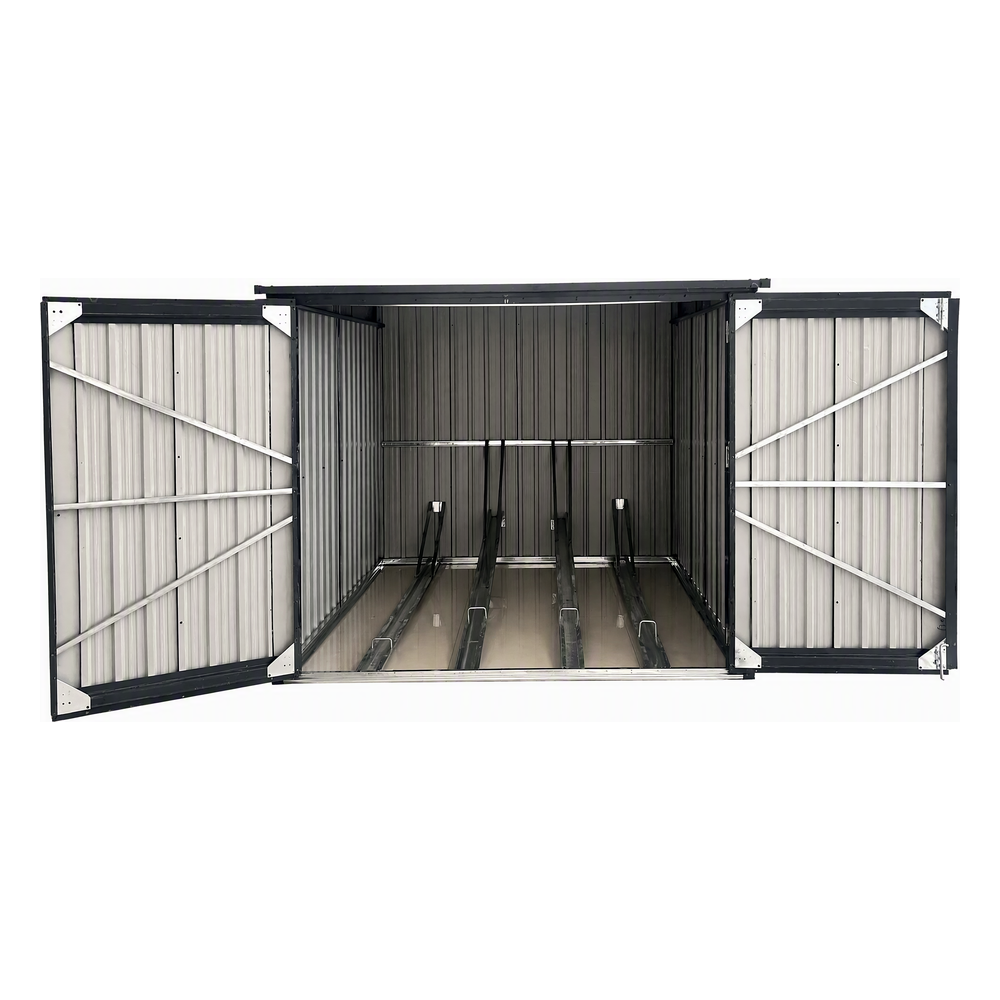
For a small shed dedicated to bike storage, there is no single ideal model—the right choice depends on whether you prioritize security, portability, or budget. Below is a breakdown of practical small shed types for bikes, categorized by their core strengths. For Maximum Security: All-Metal ShedsIf theft prevention is your top concern, a rigid metal shed is the way to go. These are heavy, lockable, and designed to resist both weather and tampering. All-Metal Construction: Look for sheds made from galvanised steel, which offers good resistance to rain and wind. A well-built metal shed with a full metal floor and a cylinder lock, weighing over 100kg, can help deter thieves. Key Trade-off: These are permanent structures that require a solid, level base (like concrete or tarmac) for installation. They also tend to be more expensive and can suffer from condensation if not ventilated. For a Balance of Cost and Rigidity: Galvanised Steel ShedsThese offer a middle ground. They are more affordable than premium security sheds but still provide a rigid, lockable structure. Practical Features: Look for models with sloping roofs for water runoff and double doors for easier access. A typical small model can fit two bikes and often includes features like a built-in bike rack or a cylinder lock. Watch the Details: Pay attention to the internal dimensions. Some sheds recommend bikes no longer than 180–185cm to fit comfortably without hitting the door. Check if anchoring kits are included, as they are essential for stability. For Renters or Tight Budgets: Bike Tents (Fabric Sheds)If you need something portable, easy to set up without tools, or budget-friendly, a fabric tent is a flexible option. Portability and Ventilation: These are lightweight (some under 8 lbs) and can be assembled by one person in minutes. Crucially, look for models with ventilation. A sealed fabric box creates condensation, which rusts bikes. Tents with mesh windows or roll-up doors promote airflow. Material Matters: Check for a decent waterproof rating (e.g., PU4000mm or higher) and UV protection. Keep in mind that while they keep rain off, security is minimal, and strong winds can damage them if not anchored well. Key Considerations for a "Small" ShedBefore buying, keep these points in mind to avoid a frustrating purchase: Measure the Door, Not Just the Floor: A shed might fit two bikes on paper, but if the door opening is narrow, wrestling them in and out daily will be a hassle. Double doors or a wide roll-up opening are much more practical. Ventilation is Non-Negotiable: Trapped moisture is the enemy. Whether you choose metal or fabric, ensure there is a way for air to circulate to prevent condensation from rusting your bike's components. Check the Base Requirements: Metal sheds often need a hard, level base (concrete, paving), while tents can be staked into grass or soil. Factor this preparation into your budget and time.
What Role Does Ventilation Play in Custom Grow Tent Design
Nov 13.2026
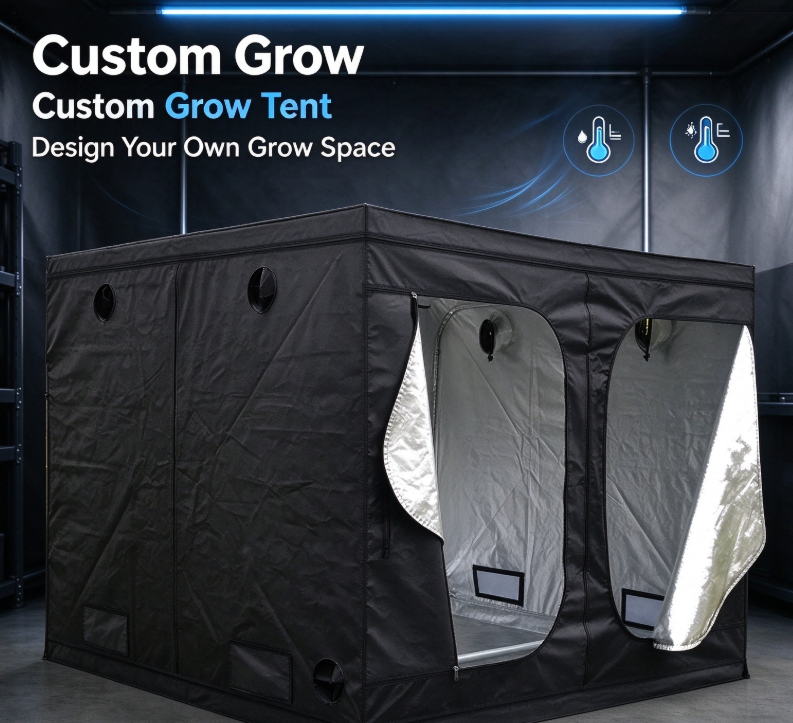
Indoor growing takes more than a good space and the right lighting. Plants also need air that moves, heat that can escape and moisture that can be managed. Inside an enclosed growing area, these conditions can shift fast. Without enough airflow, the space can turn hot, damp or stuffy. A custom grow tent gives plants an enclosed place to grow indoors. Its structure, fabric, openings and internal layout all shape how air travels through it. Ventilation is therefore a core part of grow tent design. It affects the internal environment and decides how easily users can control growing conditions. For manufacturers, ventilation isn't just a matter of cutting a few holes in the fabric. The positions of air inlets, exhaust ports, fan openings and other accessories have to fit the overall structure. A well-planned design also has to consider installation, maintenance and compatibility with different ventilation equipment. Indoor growing needs are getting more varied, and custom tents are expected to suit different room layouts, plant arrangements and environmental control methods. Understanding what ventilation does helps manufacturers build products that are practical, adaptable and right for their intended use. Why Is Ventilation Important in Custom Grow Tent Design? Ventilation keeps air moving inside an enclosed growing space. When air sits still for long periods, heat and moisture build up. That makes conditions uncomfortable for plants and harder for users to manage. Plants interact with the surrounding air throughout their growth. They take in carbon dioxide and give off moisture through natural processes. In an enclosed space, the air has to be refreshed so these processes can happen in a suitable environment. Heat management is another reason. Lighting, electrical devices and other accessories generate heat while running. If warm air can't escape, the internal temperature climbs. That can affect plant development and make the space harder to manage. Moisture control depends on good airflow too. Watering, plant growth and evaporation raise humidity inside a tent. When moist air stays trapped, condensation can form on internal surfaces, and excess moisture can encourage unwanted mold. Ventilation swaps internal air with air from the surrounding room. It helps clear out built-up heat and moisture and supports a more consistent growing environment. So a custom grow tent should account for ventilation from the very start. Adding openings after the main structure is done can limit placement, size or equipment compatibility. Early planning makes it easier to fit airflow needs into the fabric panels, frame and internal layout. How Do Air Inlets and Exhaust Openings Work Together? A grow tent ventilation system generally does two jobs: bringing fresh air in and pushing used or warm air out. The two have to work together to keep air moving continuously. Air inlets are the entry points for fresh air. They're often placed low on the tent, since cooler air tends to come in from the surrounding room. The exact position depends on the tent design, nearby equipment and the intended airflow arrangement. Exhaust openings let warm or humid air leave. They usually sit higher, because warm air rises. That arrangement helps air travel through the growing space. The relationship between the two matters. If inlet and exhaust positions are poorly planned, air may run straight from one opening to the other without reaching the whole interior. Some sections then get little airflow. A practical design looks at how air moves around plants, shelves, lights and other equipment. The goal is circulation across the whole growing area, not airflow in just one corner. Manufacturers also need to consider whether users will rely on natural air movement or install mechanical ventilation. A simple tent may use basic openings, while a more customized product may include several ports for fans, ducts or air filters. Openings should be easy to reach and compatible with the equipment they serve. Their placement should also stay clear of doors, viewing panels and other functional areas. How Does Ventilation Help Control Temperature and Humidity? In an indoor growing environment, temperature and humidity are closely linked. A change in one can influence the other. Ventilation lets users manage both by letting internal air move and exchange with the surroundings. Heat builds up when equipment runs inside an enclosed tent. Lighting is a common source, but other electrical devices contribute too. With limited airflow, warm air can stay trapped in the upper section or around equipment. An exhaust system helps remove some of that heat. Fresh air entering through the inlet replaces what's been removed. This exchange reduces heat buildup and keeps the internal environment more manageable. Humidity is a different challenge. Watering and plant activity release moisture into the air. When it can't escape, humidity rises, and condensation can form on tent walls, accessories or other cool surfaces. Ventilation carries moist air out of the enclosure. Airflow alone doesn't guarantee suitable humidity, though. The surrounding room, watering habits, plant density and other factors also play a part. Grow tent design should make it possible to connect suitable ventilation equipment without leaving needless gaps. Poorly fitted openings can allow uncontrolled air movement and weaken the user's control over the environment. Manufacturers should also consider how the tent fabric responds to internal and external conditions. The material has to stand up to regular use while keeping its shape. A suitable structure holds ventilation openings in their planned positions and prevents trouble during equipment installation. What Should Manufacturers Consider When Positioning Ventilation Ports? Port placement affects how easily users can install equipment and manage airflow. It should follow the complete tent layout, not just the look of the outer structure. Lighting location is one factor. Lights often occupy the upper part of a grow tent, so exhaust ports should let warm air leave without getting in the way of the equipment. The design should also leave room for connecting ducts and other accessories. Inlet position matters as well. Inlets should let fresh air in without being blocked by plant containers, shelves or other objects. Put an inlet too close to an obstruction and it can't do its job. Manufacturers should think about how users will route ventilation accessories. A port that's hard to reach makes installation and adjustment a nuisance, especially when the tent sits in a narrow room or against a wall. Several design details deserve attention: Port placement: Inlet and exhaust openings should support a practical airflow route through the enclosure. Port compatibility: Openings should suit the fans, ducts and accessories expected in the intended application. Access: Users should be able to connect and adjust equipment without difficulty. Fabric reinforcement: Areas around openings may need extra support to reduce tearing or deformation. Closure design: Unused ports should be closable to limit unwanted air exchange. Internal clearance: Ventilation equipment shouldn't interfere with lighting, shelves or plant arrangements. A well-planned port layout makes a grow tent easier to use. It also helps manufacturers offer a product that handles different equipment setups without major changes to the main structure. How Do Grow Tent Materials Affect Airflow and Ventilation? The fabric and structural materials in a grow tent affect how well the enclosure supports ventilation. The ventilation system moves the air, but the tent itself has to hold a suitable shape and give reliable connections for the equipment. Grow tent fabrics are often chosen for how well they enclose the space and manage internal light. Surface characteristics, flexibility and construction all affect performance in regular use. The fabric should handle repeated opening, closing and equipment installation. Ventilation ports may get used often, so the surrounding material must resist handling damage. Reinforced edges and secure stitching help preserve the structure around these openings. The frame plays a role too. It supports the fabric and keeps the enclosure in its intended shape. If the frame becomes unstable, the fabric may sag or pull around the ports, making it harder to connect equipment or keep openings where they were planned. Port covers and closures matter as well. They let users control openings that aren't in use. A practical closure should be easy to operate and fit snugly against the surrounding fabric. Some designs also include internal reflective surfaces. They help manage light inside the enclosure, but they shouldn't block ventilation openings or interfere with equipment placement. Material selection should consider the whole operating environment. Manufacturers need to balance flexibility, durability, light control and ease of assembly. A material that works well in one area may need extra reinforcement or design changes in another. Can Custom Grow Tents Support Different Ventilation Systems? Indoor growing spaces differ in their ventilation needs. A small tent for a few plants may need only a simple setup. A larger enclosure with several pieces of equipment may need a more developed airflow system. That's one reason grow tents are useful. Openings, internal layout and structural details can be adjusted to match different equipment requirements. Instead of making users work around a fixed design, customization can supply suitable connection points for the intended ventilation setup. Some users prefer a basic exhaust fan connected to an external duct. Others need room for extra circulation fans or filtration equipment. The tent should be designed so these accessories can be installed without blocking access or putting needless strain on the fabric. Air filters may also be part of the arrangement. When filtration is needed, the design should account for where the filter goes and how it connects to the exhaust system. The frame and fabric must support the equipment without excessive sagging. The table below outlines common ventilation components and their roles: Ventilation Component Main Function Design Consideration Air inlet Allows fresh air to enter Position and opening access Exhaust fan Removes internal air Suitable port placement and equipment support Circulation fan Moves air within the tent Internal clearance and mounting options Duct connection Directs air between equipment and openings Port compatibility and secure fitting Air filter Helps treat air passing through the system Installation space and connection access Port cover Closes unused openings Easy operation and suitable fit Not every grow tent needs all of these components. The right arrangement depends on the growing environment, equipment choices and user preferences. Manufacturers should discuss these requirements with customers before developing a custom product. Knowing the intended ventilation equipment helps decide the number and location of openings, the reinforcement needed and the internal space available. What Common Ventilation Problems Should Grow Tent Designers Avoid? Ventilation problems can come from equipment choices, poor layout or limits in the tent structure. Some only show up after the tent is installed and in use. Thinking about them at the design stage saves customers trouble. One common issue is insufficient air exchange. Without suitable inlet and exhaust openings, warm or humid air stays inside. The ventilation system may also struggle if nearby objects block the openings. Poor airflow distribution is another. Air may rush through one area while other sections stay nearly still. That can happen when inlet and exhaust ports sit too close together or when internal equipment blocks the airflow route. Loose connections hurt ventilation too. If a duct doesn't fit securely into a port, air leaks around the joint. That weakens control over airflow and causes unwanted air movement around the tent. Weak port reinforcement is a further concern. Repeated installation and removal of equipment stresses the surrounding fabric. Without proper support, the opening can stretch or tear over time. Noise and vibration can appear when ventilation equipment isn't mounted securely. A fan hanging loose from the frame may move while running. The design should provide suitable support wherever equipment mounting is part of the intended use. Common problems and their possible design responses include: Restricted air entry: Provide accessible inlet openings and keep them away from spots where equipment or stored items can block them. Uneven circulation: Consider how inlet and exhaust positions relate to the internal layout. Poor duct connections: Design ports that fit suitable ventilation accessories. Fabric damage: Reinforce openings that face repeated handling or equipment loads. Difficult maintenance: Keep important connections reachable for cleaning, inspection and adjustment. Uncontrolled air exchange: Include practical closures for openings not in use. Evaluate a grow tent as a complete enclosure. Ventilation components, fabric panels, frame connections and access points all influence how the product performs in use. How Can Manufacturers Improve Ventilation Design for Custom Grow Tents? Better ventilation design starts with understanding the customer's real application. Manufacturers shouldn't assume every tent needs the same airflow arrangement. The growing space, equipment, plant layout and surrounding room all affect design decisions. Customer communication is therefore a key part of product development. Manufacturers can ask about the intended tent location, ventilation equipment, number of openings required and any limits on installation space. These details point toward a practical design. Product drawings and sample reviews also help catch problems. Before production, designers can check whether ventilation ports conflict with frame connections, doors, lighting positions or internal accessories. That review can head off later modifications. The link between fabric and port components needs particular care. Reinforcement, stitching, closures and connection details must hold up to regular handling. Ventilation openings are working parts of the tent, not decoration. Manufacturers should also think about assembly and maintenance. A product with a good ventilation layout is still inconvenient if users can't reach the ports or connect accessories easily. Clear assembly instructions and accessible openings improve the user experience. Quality inspection should cover the ventilation-related parts of the finished tent. Manufacturers can check opening positions, stitching quality, closure operation and compatibility with the intended accessories. They should also confirm that the frame supports the enclosure without pulling or distorting the fabric. Customization may involve different tent shapes, door arrangements, internal partitions or equipment access points. Each change can affect airflow planning, so ventilation should stay part of the design discussion throughout development instead of being bolted on near the end. Custom grow tent applications keep varying, so manufacturers need to think about how the enclosure will work with the user's complete indoor growing setup. A practical ventilation layout ties the tent structure to the equipment and the surrounding environment, letting users manage airflow without needless installation difficulty.
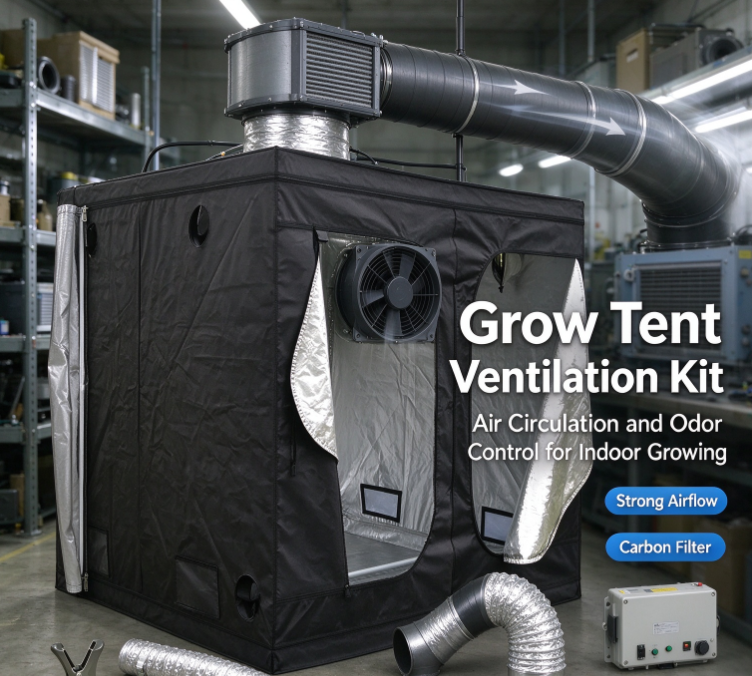
How Does a Grow Tent Ventilation Kit Improve Airflow
Nov 06.2026
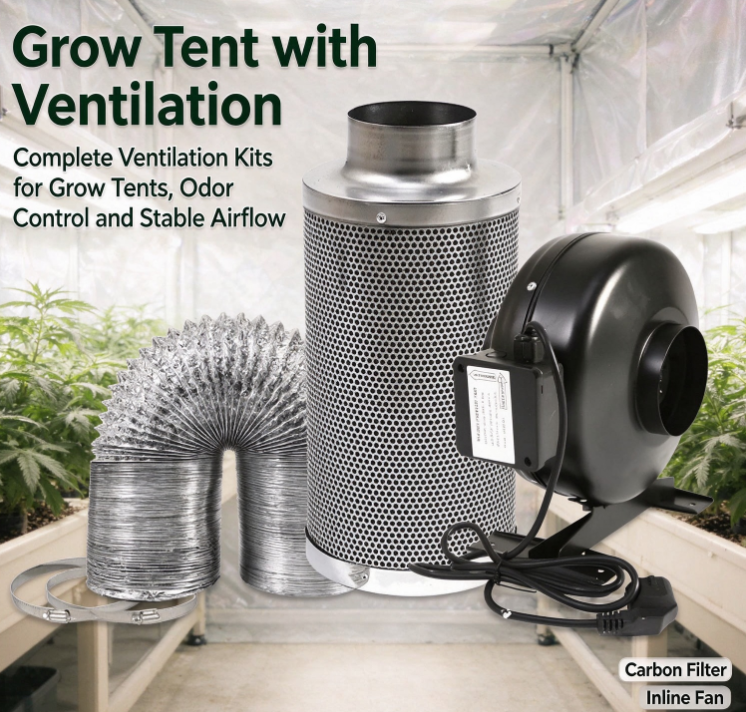
Indoor growing gives people greater control over the environment around their plants. A closed growing space brings its own challenges, though. Warm air collects near the top of a tent, moisture lingers around leaves and fresh air doesn't always reach every corner. These conditions affect plant health and make the space harder to manage. A grow tent ventilation kit tackles these issues by moving air through the growing space. Depending on the design, the kit includes an exhaust fan, ducting, a carbon filter, mounting accessories and other components. Each part has a job: moving air, removing stale air or managing odors. Good airflow isn't about making air move faster. It's about creating a steady exchange between the inside of the tent and its surroundings while keeping air circulating around the plants. Knowing how a ventilation kit works helps growers choose suitable equipment, arrange components properly and catch problems before they hit daily growing conditions. 1. Why Is Airflow Important Inside a Grow Tent? Airflow shapes the environment around plants throughout the growing process. In an enclosed tent, air turns stagnant when it barely moves or exchanges with the outside. Warmth and moisture build up, and some areas get less fresh air than others. Moving air evens out these differences. It carries heat away from areas where it gathers and helps moisture disperse. Air moving around leaves also stops a still layer of humid air from sitting close to their surfaces for long periods. Without suitable ventilation, different parts of the same tent develop different conditions. Plants near a light source get more heat than those farther away. Dense foliage blocks movement between leaves, while corners and spaces behind equipment get little circulation. These differences make environmental management harder. Adjusting a fan or moving a plant improves one area and leaves another largely untouched. A grow tent ventilation kit offers a coordinated way to manage these conditions. The exhaust system moves air out of the tent, while internal circulation distributes air within it. When the two work together, the growing space is easier to manage. Airflow matters for another reason: indoor growing equipment generates heat. Lighting, electrical devices and other gear warm the surrounding air. Ventilation carries some of that heat away instead of leaving it trapped inside the enclosure. The goal isn't a strong, constant blast of air across every plant. Excessive direct airflow keeps leaves in constant motion and increases moisture loss. A suitable arrangement supports gentle circulation and regular air exchange without stressing the plants. 2. How Does a Grow Tent Ventilation Kit Move Air? A ventilation kit improves airflow by creating a path for air to enter, move through and leave the growing space. The exact arrangement depends on the tent, the equipment and the surrounding room. Most systems rely on several components that perform different but related functions. Exhaust fan: Moving stale air out The exhaust fan removes air from the tent. As it draws air through the outlet, the air pressure inside the enclosure changes. Replacement air then enters through an intake opening or another suitable gap. This creates a continuing exchange between the growing space and its surroundings. Warm air and moisture leave instead of staying trapped. The exhaust outlet's location affects how air travels through the tent. Warm air often rises, so an upper exhaust position helps remove accumulated heat. The arrangement should still reflect the position of the light, the plants and other equipment. A poorly matched fan won't deliver the expected airflow. Restrictions from filters, long duct runs, tight bends or blocked openings cut the amount of air that moves through the setup. Ducting: Providing a route for air Ducting connects the fan to the air outlet and, when included, the filter. It sends air along a planned route instead of letting it escape randomly around the equipment. A clear, fairly direct duct route reduces needless resistance. Sharp bends, crushed sections and loose connections interfere with airflow. Ducting that's too long or full of turns makes the system work harder. Secure connections matter too. Gaps between components let air escape before it reaches the intended outlet. That lowers ventilation efficiency and makes odor management less predictable when a filter is part of the setup. Intake openings: Allowing replacement air to enter Removing air is only half of ventilation. The tent also needs a way for replacement air to come in. Some setups use passive intake openings, while others add an intake fan. The right arrangement depends on the tent structure, the exhaust system and the conditions of the surrounding room. If the intake opening is blocked or too restrictive, the exhaust fan struggles to move air as intended. The tent fabric gets sucked inward, and the actual air exchange falls below expectations. When the intake and exhaust paths are arranged sensibly, air moves through the enclosure with fewer obstacles. The ventilation system then keeps a more consistent flow. 3. How Do Exhaust Fans and Circulation Fans Work Together? Exhaust fans and circulation fans both move air, but they serve different purposes. Knowing the difference explains why one fan alone doesn't solve every airflow problem. An exhaust fan removes air from the tent and encourages replacement air to enter. Its main role is air exchange. A circulation fan moves air within the enclosure. It reduces stagnant pockets and spreads air around plants and equipment. A tent can have effective exhaust ventilation and still contain areas where air barely moves. That happens when plants are crowded, equipment blocks the path or the internal fan points the wrong way. Internal circulation fixes these dead spots. Position a fan so it moves air across the growing space. Pointing all its force at a single plant misses the point. Air then travels around foliage, passes through open areas and mixes with air from other parts of the tent. Placement matters. A fan aimed straight at nearby leaves creates strong movement in one spot and leaves the opposite side of the tent still. Adjusting the angle spreads the airflow more evenly. Height affects reach too. Air moving near the floor doesn't circulate well through dense foliage higher up. A fan mounted too high does little for lower areas. Growers should watch how plants respond after moving a fan. Leaves should sway gently, not get pushed constantly in one direction. If some sections stay still, change the fan's angle or location. The two systems work best when their roles complement each other. One removes air from the enclosure, the other distributes it. Don't confuse the two functions, and don't assume more fans automatically mean better airflow. 4. How Can Ventilation Help Manage Heat and Humidity? Heat and humidity are closely tied to air movement. When ventilation is limited, warmth from lights and equipment collects inside the tent. Moisture from plants and damp growing materials stays in the enclosure too. A grow tent ventilation kit helps by replacing some of the air inside the tent with air from the surrounding room. If the incoming air is cooler, ventilation helps remove heat. If it holds less moisture, air exchange also helps cut excess humidity. Ventilation doesn't guarantee a cooler or drier tent, though. The effect depends on the condition of the incoming air, the heat produced inside the enclosure and how the system is installed. Drawing warm air from a poorly ventilated room, for example, gives limited cooling. If the surrounding air is already humid, replacing indoor air won't reduce moisture as much as expected. So look at the room around the tent as well as the tent itself. Ventilation equipment moves air. It doesn't control every environmental condition by itself. Air circulation also helps moisture disperse around leaves and within dense growth. When air sits still, humid pockets form in areas with little movement. Gentle circulation reduces these local differences and supports a more even environment. Excess moisture deserves attention because persistently damp conditions encourage mold and other plant health problems. Ventilation helps manage the surrounding environment, but it doesn't replace proper watering, plant spacing or regular inspection. When heat or humidity stays hard to manage, examine the entire setup. Likely causes include restricted intake openings, an obstructed exhaust route, a badly positioned fan, excessive heat from equipment or unfavorable conditions in the room. Changing fan speed without finding the cause brings only temporary relief. A better approach is to check how air enters, travels through and leaves the enclosure. 5. How Does a Carbon Filter Affect Airflow? A carbon filter is common in ventilation kits when odor control matters. Its filtering material captures certain odor-causing compounds as air passes through. The filter usually connects to the exhaust system. Air is drawn through the filter before it travels through the ducting and leaves the growing area. This puts odor treatment and air exchange in the same airflow path. A filter also adds resistance to the system. Air has to pass through the filtering material, so the fan moves less air than it would through an open outlet. That means choosing a ventilation kit takes more than looking at the fan. The fan, filter and ducting have to work together as a complete system. A fan that looks suitable alone may underperform once the other components are installed. Filter condition affects airflow as well. Over time, dust and other particles collect on the filter or its protective surfaces. Depending on the design, that buildup restricts movement and raises the effort needed to draw air through the system. Regular inspection reveals blockage or wear. Follow the component manufacturer's cleaning and replacement instructions. Not every filter is maintained the same way. Installation details count too. Loose connections let untreated air bypass the filter. An awkward duct arrangement adds resistance, and an unsuitable connection makes maintenance difficult. Treat the carbon filter as part of the overall ventilation design. It isn't an accessory you add without thinking about its effect on the system. Proper matching balances odor management against the need to move air through the tent. 6. What Installation Choices Can Improve Airflow? How a grow tent ventilation kit is installed influences its performance as much as the individual components. Even suitable equipment struggles when the airflow path is obstructed or poorly arranged. Several practical details deserve attention during installation. Keep the air path clear. Don't crush ducting behind equipment or bend it sharply without a reason. A direct route helps air move with less resistance. Where bends are necessary, arrange them to avoid tight turns. Secure connections between components. The fan, filter and ducting should fit together properly. Loose joints cause air leakage, noise or inconsistent odor control. Secure mounting also reduces unwanted movement during operation. Provide a suitable intake route. Replacement air needs room to enter. Curtains, stored items, tent walls and other obstructions shouldn't block intake openings. If you use an intake fan, position it to support the overall airflow pattern. It shouldn't compete with the exhaust arrangement. Position fans with the growing layout in mind. Plants, shelves, containers and lighting all affect how air travels. A fan that works well in an empty tent performs differently once foliage fills the space. Adjust fan positions as plants develop. Allow access for inspection. Ventilation components need occasional cleaning and checking. A fan or filter in a cramped spot is hard to maintain. Accessible equipment is easier to inspect when airflow drops or odd noises start. Consider noise and vibration. A fan mounted against a loose frame or unstable surface transmits vibration through the tent structure. Proper support reduces noise and keeps the equipment secure. After installation, check the system while it runs. Look for obstructed ducts, loose connections, unusual fan movement and areas where air seems to sit still. Small adjustments often improve circulation without extra equipment. 7. What Common Problems Can Reduce Airflow? Reduced airflow doesn't always mean the fan has failed. Often the cause is a restriction, a layout issue or a change in the growing environment. Blocked ducting is a common culprit. A bent or compressed section restricts the air path, especially when the duct runs behind a tent or through a narrow space. Checking the entire route reveals problems you can't see from the fan opening. A dirty filter is another cause. Dust and other particles accumulate during normal use and cut the amount of air passing through the filtering material. Inspection and proper maintenance restore normal operation when buildup is the cause. Check the fan's condition too. Loose fittings, damaged components or dust around moving parts hurt performance. If the fan makes unfamiliar sounds or shows damage, inspect it according to the manufacturer's guidance. Plant growth creates new restrictions. As foliage thickens, spaces that once let air move freely get crowded. A ventilation arrangement that worked early in the growth cycle needs repositioning as plants develop. The surrounding room also influences the result. If doors, windows or room ventilation change, the air available to the tent changes as well. An exhaust fan can't keep the same environmental effect under every surrounding condition. A simple troubleshooting process helps pinpoint the source: Check whether the fan is operating normally. Inspect the filter and ducting for visible blockage. Confirm that intake openings are unobstructed. Look for loose connections or damaged components. Observe whether internal circulation reaches different parts of the tent. Consider whether recent changes in plant growth or room conditions affected airflow. Change one thing at a time and watch the result. Adjusting several components at once makes the cause harder to find. If airflow stays weak after basic checks, the system may not suit the combined resistance of its components or the needs of the enclosure. Reviewing the full setup shows whether a different arrangement or a replacement component is necessary. 8. How Should You Choose a Grow Tent Ventilation Kit? Choosing a grow tent ventilation kit starts with understanding the growing space and the conditions the system must manage. The kit should fit the enclosure, work with its intended airflow route and accommodate any extra equipment used for odor control. Tent size is one consideration, but not the only one. The amount of equipment inside the tent, plant density, surrounding room conditions and the arrangement of intake and exhaust openings all influence ventilation needs. The type of kit matters too. Some packages focus on exhaust ventilation, while others include circulation fans, filters, ducting and mounting accessories. Check exactly what's included. Don't assume every kit provides the same components. Compatibility matters most when a filter is included. The fan must suit moving air through the complete system, not just through an open duct. Consider connection sizes, mounting options, duct routing and maintenance access before installation. Noise can sway the decision when the tent sits in a bedroom, shared room or other occupied space. Fan design, mounting, vibration and duct arrangement all affect the sound during operation. Reviewing these factors avoids needless disturbance. Ease of maintenance is another practical point. Filters need inspection or replacement, ducts collect dust and fans need periodic checks. A kit with accessible components makes routine care less of a chore. Buyers should also ask whether the setup will change. A tent that starts with a few plants gets more crowded as growth continues. Equipment positions shift, and the need for internal circulation shifts with them. A flexible arrangement makes these adjustments easier. Clear product information helps when comparing options. Descriptions should explain the included components, intended application, connection compatibility, maintenance requirements and installation considerations. These details let buyers judge whether a kit suits their growing environment without leaning on vague performance claims. A suitable grow tent ventilation kit supports a clear airflow path, consistent air exchange and practical day-to-day management. When its components match the enclosure and are installed with care, airflow problems are easier to identify, changing conditions are easier to handle and the growing space suffers less from stagnant air.

Recommended Products

18 Pockets Polyester Flora Felt Fabric Wall Hanging Vertical Garden Planters Non Woven Fabric Pot Eco-friend Grow Bag

18 Pockets Polyester Flora Felt Fabric Wall Hanging Vertical Garden Planters Non Woven Fabric Pot Eco-friend Grow Bag

The 18 Pockets Polyester Flora Felt Fabric Wall Hanging Vertical Garden Planters Non Woven Fabric Po...

1-1000 Gallon 3 5 7 10 15 20 25 30 60 65 75 300 gal Non Woven Planter Grow Bags Aeration Fabric Pots Felt Plant Grow Bags

1-1000 Gallon 3 5 7 10 15 20 25 30 60 65 75 300 gal Non Woven Planter Grow Bags Aeration Fabric Pots Felt Plant Grow Bags

The 1-1000 Gallon 3 5 7 10 15 20 25 30 60 65 75 300 gal Non Woven Planter Grow Bags Aeration Fabric ...

Farm nursery planter grow bag tree seeding pot fruit fabric plant pots Flower pot grow bags for planting vegetables

Farm nursery planter grow bag tree seeding pot fruit fabric plant pots Flower pot grow bags for planting vegetables

Features:1) Made of environment friendly non woven fabric, allow roots breathable and healthier.2) B...

Grey Color Non Woven Grow Bag with Handles

Grey Color Non Woven Grow Bag with Handles

Features: 1) Made of environment friendly non woven fabric, allow roots breathable and healthier. 2)...

Best selling 1-500 Gallon Non-Woven Grow Bags Balcony Roof Garden Fabric Pot

Best selling 1-500 Gallon Non-Woven Grow Bags Balcony Roof Garden Fabric Pot

Features:1) Made of environment friendly non woven fabric, allow roots breathable and healthier.2) B...

100/200/300/400 Gallon Big Size Felt Round Grow Bag Planting Vegetable Tree Bag Garden Fabric Pot for Black Tan Color

100/200/300/400 Gallon Big Size Felt Round Grow Bag Planting Vegetable Tree Bag Garden Fabric Pot for Black Tan Color

The 100/200/300/400 Gallon Big Size Felt Round Grow Bag Planting Vegetable Tree Bag Garden Fabric Po...

Large Size Tan Grow Bag Custom Heavy Duty Aeration Pocket Planter Potato Flower Breathable Non Woven Fabric Pot

Large Size Tan Grow Bag Custom Heavy Duty Aeration Pocket Planter Potato Flower Breathable Non Woven Fabric Pot

The Large Size Tan Grow Bag Custom Heavy Duty Aeration Pocket Planter Potato Flower Breathable Non W...

50 Gallons Round Planting Container Grow Bags Breathable Felt Fabric Planter Pot for Plants Nursery Pot Fabric Raised Garden Bed

50 Gallons Round Planting Container Grow Bags Breathable Felt Fabric Planter Pot for Plants Nursery Pot Fabric Raised Garden Bed

Features:1) Made of environment friendly non woven fabric, allow roots breathable and healthier.2) B...

10 Gallon Wholesale High Quality Non Woven Felt Garden Potato Vegetable Hydroponic Fabric Pot Plant Grow Bags

10 Gallon Wholesale High Quality Non Woven Felt Garden Potato Vegetable Hydroponic Fabric Pot Plant Grow Bags

The 10 Gallon Wholesale High Quality Non Woven Felt Garden Potato Vegetable Hydroponic Fabric Pot Pl...