Wholesale Plastic Garden Pots — Built for Growers

  • str_replace('
  • str_replace('
  • str_replace('
  • str_replace('
  • str_replace('
Plastic Pot

Plastic Pot

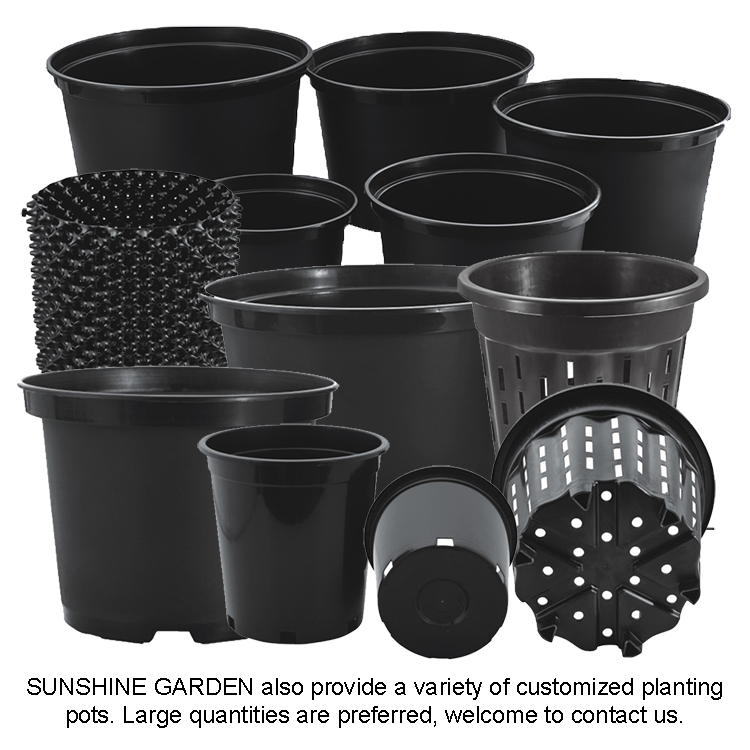
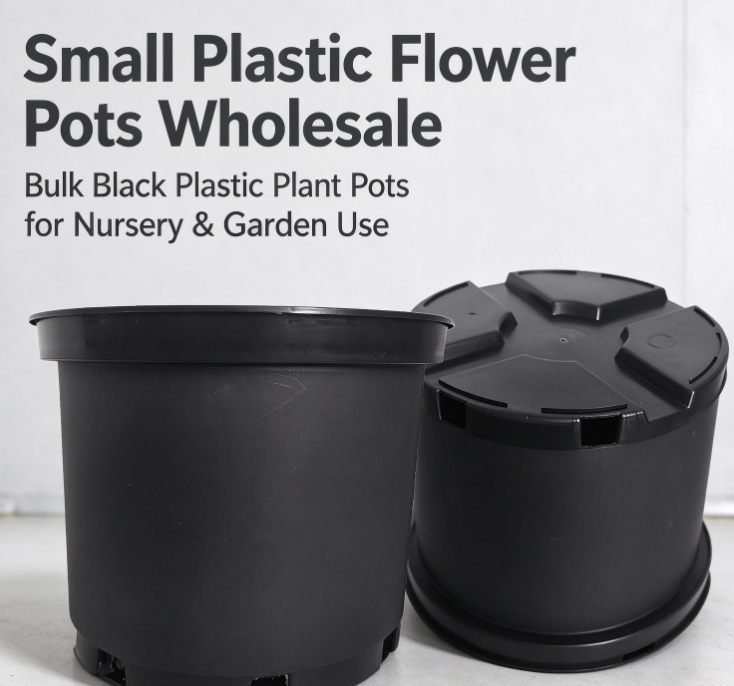
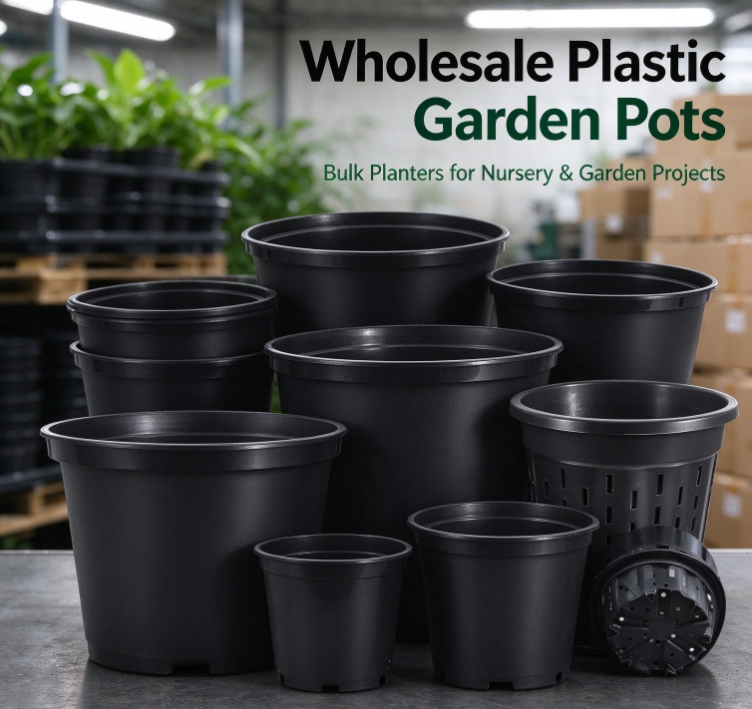
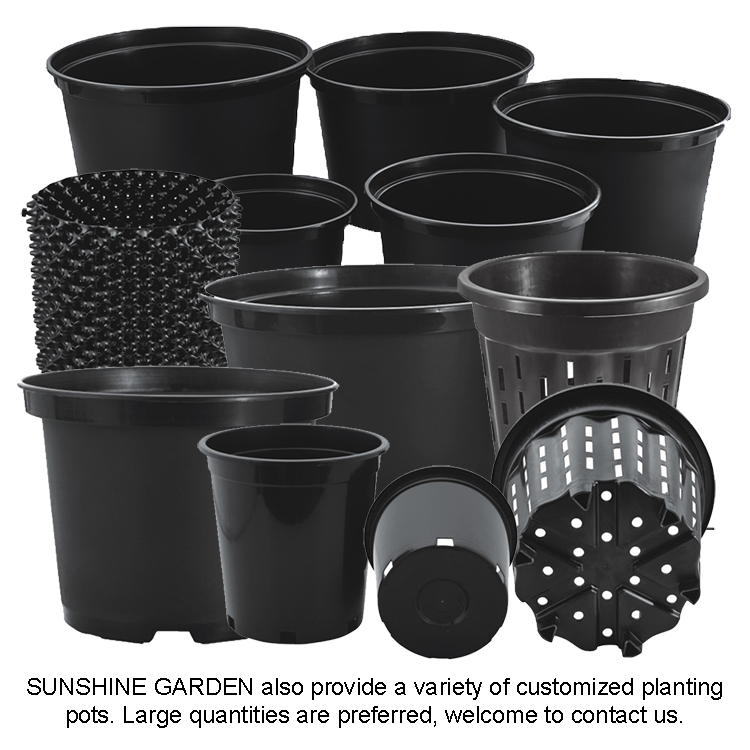
The Plastic Nursery Pots are inexpensive & durable perfect for many types of soil or hydroponic growing media. The raised rim design allows easy handling & easy stack ability when not in use. 
1) Inexpensive and durable.
2) Can be used with various types of soil or hydroponic growing Media.
3) Raised rim design allows easy handling and easy stack ability.
4) There is a leaky design at the bottom of the flowerpot.
5) Can be reused indefinitely.
Contact us

  • Details
  • leave a message
  • Item NO.

    Shape

    Top Diameter
    (mm)

    Height
    (mm)

    Bottom Diameter
    (mm)

    Gram weight

    RB-G001

    Round

    166

    165

    125

    68.1

    RB-G002L

    Round

    215

    215

    150

    110

    RB-G002

    Round

    220

    206

    160

    116

    RB-G003L

    Round

    260

    260

    240

    248

    RB-G003

    Round

    282

    235

    235

    308

    RB-G005

    Round

    285

    295

    210

    338

    RB-G006

    Round

    323

    222

    260

    341

    RB-G007

    Round

    360

    287

    290

    516

    RB-G010

    Round

    415

    300

    333

    792

    RB-G015

    Round

    470

    385

    360

    1113

    RB-G020

    Round

    540

    430

    433

    1128

    RB-G025

    Round

    650

    470

    498

    2324

    RBIN-009

    Round

    230

    230

    180

    135

    RB-G001S

    Square

    140

    150

    105

    82.2

    RB-G002S

    Square

    187

    195

    137

    143

    RB-G003S

    Square

    255

    255

    178

    310

    RB-G005S

    Square

    304

    308

    212

    464

    RB-G007S

    Square

    335

    335

    255

    653

    RB-G0010S

    Square

    365

    365

    240

    910

  • If you want to know us, please contact us!

    We always adheres to the quality policy of "Innovation is infinity, to keep improving",adhering to the enterprise tenet of "Veracity,Customer regarded supreme".

    • Company.
    • E-mail*.
    • Name*.
    • Phone.
    • Message*.
About Sunshine
Since 2011
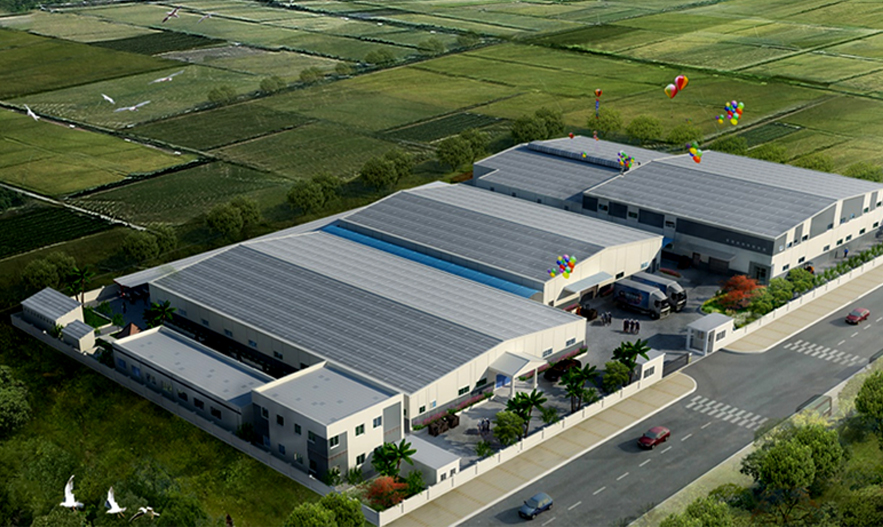
SUNSHINE GARDEN is leading in manufacturing home garden and hydroponic grow equipment in China with 12 years OEM & ODM experience. We are famous Plastic Pot supplier and manufacturer in China. Our main products can be divided into two series, including Hydroponic Grow Equipmentslike Full completed grow tents and kits, Grow tables and trays, Grow bags, Seeding propagation, another series is Home Garden Products like Mini Greenhouses, Hanging planters, Garden waste bags and so on. Custom made Plastic Pot to help build your perfect garden and hydroponic grow system.
View More

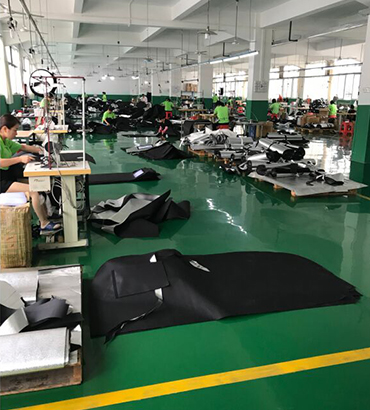
Factory Tour

Offers everything you need to build complete gardening and hydroponic systems.

News
How Is Commercial Greenhouse Changing Modern Farming Practices?
Aug 07.2026
A farmer checking tomato plants after an unexpected late frost has probably had at least one season ruined by weather that showed up without warning. That kind of loss used to just be part of farming, something growers accepted as a risk of working with open fields. Commercial Greenhouse Wholesale solutions have started changing that calculation, giving farms a way to grow crops inside a structure that doesn't leave everything up to whatever the sky decides to do that week. A Commercial Greenhouse creates a growing space where temperature, light, and moisture can be managed rather than simply endured. That's not the same as replacing outdoor farming altogether. It's closer to giving growers another option, one that comes in handy exactly when outdoor conditions turn unpredictable or unworkable. Why Farming Practices Keep Shifting Growers today deal with a mix of pressures that didn't weigh as heavily a generation ago. Weather patterns swing more unpredictably, usable farmland keeps shrinking in some regions, and buyers expect fresh produce available closer to year-round rather than only during a narrow harvest window. Pressure Farmers Face How the Industry Is Responding Unpredictable weather affecting outdoor crops Building growing spaces that reduce exposure to weather swings Water and resource limits Adjusting practices to use inputs more carefully Need for flexible production Adopting methods that adapt across different growing periods Buyers wanting fresher, more consistent supply Extending growing seasons beyond traditional limits None of these pressures are new individually, but together they've pushed a fair number of growers toward looking at greenhouse-based methods as a practical addition to their existing operation rather than a replacement for it. What a Commercial Greenhouse Actually Does for a Farm Put simply, a greenhouse gives a grower a wall between their crops and whatever's happening outside that day. Rain, wind, sudden frost, or an unexpected heat wave don't reach the plants the same way they would in an open field. Commercial Greenhouse setups tend to support: Shielding crops from weather events that would otherwise damage or delay a harvest Organizing growing space so multiple crops or growth stages can run alongside each other Extending a growing season past what outdoor conditions alone would allow Making more efficient use of available land, since vertical or stacked growing options open up None of this replaces traditional field farming outright. A grower running both open fields and a greenhouse setup, for instance, might use the greenhouse specifically for crops sensitive to cold snaps, while leaving hardier crops to grow outdoors as usual. How a Controlled Space Actually Helps Plants Grow Plants respond directly to their surroundings, and small shifts in temperature, humidity, or light exposure can make a noticeable difference in how a crop develops. A greenhouse gives growers a way to manage those factors more directly than an open field allows. Growing Factor How a Greenhouse Helps Weather exposure Keeps rain, wind, and temperature swings away from crops Daily plant care Organizes tasks into a structured, repeatable routine Growth tracking Makes it easier to monitor plants at different stages side by side Planning ahead Supports scheduling crops around expected market demand A grower producing leafy greens for a local grocery chain, for example, can plan harvests around delivery schedules far more reliably inside a greenhouse than they could relying purely on outdoor growing conditions that shift with the weather. Why More Growers Are Turning to Greenhouse Setups The shift toward greenhouse farming isn't happening because open-field growing suddenly stopped working. It's happening because more growers want an additional layer of control over how and when their crops actually develop. Reasons that keep coming up: Making better use of limited farmland by growing more within the same footprint Running a more organized, predictable production schedule Adjusting crop plans without waiting on a full outdoor growing season to pass Reducing exposure to weather events that have become harder to predict A grower who lost a season's worth of crops to an unseasonal storm the year before often becomes the same grower investing in greenhouse space the following year, specifically to avoid repeating that loss. How Wholesale Greenhouse Options Support Larger Projects Building out greenhouse space for a small operation is a different undertaking than planning multiple structures across a larger farming project. That's where wholesale greenhouse options come into the picture, giving growers access to structures suited for bigger, more coordinated builds. Farm Need How Wholesale Support Helps Expanding operations Provides access to multiple structure options at once Planning a bigger project Supports coordinated builds across a larger site Long-term business growth Helps fit greenhouse additions into broader farm planning Covering different crop needs Offers a range of structure types suited to different uses A farming operation planning to add several greenhouse units across a season benefits from working with a wholesale supplier who can coordinate that scale, rather than sourcing structures piecemeal from different places. How Technology Fits Into Modern Greenhouse Farming Greenhouse farming isn't just about the physical structure anymore. A growing number of operations pair that structure with tools that help track conditions inside and adjust as needed, rather than relying purely on manual checks throughout the day. Technology tends to support: Keeping closer track of temperature and humidity throughout the growing space Managing water and nutrient use more carefully across different crop sections Simplifying daily tasks that used to require constant manual checking Organizing production schedules around actual growing conditions rather than guesswork A grower managing several greenhouse sections at once benefits from tools that flag when conditions drift outside an expected range, catching a problem before it affects an entire crop cycle. What Growers Need to Think Through Before Committing Greenhouse farming isn't a simple swap from outdoor growing. It comes with its own set of decisions that need sorting out before construction even starts. Challenge What It Requires Initial planning Clear goals about what crops and scale the greenhouse will support Ongoing management Regular attention, since a greenhouse doesn't run itself Matching crops to conditions Some crops adapt better to greenhouse growing than others Managing resources carefully Water, energy, and materials all need organized planning A grower entering greenhouse farming without understanding which crops match that environment may face disappointing results, as different plants respond differently to a controlled indoor growing setup. How Greenhouses Add Flexibility to a Farming Operation Markets shift, sometimes quickly, and a farm that can only respond once a season at a time struggles to keep up with sudden changes in demand. Greenhouse farming gives growers a way to adjust more often than a traditional outdoor schedule would allow. Flexibility shows up through: Growing a wider variety of crops than outdoor conditions alone would support Adjusting planting and harvest timing based on current demand Making better use of available space through organized, planned layouts Responding to shifts in what buyers are actually asking for A grower noticing sudden demand for a particular herb at a local market can often turn around a greenhouse crop faster than they could plan and wait for an outdoor growing season to align. How Greenhouse Farming Connects to Sustainable Practices Careful resource use has become part of how a lot of farms plan their operations now, not just as a nice idea but as a practical response to rising costs and tighter water availability in some regions. Sustainability Focus How Greenhouse Farming Supports It Resource management Allows more careful control over water and input use Space efficiency Supports growing more within a smaller physical footprint Reduced weather dependence Protects crops from losses tied to outdoor conditions Long-term planning Supports a farm's ability to keep operating steadily over time A grower using drip irrigation inside a greenhouse setup, for example, often uses noticeably less water than an equivalent outdoor crop exposed to evaporation and runoff, which matters more each year as water costs climb in many farming regions. Where Commercial Greenhouse Farming Is Headed Agriculture keeps moving toward methods that give growers more say over how their crops actually develop, rather than leaving everything up to conditions outside their control. Commercial Greenhouse systems fit into that shift by offering a structured, adaptable option that works alongside traditional outdoor farming rather than replacing it outright. As more farms look for ways to plan production more carefully, respond faster to market shifts, and reduce losses tied to unpredictable weather, greenhouse-based growing will likely keep finding its way into more operations — not as a complete overhaul of how farming works, but as one more practical tool growers can reach for when conditions call for it.
The Difference Between Resin Sheds With and Without a Floor
Aug 05.2026
Which One Should You Choose? Choose WITH a Floor Base if: You need to store valuable, moisture-sensitive, or clean items (tools, electronics, textiles, documents, pet supplies). You want a quick, hassle-free installation without pouring concrete or laying bricks. You live in a humid or rainy climate or have poorly drained soil. You want peace of mind against pests and ground moisture. You prefer low maintenance and easy cleaning. Choose WITHOUT a Floor Base if: You already have a solid, level concrete slab or paved area where the shed will sit. You only plan to store heavy, weather-resistant, or "messy" items (firewood, bags of mulch, large planters, lawn equipment with muddy tires). You're on a tight budget and already have suitable foundation materials on hand. You need to maximize interior height (since no floor panel takes up vertical space—though this difference is usually minor, about 5–10 cm). Critical Note: The "No-Floor" CaveatIf you buy a resin shed without a floor and place it directly on bare soil or grass without any foundation, you will likely face: Weeds growing up inside the shed within weeks. Animals burrowing underneath the walls and nesting inside. Doors jamming within months as the ground settles unevenly. Rust and rot on anything stored near the bottom. In short: A floorless resin shed is actually a "wall-and-roof kit"—not a complete storage solution. You must treat it like a wood or metal shed and build a proper base underneath. With Floor Without Floor Best for All-around storage, especially valuables Storage of rugged outdoor items Installation Place on level ground—ready to go Requires building a separate foundation Moisture/pest protection Excellent (built-in barrier) Poor unless foundation is raised and sealed Long-term effort Minimal maintenance Regular inspection of foundation needed Total cost Higher purchase, lower total cost (no foundation work) Lower purchase, higher total cost (plus foundation)
How Can a Walk in Small Greenhouse Maximize Garden Space?
Jul 31.2026
A woman standing on her tiny apartment patio eyes the six square feet she's got left after squeezing in a table and two chairs, wondering if growing anything more than a windowsill basil plant is even realistic. A few months later, that same corner holds a compact walk-in greenhouse packed with tomatoes on shelves, herbs hanging from hooks, and seedlings waiting their turn for the garden bed she doesn't have. Nothing about her outdoor square footage changed — she just started using the vertical space that had been sitting empty the whole time. That's really the whole story behind a Walk in Small Greenhouse. It doesn't make a yard bigger. It just makes whatever space already exists work a lot harder, turning a flat patch of ground into layers of usable growing area. What Actually Is a Walk in Small Greenhouse? A walk-in small greenhouse is exactly what it sounds like — compact enough for a small yard or patio, but roomy enough that someone can actually step inside and move around while tending plants. The whole point is creating a protected growing space that still feels manageable to work in day after day. A typical setup usually includes: Feature What It Does Clear covering Lets sunlight reach the plants inside Interior growing space Gives room to arrange and organize plants Entry point Makes daily care a lot more comfortable Shelving Helps stack growing space vertically What separates this from a basic plant cover or cold frame is that walk-in part — someone can actually step inside, water plants, check on growth, rearrange things, without crouching outside a small enclosed box. For a small yard, that's the difference between having a dedicated growing spot and just scattering pots wherever there happens to be room. Why Does Space Planning Matter So Much in a Small Garden? Every square foot counts a lot more when there isn't much square footage to begin with. Without some kind of structure, plants end up crowding each other, sunlight gets blocked by whatever's growing tallest, and keeping track of what needs watering turns into guesswork. A walk-in small greenhouse helps sort that out by giving plants an actual organized space instead of a free-for-all patch of dirt. A more structured setup tends to bring: easier arrangement of plants by type or need real use of vertical space that would otherwise sit empty maintenance that doesn't involve bending over a sprawling bed a cleaner overall growing environment less time spent hunting for which plant needs what Instead of spreading everything thin across a small yard, a gardener can stack plants in layers inside the greenhouse, fitting more into the same physical footprint. How Does This Structure Actually Stretch Growing Space? The real advantage here comes down to using space more cleverly, not creating more of it out of nowhere. Ground-level planting is a common approach for small yards, but a greenhouse creates new possibilities beyond relying only on the available ground space. A few ways that plays out: Strategy What It Actually Does Shelving Adds extra growing levels stacked above the ground Hanging setups Puts unused overhead space to work Grouped plant zones Keeps similar plants together for easier care Tight, efficient layouts Cuts down on wasted gaps between plants A small greenhouse doesn't expand the yard itself by even an inch. It just squeezes more growing potential out of whatever space already exists. That's exactly why it appeals to anyone wanting to grow more without knocking down a fence or buying more land. Can This Kind of Greenhouse Handle a Mix of Different Plants? Flexibility is really where greenhouse gardening earns its keep. Different plants want different things — sun exposure, humidity, room to spread — and a protected space makes juggling all those preferences a lot more manageable in a tight footprint. A small walk-in greenhouse can typically hold: Plant Type Why It Works Well Here Vegetables Supports growing actual food at home Herbs Keeps fresh ingredients within arm's reach of the kitchen Flowers Adds some color and life to the space Seedlings Gives young plants a protected head start Smaller plants can sit up on shelves while bigger ones stay grounded, letting a gardener mix and match based on what's actually growing that season. That flexibility means the same small structure can shift from herbs in spring to tomatoes by summer without needing a redesign. How Does a Greenhouse Actually Protect the Plants Inside? Outdoor gardens deal with whatever the weather throws at them — scorching sun one week, a surprise hailstorm the next, wind that snaps stems overnight. A walk-in small greenhouse puts a buffer between plants and a lot of that unpredictability. It tends to help by: keeping growing conditions more stable day to day cutting down exposure to harsh sun, wind, or sudden downpours giving delicate or seasonal plants a bit more of a fighting chance keeping the growing area itself cleaner and less exposed to pests tracking through This matters a lot for anyone trying to grow something a little more sensitive — say, seedlings that would get shredded by a hard rain, or herbs that wilt fast under direct afternoon sun. None of this replaces good gardening habits like proper watering or soil care. It just gives plants a steadier environment to grow in while those habits do their job. Why Does This Fit So Well Into Urban Gardening Specifically? City living usually means dealing with whatever tiny outdoor space happens to come with an apartment or townhouse — a balcony, a shared courtyard, a patio barely bigger than a rug. A walk-in small greenhouse slots into those tight spots without demanding a full backyard to work with. Balconies and patios A compact greenhouse can turn an unused corner into an actual growing spot instead of just a place to store bikes. Regular home gardening Homeowners get a dedicated space for plants without tearing up the whole yard to make it happen. Shared community spaces Compact greenhouses can fit into community garden plots where space gets divided up among a lot of different growers. Urban gardening tends to demand a bit of creativity, and a small greenhouse gives people another workable option for bringing actual plant life into spaces that weren't originally designed for it. How Does This Make Day-to-Day Gardening Easier? Gardening involves a lot of small, repeated tasks — checking on plants, watering, pulling weeds, rearranging things as they grow. Being able to actually walk inside the structure makes all of that noticeably easier than reaching over a low, enclosed cover from outside. Task How the Greenhouse Helps Checking on plants Easy to get close and actually look things over Rearranging plants Room to move things around as needed Daily care Comfortable to move through without crouching Storing tools A convenient spot to keep everything nearby When gardening feels manageable instead of like a chore involving awkward angles, people tend to actually keep up with it instead of letting plants go neglected for a week. A setup that's simple to use day to day tends to make the whole hobby a lot more enjoyable, not just more productive. What's Worth Thinking Through Before Getting One? Picking the right greenhouse comes down to matching it against actual available space and realistic gardening goals. A few things worth weighing: Consideration Why It Matters How much space is actually available Shapes where it can realistically go What's actually being grown Affects how the inside gets organized Personal gardening habits Shapes what features actually get used Preferred maintenance style Helps pick practical, low-hassle features Local weather patterns Influences what the structure needs to handle The right greenhouse fits someone's actual routine, not just their Pinterest board. Someone growing a handful of herbs has very different needs than someone trying to manage vegetables and flowers through multiple seasons. Thinking that through beforehand saves a lot of frustration after installation. How Does This Help Keep a Small Garden Organized? Organization tends to make or break a small-space garden. Without some kind of system, things get cluttered fast. A walk-in greenhouse naturally encourages better organization through: clearly defined planting zones actual walking room instead of stepping over pots a spot for tools that isn't just "wherever there's room" easier grouping of plants by type or growth stage Gardeners can separate things out — seedlings on one shelf, mature herbs on another, vegetables taking up the ground level — instead of everything mixed together in one crowded pile. For anyone working with limited outdoor space, that kind of organization is often what separates a garden that actually gets tended regularly from one that quietly turns into a jungle nobody wants to deal with. Where Does This Fit Into How People Garden Now? Gardening keeps adapting as more people figure out how to grow things in spaces that were never really designed for it — balconies, tiny yards, shared courtyards. A Walk in Small Greenhouse reflects that shift by helping people squeeze real growing potential out of whatever small footprint they've actually got. It supports flexible planting, easier day-to-day care, and a level of organization that a scattered collection of pots just can't match. Whether it's tucked into a backyard corner, sitting on a patio, or fitting into a shared urban garden plot, this kind of structure gives people a real, practical way to build a personal growing space without needing much room to begin with. By combining protection, easy access, and smarter use of space, a small walk-in greenhouse helps a lot more people actually enjoy gardening, even when the outdoor space they're working with is genuinely tiny.
How Does a Walk in Small Greenhouse Improve Home Gardening?
Jul 24.2026
A neighbor once turned half her patio into a mess of half-dead basil and sunburned tomato starts before she finally figured out the problem wasn't her watering schedule — it was that her plants had nowhere to hide from a string of unpredictable spring afternoons. That's basically the whole case for a Walk in Small Greenhouse: it gives plants a space where weather stops calling all the shots, and gives the gardener somewhere to actually stand while fixing whatever's going wrong. Home gardening was never just about dropping seeds in soil and waiting. It's managing light, moisture, temperature, and timing, often all at once, often while the weather has other plans. A small greenhouse doesn't solve every problem, but it does hand back some control without demanding a backyard the size of a farm. For anyone trying to grow things closer to home, a Walk in Small Greenhouse changes the whole rhythm of how gardening gets done. Suddenly there's one place for starting seeds, nursing young plants along, and keeping crops out of the way of whatever the sky decides to do that week. A More Stable Space for Plants to Actually Grow Plants left outside deal with whatever the day throws at them — a cold snap, a windstorm, three days of relentless sun. A greenhouse doesn't erase weather, but it does put a wall between plants and the worst of it. Stepping into a Walk in Small Greenhouse feels a little like stepping into a pocket of calmer air. Gardeners still get the outdoor experience, just with fewer surprises working against them. Growing Challenge How a Small Greenhouse Helps Weather swings Adds a layer of protection Tight outdoor space Creates one dedicated planting area Short growing windows Opens up more flexible planting timing Scattered plant setups Keeps everything gathered and arranged New gardeners and longtime ones both run into this same issue eventually. A space like this doesn't eliminate the work, but it does cut down on the number of things going wrong at once. Protection That Actually Shows Up in Daily Care Outdoor plants take a beating from things nobody controls — hard rain, gusty afternoons, a temperature drop nobody saw coming. A greenhouse puts something between the plant and that chaos. Gathering plants into one enclosed space also just makes checking on them easier. Instead of walking a whole yard, a gardener steps into one spot and sees everything at once. Protection Aspect Gardening Advantage Weather coverage Cuts down on environmental stress Plants kept together Makes daily care simpler to manage Organized layout Builds better gardening habits over time Extra growing room Opens up more planting choices None of this replaces the actual work. Watering still has to happen. Sunlight and soil quality still matter. What changes is how much easier those tasks become once there's a defined space built around them. Why Size Doesn't Have to Limit a Garden Plenty of people want to garden without owning a yard big enough for it. Cramped outdoor space tends to force hard choices about what gets planted and what gets left out. A Walk in Small Greenhouse works around that by making better use of the space that's actually there. Shelving, vertical arrangements, and planned layouts do a lot more with a small footprint than a flat garden bed ever could. Inside one of these, a gardener can realistically manage: herb growing vegetable starts flower care seed prep before transplanting outdoors general gardening storage Being able to physically walk inside changes the whole experience, too. Instead of reaching in from outside a frame or a cold box, there's room to move, crouch down, check leaves closely, and actually work. Bringing Order to a Space That Tends to Get Messy Anyone who's gardened for more than a season knows how quickly tools, bags of soil, and half-used seed packets pile up. A dedicated greenhouse gives all of that somewhere to live instead of spreading across a porch or garage shelf. Organization Area Possible Benefit Plant arrangement Simplifies daily care routines Tool storage Keeps everything within reach Growing sections Separates plant types clearly Working space Leaves room for hands-on tasks A cluttered garden makes even simple tasks feel like a chore. Once things have an actual place, gardening starts feeling less like maintenance and more like something worth spending time on. Stretching the Growing Season a Little Further Seasonal shifts tend to dictate what can get planted and when. Cold snaps end things early, and unpredictable spring weather delays starts that should've gone in weeks earlier. A Walk in Small Greenhouse pushes back against those limits by giving gardeners a space that isn't quite as tied to outdoor conditions. Plans that would normally get scrapped because of timing become a lot more workable. Gardening Activity Greenhouse Support Starting new plants Gives them a protected head start Nursing young plants Provides a steadier environment Growing herbs Keeps them organized and accessible Trying new varieties Makes experimenting less risky That extra flexibility tends to make gardening more enjoyable, not just more productive. There's more room to try something new without worrying it'll fail because of one bad week of weather. Making the Daily Routine Less of a Hassle Plant care is full of small, repetitive tasks — checking for pests, watering, pruning back what's overgrown, watching for signs something's off. None of it takes long individually, but it adds up when plants are scattered across a yard. A dedicated greenhouse space cuts down on that back-and-forth. Everything's close together, which means less walking and more actual attention paid to the plants themselves. A Walk in Small Greenhouse tends to help with: spotting changes in plants quickly getting to everything without obstacles keeping the workspace organized planning maintenance without guesswork Being able to step inside and stand among the plants, rather than working from outside a frame, tends to build a closer connection to the whole process. It stops feeling like a chore and starts feeling like time spent with something alive. What to Think Through Before Choosing One Picking a greenhouse isn't just about size or price. It comes down to how someone actually gardens day to day. A few honest questions help narrow things down: Consideration Question to Ask Available space Where will it actually fit on the property? Gardening goals What kinds of plants matter most? Daily habits How often will it realistically get used? Storage needs What tools or supplies need a home too? The right choice lines up with how someone already gardens, not some idealized version of it. A greenhouse that matches real habits gets used. One that doesn't tends to sit there collecting dust and dead leaves. Thinking ahead to future gardening plans — bigger harvests, new plant varieties, more serious seed starting — helps avoid outgrowing the space within a year or two. A Space That Changes How Gardening Feels Gardening was never only about the harvest. Plenty of the appeal comes from the process itself — watching something grow, tending to it, learning what works through trial and error. A Walk in Small Greenhouse adds something to that experience by giving it a physical home. Protection, organization, and flexibility all come together in one dedicated spot instead of being scattered across a yard. For anyone trying to get more out of their outdoor space, a greenhouse becomes part of the everyday rhythm rather than a one-off project. It creates room for new ideas, for learning through mistakes, and for the kind of steady, hands-on gardening that's hard to manage outdoors alone. How much value it adds really depends on whether it fits how someone already lives and gardens. Given some thought during setup and regular attention afterward, this kind of space turns home gardening into something a little more organized and a lot easier to actually enjoy.

Recommended Products

Plastic Seed Tray

Plastic Seed Tray

Seed Tray, Nursery Tray, Cavity Plate (Sunshine Seedling Propagation Series) Sunshine Garden seed tr...

Air Pruning Pot

Air Pruning Pot

Air pruning pot is circular in shape with a perforated sidewall. It is a recyclable, reusable plasti...

Plastic Pot

Plastic Pot

The Plastic Nursery Pots are inexpensive & durable perfect for many types of soil or hydroponic ...