8" Ventilation Kit Custom

Home / Products / Air-Ventilation / Ventilation Kit / 8" Ventilation Kit
  • str_replace('
  • str_replace('
  • str_replace('
  • str_replace('
  • str_replace('
  • str_replace('
  • str_replace('
8

8" Ventilation Kit

Grow Tent Ventilation Kit Duct Fan Air Circulation Vent Blower

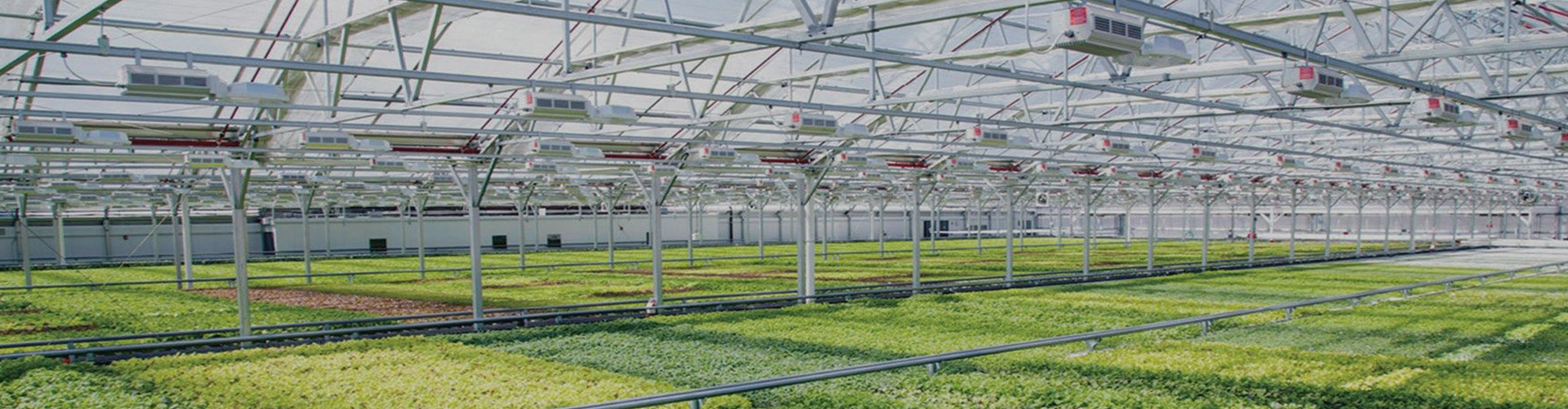
Perfect for grow tents, greenhouses, hydroponics, kitchens, bathrooms, basements, locker rooms, garage to reduce humidity, clear the air and lower temperatures in grow rooms.
Contact us

  • Details
  • leave a message
  • Item
    8'' Grow Tent Ventilation Kit, Fan Filter Grow Kit
    Kit Combo
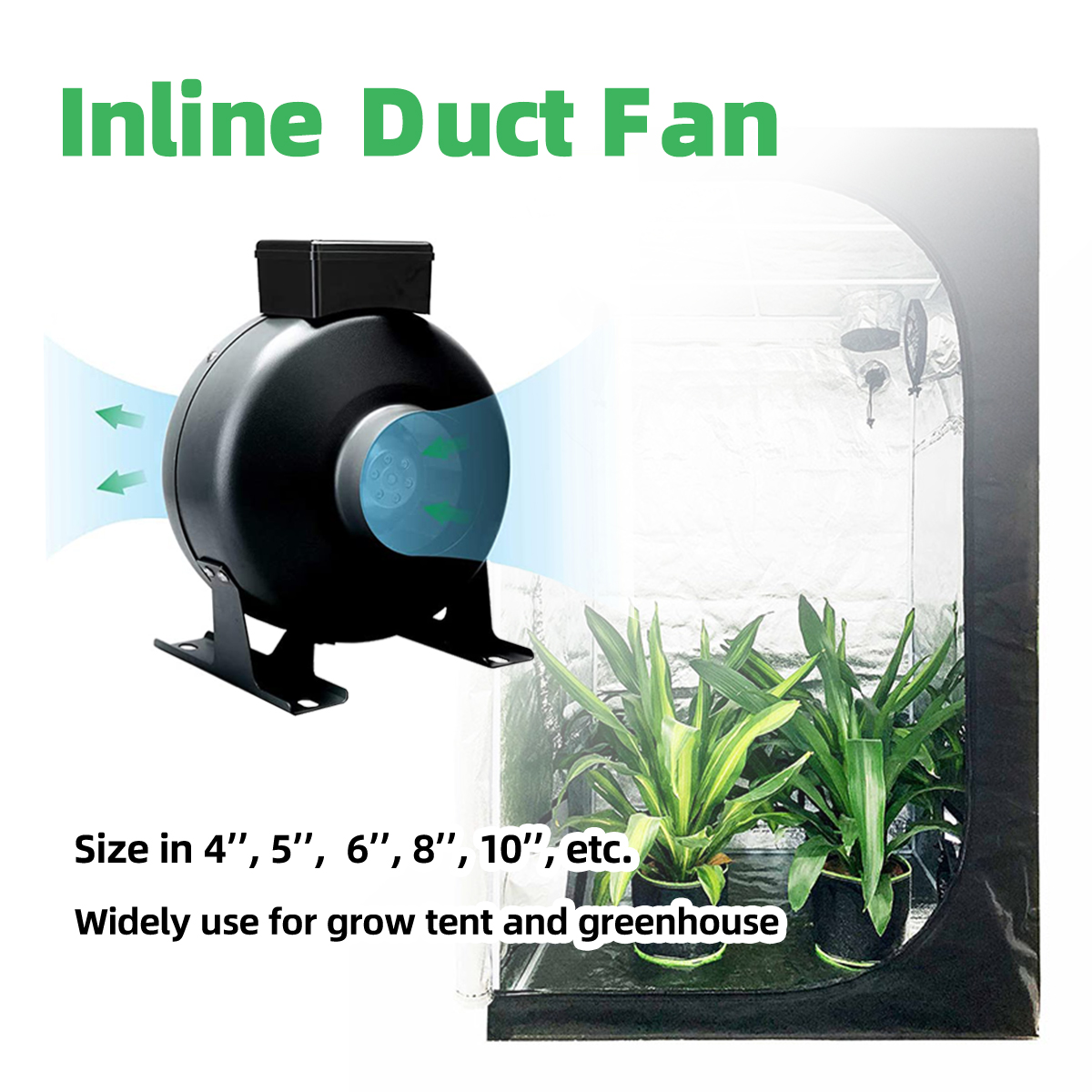
    1pc 8 Inch 720CFM Duct Fan;
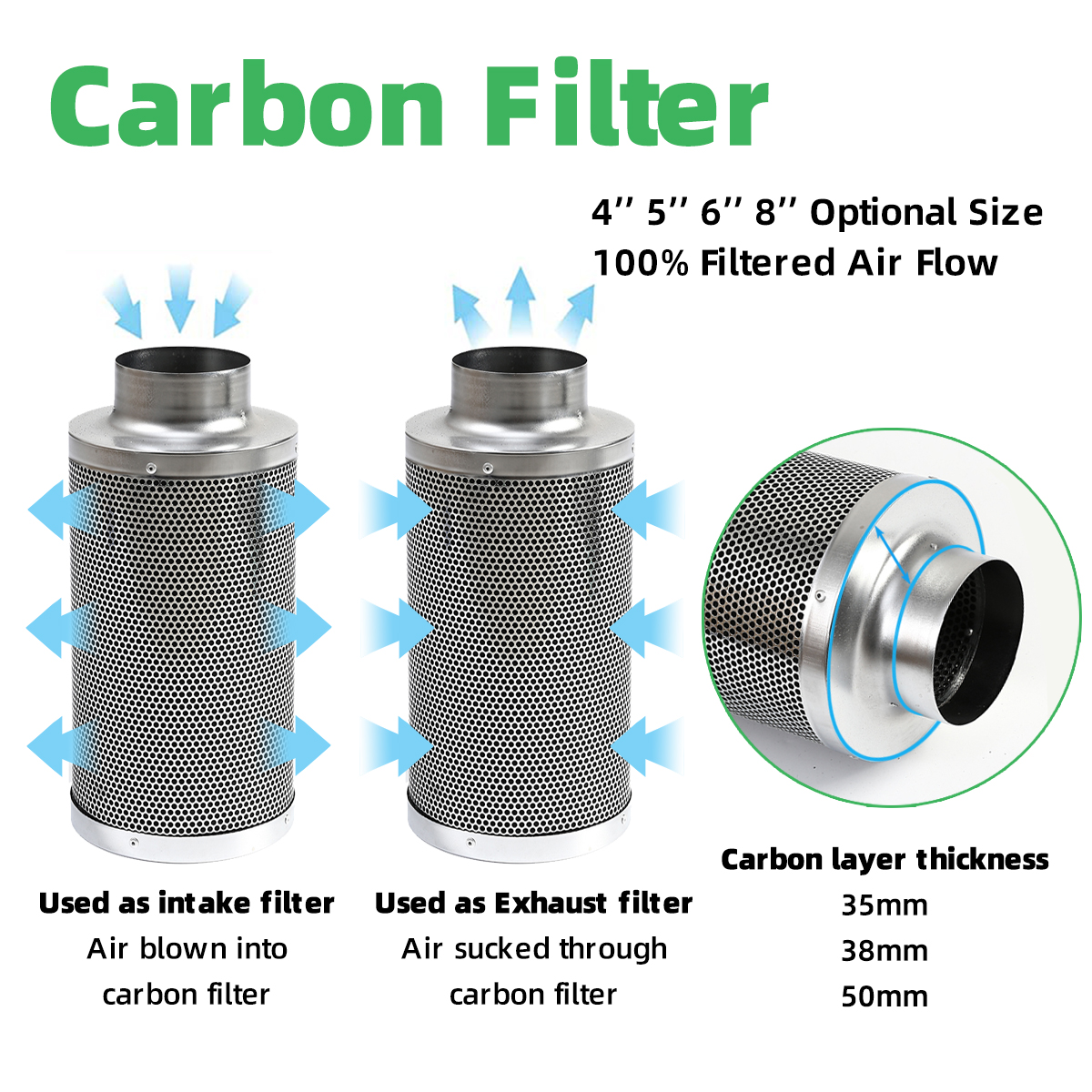
    1pc 8 Inch Air Carbon Filter;
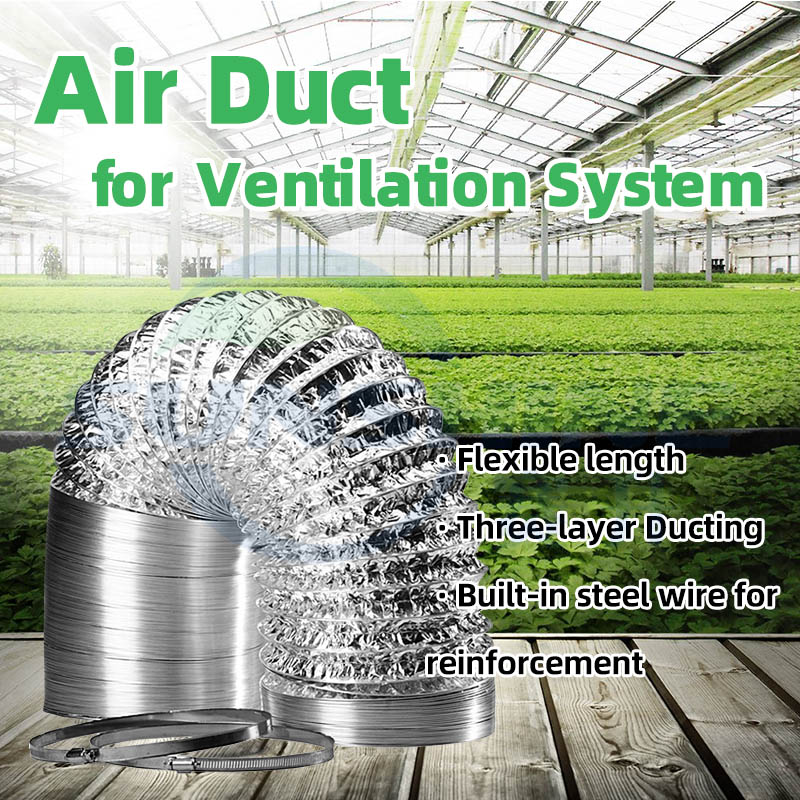
    1pc 8 Inch 10m Length Aluminum Ducting Pipe (2 Clamps Included)
    Duct Size
    8 inch
    Air Flow
    720 CFM
    Fan Type
    Axial Fan, AC Cooper Motor
    Electric Current Type
    AC
    Noise Level
    49/50 dB
    Shell Material
    Alloy Steel, Galvanized Steel, Stainless Steel, Aluminum
    Filtration Material
    Active Carbon
    Filtration Construction
    Cartridge Filter
    Filtration Grade
    Hepa Filter
    Filtration Efficiency
    99.99%
    Applications
    Growing room, Greenhouse, Home use, Industrial Equipment Ventilaion
    Features
    Easily Assembled, Sustainable, ECO FRIENDLY, Pressure Treated Timbers, Renewable Sources
    Various Kits Optional
    Yes
    Factory Direct Supply
    Yes
    Manufacturer Name
    Sunshine Garden
    Manufacture Experience
    More than 11 years
    Customized Support
    OEM, ODM
    Warranty
    2 years
    Package Size
    63x36x58 (cm)
    Gross Weight
    14kg

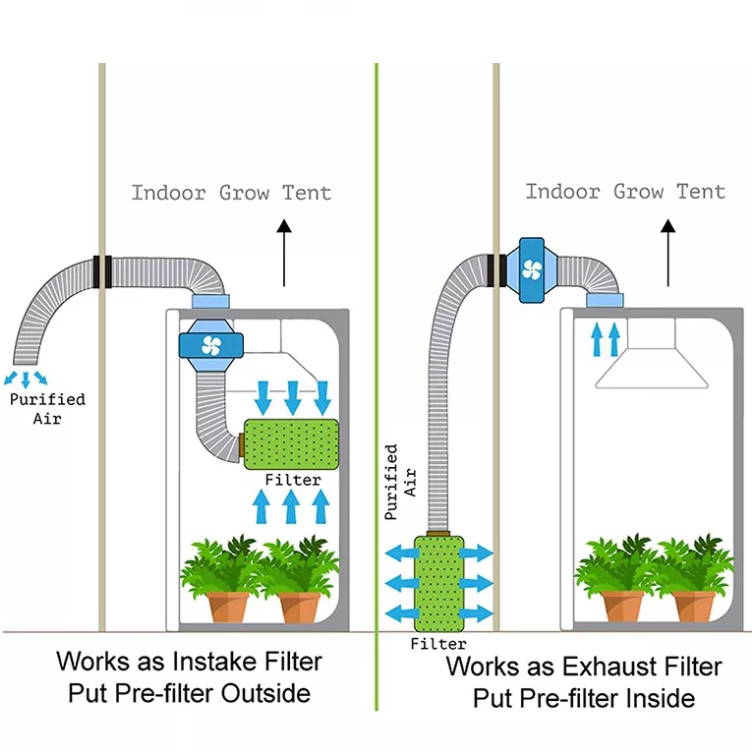
    Growing Ventilation Duct Fan:
    1) Galvanized steel parts come factory painted to resist atmospheric corrosion from humidity; 2) Aerodynamically designed centrifugal impeller delivers extremely strong air flow with a disproportionately low sound profile; 3) Comes conveniently fitted with a 3-speed easy-adjust variable speed controller close to the plug for easy access; 4) Flanges are located on the fan intake and exhaust for hassle free hookup to ducting or other ventilation equipment.

    Active Carbon Air Filter:
    1) Made of activated charcoal with high microporosity, designed to trap gas molecules as well as maintain sufficient airflow in ventilation devices for hydroponic systems;
    2) The porous activated carbon helps eliminate some of the most undesirable, pungent smells and particulates for indoor grow tents, and hydroponics grow rooms; 3) Equipped with a pre-filter cloth that blocks 99% of the particles to prevent the air carbon filter from being clogged and keep it clean; It is recommended to replace the pre-filter every 6 months to protect your filter and ensure well-conditioned use.
    Ventilation System Flexible Ducting Pipe:
    1) Made of heavy-duty dual aluminum foil that is fire/flame resistant, the outer layer adopts grey dual PVC thermoplastic that protects the aluminum from cuts and tears while preventing leakage. 2) Come with two stainless steel clamps to make the installation a breeze; 3) Suitable for working between -22 and 266℉; 4) Designed For Ventilation Applications - HVAC, dryer, grow rooms or tents, etc.
  • If you want to know us, please contact us!

    We always adheres to the quality policy of "Innovation is infinity, to keep improving",adhering to the enterprise tenet of "Veracity,Customer regarded supreme".

    • Company.
    • E-mail*.
    • Name*.
    • Phone.
    • Message*.
About Sunshine
Since 2011
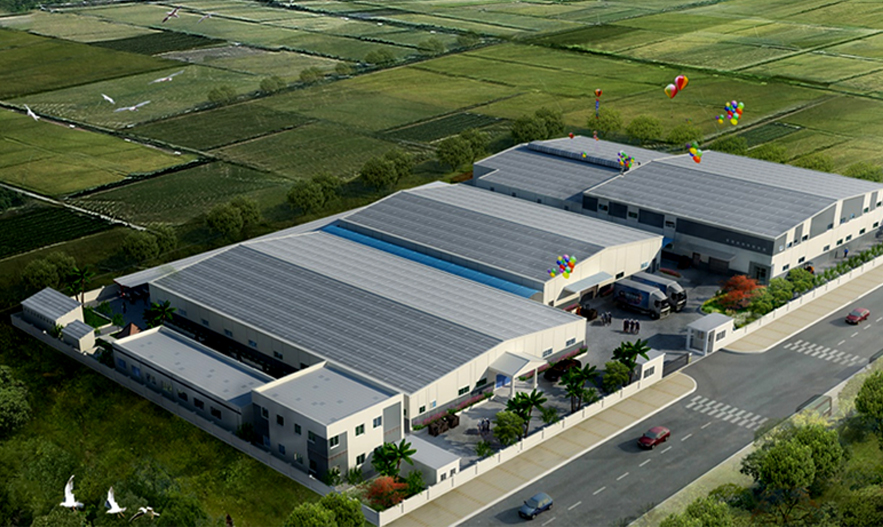
SUNSHINE GARDEN is leading in manufacturing home garden and hydroponic grow equipment in China with 12 years OEM & ODM experience. We are famous 8" Ventilation Kit supplier and manufacturer in China. Our main products can be divided into two series, including Hydroponic Grow Equipmentslike Full completed grow tents and kits, Grow tables and trays, Grow bags, Seeding propagation, another series is Home Garden Products like Mini Greenhouses, Hanging planters, Garden waste bags and so on. Custom made 8" Ventilation Kit to help build your perfect garden and hydroponic grow system.
View More

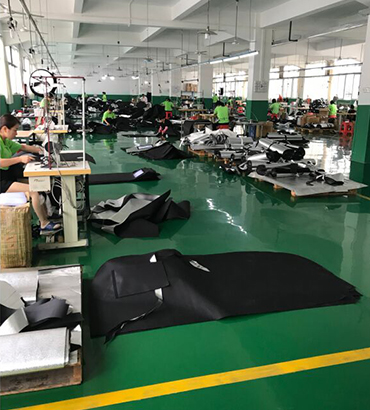
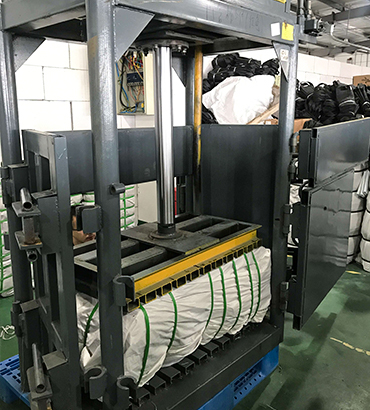
Factory Tour

Offers everything you need to build complete gardening and hydroponic systems.

News
How Does CMH Sodium Light Compare in Real World Lighting Applications
May 08.2026
What Is the Real Difference Between CMH Light and Sodium Light in Everyday Applications CMH Sodium Light is usually mentioned when people compare two lighting types that behave quite differently in real use. CMH lighting gives a more neutral appearance, closer to natural daylight. Sodium lighting looks warmer and leans strongly toward orange tones. In everyday applications, the contrast shows up in simple ways: CMH light makes surfaces easier to distinguish in detail Sodium light creates a stronger warm atmosphere in open areas CMH Sodium Light comparison often starts with how things look under each source One feels more balanced, the other feels more concentrated in tone Choice is often linked to how the space is used rather than the device itself Why CMH Lighting Appears White While Sodium Lighting Has a Distinct Orange Tone The color difference between CMH Sodium Light systems comes from how each one produces visible output. CMH lighting spreads its output more evenly, so the eye receives a mix that feels closer to daylight. Sodium lighting leans heavily into a narrower range, which creates that orange look. Aspect CMH Lighting Sodium Lighting Visual tone Neutral white Warm orange Color impression More natural feel More limited color range Scene appearance Clear and balanced Warm and uniform How CMH and Sodium Light Create Different Light Spectrums and What That Means for Use The way CMH Sodium Light systems produce their output affects how they perform in real settings. CMH lighting spreads its output across a wider range, which helps objects retain more detail and variation. Sodium lighting concentrates its output more tightly, which changes how surfaces are seen. In real use, this leads to different behavior: CMH systems support clearer visual detail Sodium systems create strong coverage in open environments CMH Sodium Light comparison often focuses on balance versus focus Reflection from surfaces changes how light is perceived Different spaces respond differently to each lighting type Typical usage pattern: CMH light fits areas where visual accuracy matters Sodium light fits areas where broad illumination is enough Some setups combine both depending on conditions The difference in spectrum behavior is a key reason CMH Sodium Light is often compared in practical planning. How CMH and Sodium Light Influence Plant Growth in Controlled Environment Cultivation Growth Stage CMH Lighting Role Sodium Lighting Role Early stage Balanced support Limited role Mid stage Stable development Increasing influence Later stage Supportive lighting Stronger response effect Why CMH Lighting Is Often Considered for Indoor Cultivation and Precision Lighting Systems CMH Sodium Light discussions often shift toward indoor environments where control over lighting conditions becomes more important than simple illumination. CMH lighting tends to be associated with situations where a more balanced visual environment is required, especially when small changes in plant or material appearance need to be observed more clearly. The steadier visual output makes it easier to work in spaces where consistency matters across different stages of use. In many indoor cultivation setups, CMH lighting is chosen because it offers a more even visual field that supports observation and adjustment without strong color distortion. This makes it easier to notice subtle changes over time. Sodium lighting can still be present in some systems, but it is usually less associated with precision-oriented environments due to its stronger color shift. Within CMH Sodium Light comparisons, the indoor context often highlights the importance of visual neutrality and stable perception rather than intensity alone. Where Sodium Lighting Is Still Commonly Used in Outdoor and Infrastructure Projects Sodium lighting continues to appear in many outdoor environments where broad and consistent coverage is more relevant than color detail. In CMH Sodium Light comparisons, sodium systems are often linked to large open spaces where visibility over distance is the main concern rather than fine visual accuracy. Roadside environments, extended pathways, and large-scale public areas are typical settings where sodium lighting can still be found. The warm tone helps create a uniform appearance across wide zones, especially where complex color recognition is not required. While newer systems may be introduced in some locations, sodium lighting remains part of established infrastructure layouts due to its long-standing application history. Which Lighting Scenarios Fit CMH or Sodium Light in Industrial and Agricultural Settings In industrial and agricultural contexts, CMH Sodium Light systems are often considered based on how the environment is used and what kind of visual feedback is needed. CMH lighting tends to align with spaces where inspection, monitoring, or controlled processes take place, as it allows for clearer distinction of shapes and conditions. This makes it easier to maintain consistency in environments where visual accuracy supports decision-making. Sodium lighting, in contrast, is often linked to broader coverage areas where uniform illumination is sufficient and fine visual detail is less critical. In agricultural environments, both lighting types may appear in different zones depending on the stage of activity or the layout of the space. CMH Sodium Light comparison in these settings is usually about matching lighting behavior to functional zones rather than selecting a single solution for all areas. How to Decide Between CMH and Sodium Light Based on Project Needs and Operating Conditions When evaluating CMH Sodium Light options, the decision often depends on how the space will be used over time rather than a single fixed factor. CMH lighting is generally associated with environments where visual clarity, consistency, and closer observation are part of daily operation. Sodium lighting tends to fit areas where wide coverage and stable long-term illumination are more relevant. Project conditions such as space layout, usage frequency, and visual requirements all influence how these two lighting types are applied. In some cases, both may appear within the same system design but serve different roles depending on location and function. CMH Sodium Light selection is therefore more about aligning lighting behavior with operational needs than comparing them in isolation. In practical manufacturing and supply considerations, attention is often placed on compatibility with different environments and installation requirements. Within this context, Taizhou Sunshine Garden Products Co., Ltd. is sometimes referenced in relation to lighting-related application support in horticultural and controlled environment setups.
Optimizing Light Conditions for Your Grow Rack
May 01.2026
Optimizing light conditions is crucial for the success of indoor gardening, especially when using a Grow Rack. Proper lighting ensures plants receive the necessary energy for photosynthesis, promoting healthy growth. As a Grow Rack Manufacturer, it’s essential to design systems that allow gardeners to easily adjust light levels to suit their plants’ needs. Types of Light for Grow Racks Natural Light: If you’re setting up your grow rack near windows, natural sunlight is a good option. However, it may not provide consistent lighting, especially in areas with limited sunlight or during cloudy days. Using natural light in combination with artificial light can enhance plant growth. Artificial Light: For consistent and controllable light conditions, artificial lights such as LED grow lights, fluorescent lights, and high-intensity discharge (HID) lights are ideal. These lights can be adjusted to provide specific light spectrums that plants need at various growth stages. LED Grow Lights: These are energy-efficient and provide a full spectrum of light. LED lights also produce less heat, reducing the risk of burning plants. Fluorescent Lights: Ideal for small-scale indoor gardening, fluorescent lights are affordable and efficient, though they may not be as intense as LED or HID lights. HID Lights: High-intensity discharge lights are suitable for large-scale grow racks, as they provide powerful light but also generate significant heat. Proper ventilation is needed when using these lights. Adjusting Light Placement for Suitable Coverage Positioning Light Sources: The light source should be placed directly above the plants to ensure even light distribution. This prevents uneven growth, where plants on one side of the rack may receive more light than others. Adjustable Height: Many Grow Rack Manufacturer designs allow for adjustable light fixtures. Raising or lowering lights as plants grow ensures they don’t get too close to the light, which could cause burning, or too far, reducing light intensity. Reflective Surfaces: Utilize reflective materials, such as Mylar or white paint, around your grow rack to improve light efficiency. These surfaces bounce light back onto the plants, improving light distribution without the need for additional energy use. Light Duration and Timing Photoperiod for Plants: Different plants have varying light requirements. Plants thrive on a 12 to 16-hour light cycle per day, with a dark period for rest. Use timers to regulate the light cycle and ensure consistency. Adjusting for Plant Growth Stages: Seedlings and vegetative plants generally require more light, while flowering or fruiting plants may need less intense light. As a general rule, increase light intensity during the vegetative stage and reduce it during flowering. Managing Heat and Temperature Controlling Heat Output: Excess heat from lights, particularly HID lights, can stress plants and reduce their growth rate. Ensure your grow rack is equipped with adequate ventilation or fans to dissipate heat and maintain a suitable temperature range (generally between 65°F and 75°F for plants). Distance from Plants: Maintain an appropriate distance between the light source and plants. LED and fluorescent lights can be placed closer, while HID lights should be kept further away to prevent overheating. Optimizing light conditions for your grow rack involves using the right combination of light sources, adjusting light placement, and controlling light duration. Whether you are using natural light, LED grow lights, or other artificial light sources, consistency and proper setup are key to ensuring healthy plant growth.
Plastic Garden Sheds: Material Characteristics and Advantages for Outdoor Storage
Apr 28.2026
Advantages for Outdoor Storage (Why End Customers Choose Plastic) From a wholesale standpoint, these advantages translate directly into higher sales velocity and lower return rates. 1. Zero Rust – Permanent Outdoor Solution Metal sheds: Rust within 2–3 years near coast or in rain Plastic sheds: Hose it down, wipe it dry – like new Wholesale impact: No "rust warranty claims" – your profit stays intact 2. No Rot, No Termites, No Painting Wood sheds: Require annual staining, risk termite damage, rot in wet soil Plastic sheds: Install directly on grass, soil, or concrete pad – no ground barrier needed Wholesale impact: Accessory upselling (shelves, hooks) becomes primary revenue – not repair parts 3. Breathable but Waterproof – Mold Prevention Solid walls: No moisture gets in Vented roof design: Hot air escapes, condensation drains out Result: Stored items (cushions, seeds, paper goods) stay dry and mildew-free 4. Thermal Stability – Won't Warp or Expand Coefficient of linear thermal expansion (CLTE): ~5–7 × 10⁻⁵ /°C Real-world meaning: A 1.2m panel expands <1mm between -10°C and 40°C. No buckling, no gap opening. 5. Impact Resistant – Survives Delivery & Daily Use Izod impact strength (notched): 5–8 kJ/m² Practical test: A thrown baseball or kicked soccer ball leaves no dent Wholesale benefit: Breakage during shipping <0.5% – unlike brittle recycled plastics Contact our wholesale desk:WhatsApp/WeChat: [+86-13738692658]Email: wholesale@[[email protected]]Request: Wholesale catalog + MOQ price sheet .
Steel Cottage Shed vs Wooden Storage Shed: Pros and Cons
Apr 24.2026
When it comes to garden storage, choosing between a Steel Cottage Shed and a wooden storage shed can be a tough decision. Both options have their unique benefits and drawbacks. A Steel Cottage Shed offers durability and low maintenance, while wooden sheds provide a more traditional, aesthetic appeal. Advantages of a Steel Cottage Shed Durability: One of the big advantages of a Steel Cottage Shed is its durability. Steel is resistant to weather conditions such as rain, snow, and bad temperatures. Unlike wood, steel does not warp, crack, or rot, making it a good choice for long-term storage. Low Maintenance: A steel shed requires minimal maintenance compared to wooden sheds. While wood needs to be treated or repainted regularly to prevent rot and pests, a Steel Cottage Shed only needs occasional cleaning to maintain its appearance and function. Pest Resistance: Steel sheds are not susceptible to termites, rodents, or other pests that can damage wood. This makes steel a better choice for areas with high pest activity. Security: Steel is a stronger material than wood, making steel sheds more secure. It is more difficult for intruders to break into a steel shed, offering better protection for valuable tools and equipment. Advantages of a Wooden Storage Shed Aesthetic Appeal: Wooden sheds often have a more traditional and rustic appearance, which many homeowners prefer for aesthetic reasons. A well-designed wooden shed can blend beautifully into a garden or backyard setting. Customization: Wood offers more flexibility when it comes to customization. Homeowners can easily paint, stain, or add decorative elements to a wooden shed, giving it a personal touch that may be harder to achieve with steel. Natural Insulation: Wood naturally provides better insulation than steel, keeping the interior cooler in the summer and warmer in the winter. This can be beneficial for storing more temperature-sensitive items. Environmentally Friendly: Wood is a renewable resource, and a wooden shed can be more environmentally friendly compared to steel, which requires more energy to produce. If sustainably sourced, wood can be a greener choice for eco-conscious individuals. Disadvantages of a Steel Cottage Shed Heat Retention: While a Steel Cottage Shed is durable, steel can absorb and retain heat, making the interior of the shed uncomfortably hot during the summer months. This can be problematic for storing certain items that are sensitive to temperature changes. Limited Aesthetic Flexibility: Steel sheds often have a more utilitarian appearance, which may not suit everyone’s tastes. Although they can be painted, they lack the warm, natural look that wood offers. Initial Cost: Steel sheds tend to have a higher upfront cost compared to wooden sheds, though they can save money in the long run due to lower maintenance costs. Disadvantages of a Wooden Storage Shed Maintenance Requirements: Wood requires regular maintenance to keep it in good condition. This includes treating the wood to prevent rot, repainting to avoid weather damage, and ensuring that it remains pest-free. Vulnerability to Pests: Wooden sheds are more prone to damage from termites, rot, and other pests, which can shorten the lifespan of the shed if not properly treated. Susceptibility to Weather Damage: Wood is more susceptible to weathering and can warp, crack, or shrink over time when exposed to moisture or bad temperatures, requiring repairs or replacement.

Recommended Products

8

8" Ventilation Kit

Grow Tent Ventilation Kit Duct Fan Air Circulation Vent BlowerPerfect for grow tents, greenhouses, h...

6

6" Ventilation Kit

Grow Tent Ventilation Kit Duct Fan Air Circulation Vent BlowerPerfect for grow tents, greenhouses, h...

4

4" Ventilation Kit

Grow Tent Ventilation Kit Duct Fan Air Circulation Vent BlowerPerfect for grow tents, greenhouses, h...

Grow Tent Ventilation Kit

Grow Tent Ventilation Kit

Grow Tent Ventilation Kit Duct Fan Air Circulation Vent BlowerPerfect for grow tents, greenhouses, h...