Pocket Vertical Planter

Home / Products / Garden Pots & Planters / Felt Pot / 2-72 Pockets Vertical Planter
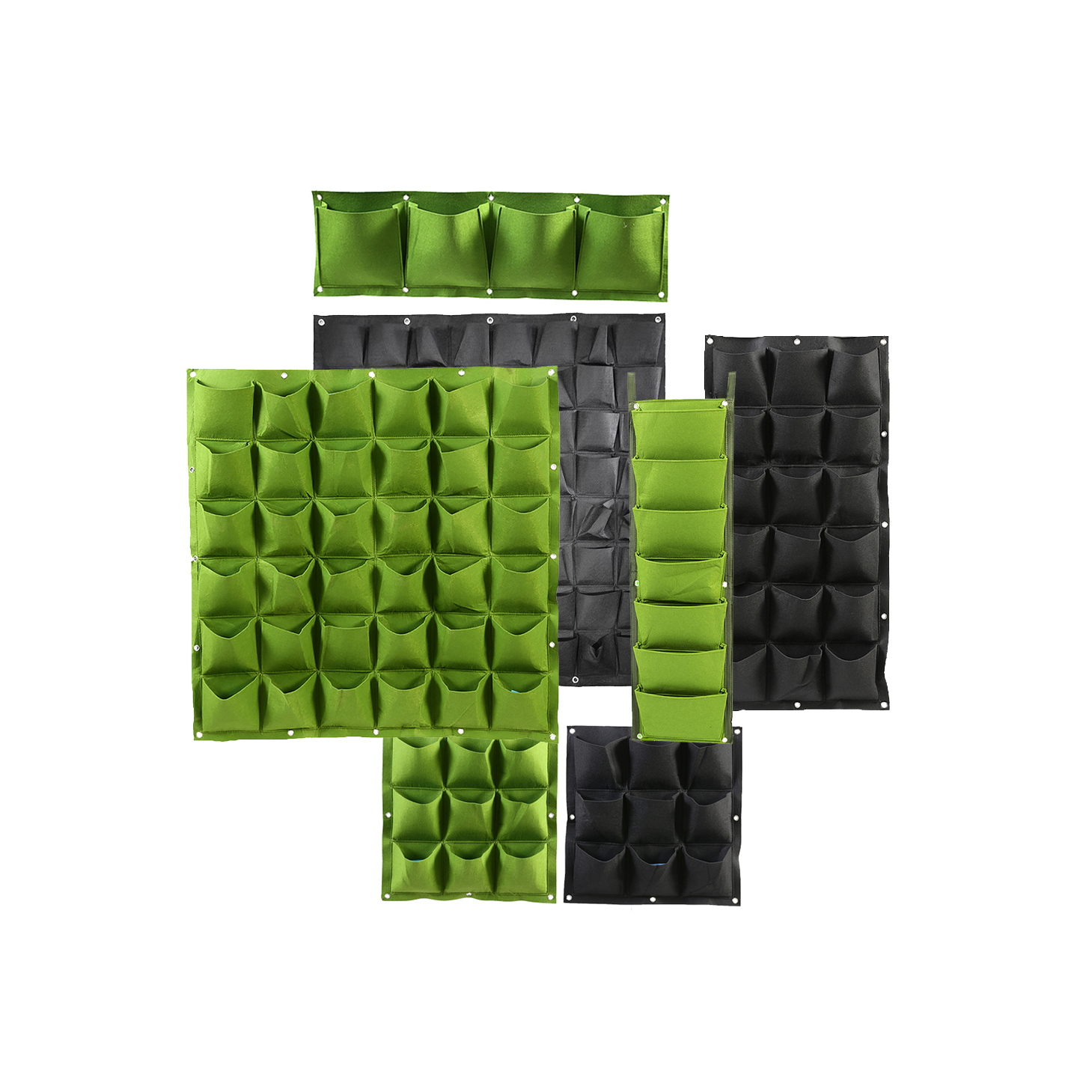
  • Compact horizontal multi-pocket fabric felt planter for flowers, herbs, and succulents.
  • Space-saving vertical long strip wall planter pocket bag perfect for narrow patio pillars.
  • High-capacity pocket configuration planter for creating living green walls and fences.
  • Breathable felt pockets hold plants securely while maintaining ideal soil moisture.
  • Features heavy-duty webbing belts and buckles for easy hanging setup on rail bars.
  • Strong felt fabric layers with double stitching to prevent tearing under heavy soil loads.
Various specifications of breathable felt vertical planter bags for indoor outdoor walls.

2-72 Pockets Vertical Planter

The 2-72 Pockets Vertical Planter is a super practical fabric planting layout built to grow your herbs, flowers, salad greens, and small plants when floor space is tight. Cranking out options from 2 clear up to 72 pockets, it lets you arrange your plants vertically so you can make real use of bare walls, railings, small balconies, patios, or empty garden corners.The breathable fabric frame lets a ton of air circulate around the root zones, giving your different plants a solid growing environment without waterlogging the soil. Its lightweight structure keeps installation and moving things around completely un-fussy, while the individual pocket slots do a decent job of keeping your crops organized. It drops right into home backyards, small nurseries, landscaping jobs, and vertical planting setups.

Contact us

  • Details
  • leave a message
  • These new and high quality felt made plant grow bags is great for growing herbs, flowers and vegetables at your kitchen window, balcony, patio, garden and other places.
    It can be hanged on walls or handrails which is very space saving and it will create a bright feature wall or vertical herb garden for you.
    Product
    2-72 Pockets Vertical Planter Wall Grow Bags
    Material
    Non Woven Felt
    Color
    Black, Green (customizble)
    Pocket Quantity
    2-72 pockets  (customizble)
    Size
    As per model
    MOQ
    200pcs
    Features
    1) Made of environment friendly non woven fabric, allow roots breathable and healthier. 
    2) Booster better roots aeration and access to oxygen, resulting in a vigorous plant with more flowers and fruits. 
    3) No-strap water design prevent over watering of plants. 
    4) Keep roots warmer in winter and cooler in the summer. 
    5) Sturdy handle straps easier transportation. 
    6) Decrease risk of transplant shock.
    Customer-Made
    Color/Logo/Style can be customized.
    Notes
    Please note that you can use rope or screws to fixed the plant grow bags on the wall or handrail, and you should prepare the rope or screws by yourself.

  • If you want to know us, please contact us!

    We always adheres to the quality policy of "Innovation is infinity, to keep improving",adhering to the enterprise tenet of "Veracity,Customer regarded supreme".

    • Company.
    • E-mail*.
    • Name*.
    • Phone.
    • Message*.
About Sunshine
Since 2011
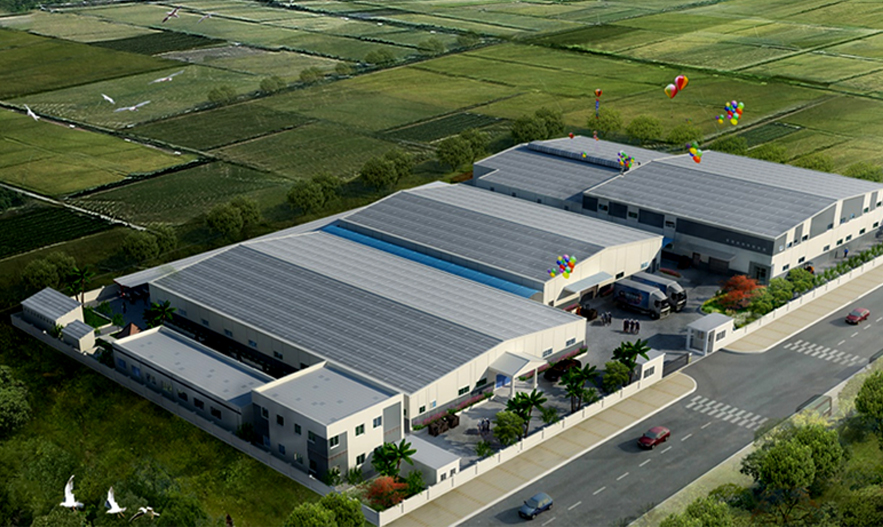
SUNSHINE GARDEN is leading in manufacturing home garden and hydroponic grow equipment in China with 12 years OEM & ODM experience. We are famous Pocket Vertical Planter supplier and manufacturer in China. Our main products can be divided into two series, including Hydroponic Grow Equipmentslike Full completed grow tents and kits, Grow tables and trays, Grow bags, Seeding propagation, another series is Home Garden Products like Mini Greenhouses, Hanging planters, Garden waste bags and so on. Custom made 2-72 Pockets Vertical Planter to help build your perfect garden and hydroponic grow system.
View More

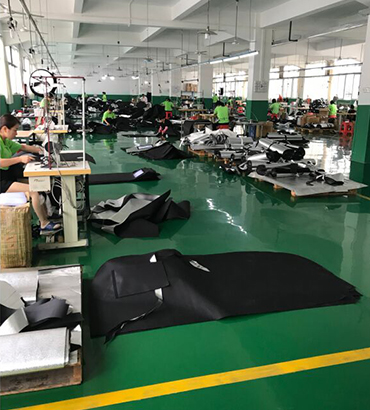
Factory Tour

Offers everything you need to build complete gardening and hydroponic systems.

News
How Do Ballasts Affect the Performance of Sodium Grow Lights
Sep 18.2026
A sodium grow light may look like a genuinely simple lighting unit sitting above a plant bench, but several components need to work together before the lamp can operate properly. The lamp itself produces light, while the ballast manages the electrical conditions required for the lamp to start and continue running throughout the day. This relationship becomes especially important in a Sodium Grow Light system used across a working greenhouse. A suitable ballast helps control the electrical supply during startup and normal operation, while an unsuitable or poorly matched ballast can create unstable operation, repeated starting attempts, or unusual lamp behavior that frustrates the grower. The ballast is therefore not just an accessory placed between the power source and the lamp on a shelf. It's part of the operating system as a whole. Understanding its role can help users, installers, and lighting manufacturers genuinely understand why two similar-looking fixtures may behave quite differently in actual use. Why Does a Sodium Grow Light Need a Ballast? A sodium lamp doesn't behave like an ordinary household lamp that can simply get connected directly to a power supply on the wall. Its electrical behavior changes during startup and operation, so the system needs a component that helps manage the conditions around the lamp itself. The ballast provides this control throughout the process. During startup, the lamp needs suitable electrical support to begin its discharge process inside the glass. Operating Stage Ballast Role Startup Supports the lamp as it begins operation Initial operation Helps establish stable running conditions Normal operation Helps regulate the electrical supply Restart Supports another starting cycle after shutdown Once the lamp is operating steadily, the ballast helps keep the electrical conditions within a usable range throughout the growing cycle. Without suitable control, the lamp may not behave as intended by the manufacturer. The exact behavior depends on the lamp, ballast, fixture, and power supply used together as a complete unit. This is why the ballast should get considered as part of the complete lighting system, rather than as a separate replacement component picked off a shelf. How Does the Ballast Support Lamp Startup? Startup is a noticeable stage in sodium lighting, especially for growers watching the fixture come on. When a lamp is switched on, it does not immediately operate in the same way as it does during normal operation. The internal conditions need to change before the lamp can settle into its regular operating state. The ballast supports this transition by helping provide the electrical conditions needed for the lamp to begin operating properly. Startup Step What Happens Power reaches the system Electricity arrives at the fixture Starting system initiates Lamp operation begins Internal discharge starts Lamp begins its process Conditions stabilize Operation gradually settles Ballast manages supply Continued regulation follows Some systems also use a separate starting component or an integrated starting function built into the housing. The exact arrangement depends genuinely on the design of the Sodium Grow Lights being used in that particular installation. This explains why a lamp may behave differently immediately after switching on, compared with its later operation once warmed up. If the starting process repeatedly fails, the issue may not come from the lamp alone sitting in the socket. The ballast, starter, connections, and incoming power supply can all be genuinely relevant to the failure. What Happens When the Ballast Does Not Match the Lamp? A ballast and lamp get designed to work as a pair or as part of a defined system planned by the manufacturer. If their operating requirements don't correspond, the result can be genuinely inconsistent behavior that confuses the operator. A mismatch can appear in several ways during actual use. The lamp may have difficulty starting at all, sitting dark despite power reaching the fixture. Possible Mismatch Possible Operating Result Incorrect ballast type Starting problems Incompatible electrical characteristics Unstable lamp operation Worn ballast Irregular performance Poor connection Intermittent operation Unsuitable replacement Repeated shutdown or restart It may switch off unexpectedly or repeatedly attempt to restart without success, cycling on and off in a way that wastes energy. In some situations, the lamp may operate but show genuinely unstable behavior that varies throughout the day. The problem isn't always obvious from a visual inspection of the fixture alone. For this reason, replacing a ballast should involve checking the lamp and fixture specifications, rather than selecting a component based only on physical size that happens to fit the housing. A ballast that fits inside the housing isn't necessarily suitable for the complete lighting system it's meant to serve. How Does the Ballast Help Maintain Stable Lamp Operation? After startup is complete, the ballast continues to play an important role throughout the lamp's operating cycle. A sodium lamp can change its electrical behavior as it settles into its normal operating state during the initial part of operation. The ballast helps prevent the electrical supply from changing in ways that could interfere with normal lamp operation later in the cycle. This creates a controlled relationship between the incoming power and the lamp itself. System Link Function Power supply Provides incoming electricity Ballast Regulates electrical conditions Starting system Initiates the discharge process Lamp Produces the actual light Fixture Houses and protects components Stable operation also depends on other parts of the system beyond just the ballast itself. Loose wiring, poor connections, an unsuitable power source, or damaged components can genuinely affect the result seen at the plant canopy. The ballast can't correct every external problem on its own, no matter how well designed. This is why troubleshooting should consider the whole system, instead of immediately assuming that the lamp itself has failed when something goes wrong. Why Is Power Supply Stability Important for HPS Grow Light Fixtures? A HPS Grow Light Fixture depends genuinely on a stable electrical connection to support the lamp and ballast working together throughout a growing season. Changes in the incoming supply can affect how the system starts and operates day to day. If the available power gets interrupted or becomes unsuitable, the lamp may shut down or fail to restart normally afterward. The ballast is designed to work within the electrical conditions specified for that particular fixture. Installation Factor Relevance Wiring quality Affects overall reliability Switching arrangement Influences startup consistency Circuit protection Guards against electrical issues Ballast compatibility Determines proper matching Shared electrical load Impacts multiple fixtures together It doesn't function as a general-purpose device that can make any power source suitable for the job. This distinction matters quite a bit in growing facilities where several lighting units may share the same electrical system running through the building. If multiple fixtures operate together across a grow room, installers need to consider how the lighting system connects to the available power source. A stable installation therefore begins well before the lamps are switched on. How Can Ballast Condition Affect Sodium Grow Lights? A ballast can genuinely change with age and repeated use over months and years of operation. Internal components may gradually lose their intended operating characteristics, while connections can also become less reliable over time. Users may notice changes in the way a Sodium Grow Light starts or operates as the fixture ages. Possible signs include unusual starting behavior, repeated attempts to ignite the lamp, unexpected shutdowns, or changes in normal operation throughout the cycle. Observation Consideration Does the lamp start normally? Baseline startup check Does it remain on after startup? Sustained operation check Are there visible signs of damage? Physical inspection Are connections secure? Wiring integrity check Does one fixture or several show issues? Pattern identification Was another component recently replaced? Recent change review These signs don't automatically prove that the ballast is faulty on its own. The lamp, starter, wiring, socket, and power source should also get considered before jumping to conclusions. A practical inspection can begin with simple observations made by anyone tending the grow room. Looking at the pattern can genuinely help narrow down the possible cause before ordering replacement parts. What Role Does the Ballast Play During Lamp Restart? Restarting can be genuinely different from initial startup in ways that surprise new growers. If a sodium lamp has just been switched off, its internal condition may not immediately allow normal operation again right away. The system may need to wait until suitable conditions return before another starting attempt can succeed properly. This is why some High Sodium Grow Lights may not come back on immediately after an interruption in power. Restart Factor Effect Recent shutdown Internal conditions still settling Waiting period Required before successful restart Ballast and starter interaction Manages the attempt Unsuitable timing May cause repeated attempts The ballast and starting components work together during this process to manage the transition properly. If the system attempts to restart under unsuitable conditions, repeated starting attempts may occur that seem alarming. The restart behavior should therefore get understood as part of normal lamp operation, rather than automatically treated as a defect requiring replacement. However, repeated or prolonged restart problems can genuinely indicate an issue with the lamp, ballast, starter, wiring, or power supply feeding the fixture. How Does Ballast Design Influence the HPS System? An HPS system includes genuinely more than the lamp itself sitting in the reflector. The fixture, ballast, starting components, socket, wiring, and reflector or housing all form part of the operating arrangement working together. The ballast needs to fit into this system both physically and electrically, without creating awkward compromises. Its location inside the fixture can also matter quite a bit for long-term reliability. Fixture Area Ballast-Related Consideration Electrical connection Secure connection to the system Internal space Suitable component placement Housing Protection during normal use Wiring path Clear and practical routing Maintenance access Easier inspection and replacement Ballasts operate as electrical components and can produce heat during normal operation over hours of running. The fixture therefore needs to provide a suitable environment for the components used inside it, away from excess moisture or dust. A well-planned fixture makes it genuinely easier to maintain the relationship between the ballast and the lamp throughout years of use in a working facility. Can Different Sodium Grow Lights Use Different Ballast Arrangements? Yes, genuinely so. Sodium lighting systems aren't all built in exactly the same way across every manufacturer and product line. Different lamp designs and fixture structures can use genuinely different ballast arrangements suited to their particular purpose. Some systems place supporting components inside the fixture itself, while others use a separate enclosure or another installation format entirely. This means users should avoid assuming that a ballast from one fixture can automatically get transferred to another without checking. Consideration Why It Matters Physical connection appearance May look similar despite differences Operating requirements Can differ significantly beneath the surface Product documentation Clarifies actual compatibility Fixture design Shapes which ballast arrangement fits The physical connection may look genuinely similar, while the operating requirements are actually quite different underneath. For buyers and installers, the complete product information matters a lot more than appearance alone when making a purchasing decision. This is especially important when replacing older components in an existing lighting installation that's been running for years without documentation nearby. How Can Ballasts Affect Troubleshooting? When a sodium lamp doesn't operate normally, the ballast is one possible area worth inspecting among several others. However, troubleshooting becomes genuinely more useful when it follows the sequence of the system logically. A lamp that doesn't start may have an issue with the power supply or starting circuit feeding it. A lamp that starts and then switches off may involve another part of the operating system entirely. Troubleshooting Step Focus Check fixture power Confirms electricity is reaching the unit Inspect wiring Looks for visible damage or looseness Check lamp condition Rules out lamp-specific issues Consider starting components Examines the ignition process Inspect ballast and connections Reviews regulation function Compare with fixture requirements Confirms overall compatibility Electrical inspection should get carried out by appropriately qualified personnel familiar with the equipment involved. Opening or testing a lighting fixture without suitable knowledge can genuinely create safety risks worth avoiding. The important point is that ballast problems can sometimes look genuinely like lamp problems to an untrained eye. Looking at the complete system helps avoid replacing the wrong component and wasting money. Why Does Ballast Compatibility Matter When Replacing Parts? Replacement work can create genuinely unexpected problems when only one component gets considered in isolation. For example, a user may replace an old ballast because the lamp isn't starting correctly one morning. If the new ballast doesn't match the lamp and fixture, the original issue may remain unresolved or new operating problems may appear instead. A replacement should therefore get treated as part of a system, rather than as an isolated purchase made in a hurry. Replacement Question Why It Matters Does it match the lamp? Supports suitable operation Does it suit the fixture? Helps maintain system compatibility Is the starting arrangement suitable? Supports startup Are the connections compatible? Helps avoid installation problems Does it fit the intended application? Keeps configuration consistent This approach can also genuinely reduce unnecessary trial and error during maintenance, saving time and money over the growing season. Checking these questions before ordering can prevent a repeat trip to the supplier. How Can Fixture Manufacturers Improve Ballast Integration? For manufacturers of sodium lighting equipment, ballast integration genuinely begins during fixture development, long before the product reaches a shelf. The ballast needs to work with the lamp, starting system, electrical connections, housing, and maintenance arrangement as one coherent whole. Treating these elements as separate pieces can make the final fixture genuinely harder to install or service down the line. A manufacturer can consider how the ballast will get accessed, how wiring will get routed, and how the component will remain protected during normal fixture use. Design Focus Manufacturer Benefit Access planning Eases future maintenance Wiring layout Reduces installation errors Component protection Extends operating life Clear compatibility labeling Helps installers and buyers Clear identification of compatible components can also genuinely help installers and replacement-part buyers working years after the original installation. This is especially useful when a fixture may get used for many years and individual components eventually need inspection or replacement. The design should make the relationship between the lamp and ballast genuinely understandable, rather than leaving users to determine compatibility through trial and error in the field. What Should Users Look For When a Sodium Grow Light Behaves Differently? A change in lamp behavior can have several genuinely possible causes worth working through methodically. A slow or unsuccessful startup may point toward the starting circuit, ballast, lamp, or power supply feeding the fixture. Unexpected shutdowns may involve operating conditions or component wear accumulated over time. Repeated restarting may require a genuinely closer inspection of the complete fixture rather than a quick swap. Observation Next Step Single fixture affected Focus on individual components Multiple fixtures affected together Check shared electrical supply Problem timing recorded Helps identify patterns Recent changes noted Narrows down likely cause Users can note when the problem occurs and whether other fixtures show similar behavior around the same time. If only one unit behaves differently, its individual components may need closer attention. If several fixtures experience the same issue at the same time, the shared electrical supply or installation may also need inspection by someone qualified. This type of observation can make maintenance genuinely more focused and less like guesswork. It also reinforces an important point about Sodium Grow Lights worth remembering: the visible lamp is only one part of the operating system. The ballast, starting arrangement, electrical supply, and fixture structure all influence how the lamp behaves during startup and normal operation throughout its working life.
From Steel Panel to Finished Tool Shed: What B2B Buyers Should Know About Manufacturing
Sep 16.2026
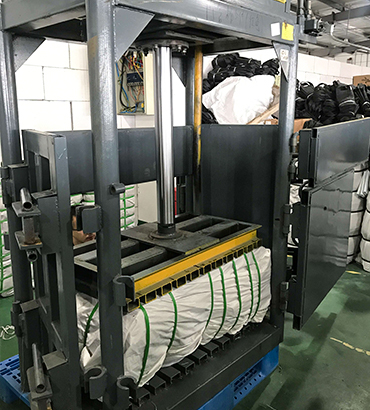
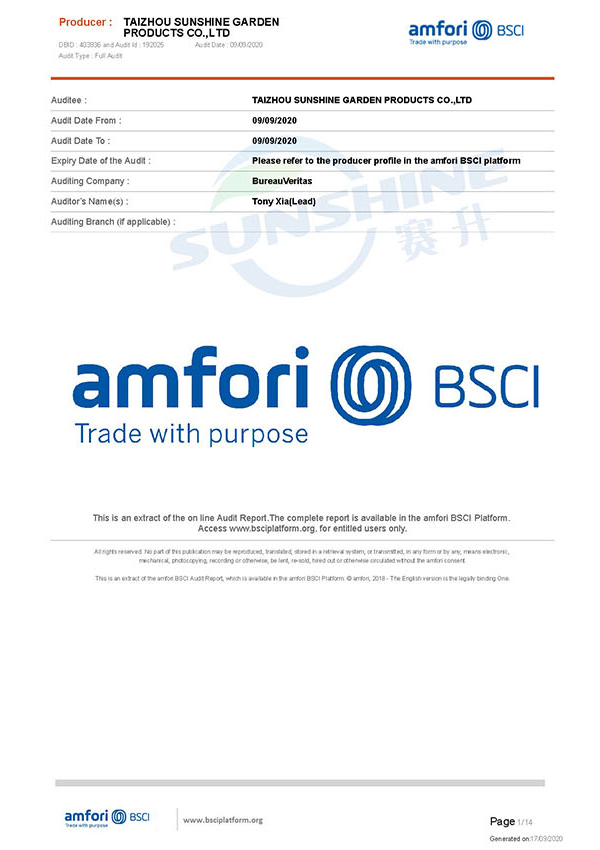
A metal tool shed is often judged by its finished appearance: the roof profile, door style, window layout and color. For importers, distributors and project buyers, however, the more important questions begin behind the finished product. How are the panels formed? Can the factory maintain consistent specifications across repeat orders? Are customized sizes, RAL colors, logos and packaging available? What information should be confirmed before mass production? This article looks at the metal tool shed from a manufacturing and procurement perspective, helping buyers evaluate both the product and the factory behind it. 1. A Tool Shed Is a System, Not Just a Set of Panels A complete metal tool shed combines several elements: Corrugated steel wall and roof panels A supporting frame and connecting components A door system and related hardware Roof, corner and edge profiles Ventilation openings where specified Optional windows Fasteners and installation accessories Packaging designed to protect multiple components in transit These elements must work together. A visually attractive panel color cannot compensate for unclear door access, missing parts or unsuitable packaging. For this reason, professional buyers should review the complete specification rather than selecting a model from appearance alone. 2. Begin with the Intended Storage Application The product type should match what the end customer plans to store. Common applications include: Hand tools and gardening equipment Lawn mowers and maintenance machinery Bicycles and outdoor sports equipment Seasonal household items Firewood Waste bins Larger equipment requiring garage-style access A compact pent-roof shed can suit tools, bicycles or bins, while an apex-roof structure may be preferred for general garden storage or larger floor areas. Car garages, log stores and cottage-style sheds serve different functions and should not be evaluated by the same layout criteria. Before selecting a model, buyers should define: The largest item that must pass through the door The required floor area and internal movement space The installation-site dimensions The preferred roof profile Whether windows or ventilation openings are required Whether shelving will be installed against the walls 3. Product Range and Configurable Structures Our factory supplies several types of metal garden buildings for different storage applications. Product Type Size Range Panel Thickness Options Roof Type Basic Metal Shed 6 × 4 ft to 10 × 12 ft 0.25 / 0.30 mm Apex or pent Wood-Grain Metal Shed 8 × 6 ft to 10 × 12 ft 0.25 / 0.30 mm Apex Pent Metal Shed 5 × 3 ft to 8 × 6 ft 0.25 / 0.30 mm Pent or lean-to Cottage Storage Shed 8 × 6 ft to 12 × 10 ft 0.25 / 0.30 mm Apex with window Car Garage 10 × 20 ft to 13 × 20 ft 0.25 / 0.30 mm Apex Bicycle Shed 5 × 7 ft to 8 × 7 ft 0.25 / 0.30 mm Pent Log Store 5 × 3 ft to 7 × 3 ft 0.25 / 0.30 mm Open frame Garbage Shed 5 × 3 ft to 6 × 3 ft 0.25 / 0.30 mm Pent The applicable panel thickness, dimensions and configuration should be confirmed for the selected model. Customized specifications should be reviewed before quotation and sampling. 4. Why Corrugated Color-Steel Panels Are Used Our metal tool sheds use corrugated color-steel panels, with galvanized treatment specified for relevant products. The corrugated profile gives the panel a formed structure and creates the familiar appearance of a metal garden building. From a purchasing perspective, buyers should confirm more than the general material name. Important questions include: What panel thickness applies to the selected model? What surface treatment is specified? What color reference will be used? Which structural and connecting components are included? Are material documents or applicable test records available? Will the approved sample and mass-production specification be aligned? Terms such as “heavy duty,” “weatherproof” or “maintenance free” should not be used as substitutes for documented product information. Any performance claim should be supported by an applicable test, specification or other verifiable evidence. 5. Door Access Should Be Confirmed Early Tool sheds are frequently used for bulky items, so door access can be more important than the nominal floor size. Depending on the model, hinged or sliding doors may be available. Before confirming an order, buyers should check: Door-opening width and height Single-door or double-door construction Hinged or sliding operation Handle and locking arrangement Threshold structure Clearance required outside the shed A larger shed does not automatically guarantee that a particular lawn mower, bicycle or machine can pass through its door. Buyers with specific access requirements should provide the equipment dimensions and request the corresponding door-opening data. 6. Roof, Window and Ventilation Decisions Roof optionsThe available range includes apex, pent, lean-to and open-frame structures. Roof selection influences product appearance, positioning and installation planning. Drainage direction and local site conditions should also be considered. WindowsA window can provide natural light and may be included in cottage-style or customized configurations. Its position should be coordinated with the planned shelving layout and privacy requirements. VentilationVentilation openings support air movement in relevant models. However, ventilation alone should not be presented as proof that a shed prevents condensation, moisture or mold. Such claims require appropriate product design evidence or testing. 7. Inside Our Manufacturing Process Taizhou Sunshine Garden Products Co., Ltd. has focused on metal garden buildings since 2013. Our production information covers the process from incoming materials to packing and loading. The manufacturing workflow includes: Raw-material inspection before production Cutting and punching for panel and component preparation Press bending to form required profiles Laser drilling where required by the component design Production and component coordination Inspection before shipment preparation Packing and loading Keeping these stages coordinated is especially important for customized orders. A change in shed dimensions may affect panels, frames, doors, roof parts, hardware and packaging at the same time. It should therefore be treated as a complete specification change rather than a simple adjustment to one measurement. Our on-site showroom and sample support allow buyers to review product types and discuss requirements before mass production. 8. OEM, ODM and Private-Label Cooperation For distributors and brand owners, the shed itself is only one part of the final commercial offer. Branding, packaging and range consistency also matter. Available cooperation options include: OEM and ODM projects Custom dimensions RAL-based color selection Logo and private-label options Packaging customization Hinged or sliding-door configurations for applicable models Window and ventilation options for applicable models Standard RAL 7016 anthracite is available for relevant products, and other RAL colors can be discussed according to order requirements. Common visual options also include dark grey, anthracite, wood-grain brown and light grey for applicable product ranges. The current order quantities are: Standard dimensions and standard colors: 20 sets Customized products: 50 sets  Before requesting a quotation, buyers should define the target model, size, panel option, roof, door system, window and ventilation arrangement, RAL color, logo, packaging requirements and order quantity. 9. Production Lead Time and Order Planning The stated production time is generally 25–35 days. The final schedule should be reconfirmed for each order because it may be affected by: Order quantity Degree of customization Material and color requirements Sample approval Packaging development Production scheduling Inspection arrangements Professional buyers should build time into the project for specification confirmation, sample review and artwork approval instead of calculating the schedule from production days alone. 10. Factory Documentation and Buyer Verification The factory information lists the following certifications and audit credentials: CE REACH ISO 9001 BSCI audit Certification names should not be treated as universal approval for every model or destination market. Before using any document for compliance, buyers should request the relevant files and verify: The issuing or auditing organization The certificate or report number The covered company and production site The applicable product scope The issue and expiry dates Whether the document meets the destination market’s requirements This verification step is particularly important for private-label projects and market-specific product programs. 11. Packaging and After-Sales Support A metal tool shed contains numerous panels, profiles, fasteners and accessories. Clear packing and parts identification help reduce installation problems after delivery. Our available support includes: Packaging customization Installation guidance Quality-related assistance Spare-parts support Before mass production, buyers should confirm: Number of cartons per set Carton dimensions and gross weight Part labeling and packing sequence Included installation instructions Spare-parts procedure Process for reporting missing or damaged components Exact packing dimensions and weights depend on the selected model and should be confirmed in the order specification. Conclusion Sourcing a reliable metal tool shed requires more than choosing a color and size from a catalog. Buyers should evaluate the product structure, panel specification, door access, roof design, optional window and ventilation layout, manufacturing process, customization controls, packaging and after-sales support as one connected system. Working directly with a specialized factory can help coordinate these requirements from enquiry and quotation through sampling, production, inspection and delivery. At Taizhou Sunshine Garden Products Co., Ltd., we support standard and customized metal garden-building projects, including RAL colors, private labels and packaging customization. To prepare an accurate proposal, send us your required product type, dimensions, panel option, roof style, door arrangement, RAL color, order quantity, logo requirements, packaging expectations and destination market. We will confirm the applicable specification, MOQ and production schedule based on the project.
How Are Sodium Grow Lights Supporting Modern Indoor Farming
Sep 11.2026
Indoor farming changes the relationship between crops and their growing environment in ways a traditional field operation never had to consider. Plants are no longer dependent on an open field or natural daylight alone, sitting exposed to whatever the sky delivers that day. Growers can arrange planting areas inside buildings, greenhouses, and other controlled spaces where artificial lighting becomes part of the daily production routine, almost like another utility running alongside water and power. A Sodium Grow Light can serve as one option within this type of environment, chosen for a specific reason rather than habit. Its role isn't simply making a room brighter for its own sake. The lighting system needs to fit the crop layout, growing method, working space, and overall farm operation running around it every day. Natural light can vary according to weather, building design, season, and location, sometimes shifting week to week in ways a grower can't control. Indoor growers therefore need to think carefully about how plants receive light when natural conditions aren't enough for the intended growing plan already mapped out on paper. This becomes particularly relevant to year-round production that doesn't pause for winter. When growing activities continue inside a controlled space, lighting becomes part of a more predictable daily routine a grower can actually schedule around. The grower can plan the growing area around the available equipment, instead of relying entirely on outdoor conditions that shift without warning. Greenhouse cultivation presents a slightly different situation worth separating out. Natural light can remain part of the growing environment, while artificial lighting may get used to support the overall lighting plan layered on top of it. This creates a mixed environment where fixture placement and daily operation require careful thought before installation day arrives. Vertical farming brings another challenge entirely, stacking growing space rather than spreading it out. Plants can be arranged on multiple levels, so lighting has to work within a compact structure that leaves little room for error. A fixture that suits an open greenhouse may not fit naturally into a multi-level growing system squeezed into a warehouse. These differences show why artificial lighting should be considered as part of the farm design from the earliest planning stage. The light source, fixture structure, growing layout, and working environment all need to make sense together as one coherent system. How Do Sodium Grow Lights Fit Into Vertical Farming? Vertical farming uses available indoor space in a different way from traditional crop production spread across acres. Instead of spreading plants across one broad growing area, crops may be arranged across several levels stacked one above another. This can make lighting placement a lot more important than it would be in an open field. Grow Lights Sodium can be considered for indoor growing areas where artificial light forms part of the crop environment day in and day out. The fixture needs to be positioned so that it works with the structure supporting the plants, rather than fighting against the racks and shelving already in place. Space planning becomes a daily concern in vertical farms in ways that surprise people new to the setup. Workers may need to reach different growing levels, inspect plants, move supplies, clean surfaces, and maintain equipment throughout a normal shift. Lighting fixtures should not make these activities unnecessarily difficult for someone climbing between levels with a watering can. The physical shape of a fixture can therefore matter quite a bit in this context. A product with a suitable mounting arrangement can be a lot easier to integrate into a particular growing structure already built out. Cable placement and access should also be considered during installation, since a stray cord in a walkway becomes a hazard fast. Vertical farming also creates a need for organized lighting zones spread across the facility. Different growing areas may contain different crops or be managed according to different production routines running on separate schedules. A flexible layout can help growers organize these areas more clearly instead of treating the whole facility as one uniform block. Vertical Farming Concern Lighting Design Consideration Multiple growing levels Fixture placement should suit each level Limited working space Equipment should leave room for daily tasks Plant arrangement Light should be planned around the crop layout Maintenance access Workers need practical access to fixtures Changing crop zones Lighting should fit possible layout changes Equipment organization Fixtures should work with the wider farm structure The goal isn't making every vertical farm use the same lighting arrangement copied from a competitor. Each operation has its own physical structure and production needs built up over time. A suitable Sodium Grow Light should be considered according to the actual space in front of a grower, rather than a general description of indoor farming pulled from a brochure. What Role Can Sodium Grow Lights Play in Greenhouse Cultivation? Greenhouses create a bridge between outdoor and indoor growing that a fully enclosed warehouse doesn't have to manage. Natural daylight enters the structure through the glass or plastic roofing, but growers may still use artificial lighting as part of their production plan to fill in the gaps. This creates a different role for High Sodium Grow Lights compared to a windowless facility. The fixture doesn't necessarily need to replace natural light entirely. Instead, it can become part of an artificial lighting environment designed around the conditions already present inside the greenhouse. The structure of the greenhouse can influence fixture placement quite a bit in practice. Roof design, plant rows, working paths, support structures, and ventilation equipment may all occupy the same space a lighting fixture needs to share. Growers also need to consider the relationship between lighting equipment and the plants as they mature over a season. As crops grow, their height and arrangement can change substantially from seedling to harvest. A lighting system that fits the initial layout should still make sense as the growing area develops week over week. Maintenance is another practical issue worth planning for early. Greenhouse environments involve regular cleaning, plant care, irrigation, and movement throughout the day. Lighting fixtures need to be accessible enough for routine inspection and care without requiring a ladder every time. The surrounding environment can also affect product selection in ways easy to overlook. Moisture, humidity, dust, and plant material are all part of agricultural work that a fixture has to tolerate. Buyers should review the manufacturer's instructions to make sure the selected fixture is suitable for the intended location rather than assuming one product fits every greenhouse. A HPS Grow Light Fixture can therefore be evaluated as part of the complete greenhouse environment surrounding it. The fixture's physical structure, installation method, access, and relationship with other equipment all matter together, not in isolation. This approach gives growers a much clearer way to think about artificial lighting before signing an order. The question becomes less about choosing a particular light category off a list. It becomes more about deciding how that category fits the actual growing space it will live in. How Can Artificial Lighting Support Year-Round Production? Year-round production requires growers to manage the growing environment across changing outdoor conditions that don't pause for a harvest cycle. Indoor systems can provide more control over when and where crops get cultivated, but they also create a need for carefully planned artificial environments that keep everything on schedule. Lighting is one part of that planning process worth mapping out early. When daylight changes with the seasons, growers may need artificial lighting to maintain the intended routine within the growing area regardless of what's happening outside. A Sodium Grow Light can become part of this setup where its characteristics suit the crop and facility in question. The fixture can be included in the farm's daily lighting schedule and integrated with the physical layout of the growing area already in place. The idea of year-round production is also connected with space management in ways that ripple through the whole operation. A growing facility may need to support different crops at different stages within the same building. This can require lighting arrangements that are easy to organize as production activities change from one batch to the next. Indoor farms may also operate in buildings that were not originally designed for agriculture at all, like a converted warehouse or old retail space. Ceiling height, available electrical arrangements, access paths, and equipment locations can affect how lighting gets installed in a space never meant for crops. This makes planning important before purchasing anything. Growers can review the entire growing space and identify where fixtures can be placed without interfering with other activities already underway. A practical lighting plan may consider several points worth walking through together: The location of the crop area. The arrangement of planting structures. Worker access and movement. Fixture installation points. Cleaning and maintenance access. Interaction with other farm equipment. Possible changes to the growing layout. These points can help connect artificial lighting with actual farm operations happening on the ground. They also make it a lot easier to discuss requirements with lighting suppliers before placing an order. Why Does Fixture Design Matter as Much as the Light Source? A grow light is not just a lamp screwed into a socket somewhere overhead. The fixture surrounding it affects how the product gets installed, maintained, and integrated into the growing environment it's meant to serve. A HPS Grow Light Fixture can include several physical elements that influence its use day to day. The housing, mounting structure, cable arrangement, access points, and overall shape can all affect how the product fits inside a farm already built around other equipment. This becomes particularly important in crowded growing spaces where every inch matters. Workers need room to move between crops and equipment without ducking under low-hanging fixtures constantly. A fixture that occupies unnecessary space may make the growing area a lot harder to manage than it needs to be. Heat is another practical consideration worth taking seriously. Artificial lighting equipment can affect the environment around it in ways a grower needs to plan for, not just the plants underneath. Growers need to follow product instructions and consider how the fixture fits into the overall growing space it's placed within. Maintenance access should also be considered during installation, not tacked on afterward as an afterthought. Workers may need to clean equipment or inspect fixtures as part of normal farm routines that repeat weekly. A design that allows practical access can make these tasks a lot easier to organize into a regular schedule. Fixture placement can also affect the visual layout of a growing facility in ways that matter for workflow. In vertical farms, fixtures may need to fit between different planting levels stacked tightly. In greenhouses, they may need to work around support structures and access paths already crisscrossing the space. This is why Grow Lights Sodium should be evaluated as a complete product category, rather than by the light source alone sitting inside the housing. The fixture needs to make sense within the physical and operational environment surrounding it. How Should Different Crops Influence Lighting Choices? Indoor farms may grow many types of plants under the same roof, from compact herbs to sprawling vine crops. Their size, structure, growing cycle, and arrangement can vary considerably from one row to the next. These differences can affect how artificial lighting gets planned across the facility. Leafy crops may occupy a relatively compact growing area that stays low and dense. Other plants can become taller or spread across a larger space as they mature toward harvest. The lighting system should be considered alongside these physical differences, not applied uniformly regardless of what's growing underneath. Plant spacing is another factor worth accounting for early. Closely arranged crops create a different lighting environment from plants placed farther apart with room to spread. The fixture layout needs to reflect the way the growing area is actually organized on the ground. A Sodium Grow Light should therefore be selected according to the intended crop application rather than a generic assumption. Growers should avoid assuming that one lighting arrangement will suit every plant or growing method they might run through the same facility. Crop rotation can also influence the decision in facilities that switch things up regularly. If a facility regularly changes what it grows from season to season, the lighting system may need enough flexibility to work with different layouts without a full rebuild each time. The growing stage matters as well, sometimes more than the crop type itself. Young plants and mature plants can occupy different spaces and have different physical forms as they develop. Lighting placement may need to account for these changes as a batch moves from seedling tray to full-grown plant. This doesn't mean that every crop requires a completely separate lighting system built from scratch. It means that buyers should explain the intended application when discussing products with suppliers, rather than leaving it vague. Clear communication can make product selection a lot more practical in the end. Instead of asking which light is suitable for indoor farming in general, a grower can describe the crop, growing structure, room layout, and intended production process in specific terms. What Should Buyers Consider When Choosing High Sodium Grow Lights? Purchasing decisions should begin with the actual growing environment a fixture will live in, not a spec sheet reviewed in isolation. A product that appears suitable in a catalog may not fit the physical structure or daily workflow of a particular farm once it actually arrives on site. For High Sodium Grow Lights, buyers can examine several areas before making a decision that's hard to reverse later. These include fixture structure, mounting method, maintenance access, installation requirements, operating instructions, and suitability for the intended growing location it will occupy. The product should also be considered in relation to the farm's crop arrangement already mapped out. A lighting system for a vertical growing structure may need a genuinely different physical arrangement from one used across an open greenhouse with more headroom. Buyers should also pay attention to responsible product descriptions when reviewing supplier claims. Lighting manufacturers and distributors should avoid claims that guarantee crop results or suggest that a particular fixture will produce a specific harvest outcome in every situation, since growing conditions vary too much for that. A clear product description can instead explain what the fixture is designed for and where it can be used realistically. This gives buyers useful information without turning ordinary product features into unsupported promises that fall apart in practice. Buyer Area Practical Question Growing method Is the product intended for indoor, vertical, or greenhouse use? Crop arrangement How are the plants positioned? Installation Where can the fixtures be mounted? Maintenance Can workers access the equipment conveniently? Environment Is the fixture suitable for the intended growing conditions? Workflow Will the equipment interfere with daily farm activities? Product guidance Are installation and care instructions clear? Future changes Can the lighting arrangement adapt to a changing crop layout? Wholesale buyers may also need to consider product variety when placing a bulk order for multiple clients. Different customers may operate different growing systems under one roof or across several sites, so a lighting supplier may need several fixture designs for different applications rather than a single catalog entry. This application-based approach can help make product sourcing more organized on both sides of the transaction. It gives manufacturers clearer information and helps buyers compare products according to real working conditions instead of marketing copy. How Is Grow Light Design Developing With Modern Farming Needs? Modern farming spaces are becoming more varied than a single greenhouse model could ever cover. Greenhouses, indoor farms, vertical systems, and mixed growing environments each create genuinely different requirements for artificial lighting depending on the layout. This is encouraging lighting manufacturers to look beyond the light source itself as the only variable worth optimizing. Fixture shape, installation, maintenance, and compatibility with growing structures are becoming important parts of product development that show up in design meetings now. For HPS Grow Light Fixture development, this can mean greater attention to how the fixture fits different working environments a customer might actually operate in. A product used in a greenhouse may have different physical priorities from one installed within a multi-level indoor farm stacked three or four rows high. The same principle applies to High Sodium Grow Lights sold across different market segments. Product design needs to consider the people who install, operate, clean, and maintain the equipment day after day, not just the plants receiving the light. Indoor farming also encourages more organized use of growing space across an entire facility. As growers make better use of vertical areas and controlled environments squeezed into existing buildings, lighting equipment needs to fit naturally into these layouts rather than forcing a redesign around it. This creates opportunities for product manufacturers to develop different fixture structures for different applications rather than a one-size-fits-all catalog. Instead of treating indoor farming as one broad market lumped together, suppliers can consider vertical growing, greenhouse cultivation, crop rooms, and other growing environments separately, each with its own product line. Growers can benefit from the same application-focused approach when shopping for equipment. A lighting decision becomes a lot easier to evaluate when the crop, facility, layout, and daily workflow are clearly defined from the start. As artificial lighting becomes a regular part of controlled farming environments spreading across the industry, the conversation is moving beyond the question of whether crops need additional light at all. More attention is being placed on how lighting equipment fits the space, how workers interact with it during a normal shift, and how the fixture supports an organized growing routine that holds up over a full production cycle.
What Design Trends Are Shaping HPS Grow Light Fixture Development
Sep 04.2026
HPS grow lighting has a long history in controlled growing environments, but fixture design keeps changing as growers and equipment buyers look for more practical products to install. The focus is no longer only on producing light and calling it done. The structure around the light source also affects installation, maintenance, heat management, and daily operation on the floor. A modern growing facility may have different spaces for different crops and growing stages under one roof. Some areas may need overhead fixtures, while others may require a more focused arrangement suited to a smaller zone. This creates demand for products that can fit different layouts without making installation unnecessarily complicated for the crew. The same change can be seen in commercial purchasing decisions. Buyers often look beyond the light source itself and examine the complete fixture from top to bottom. Housing design, mounting options, cleaning access, heat control, and replacement convenience can all influence product selection at the purchasing stage. Sodium Grow Light products are therefore getting developed with more attention to the relationship between the lamp and its surrounding structure. The fixture has become a genuinely important part of how the lighting system fits into a growing space day after day. Grow Lights Sodium products also need to work within environments where moisture, dust, heat, and regular maintenance can affect daily use. A fixture designed with these conditions in mind can make the overall installation a lot easier to manage over time. This shift has encouraged manufacturers to rethink familiar fixture designs sitting in their catalogs. Instead of treating the housing as a simple protective shell, product development increasingly considers how the entire unit will get installed, cleaned, serviced, and used once it's hanging over live plants. How Are HPS Fixture Structures Changing? The physical structure of an HPS fixture is receiving more attention, since the housing influences both the appearance and practical use of the product on a daily basis. Growers often work in spaces where equipment gets installed above plants, so fixture weight, shape, mounting position, and access can affect daily work throughout the season. A compact structure can help when space is limited, while a broader housing may provide a different way to distribute light across the growing area beneath it. The right shape depends on the layout of the facility and the position of the crops sitting under the fixture. Reflective surfaces are also part of the fixture structure worth paying attention to. Their role is directing available light toward the growing area, instead of allowing it to spread unnecessarily into surrounding spaces that don't need it. Housing materials can influence cleaning and long-term appearance as well over years of use. Growing facilities can contain moisture, plant material, dust, and other residue, so surfaces should get considered with regular maintenance in mind from the start. Modern designs also tend to pay more attention to component arrangement inside the housing. Internal parts need to get positioned in a way that supports service work and helps reduce unnecessary difficulty when inspection is required down the line. The overall structure can get viewed through several design questions worth walking through. Design Area Practical Consideration Housing Does the shape suit the growing environment? Reflective section Does the structure direct light toward the crop area? Mounting Can the fixture fit the intended installation method? Surface Is routine cleaning manageable? Internal layout Can components be accessed when service is needed? Cable arrangement Can wiring remain organized during installation? These details may seem small when viewed separately on a spec sheet. Together, they can shape how easily a lighting product fits into a commercial growing operation running day to day. Why Does Heat Dissipation Matter in Fixture Development? Heat is an unavoidable consideration in high-intensity growing lights hanging above plants for hours at a stretch. The fixture must therefore manage heat in a way that fits the surrounding growing environment around it. Traditional designs often use the fixture body itself as part of the heat management process. Newer product development continues to explore housing shapes and ventilation arrangements that can help move heat away from sensitive components tucked inside. High Sodium Grow Lights may get installed above crops for long operating periods stretching across a growing cycle, so heat management needs consideration alongside mounting height, airflow, and the layout of nearby equipment in the same room. The goal isn't simply making a fixture feel cooler on the outside to the touch. The internal arrangement also matters, since excessive heat around electrical components can affect maintenance needs and product service life over time. Ventilation openings can support air movement, but their design also needs to consider dust and moisture floating around the facility. A growing facility isn't always a clean indoor room like a lab. Plant debris and airborne material may enter equipment if the housing is poorly suited to the environment it's placed in. Some fixture designs use larger external surfaces to help release heat into the surrounding air. Others use fins, vents, or shaped housings instead. The specific approach can vary according to the product structure and application it's built for. Heat management is also connected with installation choices made on-site. A fixture installed too close to other equipment may have less room for air movement around it. Buyers should therefore consider the fixture together with the physical environment, rather than examining the product in isolation from its surroundings. This has made thermal design a genuinely important part of product development across the industry. Manufacturers are increasingly expected to think about how the fixture behaves after it leaves the factory and enters a real growing facility with real conditions. What Installation Methods Are Becoming More Practical? Installation is a major concern for commercial growers, since lighting systems can cover large areas across a single facility. A fixture that's difficult to mount may increase labor demands and make future adjustments a lot less convenient for the crew. Suspended installation remains a common approach, since it allows fixtures to get positioned above the growing area without taking up floor space. That said, the mounting structure needs to match the ceiling, support system, and overall facility layout it's going into. Some projects may require fixtures to get moved or adjusted during changes to the growing arrangement mid-season. Flexible mounting options can make this a lot easier when the facility needs to accommodate different crops or production areas over time. The connection between the fixture and its support system also matters quite a bit here. Installers need clear access to mounting points and wiring while working overhead. A simple physical structure can make the installation process a lot easier to understand for the crew doing the work. Maintenance access should get considered at the same stage, not added on afterward. If a fixture needs to get opened or removed later, the mounting method shouldn't create unnecessary obstacles in the way. For large commercial facilities, installation planning can get organized around several practical points worth checking off. Mounting location: The fixture should fit the planned position above the growing area. Support structure: The building needs to provide a suitable way to hold the equipment. Cable routing: Wiring should remain organized and accessible. Maintenance access: Service workers need enough room to inspect the fixture. Future adjustment: The installation should allow reasonable changes when the growing layout changes. These considerations can influence the fixture design itself before it ever ships. A product may look simple sitting in a box, but its mounting system can determine how practical it becomes during real installation work on-site. How Are Application Requirements Influencing HPS Fixture Development? Different growing environments have genuinely different needs from one facility to the next. A small indoor growing room may have a simple layout, while a commercial greenhouse or larger cultivation facility can contain multiple growing zones under one roof. The lighting fixture must therefore fit the space, rather than forcing every application into the same design regardless of layout. This has encouraged more attention to fixture shape, mounting flexibility, housing protection, and maintenance access across the product line. Greenhouses introduce their own conditions worth planning around. Moisture and changing air conditions can affect equipment placement and cleaning routines throughout the season. The fixture design needs consideration alongside the physical environment it's placed in. Indoor cultivation areas may have tighter ceiling arrangements to work around. Equipment can get installed close to ventilation systems, structural supports, and other facility components crowding the same space. Vertical growing spaces create another challenge, since lighting can get arranged at different levels stacked on top of each other. A large overhead fixture may not suit every configuration in a vertical setup. HPS lighting can also appear in supplemental lighting applications alongside other light sources. In these cases, the fixture may need to work alongside natural light or other forms of artificial lighting already in place. This variety is pushing manufacturers toward more application-focused product development across their catalogs. Instead of creating a single general-purpose housing, product families may offer different structures for different installation environments buyers are working with. The trend proves useful for buyers, since the decision can start with the growing space, rather than the product catalog sitting on a shelf. Understanding the application helps narrow down which fixture structure is genuinely appropriate for the job at hand. Can Reflector and Housing Design Change How Light Is Used? The reflector is a genuinely important part of many HPS fixtures, since it helps guide light toward the growing area below. Its shape and position can affect the overall distribution created by the fixture across the room. A well-matched reflector can help reduce unwanted light spread outside the target area. This matters in commercial facilities where growing zones get arranged in a planned pattern across the floor. Housing design and reflector design also need to work together as one unit. A reflector that's suitable in isolation may not perform in the same way once combined with a different housing shape around it. The position of the lamp within the fixture is another design consideration worth thinking through. Manufacturers need to consider how the light source, reflector, housing, and mounting position interact with each other. Different crops and growing layouts can create different preferences depending on the setup. A broad growing area may call for a wider distribution across the space, while a more focused space may need a different arrangement instead. This is why fixture development is moving away from viewing the reflector as a separate component bolted on. It's becoming part of the overall luminaire design from the start. The visual appearance of the fixture can also get affected by these choices. Reflective surfaces, protective covers, and housing shapes contribute to how the equipment looks inside a commercial growing facility day to day. For facility designers, this creates an opportunity to consider lighting equipment as part of the wider workspace, not a separate afterthought. Practical lighting and organized equipment placement can support a cleaner and more manageable working environment for the whole crew. What Product Upgrades Are Appearing in HPS Grow Light Fixtures? Product upgrades don't always mean completely new lighting systems from scratch. Many changes involve small improvements to the fixture structure and the way individual components work together inside the housing. Housing design is one area where upgrades can get made without a full redesign. Manufacturers may revise the shape to improve installation, cleaning, airflow, or component access for the crew servicing it. Mounting systems can also evolve over successive product generations. Easier attachment and adjustment can help installers work more efficiently during new construction or facility renovation projects. Another area is serviceability of the fixture itself. A fixture that allows easier access to replaceable components can reduce disruption when maintenance is required mid-season. Cable management is receiving more attention as well across newer designs. Organized wiring can improve installation quality and make later inspection a lot easier for whoever's checking it. Protective design is another consideration worth noting. Growing spaces can expose lighting equipment to moisture, dust, and plant residue, so product development may focus on better integration between protection and ventilation working together. Surface treatment can also get adjusted based on feedback from the field. The goal may be easier cleaning or a more suitable appearance for commercial environments buyers are working in. Manufacturers are also considering how fixture components can get standardized across related products in their lineup. This can help commercial buyers manage replacement parts and maintain consistency across a facility with many units installed. These upgrades show that product development doesn't need to depend on a dramatic change in the light source itself. Practical improvements to the fixture can also affect the user experience quite a bit over time. How Are Commercial Buyers Evaluating HPS Grow Light Fixtures? Commercial buyers are often responsible for a lot more than selecting a light fixture off a catalog page. They need to consider installation, maintenance, facility layout, purchasing consistency, and future replacement all at once. A growing operation may purchase many fixtures at once for a single build-out. In such cases, differences in housing shape or mounting design can influence how easily the products get installed throughout the facility by the crew. Procurement teams may also compare material choices and surface treatments across different suppliers. The decision can depend on the conditions of the growing space and the cleaning process used by the facility day to day. Maintenance is another major consideration worth weighing carefully. If service work requires extensive disassembly or difficult access, the product may be a lot less convenient for a busy operation running on a tight schedule. Buyers can use a practical checklist when reviewing an HPS Grow Light Fixture before placing an order. Does the fixture suit the growing environment? Is the mounting method compatible with the facility? Can the housing be cleaned as part of routine maintenance? Does the structure provide a sensible approach to heat management? Is the reflector suited to the intended growing layout? Can service workers access important components? Does the product fit with other equipment in the same space? Can replacement components be managed conveniently? The purchasing process is also becoming more application driven across the industry. Instead of asking only how much light a fixture produces on a spec sheet, buyers can ask how the complete product will behave inside the facility over its working life. This approach can create a genuinely more balanced evaluation of the product. It brings installation, maintenance, structure, and application requirements into the same discussion at the purchasing table. For manufacturers, that means fixture development is becoming closely connected with the daily realities growers face on the floor. A product may enter a catalog as a lighting fixture, but its real value gets shaped by how naturally it fits into the working environment it's installed in.

Recommended Products

18 Pockets Polyester Flora Felt Fabric Wall Hanging Vertical Garden Planters Non Woven Fabric Pot Eco-friend Grow Bag

18 Pockets Polyester Flora Felt Fabric Wall Hanging Vertical Garden Planters Non Woven Fabric Pot Eco-friend Grow Bag

The 18 Pockets Polyester Flora Felt Fabric Wall Hanging Vertical Garden Planters Non Woven Fabric Po...

1-1000 Gallon 3 5 7 10 15 20 25 30 60 65 75 300 gal Non Woven Planter Grow Bags Aeration Fabric Pots Felt Plant Grow Bags

1-1000 Gallon 3 5 7 10 15 20 25 30 60 65 75 300 gal Non Woven Planter Grow Bags Aeration Fabric Pots Felt Plant Grow Bags

The 1-1000 Gallon 3 5 7 10 15 20 25 30 60 65 75 300 gal Non Woven Planter Grow Bags Aeration Fabric ...

Farm nursery planter grow bag tree seeding pot fruit fabric plant pots Flower pot grow bags for planting vegetables

Farm nursery planter grow bag tree seeding pot fruit fabric plant pots Flower pot grow bags for planting vegetables

Features:1) Made of environment friendly non woven fabric, allow roots breathable and healthier.2) B...

Grey Color Non Woven Grow Bag with Handles

Grey Color Non Woven Grow Bag with Handles

Features: 1) Made of environment friendly non woven fabric, allow roots breathable and healthier. 2)...

Best selling 1-500 Gallon Non-Woven Grow Bags Balcony Roof Garden Fabric Pot

Best selling 1-500 Gallon Non-Woven Grow Bags Balcony Roof Garden Fabric Pot

Features:1) Made of environment friendly non woven fabric, allow roots breathable and healthier.2) B...

100/200/300/400 Gallon Big Size Felt Round Grow Bag Planting Vegetable Tree Bag Garden Fabric Pot for Black Tan Color

100/200/300/400 Gallon Big Size Felt Round Grow Bag Planting Vegetable Tree Bag Garden Fabric Pot for Black Tan Color

The 100/200/300/400 Gallon Big Size Felt Round Grow Bag Planting Vegetable Tree Bag Garden Fabric Po...

Large Size Tan Grow Bag Custom Heavy Duty Aeration Pocket Planter Potato Flower Breathable Non Woven Fabric Pot

Large Size Tan Grow Bag Custom Heavy Duty Aeration Pocket Planter Potato Flower Breathable Non Woven Fabric Pot

The Large Size Tan Grow Bag Custom Heavy Duty Aeration Pocket Planter Potato Flower Breathable Non W...

50 Gallons Round Planting Container Grow Bags Breathable Felt Fabric Planter Pot for Plants Nursery Pot Fabric Raised Garden Bed

50 Gallons Round Planting Container Grow Bags Breathable Felt Fabric Planter Pot for Plants Nursery Pot Fabric Raised Garden Bed

Features:1) Made of environment friendly non woven fabric, allow roots breathable and healthier.2) B...

10 Gallon Wholesale High Quality Non Woven Felt Garden Potato Vegetable Hydroponic Fabric Pot Plant Grow Bags

10 Gallon Wholesale High Quality Non Woven Felt Garden Potato Vegetable Hydroponic Fabric Pot Plant Grow Bags

The 10 Gallon Wholesale High Quality Non Woven Felt Garden Potato Vegetable Hydroponic Fabric Pot Pl...