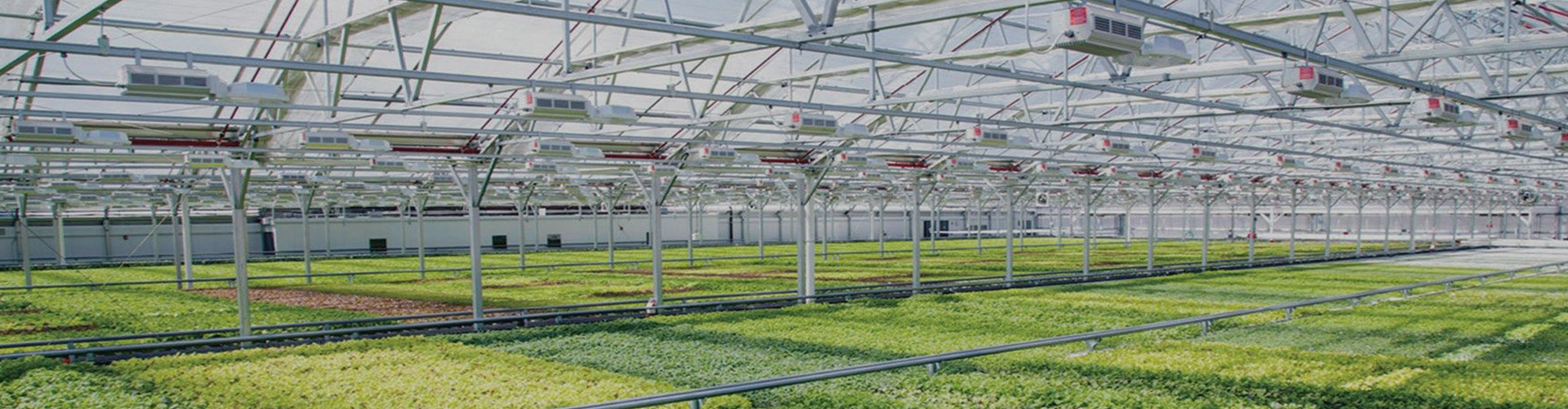
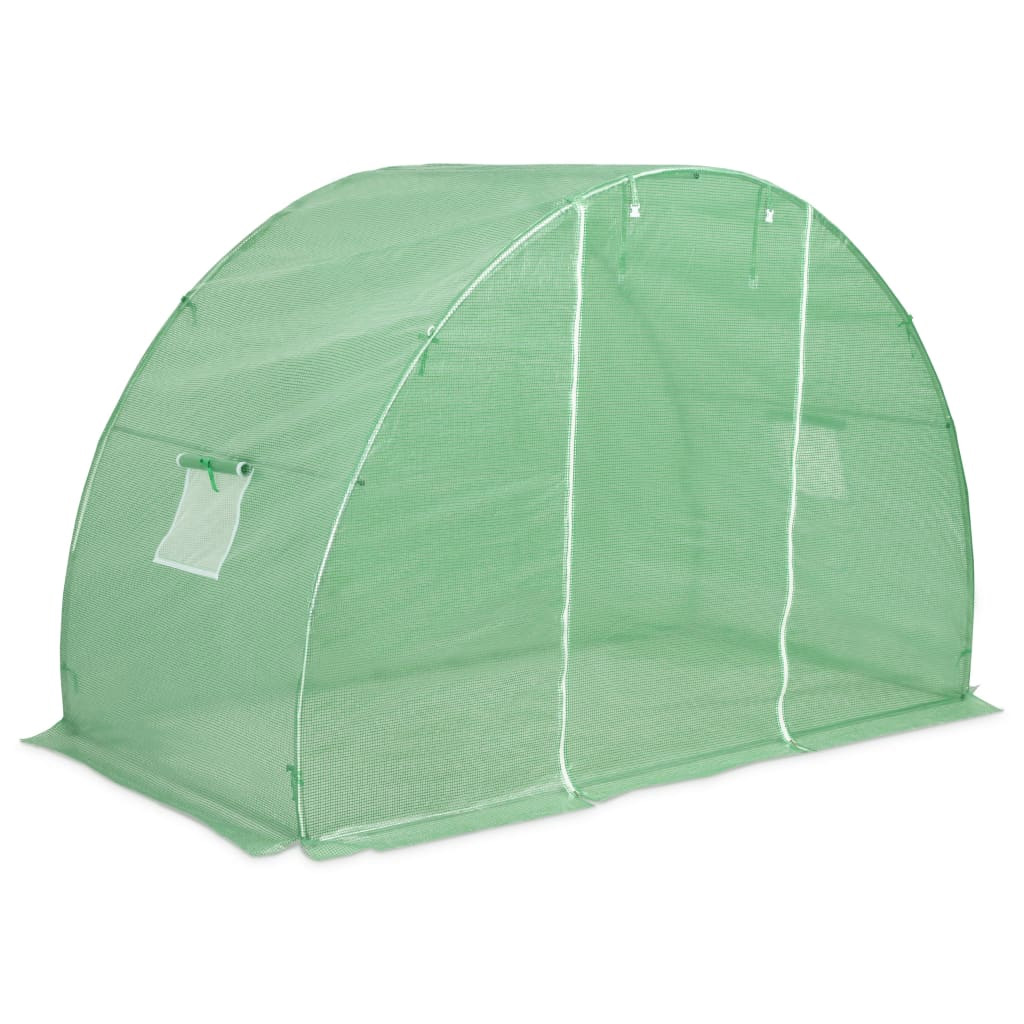
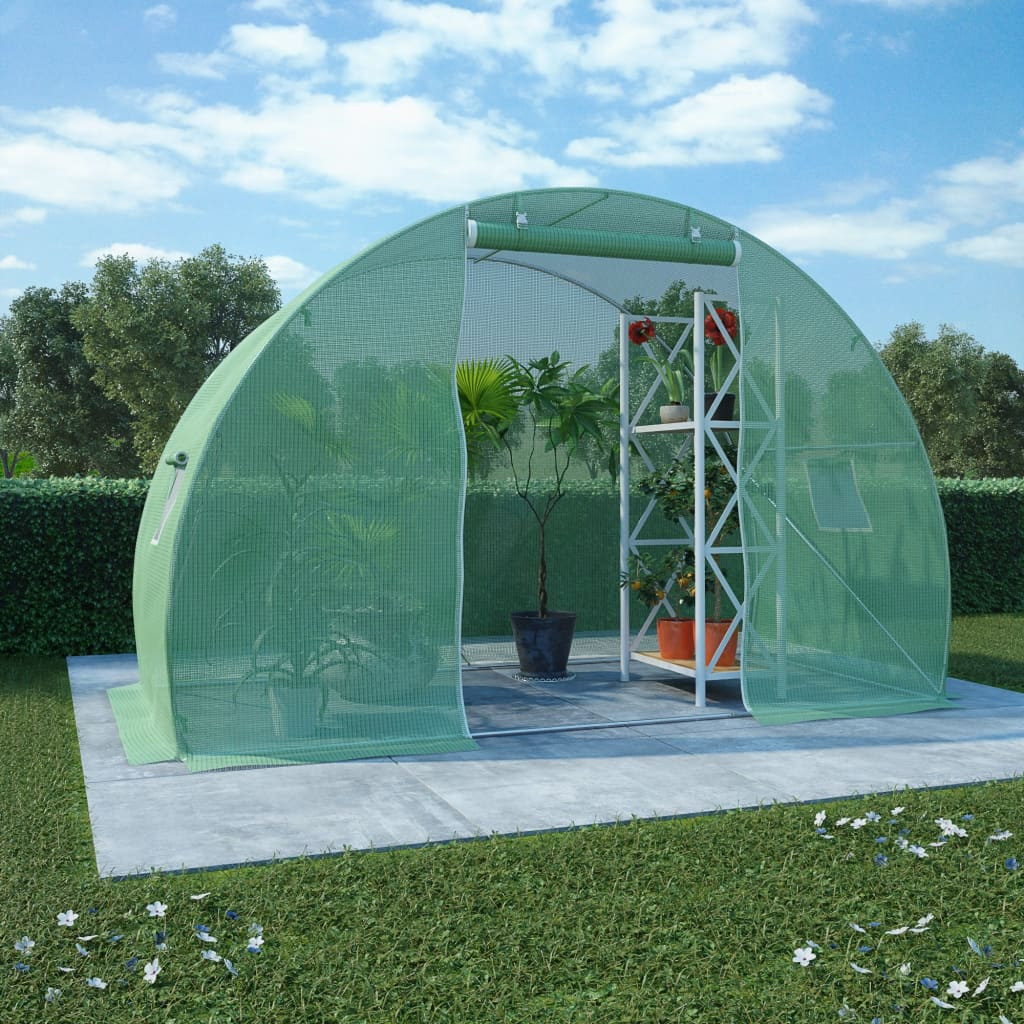
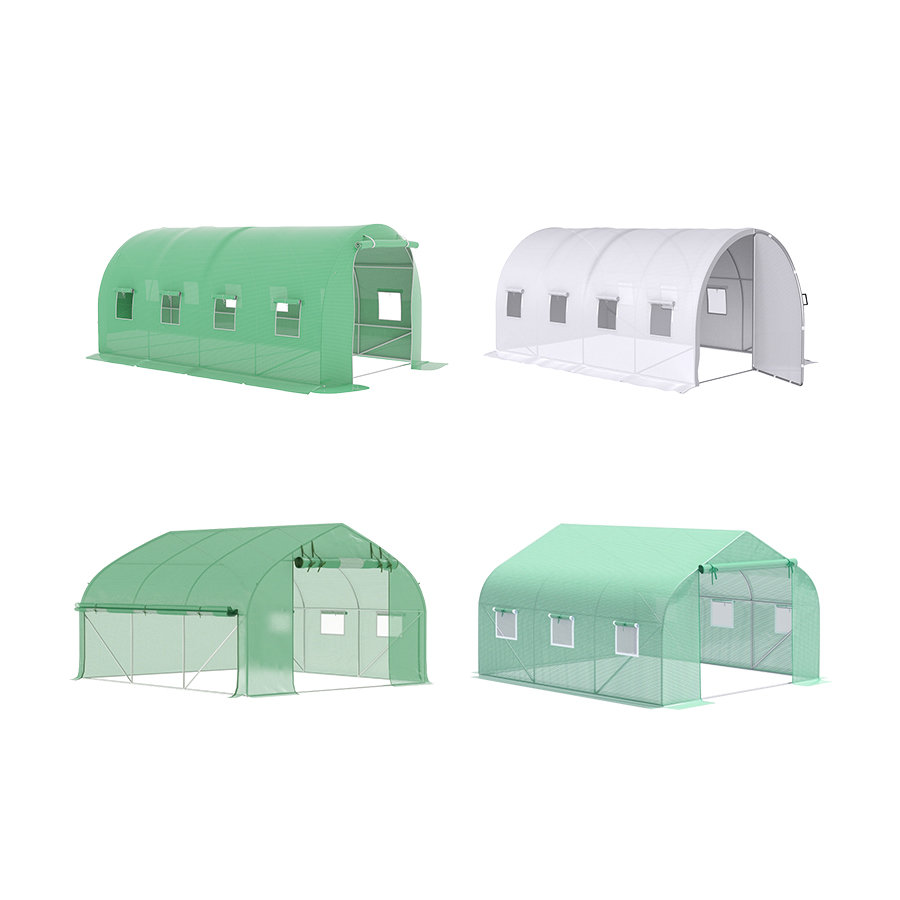
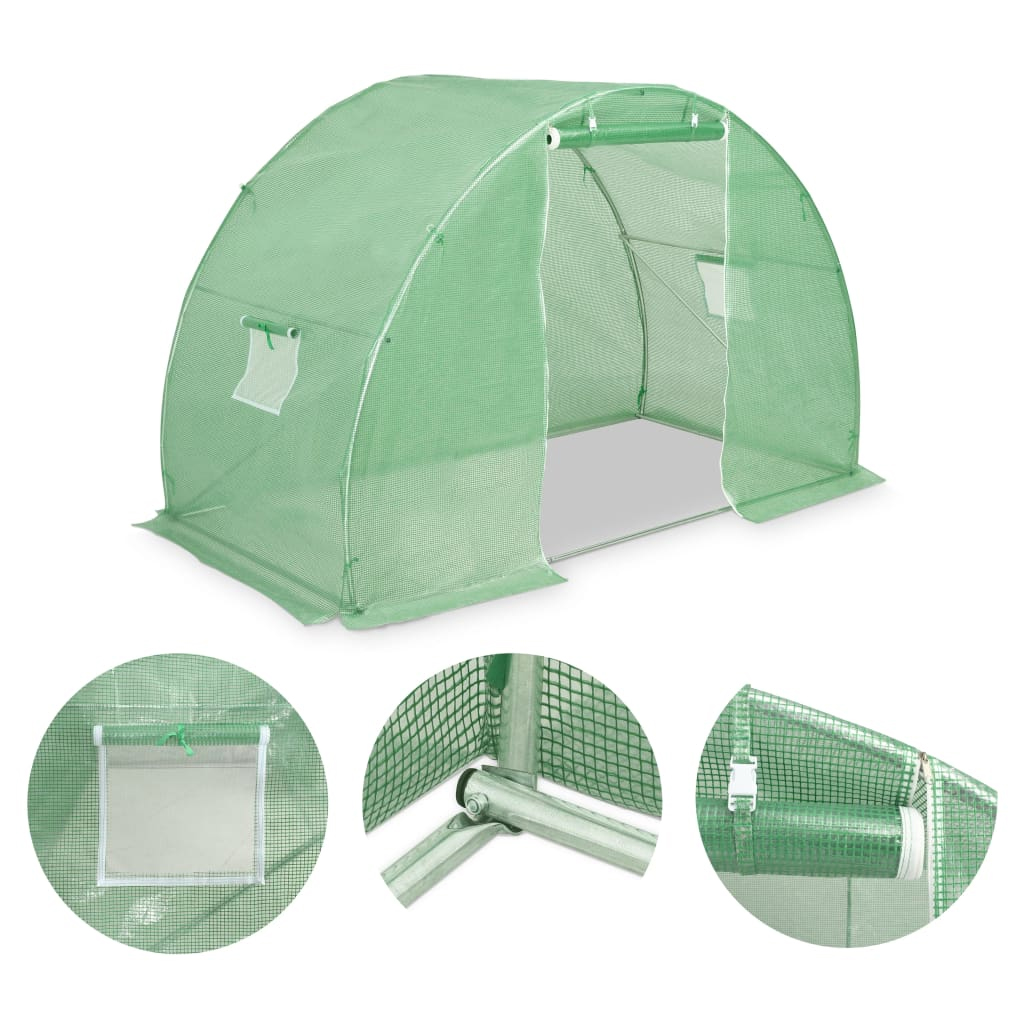
This spacious greenhouse can accommodate a considerable number of fruits, vegetables and plants.
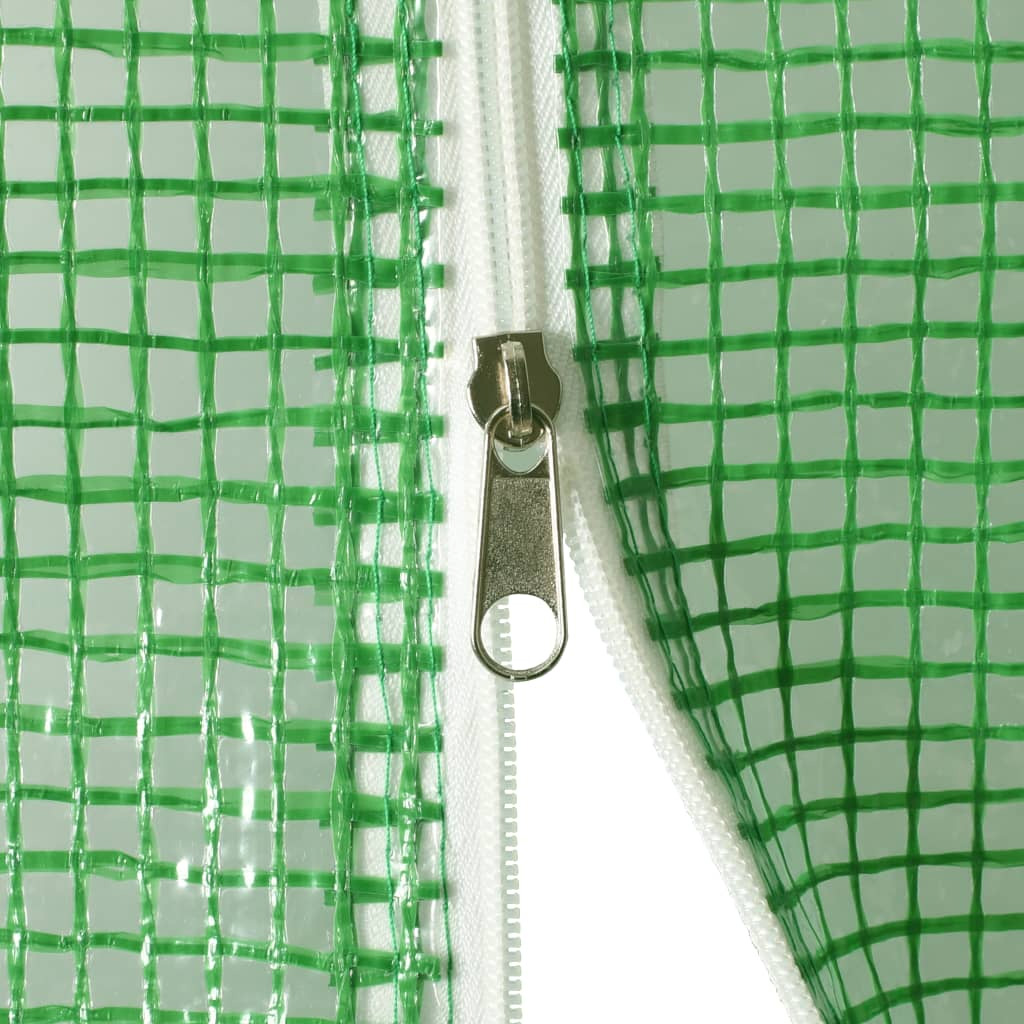
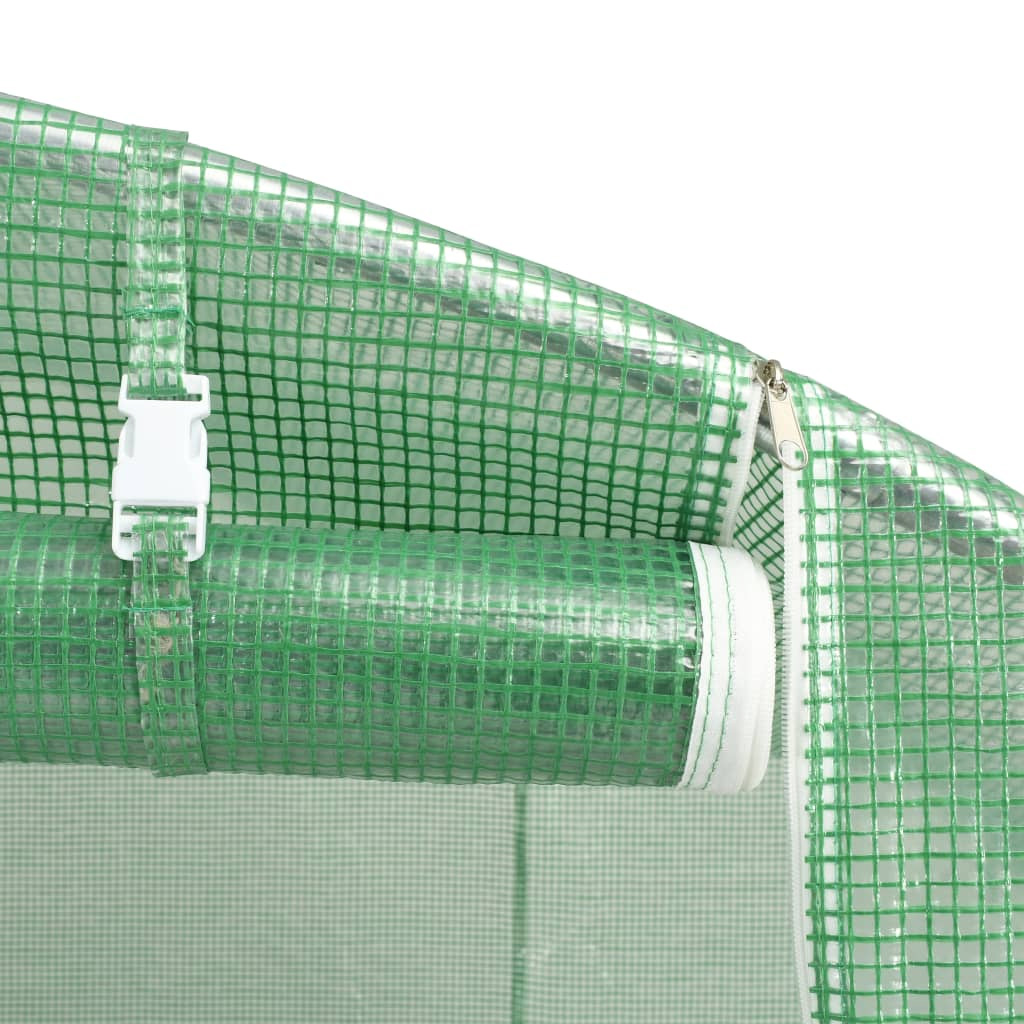
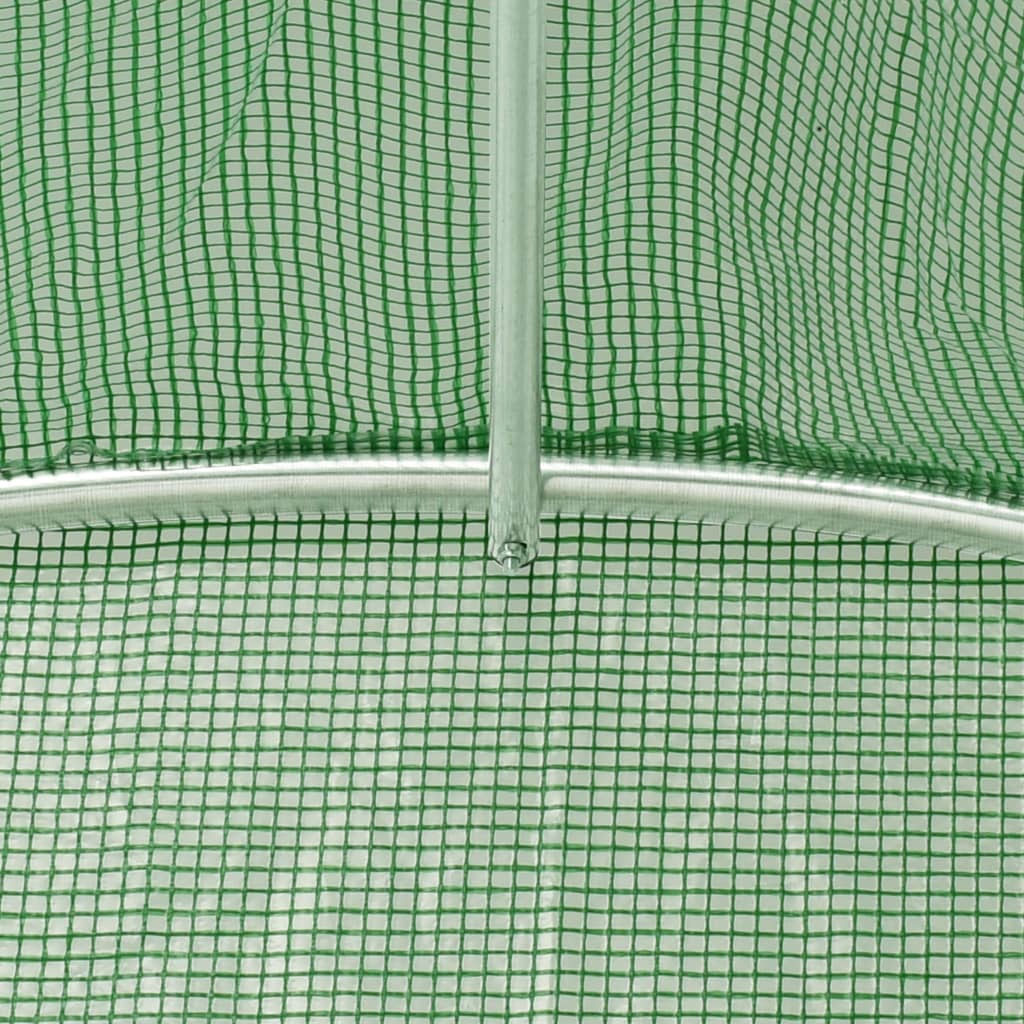
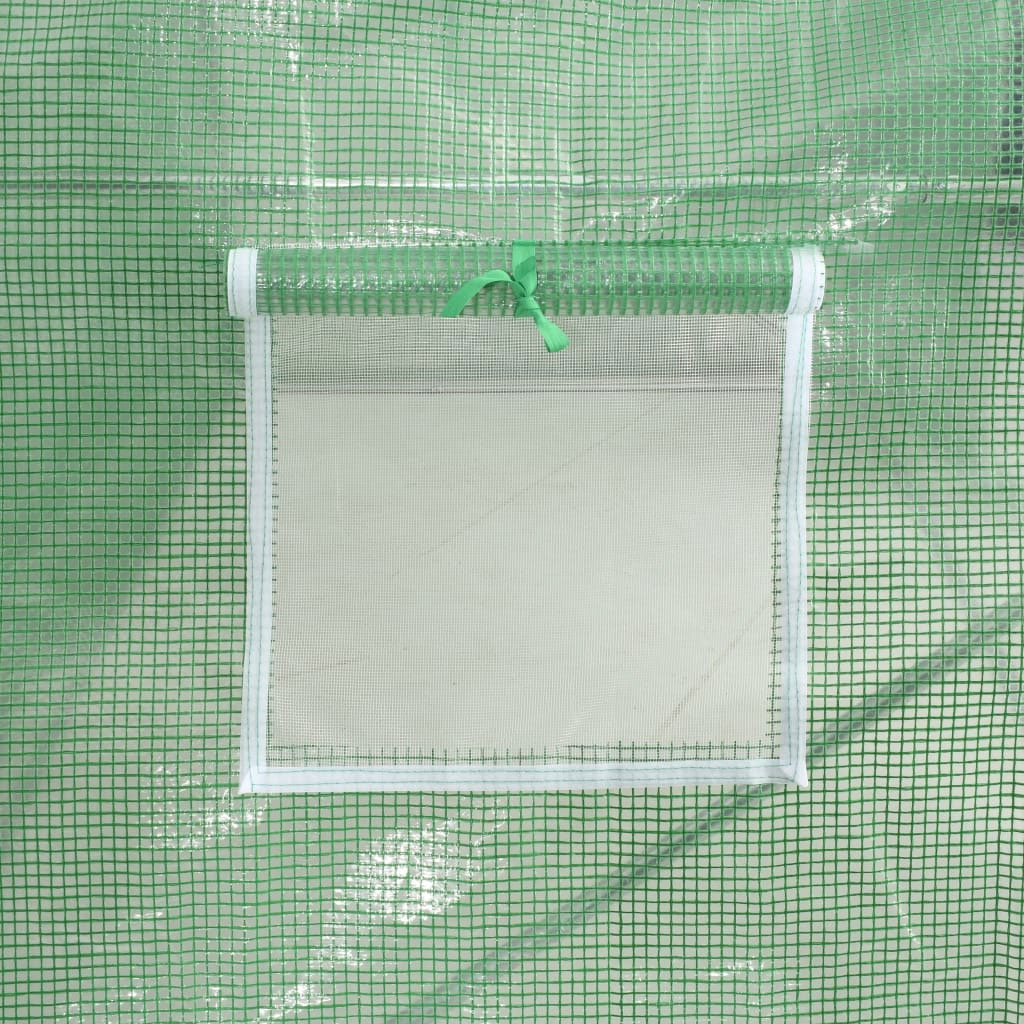
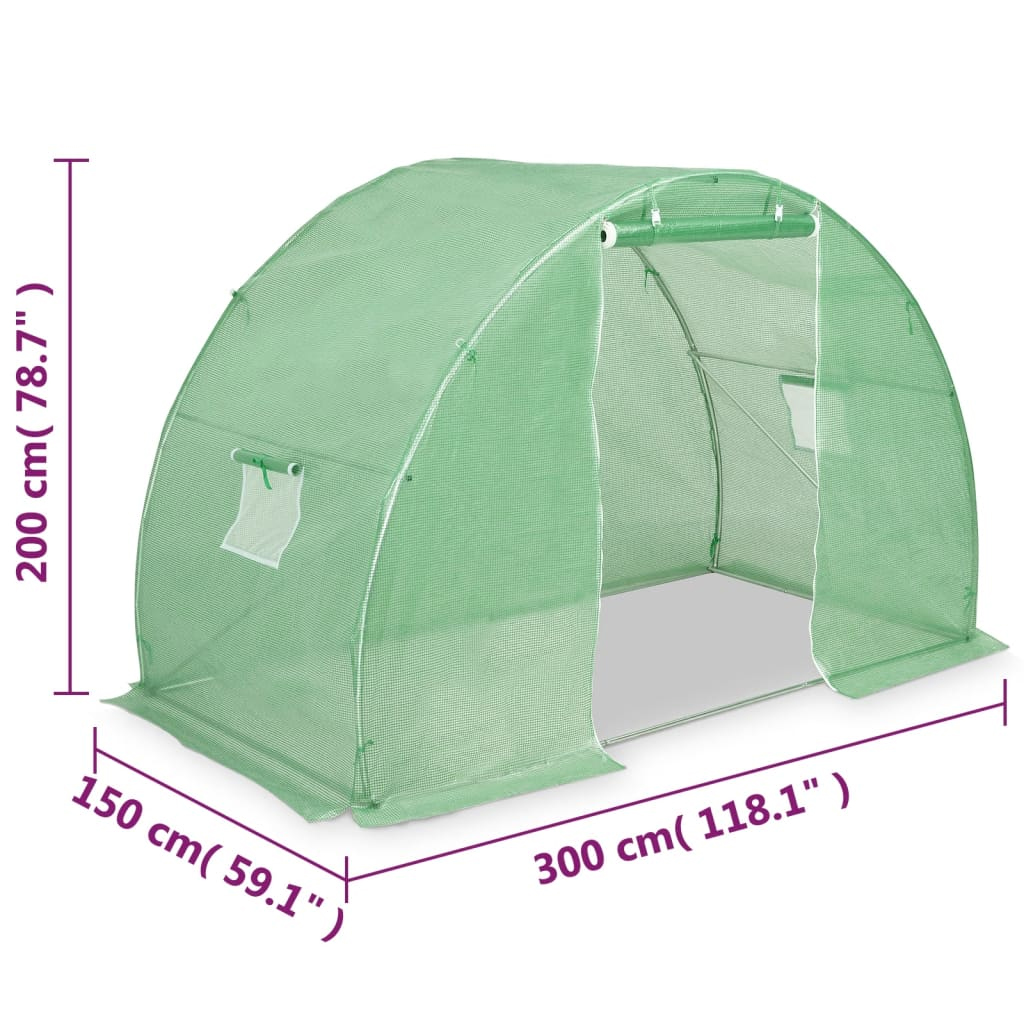
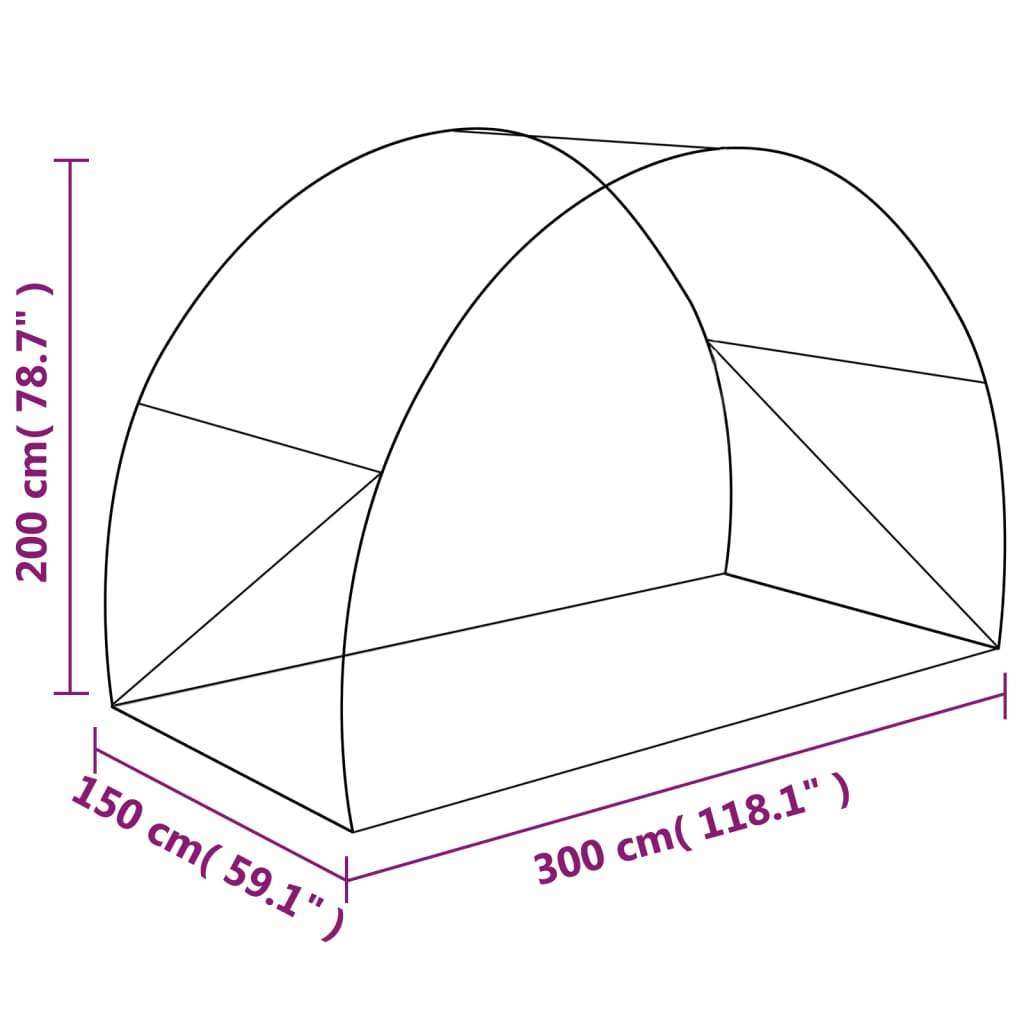
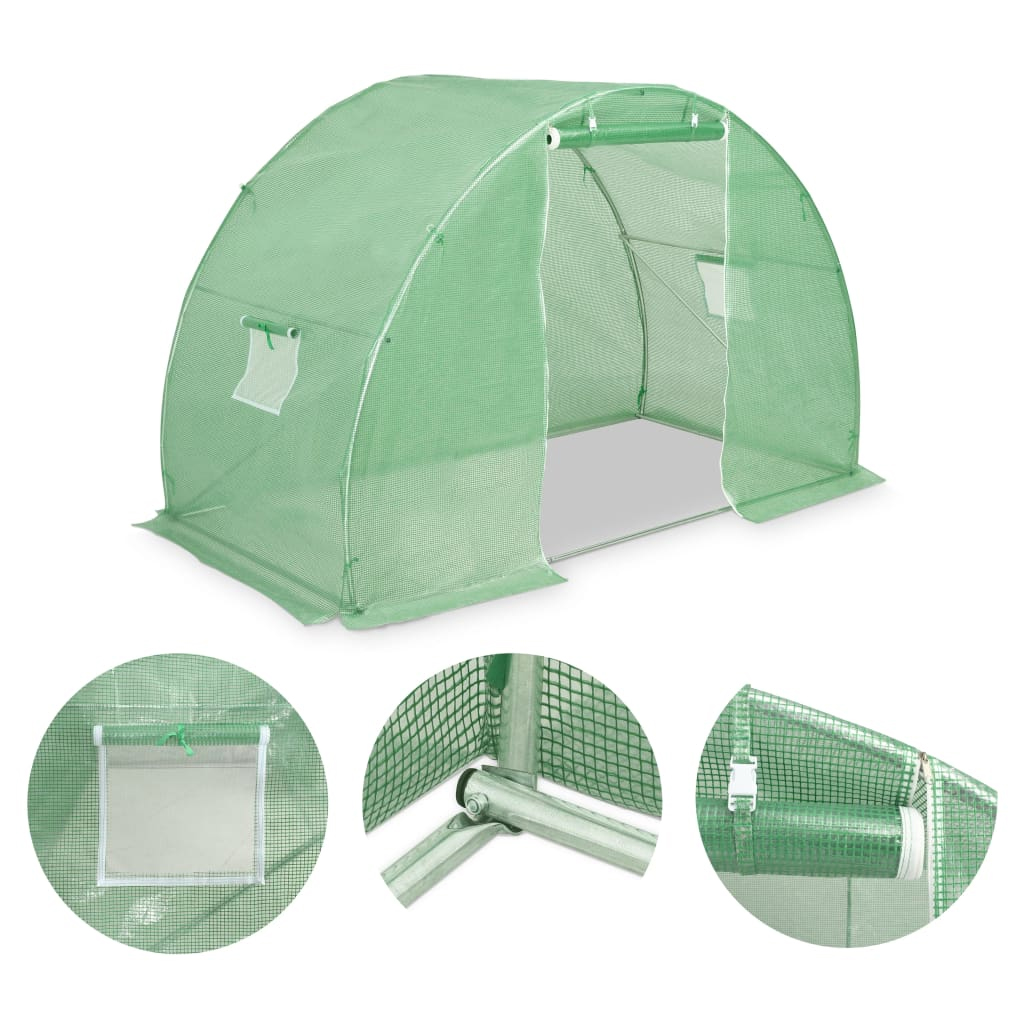
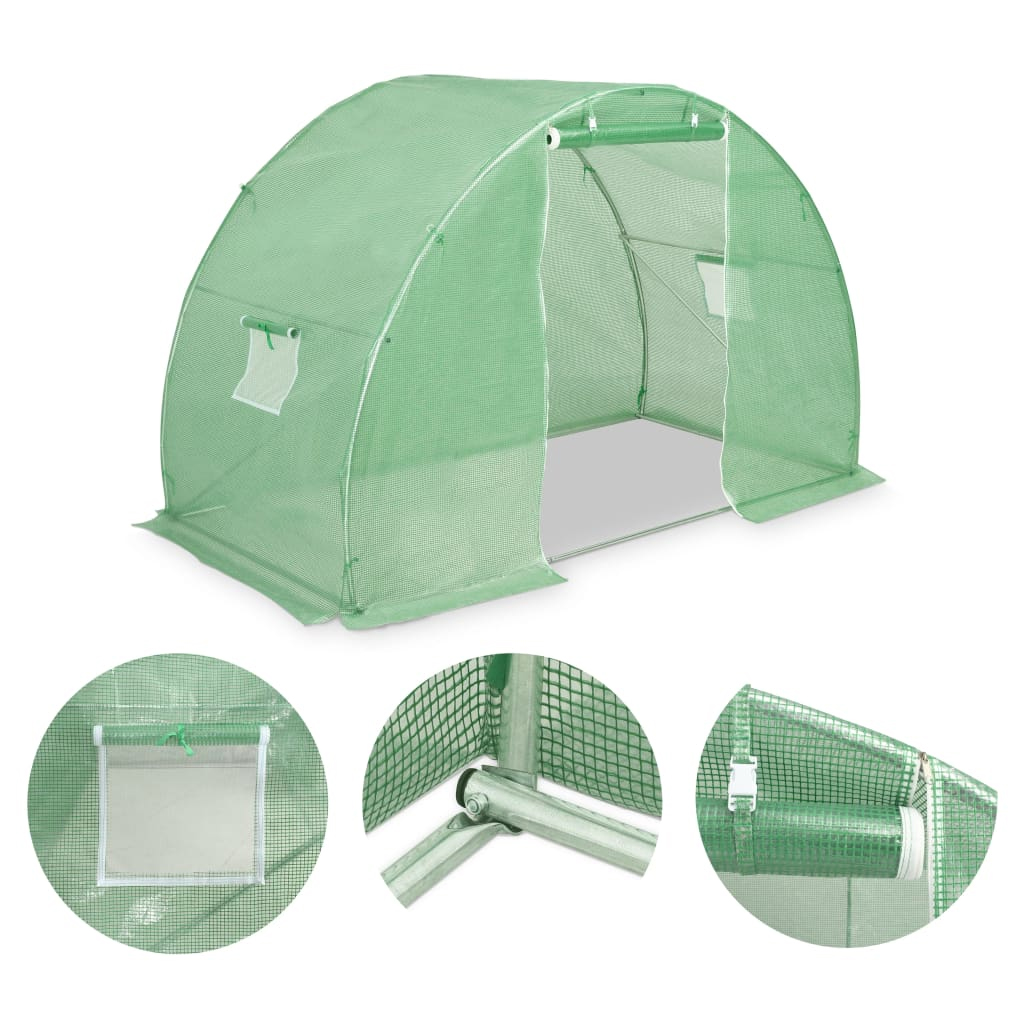
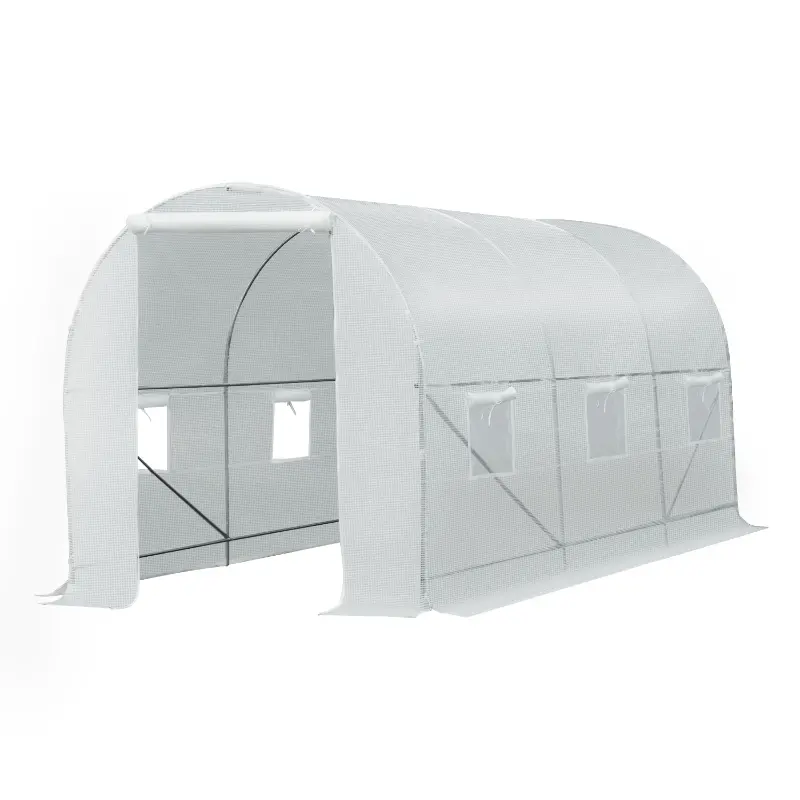
This plant house will be a great solution for protecting your plants against wind, rain, sunshine and bird damage. The greenhouse is made of 0.5 oz/ft² PE mesh fabric, which is 25% heavier than the standard mesh fabric of many competitors. Consequently, it prevents external influences even better. This plant house has a sturdy and rust-proof galvanized steel frame for extra stability. This greenhouse is equipped with two 15"x15" windows for ventilation and one 39.4"x72.8" door as well.
The greenhouse is easy to assemble. We recommend adding the foundation for added sturdiness. Please note the roof of our greenhouse cannot withstand heavy snowfall.


Color: Green
Material: PE (polyethylene) mesh fabric and galvanized steel
Density of PE mesh fabric: 0.5 oz/ft²
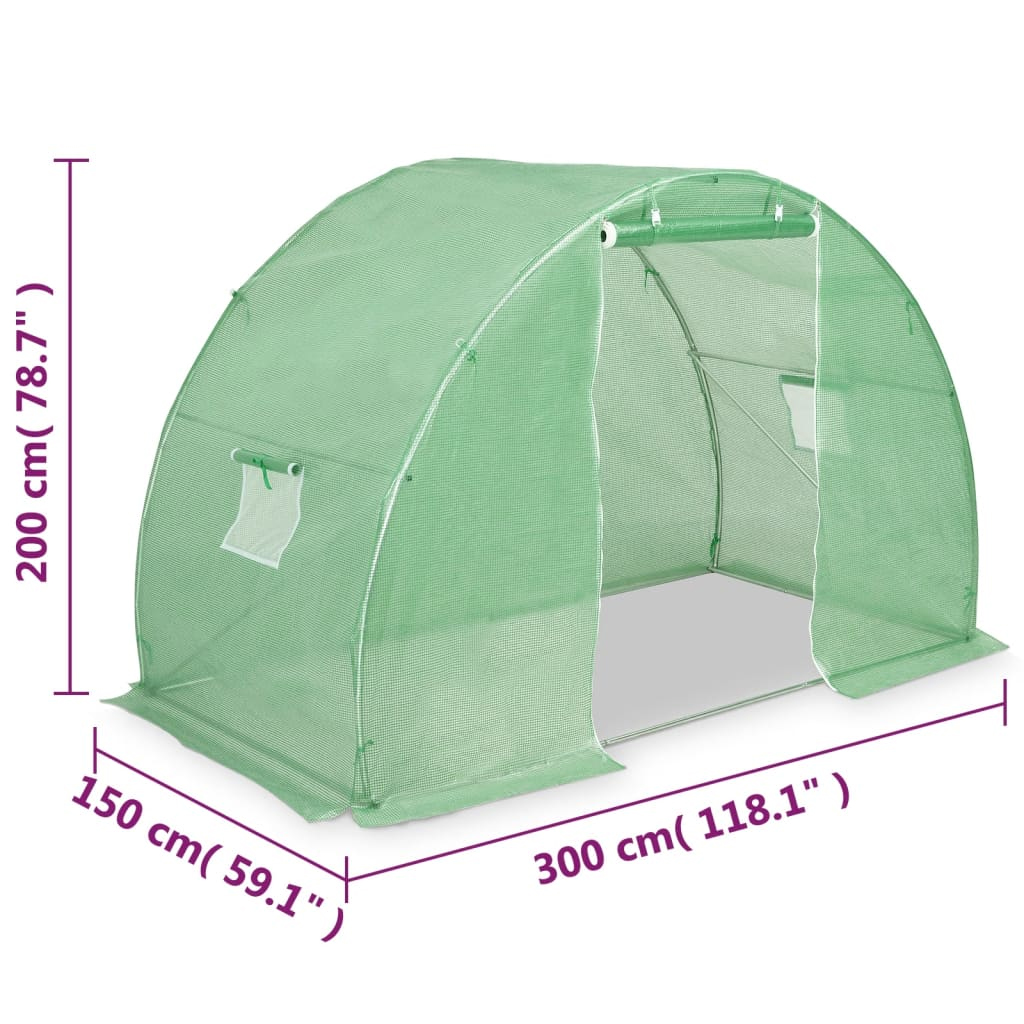
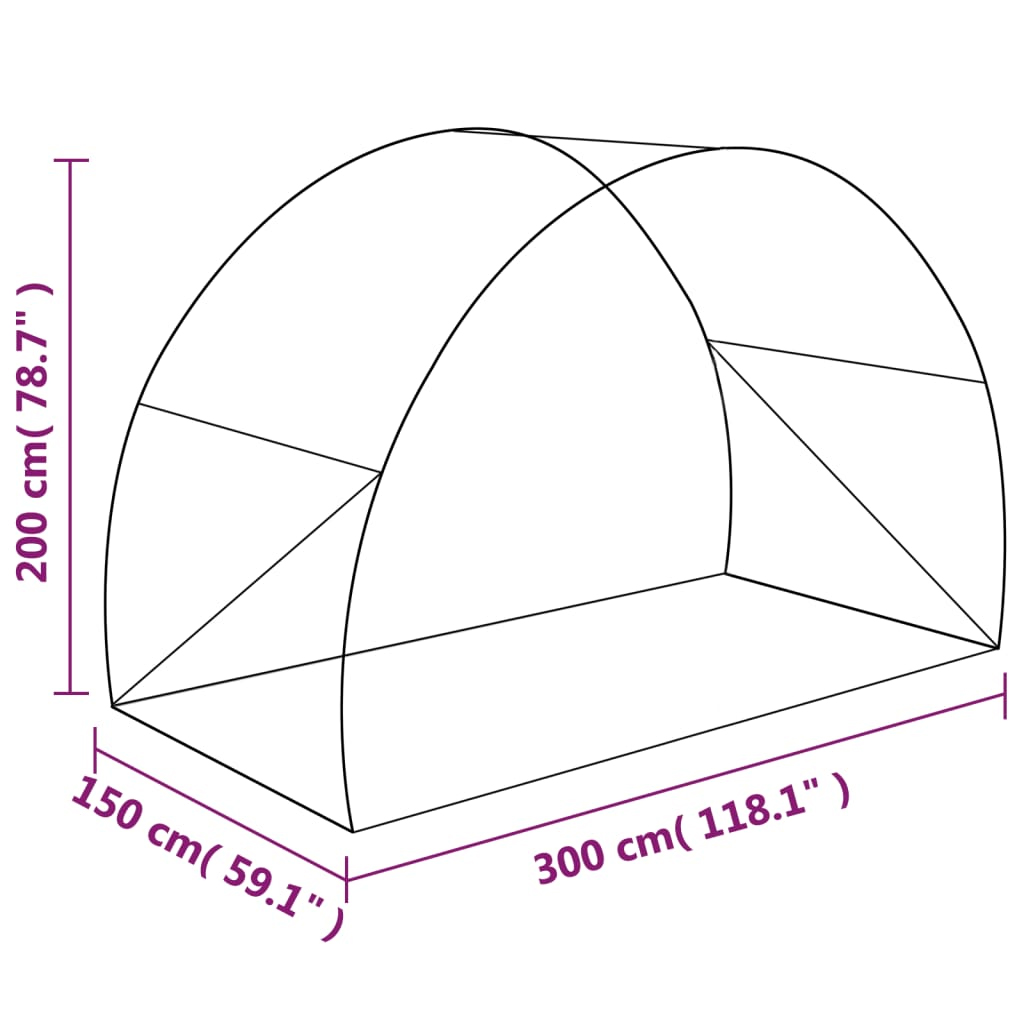
Dimensions: 118.1" x 59.1" x 78.7" (W x D x H)
With 2 side windows and 1 door
Size of window: 15" x 15"
Size of door: 39.4" x 72.8" (W x H)
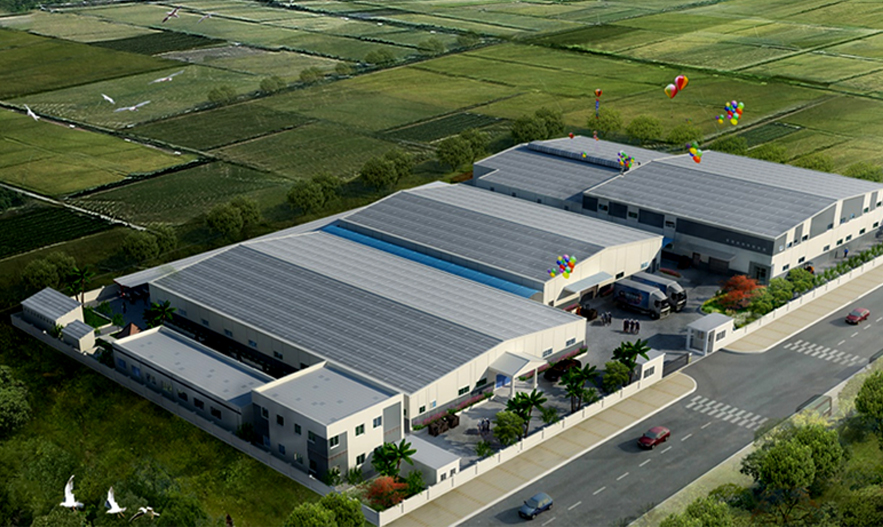
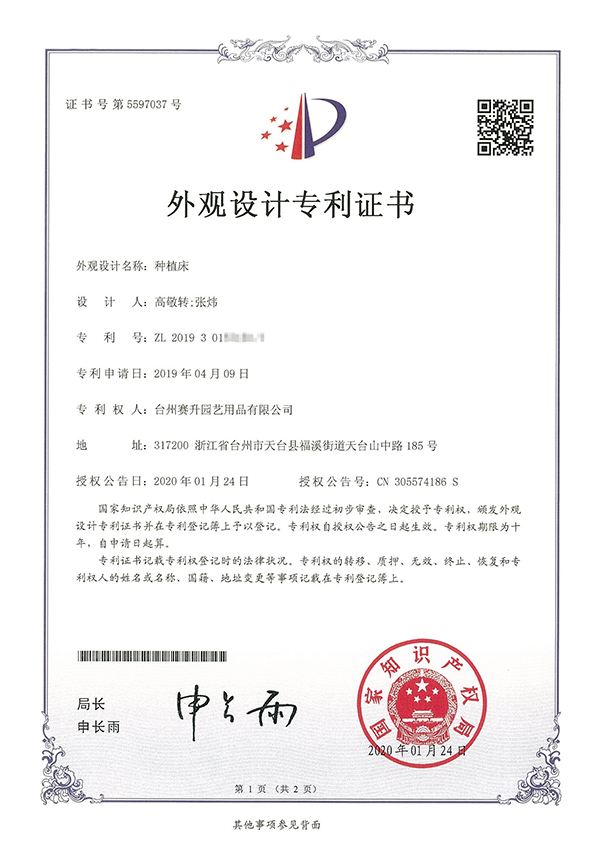
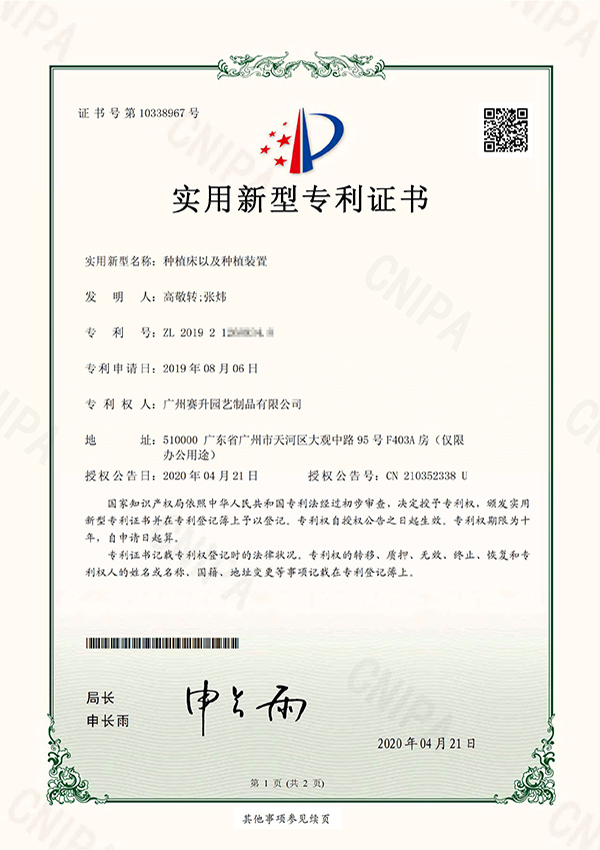
SUNSHINE GARDEN is a manufacturer from China with 12 years OEM & ODM experience. We are dedicated to providing one-stop solutions for Home Garden and Commercial Planting.
We support product customization services, you can talk to our customer service center about your sourcing requirements, whether selecting a current product from our catalog or seeking assistance for your application.
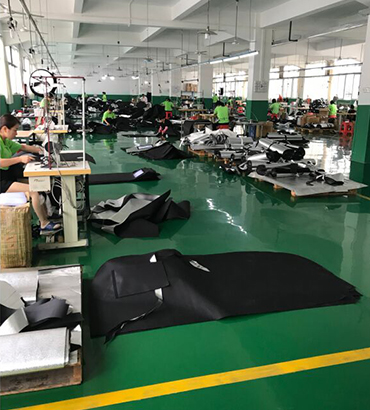
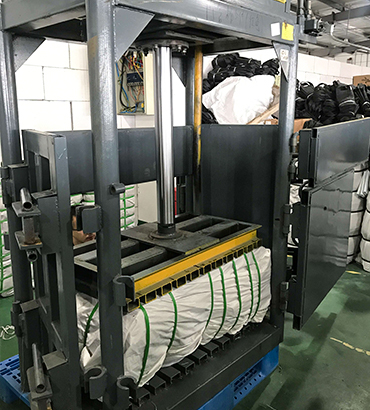
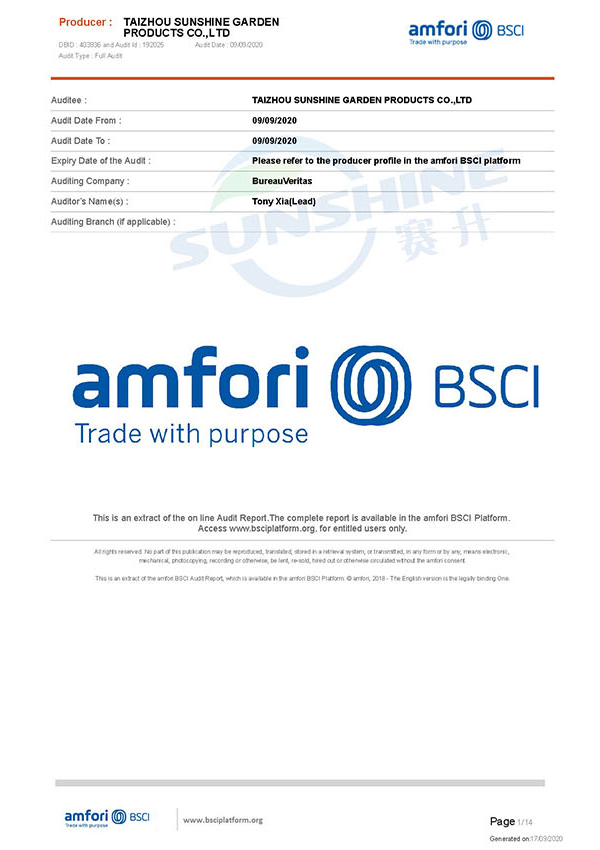
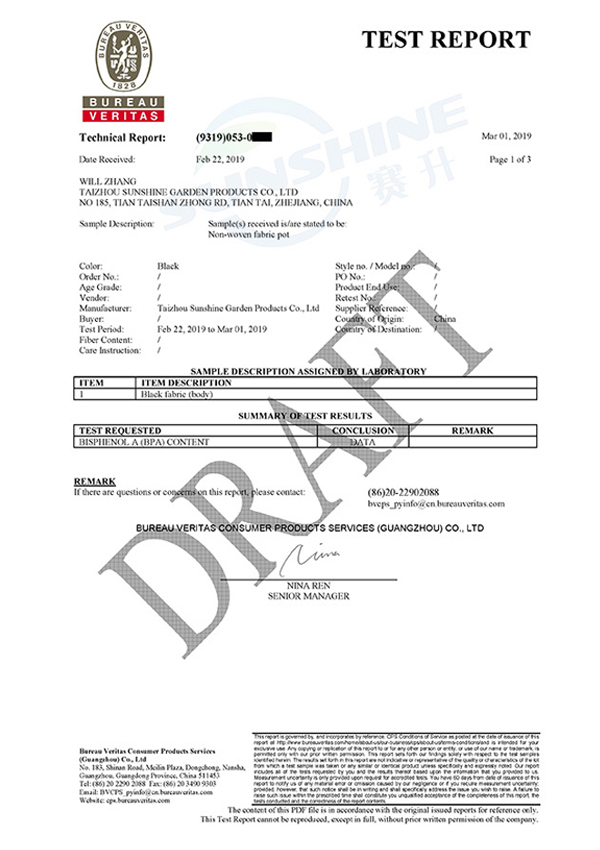
Our factories are supervised carefully, there are strict quality assurance test and lab test and multiple inspections. This means we find glitches before they become problems, thus preventing you from disastrous quality problems. We guarantee your satisfaction from start to finish.
Offers everything you need to build complete gardening and hydroponic systems.
Definition and scope: More Garden Supplies refers to a variety of tools, materials, and products designed to enhance plant health, growth, and aesthetics.
Examples of common supplies: These include fertilizers, soil amendments, watering systems, pruning tools, plant supports, pest control products, and decorative elements.
Purpose in cultivation: Each type of garden supply serves a unique function, from improving soil quality to preventing disease, ensuring plants receive suitable care.
Soil and Nutrient Enhancers
Fertilizers:
Provide essential nutrients such as nitrogen, phosphorus, and potassium to promote healthy root, leaf, and flower growth.
Slow-release fertilizers maintain nutrient levels over time, reducing the risk of overfeeding.
Soil conditioners:
Products like compost, vermiculite, and peat moss improve soil texture and water retention.
Enhanced soil structure allows better root penetration and nutrient absorption.
pH regulators:
Lime or sulfur adjusts soil pH to suitable levels for different plant species.
Balanced pH improves nutrient uptake and prevents deficiencies.
Watering and Irrigation Tools
Drip irrigation systems:
Deliver water directly to the roots, reducing water waste and preventing overwatering.
Consistent moisture improves plant growth and reduces stress.
Self-watering planters:
Store water in reservoirs for gradual release, ideal for busy gardeners.
Prevents soil drying out and ensures uniform hydration.
Sprayers and hoses:
Enable precise application of water, fertilizers, and foliar sprays.
Efficient distribution supports even growth and reduces disease risk.
Plant Support and Protection
Stakes and trellises:
Provide structural support for climbing plants or heavy branches.
Reduce breakage and improve light exposure to all plant parts.
Row covers and plant cages:
Protect plants from pests, harsh sunlight, or frost.
Enhance survival rate and promote healthy development.
Mulches:
Retain soil moisture, regulate temperature, and suppress weeds.
Organic mulches also enrich the soil as they decompose.
Pest and Disease Management
Organic pesticides and fungicides:
Control harmful insects and fungal infections without harming beneficial insects.
Prevents crop loss and maintains plant vitality.
Beneficial insects:
Ladybugs, predatory mites, or nematodes naturally control pests.
Reduce chemical dependency and maintain ecological balance.
Traps and barriers:
Sticky traps, nets, or copper barriers deter pests.
Protects plants while reducing environmental impact.
Tools for Maintenance and Pruning
1. Pruning shears and scissors:
Remove dead or diseased branches to stimulate new growth.
Improve air circulation and light penetration within the canopy.
2. Soil testers and moisture meters:
Monitor nutrient levels and soil moisture to optimize watering and fertilization.
Early detection of deficiencies prevents stress and poor growth.
3. Gardening gloves and protective gear:
Ensure safe handling of plants, soil amendments, and chemicals.
Reduces damage to plants and maintains consistent care routines.
Decorative and Growth-Enhancing Supplies
Grow lights and reflectors:
Supplement sunlight in indoor or shaded areas to maintain consistent photosynthesis.
Adjustable lights help target specific growth stages of plants.
Plant markers and labels:
Track plant varieties, planting dates, and care schedules.
Facilitate organized garden management and prevent mistakes.
Supportive substrates:
Hydroponic media or coco coir enhances root stability and growth in non-traditional setups.
Promotes healthy, uniform plant development in controlled environments.
Different improving plant health and growth. Soil enhancers, watering systems, and nutrients ensure plants have the right foundation, while structural supports, protective covers, and mulches safeguard against environmental stress. Pest management, pruning tools, and monitoring devices maintain ongoing plant vitality, and decorative or growth-enhancing products support both aesthetic and functional outcomes. By understanding and selecting the right combination of garden supplies, gardeners can optimize plant care, improve yields, and enjoy healthier, more resilient plants. Investing in quality supplies and learning how to use them effectively transforms routine gardening into a more productive and rewarding experience.
Definition and scope: Grow Tent Kit Accessories refer to the various components designed to improve the efficiency and usability of a grow tent, including reflective materials, ventilation fans, ducting, light hangers, and filters.
Purpose in cultivation: These accessories are not just optional add-ons; they significantly affect the environment inside the tent, ensuring plants receive suitable light and airflow.
Key components impacting the environment: The important accessories for light and ventilation include reflective liners, ducting systems, inline fans, carbon filters, and adjustable light hangers.
Impact on Light Efficiency
Reflective surfaces:
High-quality reflective materials, such as Mylar or diamond-patterned fabrics, amplify light intensity by bouncing light across all areas of the tent.
They reduce shadows, ensuring even light distribution to all plant leaves.
Adjustable light hangers:
These accessories allow growers to position lights at suitable distances from the canopy.
Correct height ensures plants receive sufficient Photosynthetically Active Radiation (PAR) without risk of light burn.
Light diffusion and coverage:
Some tents include diffusers or light spreaders that help disperse light uniformly.
This ensures lower canopy leaves receive enough illumination, preventing uneven growth.
Role in Ventilation and Airflow
Inline fans and ducting systems:
Properly installed fans and ducting maintain consistent air exchange, removing excess heat and humidity.
This prevents stagnant air, which can cause mold and nutrient deficiencies.
Carbon filters:
These not only control odors but also slightly influence airflow patterns.
Efficient filters reduce resistance, allowing fans to operate at a suitable efficiency.
Vent placement and size:
Grow Tent Kit Accessories often include adjustable vent ports.
Strategically positioned vents ensure fresh air reaches the top, middle, and lower canopy layers.
Optimizing Light and Ventilation Together
Balanced environment:
Light intensity generates heat, which can increase humidity.
Accessories that control airflow help dissipate heat, maintaining ideal temperature and humidity levels.
Interdependence of components:
Reflective liners improve light efficiency, but without proper ventilation, heat buildup can stress plants.
Fans and ducting complement lighting by keeping temperatures stable and CO₂ levels sufficient.
Customizable setups:
Growers can mix and match accessories—fans, reflectors, ducting, and filters—to match the tent size and plant type.
This ensures suitable growth conditions for various stages, from seedlings to flowering plants.
Practical Tips for Growers
Monitor light intensity: Use a PAR meter to ensure light reaches lower canopy leaves.
Adjust fan speed: Match fan output to light intensity and tent size to avoid overcooling or under-ventilation.
Position accessories strategically: Place ducting and filters where airflow is strong but avoids directly hitting plant tops, preventing leaf damage.
Regular maintenance: Clean reflective surfaces, fans, and filters to maintain efficiency and prevent energy loss.
Stage-specific adjustments: Seedlings require less airflow and lower light intensity, while flowering stages may need stronger light and more aggressive ventilation.
Comparing Different Accessories
High-end vs basic kits: Premium accessories often include more adjustable vents, stronger fans, and better reflective materials.
Cost-benefit considerations: While basic kits may work for small setups, investing in quality accessories enhances light penetration and airflow, causing healthier plants and higher yields.
DIY alternatives: Some growers create homemade reflective surfaces or improvised venting, but these may lack efficiency and longevity compared to purpose-built accessories.
Grow Tent Kit Accessories play a critical role in optimizing light and ventilation, directly impacting plant health, growth rate, and yield. Reflective surfaces, adjustable light hangers, and diffusers improve light efficiency, while inline fans, ducting, and filters maintain consistent airflow and temperature. By understanding how each accessory affects the tent environment, growers can create a balanced, stable, and productive growing space. Proper installation, monitoring, and maintenance of these components ensures that both light and ventilation work together harmoniously, supporting healthy growth from seedlings to flowering stages. In modern indoor horticulture, investing in the right accessories is as important as selecting the right seeds or nutrients.
Definition of color temperature: Color temperature, measured in Kelvin (K), indicates the hue of light emitted by a lamp. It plays a crucial role in both human perception and plant growth.
Typical CMH Sodium Light ranges: CMH Sodium Lights operate between 3100K and 4200K, providing a balanced spectrum suitable for various horticultural applications.
Impact on plants and humans: Lower color temperatures (around 3100K) offer warmer, more reddish light that enhances flowering stages, while higher color temperatures (around 4200K) provide cooler, bluish light that promotes vegetative growth.
Advantages of CMH Light Spectrum
Broad-spectrum lighting: Unlike traditional HPS lamps that primarily emit yellow-orange light, CMH Sodium Light delivers a wider spectrum, including UV-A and UV-B light.
Enhanced photosynthesis: The inclusion of blue, red, and UV wavelengths allows plants to utilize light more efficiently for both vegetative growth and flowering, enhancing overall yield.
Closer to natural sunlight: The spectrum mimics the sun’s natural light more closely, reducing plant stress and producing healthier growth patterns.
Evaluating Light Efficiency
Lumens per watt: CMH Sodium Lights typically offer 80–100 lumens per watt, which is more efficient than traditional HPS lighting in similar power ranges.
Par value and photon flux: These lights deliver high Photosynthetically Active Radiation (PAR), ensuring plants can absorb and use energy effectively.
Energy-saving benefits: Higher efficiency means lower electricity consumption for the same light output, which is particularly beneficial for indoor growers managing operational costs.
Practical Implications for Indoor Horticulture
Customizing color temperature for plant stages:
Vegetative stage: Use CMH lamps around 4000–4200K to encourage leafy growth.
Flowering stage: Switch to 3100–3500K to stimulate bud formation and blooming.
Mixing CMH with other light types: Some growers combine CMH lights with LEDs or HPS lamps to fill spectrum gaps, enhancing both growth speed and quality.
Optimizing light placement: Proper positioning ensures uniform coverage, improving light penetration to lower leaves and avoiding energy waste.
Comparing CMH with Other Lighting Options
CMH vs HPS: While HPS lamps produce higher light intensity, they lack a full spectrum and may cause nutrient deficiencies or uneven growth. CMH lights provide a more balanced spectrum that reduces plant stress.
CMH vs LEDs: Modern LED systems allow precise wavelength control but may require high upfront costs. CMH offers an affordable, reliable full-spectrum solution with proven effectiveness.
Longevity and maintenance: CMH bulbs generally last longer than HPS lamps, maintaining consistent color temperature and light intensity over time, which helps reduce frequent replacements and operational disruptions.
Considerations for Optimal Performance
Ballast compatibility: Using the correct ballast ensures stable power delivery, preserving both light efficiency and color spectrum integrity.
Temperature management: CMH lights generate less heat than HPS lamps but still require adequate ventilation to prevent canopy overheating.
Regular monitoring: Checking for color shift or intensity drop helps maintain suitable plant growth conditions, as prolonged use can slightly alter the spectrum over time.
CMH Sodium Light offers versatile color temperature options and efficient light output, making it a good choice for both horticultural and indoor lighting applications. Its broad spectrum closely resembles natural sunlight, promoting healthy plant growth throughout different stages. By understanding the specific color temperature ranges, improve yield and reduce energy consumption. Compared to HPS or conventional lighting, CMH lights provide a balanced combination of quality light, energy efficiency, and long-term reliability, making them an essential tool for modern indoor horticulture.
As a manufacturer specializing in the design and production of large plastic storage sheds, we approach this product category from an engineering and manufacturing standpoint rather than a retail-driven one. For B2B buyers, project planners, and brand owners, understanding the real advantages and structural features of large plastic storage sheds starts at the source—how they are designed, manufactured, and validated for long-term use.
Below, we outline the key advantages and functional features of large plastic storage sheds, based on our experience in large-scale plastic structure manufacturing.
1. Structural Stability Designed for Large-Format Applications
One of the core advantages of a large plastic storage shed lies in its engineered structural system. Unlike small consumer-grade sheds, large-format designs require careful consideration of load distribution, wind resistance, and long-term deformation control.
From a manufacturing perspective, this is achieved through:
Reinforced wall and roof panels with integrated rib structures
Load-bearing frame design at corners and high-stress connection points
Modular panel systems that evenly distribute structural forces
These features are not added at the retail level; they are built into the product during the design and mold-development stage.
2. Material Performance Optimized for Outdoor Environments
Material selection is a defining feature of high-quality large plastic storage sheds.
As a factory, we control material specifications to ensure:
Use of high-density HDPE or PP compounds for enhanced strength and impact resistance
UV-stabilized formulations to prevent fading, cracking, and embrittlement
Consistent material flow during injection molding to avoid internal weak points
This material-driven approach ensures that large plastic storage sheds maintain dimensional stability and mechanical performance throughout extended outdoor use.
3. Scalable Design for Industrial Manufacturing
A key advantage of plastic storage sheds at scale is their suitability for standardized, repeatable production.
From a manufacturing standpoint, large plastic storage sheds are designed with:
Modular components suitable for mass production
Mold structures optimized for dimensional consistency
Assembly systems that reduce tolerance stacking across large spans
This allows us to deliver consistent quality across large production volumes—an essential factor for OEM, ODM, and long-term B2B partnerships.
4. Low Maintenance as a Functional Feature
While often highlighted at the retail level, low maintenance is fundamentally a result of manufacturing decisions.
Large plastic storage sheds benefit from:
Corrosion-resistant materials that require no surface treatment
Integrated color-in-material solutions, eliminating repainting
Smooth, non-porous surfaces that resist moisture and mold
These features reduce lifecycle costs and make plastic sheds suitable for commercial, industrial, and institutional applications.
5. Design Flexibility for OEM and Custom Projects
As a manufacturer, one of the very important features we offer is design adaptability.
Large plastic storage sheds can be customized in terms of:
Dimensions and internal layouts
Door systems, ventilation, and roof structures
Surface textures, colors, and branding elements
This flexibility allows brand owners and project buyers to develop differentiated products without compromising structural integrity or production efficiency.
Manufacturer Insight: Advantages That Start at the Factory Level
The true advantages of large plastic storage sheds are not defined by retail descriptions, but by how the product is engineered, tested, and manufactured.
From raw material formulation to mold precision and assembly validation, every stage of production contributes directly to performance, durability, and consistency.
About Us
We are a direct manufacturer of large plastic storage sheds, with in-house capabilities covering product design, mold development, and large-scale production. Our focus is on providing stable, scalable manufacturing solutions for OEM, ODM, and B2B clients worldwide.
For partners seeking a manufacturing source rather than a trading intermediary, product reliability begins at the factory.
Polytunnel greenhouses are the sturdiest, most durable and accomplished greenhouses. Made with a hea...
Size: Custom Color: Green, WhiteCover Material: PE, PVCFrame Material: Steel Tube
Size: 118.1" x 59.1" x 78.7" (W x D x H)Color: GreenCover Material: PEFrame Material: Steel Tube
Innovation Team
Patented Technology
Quality Assurance
Efficient Response