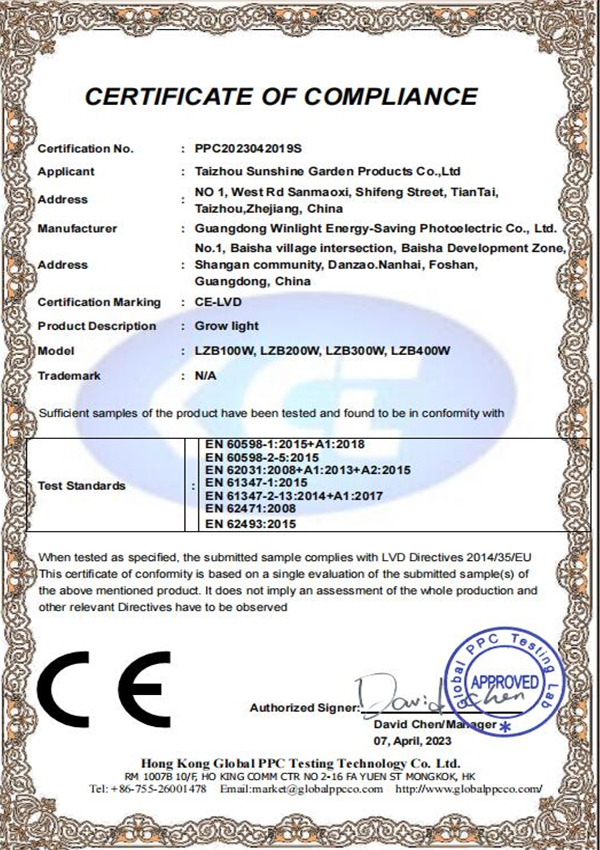
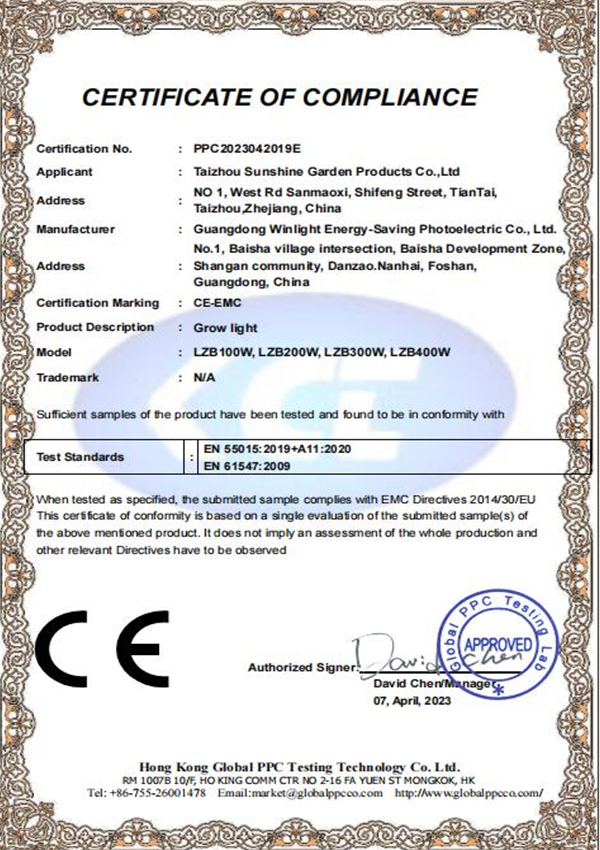
OEM/ODM Grow Light

Home / Products / Grow Light

Grow Light Manufacturers

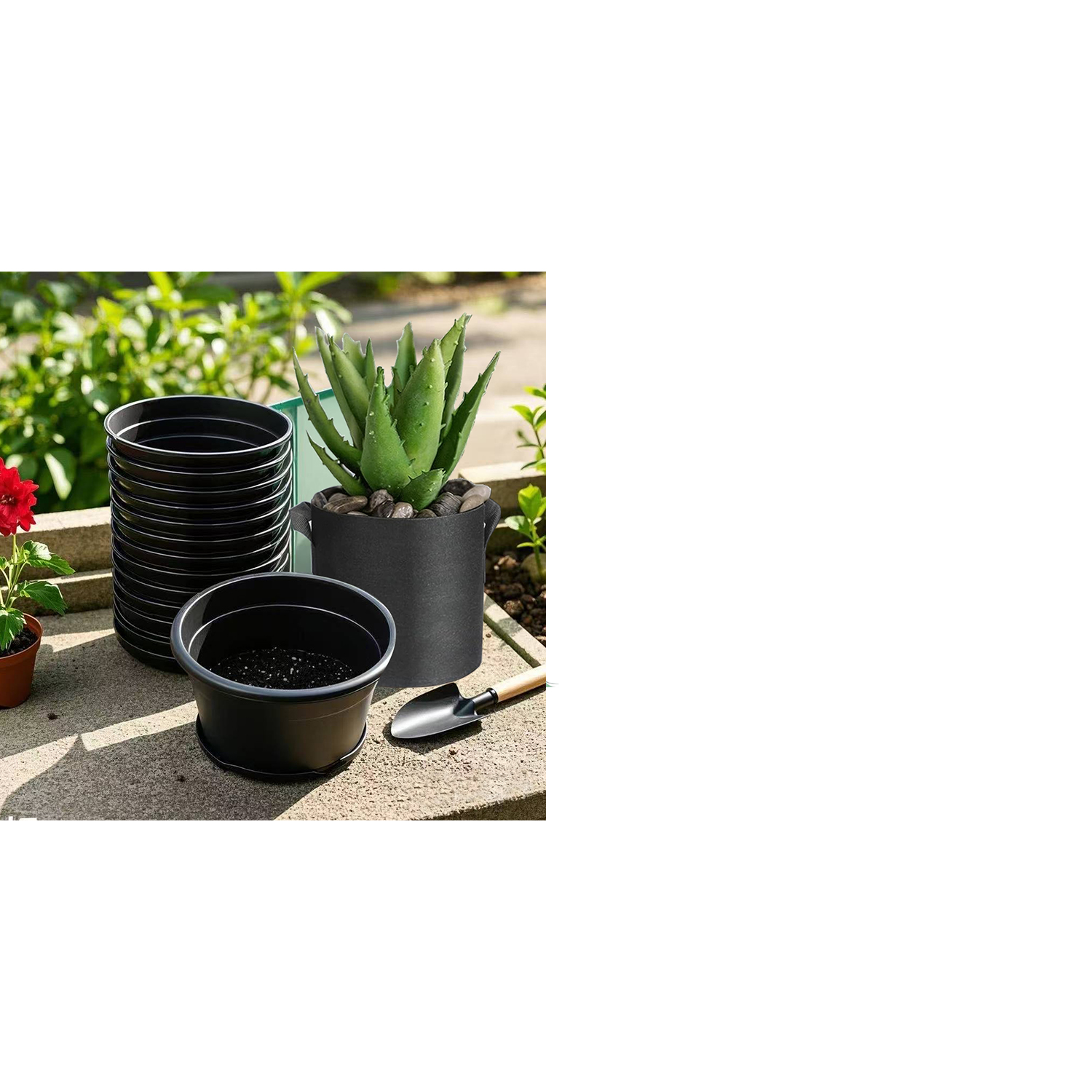
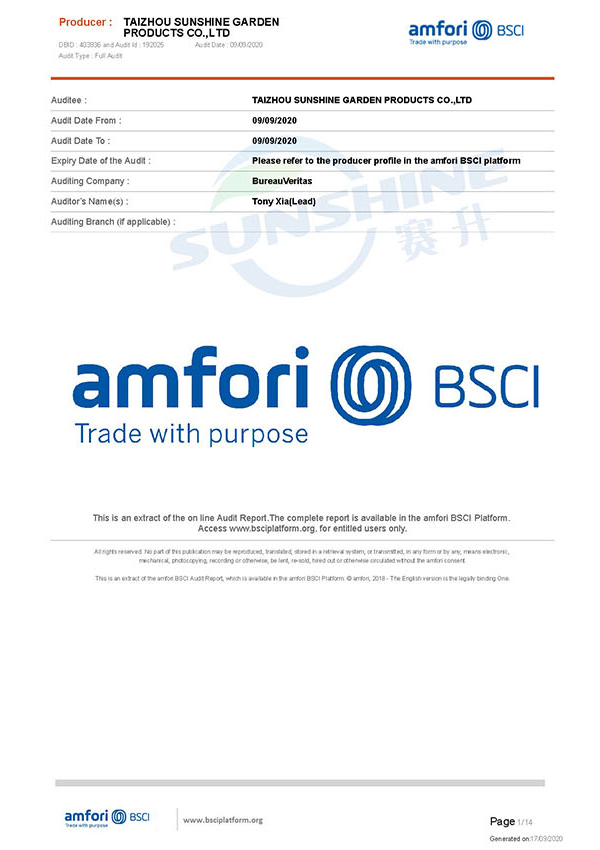
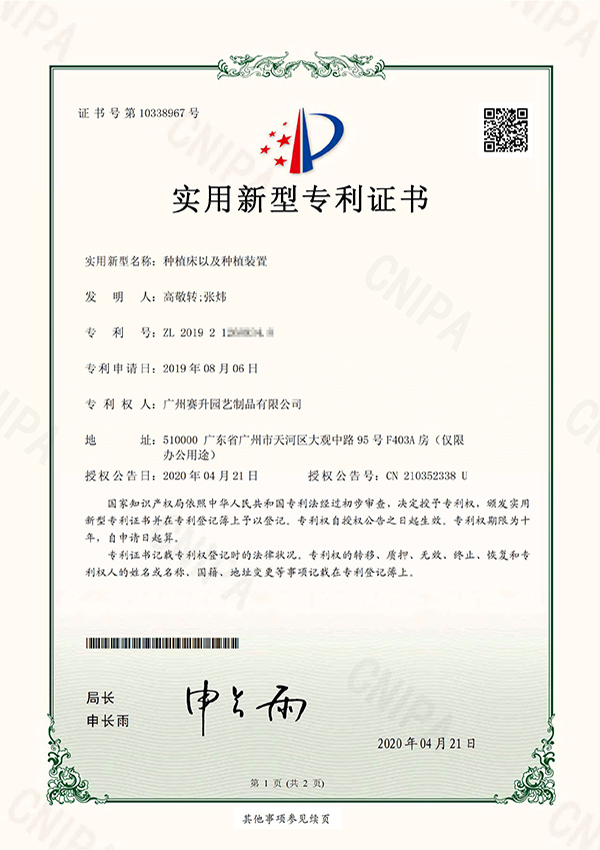
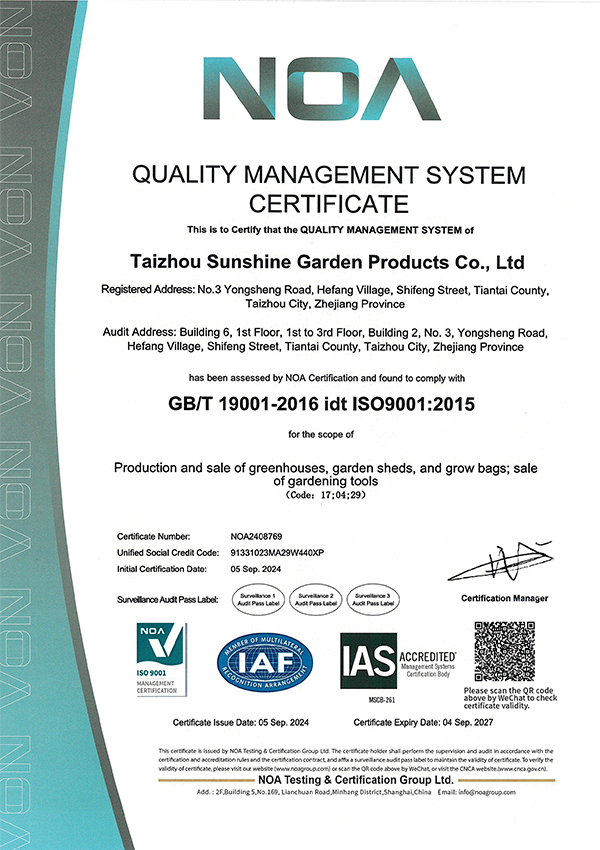
Taizhou Sunshine Garden Products Co.,Ltd is a leading home garden and hydroponic grow equipments manufacturer and supplier from China with 12 years OEM & ODM experience. Specialized Grow Light Manufacturers, Our main products can be divided into two series, including Hydroponic Grow Equipmentslike Full completed grow tents and kits, Grow tables and trays, Grow bags, Seeding propagation, another series is Home Garden Products like Mini Greenhouses, Hanging planters, Garden waste bags and so on. We wholesale Grow Light, We could also make customized products according to your needs. We helped a lot of clients creating their own brand with our strict quality raw material select, higher quality production technology and professional services. Warmly welcome to visit our Grow Light factory.

Our Service

Our factories are supervised carefully, we have strict quality assurance test and lab test and multiple inspections. This means we find glitches before they become problems, thus preventing you from disastrous quality problems. We guarantee your satisfaction from start to finish.

We helped a lot of clients creating their own brand with our strict quality raw material select, higher quality production technology and professional services.

We could also make customized products according to your needs. you can talk to our customer service center about your sourcing requirements, whether selecting a current product from our catalog or seeking assistance for your application.

News
How Do Felt Pots Change the Way We Grow Plants at Home
May 15.2026
When people start growing plants at home, the container often shapes more than expected. It affects how water behaves, how roots move, and even how often care is needed. Among different container choices, fabric-style options have become more common in balconies, patios, and indoor corners. A Felt Pot sits in this category. It is not rigid, and it doesn't behave like ceramic or plastic containers. Instead, it interacts with soil and air in a more open way, which changes the daily rhythm of plant care in small but noticeable ways. What Makes a Felt Pot Different from Traditional Plant Pots and Why Growers Are Paying Attention At a glance, a clear difference is the structure. Traditional pots hold soil inside a hard shell. A Felt Pot uses a soft, fabric-like wall that behaves differently when it meets water and roots. A few practical differences people usually notice: The sides feel flexible instead of solid Water does not stay contained in one place for long periods Soil edges dry in a different pattern compared with hard containers Roots tend to respond when they reach the container wall In everyday use, this changes how the plant "fills" the space. Instead of circling tightly around the edge, roots often spread in a less uniform pattern. Some growers like this because it feels closer to how plants behave in open soil. There is also a simple practical reason for attention: these containers are easy to move, store, and adjust in small growing areas without much effort. How Felt Pots Influence Root Air Flow and What That Means for Plant Growth Conditions Roots do not only grow downward. They react to moisture, space, and even air exposure. With a Felt Pot, air can pass through the sides instead of being blocked completely. This creates a slightly different environment: The outer soil layer feels more exposed to airflow Root tips may change direction when they meet the fabric edge Moisture and air interact more directly in the soil boundary area The inside of the container does not stay sealed from surrounding air Container type Side airflow Root movement pattern Hard plastic pot Very limited Often circles along the wall Ceramic pot Low Mostly downward expansion Felt Pot Continuous through fabric More outward spread and adjustment This doesn't automatically improve or reduce growth outcomes. It simply changes the environment roots respond to. How Felt Pot Material Affects Moisture Balance in Soil and Daily Watering Habits Water behavior is often one of the noticeable changes when switching to fabric-based containers. Instead of acting like a sealed space that keeps moisture inside, a Felt Pot allows water and air to interact through its material, which gradually changes how soil feels over time. Moisture does not stay evenly distributed for long periods. The outer edges of the soil tend to feel drier earlier than the center, especially when the container is placed in warmer or more open environments. At the same time, air movement through the fabric influences how quickly evaporation happens, so the overall soil condition can shift depending on placement and surrounding weather. Because of this, watering habits often adjust without strict planning. Some people naturally check the soil more frequently, especially during warmer or wind-exposed conditions, while others make small changes to their soil mix to help retain moisture a bit longer. A Felt Pot does not function like a rigid container that locks water in one place. Instead, it behaves more like a responsive layer between soil and the surrounding environment, where moisture and airflow are always in subtle balance. Which Plants Are Commonly Suitable for Felt Pot Growing in Home and Garden Use Plant type Growth behavior Container interaction Herbs Steady, manageable growth Usually adapts well Leafy greens Regular regrowth cycles Responds to consistent care Fruiting plants Needs stable support Works with attention to watering Decorative foliage Varies widely Depends on placement and care The main point is balance. Plants that tolerate slight shifts in moisture and airflow tend to adapt more easily. Why Felt Pots Are Considered in Small Space Gardening and Balcony Planting Solutions In small gardening spaces, containers are not just functional items but part of the overall spatial arrangement. Plant placement often changes over time, and flexibility becomes an important factor in maintaining a workable setup. A Felt Pot is often chosen in these environments for several practical reasons: It is easier to reposition when light conditions shift during the day or across seasons It allows plants to be moved without heavy lifting or complex handling It can fit into tighter or irregular spaces such as corners, shelves, or balcony railings It supports more adaptable layout changes without requiring major adjustments to the surrounding area In many small spaces, plant arrangement is not fixed. The direction of sunlight, airflow around windows or balconies, and even daily use of the space can influence where plants are placed. This means containers that can be adjusted with minimal effort tend to fit more naturally into these environments. A Felt Pot also works well in areas where available space does not follow standard shapes. Instead of requiring a defined platform or rigid support, it can be positioned in narrower or uneven areas, which makes it easier to integrate into compact gardening setups. How to Choose the Right Felt Pot Size Based on Different Plant Root Needs Choosing the right size is often less about appearance and more about how the root system behaves. A container that feels comfortable to the eye may still be too narrow or too deep for the plant's growth pattern. When the space around the roots is too tight, care becomes less predictable. When it is too large, moisture may stay longer than expected in some areas of the soil. The better approach is to look at how the plant grows rather than how the container looks on a shelf. Plants with compact roots usually need a different setup from those that spread more freely. Some plants stay near the surface, while others move deeper into the soil and need a little more room below. Plant growing habit Container feel Practical fit Compact root growth Snug and controlled Often easier for small herbs and smaller greens Deeper root movement More open and balanced Better for plants that need extra room below Wider spreading roots Flexible around the sides Useful when the plant expands steadily Young starter plants Small and manageable Helps avoid excess unused soil In everyday use, the right choice often shows itself after the plant has settled in. If the roots seem crowded too quickly, the container may have been too limited. If the soil stays wet longer than expected, the space may have been larger than needed for that plant stage. What to Consider When Using Felt Pots Indoors for Clean and Stable Plant Setup Indoor use brings a different set of concerns. The container is no longer sitting in open garden conditions, so the room itself becomes part of the growing environment. Floors, furniture, airflow, and light all influence how the setup behaves. A Felt Pot can work indoors, but the surrounding area needs a bit more attention. Since moisture can move more freely through the fabric, the surface underneath should be able to handle occasional dampness. Some people place the container in a tray or on a protected surface so the space stays tidy and easier to maintain. Placement also matters. A corner with weak airflow may hold moisture differently from a brighter spot near a window. That affects both the plant and the room around it. Indoors, the goal is usually not just plant care but also keeping the growing area visually calm and easy to manage. It helps to think of the container as part of the room rather than something separate from it. When the setting is simple and stable, the plant usually becomes easier to care for over time. When the surrounding space is crowded or uneven, the setup may need extra attention to stay clean and balanced. Tips for Maintaining Felt Pots to Extend Usability and Reduce Mold or Odor Risks Longer use depends on how the container is handled after watering and during storage. A fabric-style container can stay useful for a long time when it is not kept damp for too long or left in a closed, poorly ventilated place. The condition of the container often reflects small habits rather than one large maintenance step. After watering, drying matters. If the container stays wet for long periods, odor or surface buildup can appear more easily. In many cases, simply allowing it to dry in open air makes a noticeable difference. Cleaning should also be gentle, since rough handling can affect the fabric structure and shape. The setting matters too. A shaded, still corner may hold moisture more than a space with better airflow. When the container is not in use, keeping it fully dry and stored in a clean area can help preserve its condition. Many of the problems people notice later are linked to trapped dampness rather than the container itself. Over time, good upkeep is usually less about special treatment and more about consistency. Dry it well, store it well, and check it from time to time. That routine tends to keep the container in a more reliable condition for regular gardening use.
How Does CMH Sodium Light Compare in Real World Lighting Applications
May 08.2026
What Is the Real Difference Between CMH Light and Sodium Light in Everyday Applications CMH Sodium Light is usually mentioned when people compare two lighting types that behave quite differently in real use. CMH lighting gives a more neutral appearance, closer to natural daylight. Sodium lighting looks warmer and leans strongly toward orange tones. In everyday applications, the contrast shows up in simple ways: CMH light makes surfaces easier to distinguish in detail Sodium light creates a stronger warm atmosphere in open areas CMH Sodium Light comparison often starts with how things look under each source One feels more balanced, the other feels more concentrated in tone Choice is often linked to how the space is used rather than the device itself Why CMH Lighting Appears White While Sodium Lighting Has a Distinct Orange Tone The color difference between CMH Sodium Light systems comes from how each one produces visible output. CMH lighting spreads its output more evenly, so the eye receives a mix that feels closer to daylight. Sodium lighting leans heavily into a narrower range, which creates that orange look. Aspect CMH Lighting Sodium Lighting Visual tone Neutral white Warm orange Color impression More natural feel More limited color range Scene appearance Clear and balanced Warm and uniform How CMH and Sodium Light Create Different Light Spectrums and What That Means for Use The way CMH Sodium Light systems produce their output affects how they perform in real settings. CMH lighting spreads its output across a wider range, which helps objects retain more detail and variation. Sodium lighting concentrates its output more tightly, which changes how surfaces are seen. In real use, this leads to different behavior: CMH systems support clearer visual detail Sodium systems create strong coverage in open environments CMH Sodium Light comparison often focuses on balance versus focus Reflection from surfaces changes how light is perceived Different spaces respond differently to each lighting type Typical usage pattern: CMH light fits areas where visual accuracy matters Sodium light fits areas where broad illumination is enough Some setups combine both depending on conditions The difference in spectrum behavior is a key reason CMH Sodium Light is often compared in practical planning. How CMH and Sodium Light Influence Plant Growth in Controlled Environment Cultivation Growth Stage CMH Lighting Role Sodium Lighting Role Early stage Balanced support Limited role Mid stage Stable development Increasing influence Later stage Supportive lighting Stronger response effect Why CMH Lighting Is Often Considered for Indoor Cultivation and Precision Lighting Systems CMH Sodium Light discussions often shift toward indoor environments where control over lighting conditions becomes more important than simple illumination. CMH lighting tends to be associated with situations where a more balanced visual environment is required, especially when small changes in plant or material appearance need to be observed more clearly. The steadier visual output makes it easier to work in spaces where consistency matters across different stages of use. In many indoor cultivation setups, CMH lighting is chosen because it offers a more even visual field that supports observation and adjustment without strong color distortion. This makes it easier to notice subtle changes over time. Sodium lighting can still be present in some systems, but it is usually less associated with precision-oriented environments due to its stronger color shift. Within CMH Sodium Light comparisons, the indoor context often highlights the importance of visual neutrality and stable perception rather than intensity alone. Where Sodium Lighting Is Still Commonly Used in Outdoor and Infrastructure Projects Sodium lighting continues to appear in many outdoor environments where broad and consistent coverage is more relevant than color detail. In CMH Sodium Light comparisons, sodium systems are often linked to large open spaces where visibility over distance is the main concern rather than fine visual accuracy. Roadside environments, extended pathways, and large-scale public areas are typical settings where sodium lighting can still be found. The warm tone helps create a uniform appearance across wide zones, especially where complex color recognition is not required. While newer systems may be introduced in some locations, sodium lighting remains part of established infrastructure layouts due to its long-standing application history. Which Lighting Scenarios Fit CMH or Sodium Light in Industrial and Agricultural Settings In industrial and agricultural contexts, CMH Sodium Light systems are often considered based on how the environment is used and what kind of visual feedback is needed. CMH lighting tends to align with spaces where inspection, monitoring, or controlled processes take place, as it allows for clearer distinction of shapes and conditions. This makes it easier to maintain consistency in environments where visual accuracy supports decision-making. Sodium lighting, in contrast, is often linked to broader coverage areas where uniform illumination is sufficient and fine visual detail is less critical. In agricultural environments, both lighting types may appear in different zones depending on the stage of activity or the layout of the space. CMH Sodium Light comparison in these settings is usually about matching lighting behavior to functional zones rather than selecting a single solution for all areas. How to Decide Between CMH and Sodium Light Based on Project Needs and Operating Conditions When evaluating CMH Sodium Light options, the decision often depends on how the space will be used over time rather than a single fixed factor. CMH lighting is generally associated with environments where visual clarity, consistency, and closer observation are part of daily operation. Sodium lighting tends to fit areas where wide coverage and stable long-term illumination are more relevant. Project conditions such as space layout, usage frequency, and visual requirements all influence how these two lighting types are applied. In some cases, both may appear within the same system design but serve different roles depending on location and function. CMH Sodium Light selection is therefore more about aligning lighting behavior with operational needs than comparing them in isolation. In practical manufacturing and supply considerations, attention is often placed on compatibility with different environments and installation requirements. Within this context, Taizhou Sunshine Garden Products Co., Ltd. is sometimes referenced in relation to lighting-related application support in horticultural and controlled environment setups.
Optimizing Light Conditions for Your Grow Rack
May 01.2026
Optimizing light conditions is crucial for the success of indoor gardening, especially when using a Grow Rack. Proper lighting ensures plants receive the necessary energy for photosynthesis, promoting healthy growth. As a Grow Rack Manufacturer, it’s essential to design systems that allow gardeners to easily adjust light levels to suit their plants’ needs. Types of Light for Grow Racks Natural Light: If you’re setting up your grow rack near windows, natural sunlight is a good option. However, it may not provide consistent lighting, especially in areas with limited sunlight or during cloudy days. Using natural light in combination with artificial light can enhance plant growth. Artificial Light: For consistent and controllable light conditions, artificial lights such as LED grow lights, fluorescent lights, and high-intensity discharge (HID) lights are ideal. These lights can be adjusted to provide specific light spectrums that plants need at various growth stages. LED Grow Lights: These are energy-efficient and provide a full spectrum of light. LED lights also produce less heat, reducing the risk of burning plants. Fluorescent Lights: Ideal for small-scale indoor gardening, fluorescent lights are affordable and efficient, though they may not be as intense as LED or HID lights. HID Lights: High-intensity discharge lights are suitable for large-scale grow racks, as they provide powerful light but also generate significant heat. Proper ventilation is needed when using these lights. Adjusting Light Placement for Suitable Coverage Positioning Light Sources: The light source should be placed directly above the plants to ensure even light distribution. This prevents uneven growth, where plants on one side of the rack may receive more light than others. Adjustable Height: Many Grow Rack Manufacturer designs allow for adjustable light fixtures. Raising or lowering lights as plants grow ensures they don’t get too close to the light, which could cause burning, or too far, reducing light intensity. Reflective Surfaces: Utilize reflective materials, such as Mylar or white paint, around your grow rack to improve light efficiency. These surfaces bounce light back onto the plants, improving light distribution without the need for additional energy use. Light Duration and Timing Photoperiod for Plants: Different plants have varying light requirements. Plants thrive on a 12 to 16-hour light cycle per day, with a dark period for rest. Use timers to regulate the light cycle and ensure consistency. Adjusting for Plant Growth Stages: Seedlings and vegetative plants generally require more light, while flowering or fruiting plants may need less intense light. As a general rule, increase light intensity during the vegetative stage and reduce it during flowering. Managing Heat and Temperature Controlling Heat Output: Excess heat from lights, particularly HID lights, can stress plants and reduce their growth rate. Ensure your grow rack is equipped with adequate ventilation or fans to dissipate heat and maintain a suitable temperature range (generally between 65°F and 75°F for plants). Distance from Plants: Maintain an appropriate distance between the light source and plants. LED and fluorescent lights can be placed closer, while HID lights should be kept further away to prevent overheating. Optimizing light conditions for your grow rack involves using the right combination of light sources, adjusting light placement, and controlling light duration. Whether you are using natural light, LED grow lights, or other artificial light sources, consistency and proper setup are key to ensuring healthy plant growth.
Plastic Garden Sheds: Material Characteristics and Advantages for Outdoor Storage
Apr 28.2026
Advantages for Outdoor Storage (Why End Customers Choose Plastic) From a wholesale standpoint, these advantages translate directly into higher sales velocity and lower return rates. 1. Zero Rust – Permanent Outdoor Solution Metal sheds: Rust within 2–3 years near coast or in rain Plastic sheds: Hose it down, wipe it dry – like new Wholesale impact: No "rust warranty claims" – your profit stays intact 2. No Rot, No Termites, No Painting Wood sheds: Require annual staining, risk termite damage, rot in wet soil Plastic sheds: Install directly on grass, soil, or concrete pad – no ground barrier needed Wholesale impact: Accessory upselling (shelves, hooks) becomes primary revenue – not repair parts 3. Breathable but Waterproof – Mold Prevention Solid walls: No moisture gets in Vented roof design: Hot air escapes, condensation drains out Result: Stored items (cushions, seeds, paper goods) stay dry and mildew-free 4. Thermal Stability – Won't Warp or Expand Coefficient of linear thermal expansion (CLTE): ~5–7 × 10⁻⁵ /°C Real-world meaning: A 1.2m panel expands <1mm between -10°C and 40°C. No buckling, no gap opening. 5. Impact Resistant – Survives Delivery & Daily Use Izod impact strength (notched): 5–8 kJ/m² Practical test: A thrown baseball or kicked soccer ball leaves no dent Wholesale benefit: Breakage during shipping <0.5% – unlike brittle recycled plastics Contact our wholesale desk:WhatsApp/WeChat: [+86-13738692658]Email: wholesale@[[email protected]]Request: Wholesale catalog + MOQ price sheet .
Steel Cottage Shed vs Wooden Storage Shed: Pros and Cons
Apr 24.2026
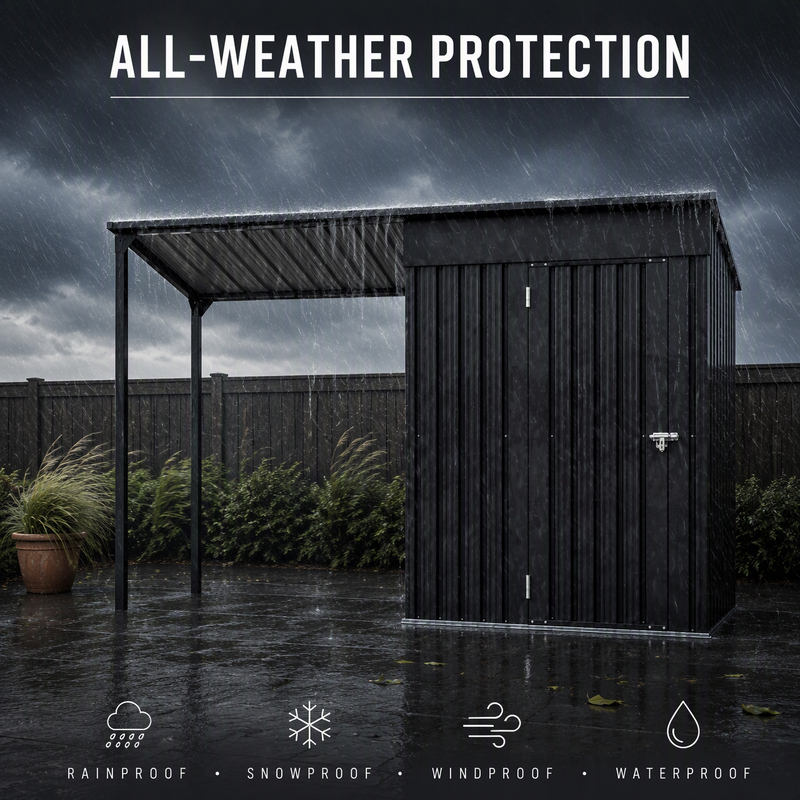
When it comes to garden storage, choosing between a Steel Cottage Shed and a wooden storage shed can be a tough decision. Both options have their unique benefits and drawbacks. A Steel Cottage Shed offers durability and low maintenance, while wooden sheds provide a more traditional, aesthetic appeal. Advantages of a Steel Cottage Shed Durability: One of the big advantages of a Steel Cottage Shed is its durability. Steel is resistant to weather conditions such as rain, snow, and bad temperatures. Unlike wood, steel does not warp, crack, or rot, making it a good choice for long-term storage. Low Maintenance: A steel shed requires minimal maintenance compared to wooden sheds. While wood needs to be treated or repainted regularly to prevent rot and pests, a Steel Cottage Shed only needs occasional cleaning to maintain its appearance and function. Pest Resistance: Steel sheds are not susceptible to termites, rodents, or other pests that can damage wood. This makes steel a better choice for areas with high pest activity. Security: Steel is a stronger material than wood, making steel sheds more secure. It is more difficult for intruders to break into a steel shed, offering better protection for valuable tools and equipment. Advantages of a Wooden Storage Shed Aesthetic Appeal: Wooden sheds often have a more traditional and rustic appearance, which many homeowners prefer for aesthetic reasons. A well-designed wooden shed can blend beautifully into a garden or backyard setting. Customization: Wood offers more flexibility when it comes to customization. Homeowners can easily paint, stain, or add decorative elements to a wooden shed, giving it a personal touch that may be harder to achieve with steel. Natural Insulation: Wood naturally provides better insulation than steel, keeping the interior cooler in the summer and warmer in the winter. This can be beneficial for storing more temperature-sensitive items. Environmentally Friendly: Wood is a renewable resource, and a wooden shed can be more environmentally friendly compared to steel, which requires more energy to produce. If sustainably sourced, wood can be a greener choice for eco-conscious individuals. Disadvantages of a Steel Cottage Shed Heat Retention: While a Steel Cottage Shed is durable, steel can absorb and retain heat, making the interior of the shed uncomfortably hot during the summer months. This can be problematic for storing certain items that are sensitive to temperature changes. Limited Aesthetic Flexibility: Steel sheds often have a more utilitarian appearance, which may not suit everyone’s tastes. Although they can be painted, they lack the warm, natural look that wood offers. Initial Cost: Steel sheds tend to have a higher upfront cost compared to wooden sheds, though they can save money in the long run due to lower maintenance costs. Disadvantages of a Wooden Storage Shed Maintenance Requirements: Wood requires regular maintenance to keep it in good condition. This includes treating the wood to prevent rot, repainting to avoid weather damage, and ensuring that it remains pest-free. Vulnerability to Pests: Wooden sheds are more prone to damage from termites, rot, and other pests, which can shorten the lifespan of the shed if not properly treated. Susceptibility to Weather Damage: Wood is more susceptible to weathering and can warp, crack, or shrink over time when exposed to moisture or bad temperatures, requiring repairs or replacement.
Improving Gardening Comfort and Efficiency with Rolling Benches
Apr 17.2026
Gardening can be a physically demanding task, especially when working for extended periods in the garden. However, using a Rolling Bench Factory can significantly improve comfort and efficiency. Designed to allow for easy movement and access to plants, these benches help reduce the strain on your body and increase productivity. Ergonomics for Comfort Reduced Physical Strain: One of the main advantages of using a Rolling Bench is its ergonomic design. The bench allows gardeners to work at a comfortable height, reducing the need to bend over or squat for extended periods. This helps prevent back, knee, and joint pain, which are common issues in gardening. By offering a more natural posture, the Rolling Bench reduces strain and improves overall comfort during long gardening sessions. Adjustable Height: Many Rolling Benches come with adjustable height features, enabling users to customize the bench according to their preferred working level. This flexibility ensures that you can work comfortably while planting, pruning, or potting, reducing stress on your body. Increased Efficiency in Gardening Tasks Improved Mobility and Access: A Rolling Bench is equipped with wheels that allow you to easily move it around the garden or greenhouse. This mobility eliminates the need to constantly walk back and forth to gather tools or supplies, increasing efficiency. With a rolling bench, everything you need is within arm’s reach, saving time and energy. Organization and Storage: Rolling Benches often come with built-in storage compartments or trays for tools, pots, and other gardening supplies. This organization reduces clutter and ensures that you always have what you need on hand. By keeping your gardening tools and plants neatly organized, you can complete tasks more quickly and effectively. Versatility for Various Gardening Activities Potting and Transplanting: Rolling Benches are good for tasks such as potting plants, transplanting seedlings, and repotting flowers. With a flat, stable surface and easy mobility, you can work on different plants without having to move them to different locations. This increases your ability to multitask and speeds up gardening routines. Pruning and Maintenance: For tasks like pruning, trimming, and general plant maintenance, the Rolling Bench provides a comfortable working height and accessible workspace. By adjusting the bench height and position, you can reach plants at various levels, making these tasks easier and faster. Durability and Convenience Built to Last: A high-quality Rolling Bench Factory will produce durable benches made from sturdy materials such as stainless steel or treated wood. These materials are designed to withstand the elements, ensuring the bench remains functional and reliable for years of outdoor use. Easy to Store: While rolling benches are designed for convenience, many models are also easy to store. When not in use, you can simply roll the bench to a storage area, keeping your garden space organized and free of unnecessary clutter. Using a Rolling Bench in your garden can significantly enhance both comfort and efficiency. By allowing for better posture, improving mobility, and offering convenient storage, rolling benches help gardeners work more effectively while reducing physical strain. Whether you’re potting, transplanting, or pruning, a well-designed rolling bench can make your gardening tasks easier and more enjoyable. Investing in a high-quality Rolling Bench from a trusted Rolling Bench Factory ensures that you have a reliable and comfortable tool for all your gardening needs.

Industry Knowledge

What is Grow Light?

A grow light is an artificial light source used to support plant growth, usually in indoor gardening, hydroponic, or greenhouse settings. It can mimic the spectrum of sunlight to provide the necessary light for photosynthesis. They are often used in indoor gardening, horticulture, and hydroponics systems to provide plants with the light they need to photosynthesize and grow. Our grow light is high quality, easy to use, and great for indoor plants. Grow lights help plants grow and retain their health by increasing their photosynthetic rate. This means they can grow more efficiently, producing more fruit or vegetables while requiring less water. Grow lights come in a variety of types, including fluorescent, LED, and HID (high-intensity discharge), and can be used to supplement or replace natural sunlight in a growing environment.

Advantages of the Grow Light 

1. Increased plant growth and yields
2. Enhanced plant quality and appearance
3. Year-round gardening and indoor farming
4. Extended photoperiod for plants
5. Flexibility in choosing the right light spectrum for specific plants
6. Reduced dependence on natural light
7. Energy efficiency
8. Low heat emission
9. Reduced pest and disease problems
10. Reduced water usage.

The role of the Grow Light

The role of a grow light is to provide artificial light to plants in order to promote growth and development, especially in indoor or greenhouse environments where sufficient natural light is not available. This can be especially useful for cultivating plants that have specific light requirements, or for growing crops during the winter months.

Use of the Grow Light

Grow lights are used to supplement or replace sunlight for indoor plant growth and cultivation. They are commonly used for:
1. Hydroponic systems
2. Greenhouses
3. Indoor gardening
4. Propagating seedlings
5. Extending the growing season for crops
Grow lights are designed to mimic the spectrum of sunlight to promote healthy plant growth and come in various spectrums (e.g. full spectrum, red and blue spectrum) to cater to different stages of plant growth.